
 Worksheets
Industrial Revolution Review
Total questions: 104
Worksheet time: 2hrs 38mins

What is the movement of people from farms to cities?
Utilitarianism
Urbanization
Proletariat
Enclosure Movement

A place where people and machines join together to mass produce goods.
Cartel
Corporation
Factory
Urbanization
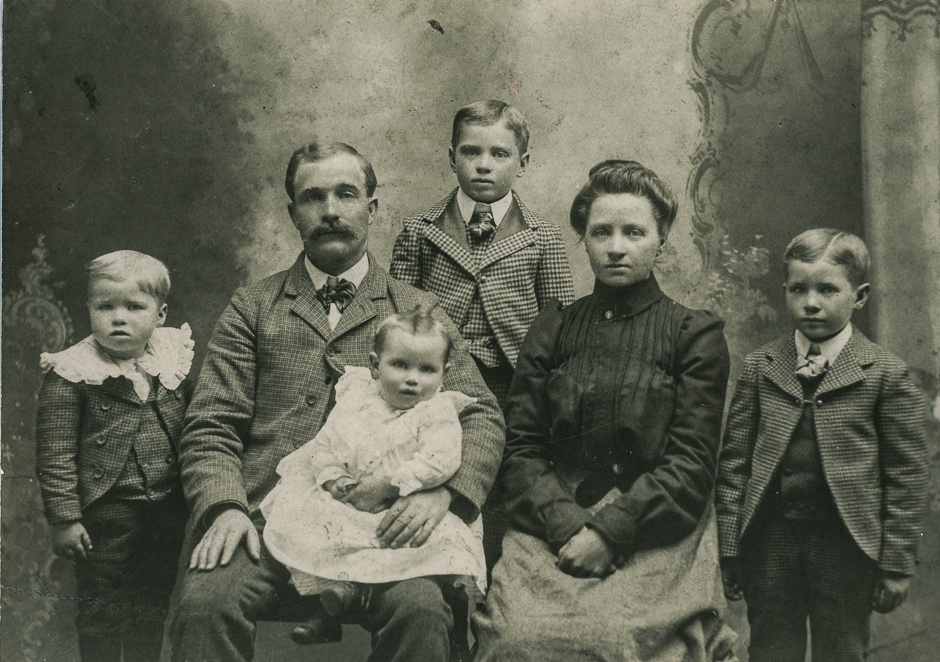
The Industrial revolution created a new ____________ class.
Upper
Poor
Lower
Middle

__________ is known as the Father of modern economics, who theorized Laissez-Faire, the idea that the market should have no political interventions?
Adam Smith
Karl Marx
Thomas Malthus
Frederick Engels

In which European country did the Industrial Revolution begin?
France
Britian
Prussia
Spain

Some of the machines invented in the 18th and 19th centuries are:
telephones, geographic positioning system, radios, airplanes
steam engine, railroads, flying shuttle, phonograph, steam ships, light bulb
sailboats, automobiles, wheel barrels, clocks, word processors
automatic washer, hair dryer, rockets, space shuttles

Which of the following is considered an impact of Industrialization during the 18th and 19th centuries?
Increased competition between industrialized nations
Rise of global inequalities
Transformation of society.
All of the above

Capitalism is
An economic system in which the means of production are privately owned and money is invested to make profits.
An economic system in which the means of production are owned by the public (government) and operate for the welfare of all.
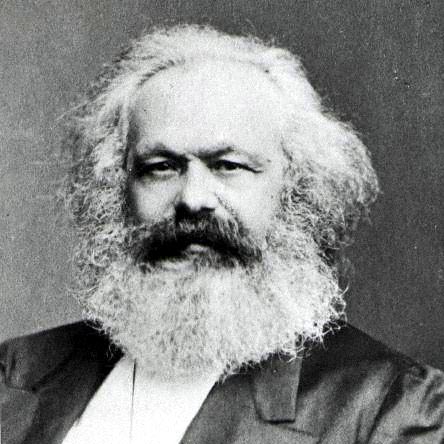
__________________ predicted a violent revolution that would result in the working class taking over in a classless political and economic systems known as communism.
John Adams
Thomas Smith
Karl Marx
Edward Jenner
This economic theory says that the government should not interfere in the economy.
Capitalism
Socialism
This economist believed in communism.
Karl Marx
Adam Smith
Saint-Simon
Robert Owen
This economic theory states that competition and supply and demand will determine the prices of goods.
Capitalism
Socialism
This economist was a capitalist.
Karl Marx
Adam Smith
Saint-Simon
Robert Owen
Which invention allowed for the faster transportation of resources and finished goods, people, and provided many jobs?
Automobile
Subway
Train
Airplanes
What were the reasons why the Industrial Revolution started in England? (select 2)
Abundant natural resources.
Better army.
Stable government and economy.
They had overthrown the monarchy.
The movement of people from rural areas to cities is called
Industrialization
Urbanization
Communism
Democracy
Which of the following could be considered positive outcomes of the Industrial Revolution?
Urbanization
Overall increase in wages
Pollution
Faster transportation
The Industrial Revolution began in the textile industry. What are textiles?
Coal
Iron
Animal products
Cloth
The four factors of production that were vital to the Industrial Revolution and the start of any business include each of the following EXCEPT
land
labor
capital
entrepreneurs
investors
The process of an area growing larger, with an increase in population, production of goods and services, and availability of a variety of options to fulfill one's wants and needs is called
industrialization
urbanization
materialism
commercialism
During the Industrial Revolution, a new social and economic class that developed was the
serfs
rich, or the upper class
expanded lower class
middle class
In the early days of the Industrial Revolution, which item was manufactured in great numbers at newly built factories?
textiles
industrial machines
cars
household goods like cookware
Which of the following best defines the term capital when referencing the Industrial Revolution?
a city where industrial production increased, became an important city for a nation's economy
money, equipment, and/or resources that were used in the production of goods
a type of investment that helped a factory or business get started
none of these best define capital
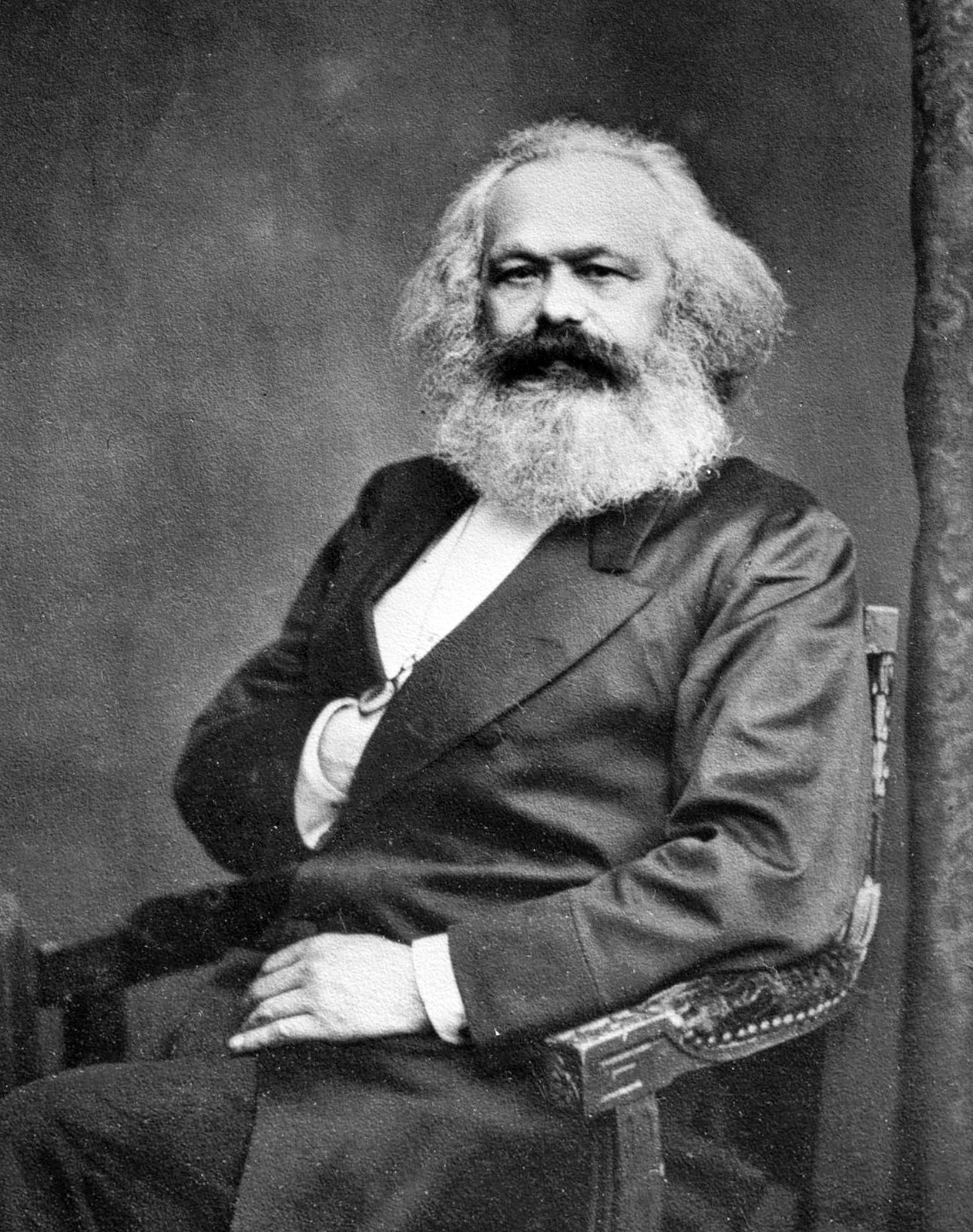
Karl Marx spelled out how he believed that workers should rise up against factory owners, outlining the basic principles of
capitalism
socialism
communism
command economies
Which of the following best describes industrialization?
nations began to rely on one another for trade of various goods and resources after the beginning of the Industrial Revolution
smaller nations needed assistance from their larger neighbors, so they formed trade alliances
more and more people began to move to cities, away from rural areas
advancement in technology to produce goods on a larger scale and a reliance on manufacturing of goods instead of individuals producing goods themselves
Why was England the site of the beginnings of the Industrial Revolution?
England was the most powerful nation in the world
It wasn't; history has unfairly given England credit for the Industrial Revolution
England had an abundance of natural resources such as coal, iron ore, and waterways where water wheels and steam engines could be built
England was centrally located to many areas like France, Germany, Spain, and Ireland, giving them an advantage to bring in resources and talent from many places

tractors
Which statement best describes a major reason that the Industrial Revolution began in Great Britain?
A strong union movement was able to secure good working conditions and high wages for factory workers.
Industries were owned by the national government.
Cities could easily accommodate the migration of people from rural to urban areas.
Sufficient coal and iron ore reserves and a good transportation system were available.
Which geographic feature most aided England during the Industrial Revolution?
natural harbors
monsoon winds
mountainous terrain
desert climate
Transportation in the 1800s was revolutionized by the development of the
caravel
steam engine
astrolabe
airplane
The invention of spinning and weaving machinery increased the number of workers in the textile industry in Europe because
the early textile machines could not produce goods as efficiently as hand labor
the unions required that more workers be hired to maintain the machines
the demand for goods increased as goods became cheaper to produce
laws prohibited women and children from working with machinery
Which social change occurred during the Industrial Revolution?
increased status for religious leaders
growth of the working class
expansion of privileges for the landed nobility
development of the extended family
The breakdown of traditions, increased levels of pollution, and the expansion of slums are negative aspects of
militarism
collectivization
pogroms
urbanization
In the early 18th century, the Agricultural Revolution in Great Britain resulted in urbanization because
enslaved persons replaced free laborers on farms
displaced rural workers migrated to find jobs
the middle class decreased in size
factory work strengthened extended families
Increased agricultural production in England in the late 1700s contributed directly to
the development of a worldwide communications network
a decrease in the power of the monarch
the introduction of manorialism
an increase in life expectancy
Which geographic feature aided industrialization in Great Britain?
highland climate
large forests
good harbors
monsoon winds

Which conclusion is best supported by the information on the map?
England's natural resources led to the growth of industrial cities.
People emigrated from Great Britain because of pollution.
Great Britain's prosperity unified the people.
In 1830, England had an unfavorable balance of trade.
What was one reason the Industrial Revolution began in Great Britain?
Abundant natural resources were available in Great Britain.
The practice of serfdom in Great Britain provided an abundance of laborers.
Great Britain had alliances with most European countries.
The government of Great Britain implemented a series of five-year plans.
Which was a result of the Industrial Revolution in England during the 19th century?
Workers became more secure in their jobs and less dependent on employers.
The number of farmers increased as the demand for wool in the textile industry rose.
Democratic principles were weakened as the power of the working class increased.
The structure of society changed to include a growing middle class.

Which event caused this population shift in Great Britain?
rebellions in Ireland
the Industrial Revolution
emigration to the Americas
the bubonic plague
“It was a town of red brick, or of brick that would have been red if the smoke and ashes had allowed it; but as matters stood it was a town of unnatural red and black like the painted face of a savage. It was a town of machinery and tall chimneys, out of which interminable serpents of smoke trailed themselves for ever and ever, and never got uncoiled. It had a black canal in it, and a river that ran purple with ill smelling dye. . . .” — Charles Dickens, Hard Times
Which problem is the subject of this passage?
economic inequality
poor transportation systems
lack of child labor laws
urban pollution

The early Industrial Revolution workers faced all these conditions EXCEPT:
miserable working conditions
dangerous working conditions
minimal pay for long hours
control over seasonal schedule

The Industrial Revolution began in this country.
The United States
Great Britain
Germany
Russia

Which industry did the Industrial Revolution first take hold in Great Britain?
textiles
iron production
agriculture
transportation

What invention made possible the growth of railroads?
the spinning jenny
the factory
macadamized roads
the steam locomotive

Adam Smith, who took up for laissez-faire economics, believed that:
mercantilism was the only way to insure a truly free trade.
the government should regulate the economy.
the government should not interfere with the economy.
colonies were an important source of conpetition.

How did industrialization impact women?
Many women entered the paid workplace.
Many women practiced traditional economic activities.
It had no impact on the lives of women.
Women moved from cities to rural areas.
A reason some businesses hired children was:
To provide the children a bright future and opportunities
So they could save money by paying the children less money
So the children could take care of the heavy labor required for their business
To improve their public image
In pre-industrial times (before the industrial revolution), most people lived…
on very large farms
on rented lands
in cities
in rural villages

The series of laws passed by the British parliament that made large, factory style farms possible by selling public land was known as…
Public Works Administration
Enclosure Movement
The Incorporation of Common Areas
Parliamentary Redistricting
The agricultural revolution would allow for….
Larger populations
Increase in wealth of peasants
Decreased populations
More small family farms
Which term refers to “money to invest in labor, machines and raw materials” necessary to start a factory and industrialize?
Capital
Industrialization
Entrepreneur
Factory system
All of the following were effects of the conditions in factories on children EXCEPT…
They could lose hands or other body parts in machines
They could be beaten by the owners/managers of the factories
They were paid very well for the work that they did
They could work up to 16 hours a day with very few breaks for little pay

What was the cause of these effects:
The Agricultural Revolution
The Industrial Revolution
The Capitalist Revolution
The Enclosure Movement
During the Industrial Revolution, the expansion of free enterprise economic principles resulted in —
an increase in government regulation of factories
the workers sharing in the profits of the factory
an accumulation of wealth by factory owners
the passage of additional protective tariffs
New economic theories came about during the Industrial Revolution in response to —
the demands of wealthy industrialists for laws to regulate economies
the economic disparities between the wealthy and the working class
the lack of economic power women had in industrialized societies
the successful efforts of abolitionists to bring an end to the slavery trade

Which item best completes the chart?
A. development of railroad systems
B. electric-powered assembly lines
C. invention of the automobile
D. the light bulb

The image best depicts which effect of the Industrial Revolution?
3.
A. child labor
B. colonialism
C. urbanization
D. increased wealth

The graph illustrates which effect of the industrial revolution?
A. Increased productivity due to mechanization.
B. Poor conditions that workers faced in coal mines.
C. The expansion of colonialism into India and other nations.
D. Unequal wealth distribution among workers and managers.

Which statement completes the chart?
A. Workers control the means of production.
B. The government creates a utopian society.
C. The government does not interfere with free markets.
D. Employers must obey rules such as the eight-hour workday.

How did devices such as the Spinning Jenny affect Britain’s economy?
A. The device powered steam engines and early railroads.
B. Britain was able to industrialize the textile industry before many countries.
C. Rapid production of cotton caused prices to fall and an economic recession in Britain.
D. The Spinning Jenny helped Britain build powerful weapons that they used to colonize smaller nations.
He has compelled her to submit to laws, in the formation of which she had no voice. Having deprived her of this first right of a citizen, the elective franchise [the right to vote], thereby
leaving her without representation in the halls of legislation, he has oppressed her on all sides.
He has made her, if married, in the eye of the law, civilly dead.
He has taken from her all right in property, even to the wages she earns.
Excerpt from The Declaration of Sentiments – Seneca Falls Convention, 1848
What British and American reform movements were related to this document?
A. the labor movement
B. the abolitionist movement
C. the expansion of women’s rights
D. the expansion of immigrants’ rights
It is the highest impertinence and presumption… in kings and ministers, to pretend to watch over the economy of private people, and to restrain their expense… Adam Smith, Wealth of Nations, 1776
The author of the passage would MOST likely agree with which economic philosophy?
A. capitalism
B. communism
C. mercantilism
D. socialism
Which two major ideas are contained in the writings of Karl Marx?
survival of the fittest and natural selection
class struggle and revolutionary change
separation of powers and checks and balances
monotheism and religious tolerance
Which statement is supported by the ideas of Karl Marx?
Private ownership of businesses helps workers.
Industrialization benefits the wealthy and exploits the poor.
Countries should benefit from the wealth of their colonies.
Industrial capitalism allows workers and employers to work together for a common purpose.
A long-term result of the Industrial Revolution in Europe was
an increase in the number of small farms
a decline in international trade
a general rise in the standard of living
a strengthening of the economic power of the nobility
During the 1800s, reform legislation passed in Great Britain, France, and Germany led to
formation of zaibatsu, greater equality for men, and establishment of a banking system
legalizing trade unions, setting minimum wages, and limiting child labor
government-owned factories, establishment of five-year plans, and limits placed on immigration
bans on overseas trade, mandatory military service, and universal suffrage for women
. . . The following serious accidents (minor injuries are not reported) were recorded in the Manchester Guardian between June 12th and August 3rd, 1844:
. . .15th June, 1844: A youth from Saddleworth died of dreadful injuries after being caught in a machine.
29th June, 1844: A young man of Greenacres Moor, near Manchester, working in a machine shop, had two ribs broken and suffered from many cuts as a result of falling under a grindstone. . . .
3rd August, 1844: A Dukinfield bobbin turner was caught in a belt and had all his ribs broken. . . . — Friedrich Engels
Friedrich Engels is using these examples to draw attention to the
efficiency of the factory system
working conditions in factories
living conditions in cities
quality of care in urban hospitals
During the Industrial Revolution, locating factories near concentrations of natural resources and transportation routes most directly promoted
annexations and unequal treaties
migration and urbanization
legislative reforms and formation of unions
communal fields and the domestic system
Karl Marx and Friedrich Engels encouraged workers to improve their lives by
electing union representatives
participating in local government
overthrowing the capitalist system
demanding pensions and disability insurance

Marx and Engels are reacting to changes resulting from
imperialism
nationalism
industrialization
democracy

Which action did Marx and Engels predict would change the conditions described in this passage?
implementation of government reforms
adoption of laissez-faire policies
use of passive resistance
revolts by the working class

Which characteristic of the Industrial Revolution most directly contributed to the health concern highlighted in this illustration and excerpt?
urban population growth
improved communication
new power sources
trade union movement
What was a cause of the Industrial Revolution?
Price Increases
Loss of Natural Resources
Agricultural Revolution
Movement to the Country
What is another cause of the Industrial Revolution?
Lack of Transportation
New Transportation
New Villages
Lack of Financial Resources
What is another cause of the industrial Revolution?
Population Increase
The Coast Guard
The building of subways
The development of trenches
What was a negative effect of the Industrial Revolution?
Good Nutrition
Helping the Environment
The Safe Working Conditions
Child Labor
What is a negative of Industrial Revolution?
Relaxing Work Conditions
Discrimination against women
Good living conditions
Dangerous Working Conditions
Who did not restrict businesses in England and helped develop business in England?
Banks and Financial Institutions
Transportation Corporations
Construction Companies
Organic Farms
What is an effect of the Industrial Revolution?
Drop in prices and more goods
Increase in prices and more goods
Drop in prices and less goods
Higher prices and more goods
Which of the following natural resources was most important for the early development of industry in Great Britain?
coal
iron ore
electricity
timber/wood
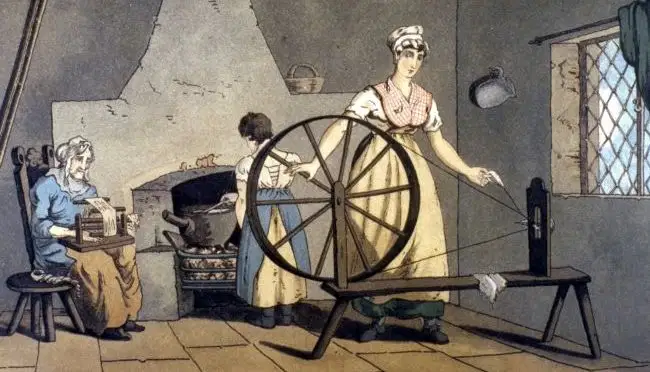
This image best represents...
cottage industry
industrialization
urbanization
Agricultural Revolution
This economic theory states that the government should nationalize certain industries while allowing for different wages depending on skills and education
capitalism
socialism
communism
This economic theory believes that allowing businesses to compete will benefit all of society
capitalism
communism
socialism
This economic theory believes that class systems and the idea of private ownership should be abolished in exchange for community ownership
capitalism
communism
socialism

