
Font size
 Worksheets
Ecology Exam Review
Total questions: 98
Worksheet time: 2hrs 49mins


The non-living part of an ecosystem
Grass
Bacteria
Biotic
Abiotic


Different populations living and interacting with each other in the same area
Biosphere
Ecosystem
Community
Niche

The area between the highest mountain and the deepest ocean where life can be found
Biosphere
Population
Community
Ecosystem


A pond ecosystem is shown in the diagram below. Which statement describes an interaction that helps maintain the dynamic equilibrium of this ecosystem?
Which statement describes an interaction that helps maintain the dynamic equilibrium of this ecosystem?
The frogs make energy available to this ecosystem through the process of photosynthesis.
The algae directly provide food for both the rotifers and the catfish.
The green-backed heron provides energy for the mosquito larvae.
The catfish population helps control the populations of water boatman and waterfleas.
What does every food chain start with? (Even if it's an abiotic factor that is not drawn or written there!)
producers
sun
consumer
decomposers


Which one is not a carnivore?
anemone
bear
shark
vulture





The table provides information on population density of mayflies (prey), a kind of insect, in a certain area over a few years. Many birds (predators) eat these mayflies.
Use the data about mayflies (prey) to predict which time period had the greatest increase in the bird (predator) population.
2005-2006
2006-2007
2007-2008

The chart shows predator and prey relationships in four different ecosystems.. Which is a correct example of a change that would happen to one population because of a change in the other population because of a predator/prey relationship?
When the population of sharks decreases because of fishing, the population of small fish will decrease.
When the population of sharks decreases because of fishing, the population of small fish will decrease.
During hunting season when many deer are killed by hunters, the mountain lion population will decline.
When the mice population increases due to having more resources, the population of snakes will decrease.

The graphs show how the number of mice predators (animals that eat mice) and the food source of the mice (plants) changed from 1996 to 2002.
Based on this information about predators and food, which year would you predict would have the highest population of mice?
1996
1998
2000
2002
This occurs when niches overlap between species and they have to compete for resources.
competition
interspecific
parasite
intraspecies

Leeches are organisms that live in ponds and feed on the blood of fish and other animals. They produce enzymes which cause the animal on which they feed to continue bleeding even after the leech is done feeding. What type of relationship does this describe?
mutualism
commensalism
parasitism
intraspecies
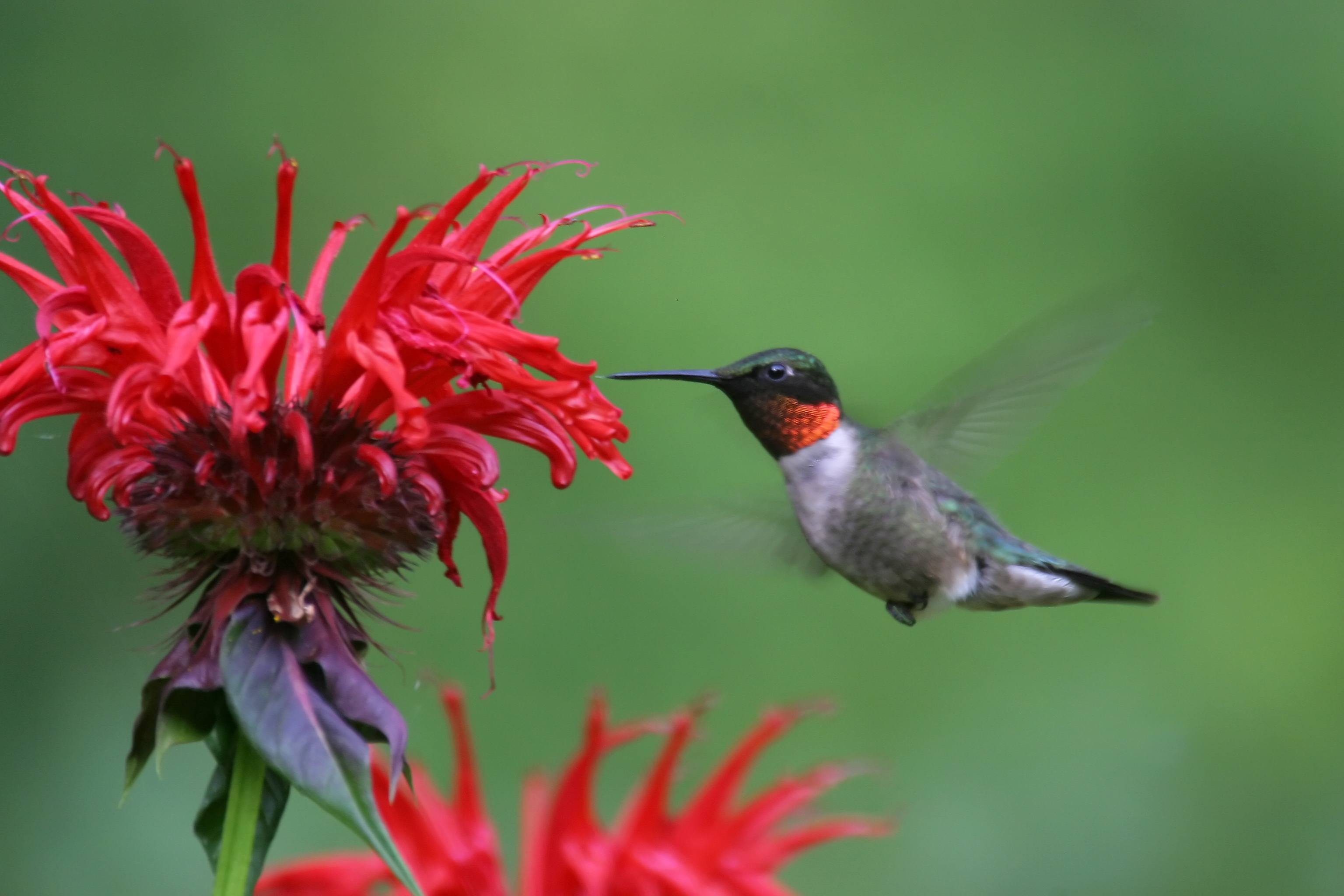

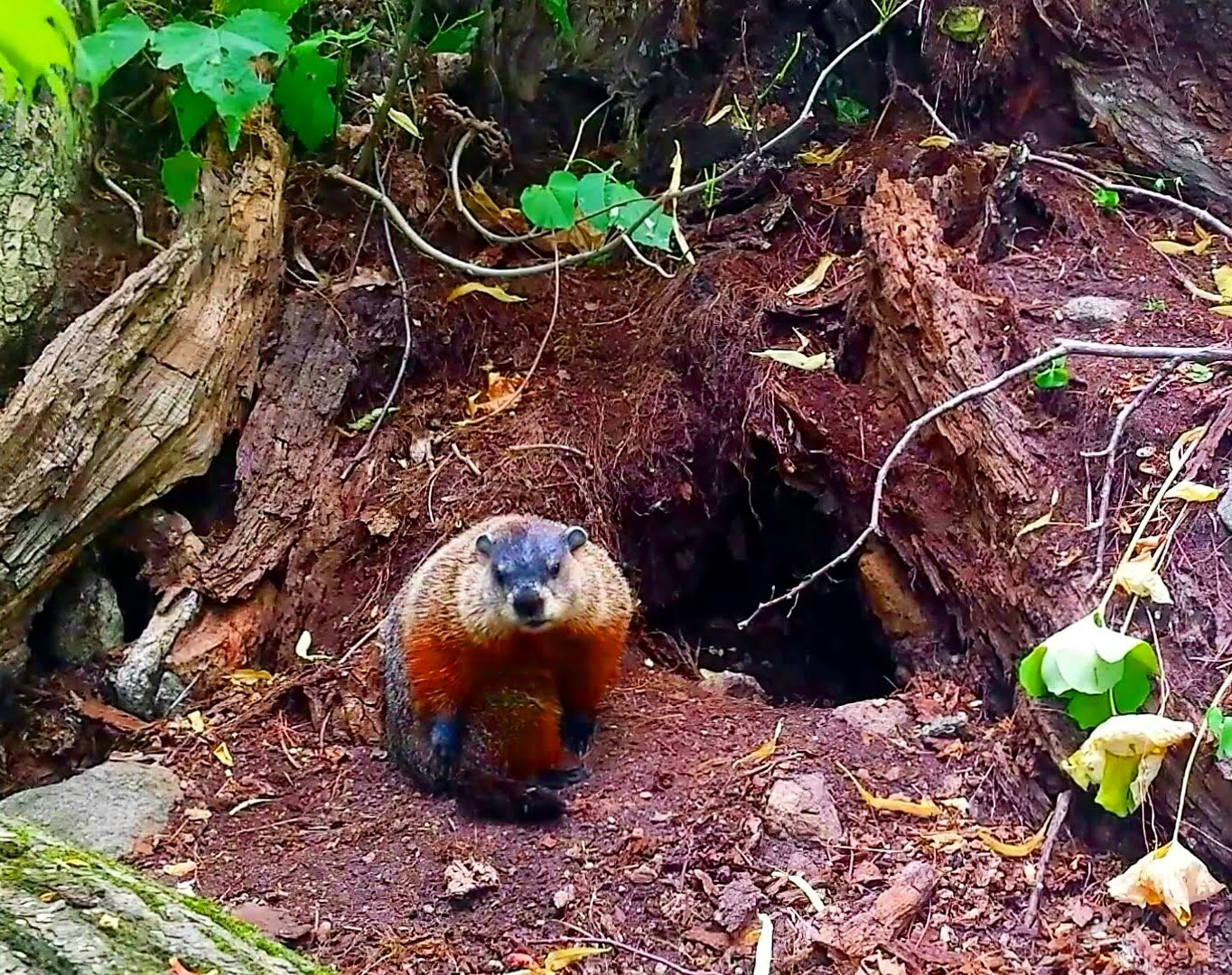
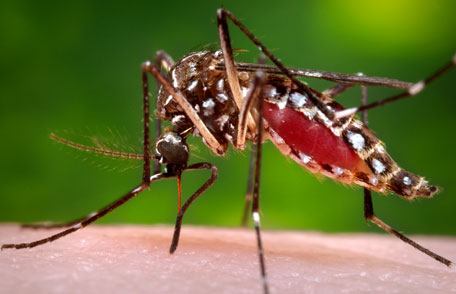

Aphids are tiny insects that live on and eat the leaves of plants, removing vital nutrients from the plants.
Predation
Parasitism
Commensalism
Mutualism


What is the carrying capacity of the graph?
1000
8000
800
600

What happens if a population grows past its carrying capacity?
The population keeps growing
The population starts to die off
The entire species will go extinct
The carrying capacity just increases
This may cause a population to increase
increase of food supply
removal of predators
removal of disease
all of these

The largest number of individuals that an environment can support long term is...
carrying capacity
emigration
immigration
population density
When death rate is equal to birth rate...
population increases
population decreases
population stays the same.
population rapidly increases then becomes stable
The ecological role an organism performs in their specific environment is considered the organism's...
Habitat
Population
Biome
Niche

Which organism in the table above is most likely a primary consumer? (Hint: Think about an energy pyramid)
Organism A
Organism B
Organism C
Organism D
Which organisms in the table above are most likely carnivores? (Select all that apply)
(Hint: Think about an energy pyramid)
Organism A
Organism B
Organism C
Organism D
Which organisms in the table above are most likely autotrophs/producers? (Hint: Think about an energy pyramid)
Organism A
Organism B
Organism C
Organism D

Use the graph above to answer the following question. What happened to the moose population as a result of the wolves being over-hunted in 1980?
The moose population decreased.
The moose population increased.
There was no change in the moose population.
Use the graph above to answer the following question. What is the most likely effect on the grass population size as a result of the wolf population changes during 1970-1980?
The grass population decreased.
The grass population increased.
There was no change in the ecosystem.

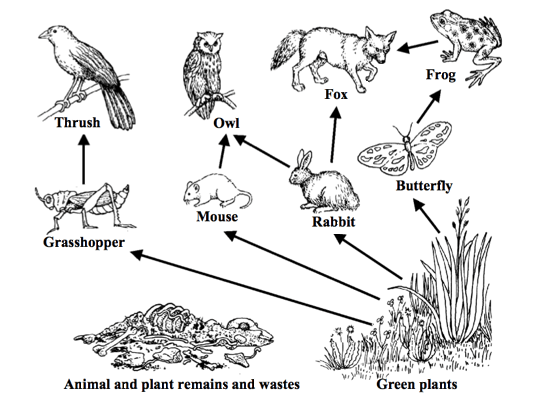
Which organism in the food web above is an omnivore?
Hawk
Sparrow
Rabbit
Shrew

Tigers live independently and require a large area for hunting. What effect would developing housing districts in these areas have on the tigers?
Introduce a new tiger to the area
Promote an increase in the tiger population
Stabilize the tiger population
Reduce the tiger's habitat
Eugene was observing wildlife on along the side of a busy street. He noticed that a group of vultures were eating the remains of a possum that had been run over. What type of consumer are the vultures?
Carnivores
Omnivores
Herbivores
Scavengers
Vegetation (plant life) in the tropical rainforest is so dense that very little sunlight reaches the forest floor. What type of relationship would the different trees in the forest share as a result of the limited sunlight?
Predation
Mutualism
Competition
Commensalism
Which of the following would be an example of a predator adaptation?
Cheetah's fast speed
King snakes imitating a coral snake's warning patterns
Cactus's needles
Zebras travelling in herds
What student observation below could be classified as describing a population?
i saw a squirrel eating seeds
i saw a pair of rabbits next each other
i saw a hawk hunting a rabbit
i saw a lake surround by trees
Some bacteria and mammals have a mutualistic relationship. This is a type of relationship where both members benefit. With which of the following does some bacteria help mammals?
growth
digestion
defense
respiration
Human pollution of oceans threatens the growth of algae and other protists that live there. The loss of these microscopic ogranisms most likely affects the health of the environment and its ability to support life because these organisms-
are the beginning of ocean food chains
are necessary for the recycling of water
produce most of the oxygen on Earth
provide nitrogen for most land plants
Which of the following describes a difference between primary and secondary succession?
the amount of time it takes the ecosystem to reach stability in primary succession is greater than in secondary succession
the amount of species diversity in primary succession is greater than in secondary succession
the amount of biomass in year one in primary succession is greater than in secondary succession
the beginning soil quality in primary succession is better than in secondary succession
A lichen is composed of two organisms, a fungus and a cyanobacterium. The fungus provides a growing surface, moisture, and nutrients to the cyanobacterium. the cyanobacterium provides food to the fungus. This relationship is considered to be an example of which of the following?
parasitism
neutralism
mutualism
commensalism
A non-native species is more likely to survive than a native species in an ecosystem because the non-native species has no natural enemies in the ecosystem.
true
false
The Indian leaf butterfly has traits that allow it to resemble a leaf. The bright colors of the monarch butterfly indicate that the butterfly tastes bad and can be poisonous. How does the appearance of these butterflies help them survive?
Both butterflies cooperate with one another to avoid predation
both butterflies rely on camouflage to avoid predation
the Indian leaf butterfly frightens predators while the monarch butterfly poisons predators before they can eat it
the Indian leaf butterfly is able to avoid predators while the monarch butterfly warns predators away
Usually, energy pyramids show that higher trophic levels tend to be made up of a smaller number of individuals. In which of the following examples is the higher trophic level made up of a greater number of individuals?
lions preying on a herd of gazelle
insects feeding on an oak tree
prairie dogs feeding on grasses
birds feeding on fruit
Which of the following is likely to occur as a result of using nitrogen containing fertilizer?
nitrogen gas being removed from the atmosphere by bacteria in the water
fish and other aquatic animals dying due to lack of oxygen
nitrogen gas being released to the atmosphere by soil bacteria
fish and other aquatic animals benefits from lack of oxygen
As part of the nitrogen cycle, animals acquire some amino acids by eating plants.
true
false
Removing the bottom of the food chain first (autotrophs), will cause the most instability in an ecosystem.
true
false
At a wild animal reserve in Africa, the acacia trees have been infected b a wood-boring beetle. In order to protect the trees, which provide food for the giraffe, the ecological manger sprays the trees with an insecticide to curb the damage to the trees. The insecticide will most affect the ecosystem stability by-
causing the giraffe to eat the grass,limiting the amount of grass for other animals
preserving the foliage on the acacia tree
a lmited effect due to species diversity
concentrating the toxins as it moves through the prey-predator relationship
Less carbon dioxide would be dissolved in the ocean because increasing atmospheric temperature would cause ocean temperatures to increase.
true
false
Which of the following will increase the rate at which carbon dioxide is being added to the Earth's atmosphere?
solar energy usage replacing use of fossil fuels
an increase in the area of preserved forests
humans planting trees in the Amazon forest
an increase in the combustion of fossil fuels
Some species of fungi, protists, and bacteria play a vital role in every biogeochemcial cycle, including the carbon and nitrogen cycles. Which best identifies their common role?
producer
herbivore
decomposer
carnivore
A food chain contains oak trees (producer), mice (herbivore), black rat snakes (carnivore), and bald eagles (carnivore). If these organisms were placed in an energy pyramid, which organism would be in the energy level with the second-most amount of energy available?
oak trees
black rat snakes
mice
bald eagle
Mesquite trees are common to the desert southwest. The have developed root systems that reach from 150-200 feet beneath the surface. How are deep roots an adaptation for surviving in desert ecosystem?
deep roots help prevent disease from bacteria beneath the surface
deep roots are capable of reaching water far beneath the surface
deep roots protect the mesquite tree from harmful predators
Deep roots regulate the temperature of the mesquite tree
A tapeworm and dog is an example of a parasitic relationship.
true
false
What is the term for a symbiotic relationship between two organisms, in which both organisms benefit from the relationship?
parasitism
competition
mutualism
commensalism
When primary succession occurs on a moraine, which life-forms will help create the soil by breaking down bare rock?
deciduous trees
lichens
grasses
insects
Which of the following lists the order of biological organization form smallest to largest that the students can expect to find at the pond?
population, organisms, ecosystem, community
organism, population, community, ecosystem
population, organism, community, ecosystem
organism, community, population, ecosystem
Bacteria in soil converts nitrogen from the air and decaying biotic material into nitrates that are used by plants to produce protein. How does this process benefit the ecosystem?
protein created from this process is converted into oxygen that all organisms in the ecosystem use
reduces the chances of getting an infection from decaying material for organisms in the ecosystem
provides a source for an important molecule from the producers in the ecosystem
none of the above
A population describes all the organisms of a particular species living in a given area.
true
false

