
 Worksheets
MSW Cardiovascular System
Total questions: 68
Worksheet time: 1hrs 4mins
Which blood vessel is connected to the right atrium carrying deoxygenated blood from the body?
Pulmonary vein
Vena Cava
Vascular shunt
Pulmonary artery
Left atrium
Diastolic pressure is...
The higher blood pressure measurement
The pressure when the heart rests between beats
The pressure when the heart pushes blood through arteries
The lower blood pressure measurement
Diastolic pressure is...
The higher blood pressure measurement
The pressure when the heart rests between beats
The pressure when the heart pushes blood through arteries
The lower blood pressure measurement
Which chamber of the heart receives oxygenated blood from the lungs via the pulmonary vein?
Left Atrium
Right Atrium
Left Ventricle
Right Ventricle
Which chamber of the heart receives oxygenated blood from the lungs via the pulmonary vein?
Left Atrium
Right Atrium
Left Ventricle
Right Ventricle
Systolic pressure is...
The higher blood pressure measurement
mmHg
The lower blood pressure measurement
The pressure when the heart rests between beast
The pressure when the heart pushes blood through arteries
What is the equation used to calculate cardiac output?
220 - Age
SV x HR
120 ÷ 80
Stroke Volume is...?
The amount of times the heart beats in one minute
How much blood we use when exercising
The amount of blood that leave the heart in one minute
The amount of blood that leaves the heart per beat
Which blood vessels carry blood towards the heart?
Arteries
Veins
Capillaries
Alveoli
Which valve separates the left atrium from the left ventricle ?
tricuspid
Mitral
aortic
Blood pressure is expressed as -
diastolic over systolic
pulse over diastolic
systolic over diastolic
When blood is being pumped faster stroke volume will increase. What will this also increase?
venules
capillaries
blood pressure
What is the function of the cardiovascular system?
Makes blood
Transports blood to the heart
None of these
It supplies oxygen, nutrients to cells, and removes waste
What are some ways you can keep your heart strong and healthy?
Exercise
Diet high in fat and fibre
Rest
Drink lots of water
The muscular organ that pumps blood around the body is called the...
Lung
Vein
Heart
Heart Chamber
Arteries carry oxygen rich blood away from the heart.
True
False
How does the heart work?
It pumps blood first to the lungs, back to the heart and then around the rest of the body.
It pumps blood first to the rest of the body, back to the lungs and then to the heart.
It pumps blood around the rest of the body, back to the heart and then to the lungs,
Arteries, veins, and capillaries are three types of __________
Heart valves
Blood vessels
Cells
Veins
These vessels carry blood away from the heart.
arteries
veins
capillaries
superior vena cava
These vessels carry blood to each lung from the right ventricle.
superior vena cava
pulmonary arteries
pulmonary veins
aorta
Valve between the right atrium and the right ventricle.
mitral valve
pulmonary valve
aortic valve
tricuspid valve
Blood in the right atrium:
Oxygenated
Deoxygenated
Blood in the pulmonary artery:
Oxygenated
Deoxygenated
Blood in the Inferior Vena Cava:
Oxygenated
Deoxygenated
Blood in the pulmonary veins:
Oxygenated
Deoxygenated
Blood in the aorta:
Oxygenated
Deoxygenated
Blood in the left atrium:
Oxygenated
Deoxygenated


___ takes place when blood travels from the heart, through the lungs, and back to the heart.
pulmonary circulation
systemic circulation
___ takes place when oxygen-rich blood travels to all body tissues except the lungs.
pulmonary circulation
systemic circulation


The bottom chambers of the heart are called
ventricles
atria
vena cava
valves
The top chambers of the heart are called
ventricles
atriums
vena cava
valves
The 120 in the reading 120/80 represents the:
systolic pressure
arterial pulse
diastolic pressure
hypertension
Indicates how much pressure the blood is exerting against the artery walls when the ventricles are contracting:
systolic pressure
arterial pulse
diastolic pressure
Indicates how much pressure the blood is exerting against the artery walls when the ventricles are in the state of relaxation:
systolic pressure
arterial pulse
diastolic pressure
Which of the following blood pressure readings would be indicative of hypertension (high blood pressure):
120/80
110/60
170/96
125/85
75/50 mmHg
Low
Ideal
High
Elevated
190/160 mmHg
Low
Ideal
High
Elevated
Which of the following can cause an increase in blood pressure
Getting older
Eating fruit and vegetables
increased activity levels
Systolic blood pressure measured when the heart is...
Contracting
Relaxing
Diastolic blood pressure measured when the heart is...
Contracting
Relaxing
100/85 mmHg is a blood pressure reading.
The 85 represents the individuals...
Heart Rate
Systolic Blood Pressure
Diastolic Blood Pressure
Stroke Volume
100/85 mmHg is a blood pressure reading.
The 100 represents the individuals...
Heart Rate
Systolic Blood Pressure
Diastolic Blood Pressure
Stroke Volume
Blood pressure is recorded as
Hydrostatic /diastolic
Diastolic/ hydrostatic
Systolic/diastolic
Diastolic/systolic
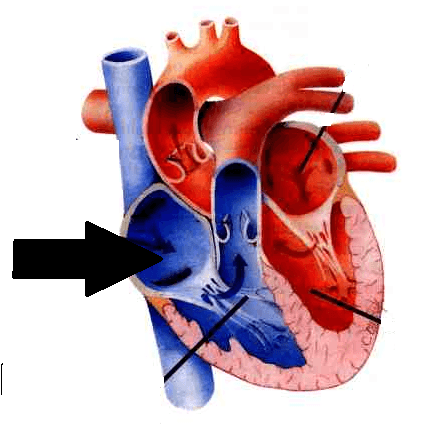
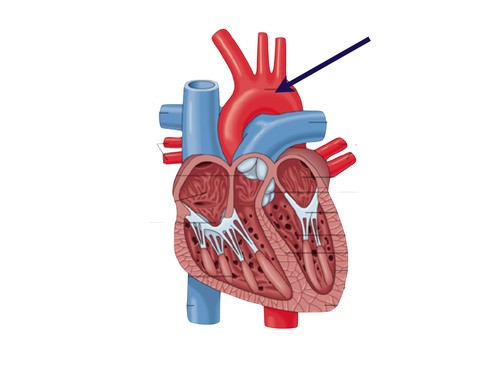
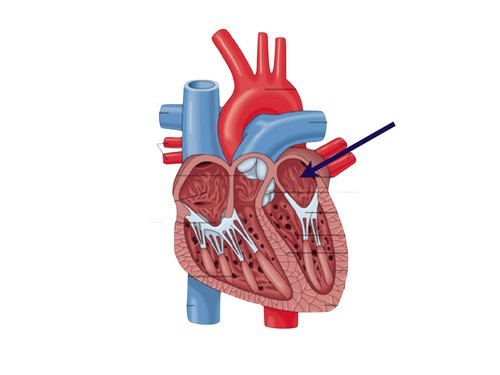
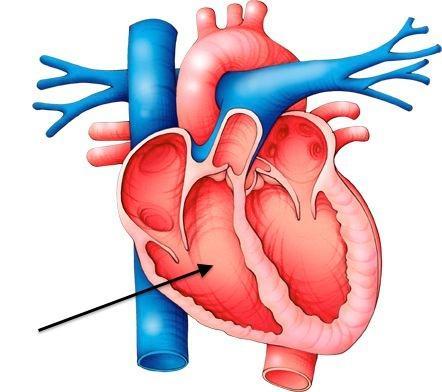
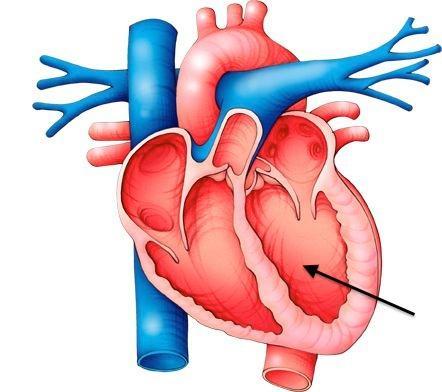
The mammalian heart has ___ chambers.
1
2
3
4
True or false:
Arteries always carry blood away from the heart.
True
False
The blood in the vena cava is...
oxygenated, returning to the heart
deoxygenated, returning to the heart
oxygenated, leaving the heart
deoxygenated, leaving the heart



