Worksheets
Hydrocarbon Naming . Mr Hatem Amin
Total questions: 50
Worksheet time: 46mins

Name this molecule:
Pentanoic acid
Heptanedioic acid
Hexanedioc acid
Hexanoic acid

What is the correct IUPAC name for the Carboxylic Acid shown?
1,1,1-trimethylbutanoic acid
1,1,1-trimethylpentanoic acid
4,4-dimethylbutanoic acid
4,4-dimethylpentanoic acid
The molecular formula of pentanoic acid is
C5H11O2
C5H9O2
C5H10O2
C5H12O2

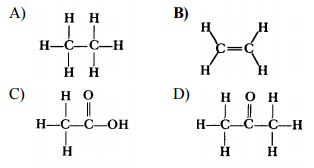
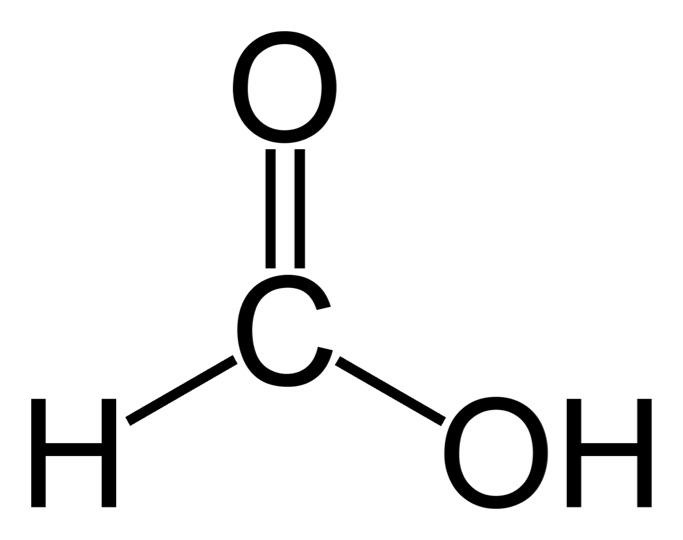
name this diagram:
ethanol
ethanoic acid
methyl methanoate
Formic acid
What is the suffix for carboxylic acids?
-ic acid
-oic acid
-oic
What is the characteristic functional group of carboxylic acids?
Carbonyl
Hydroxyl
Carbon
Carboxyl

Which is the correct IUPAC name of the following compound?
A. 2-hydroxybutanoic acid
B. 3-hydroxybutanoic acid
C. 2-hydroxypropanoic acid
D. 1-carboxypropan-2-ol
Bitumen is used for:
Fuel for large ships and in some power stations
Roof and road surfacing
Fuel in aircraft
Fuel in cars
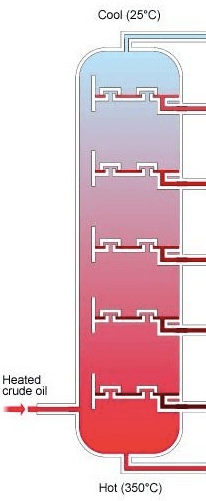
What process happens as the crude oil enters the fractionating column?
Evaporation
Condensation
Combustion

Where do short chain hydrocarbons collect?
At the top
In the middle
At the bottom

Where do long chain hydrocarbons collect?
At the top
In the middle
At the bottom
Diesel oil is used for:
Fuel in cars
Fuel in aircraft
Road and roof surfacing
Fuel in some cars and larger vehicles
Gases/LPG are used for:
Fuel in cars
Fuel for large ships
Roof and road surfacing
Domestic heating and cooking
Shorter hydrocarbons have:
Higher boiling points
Lower boiling points
A fraction of crude oil is made up of:
Hydrocarbons of similar chain lengths
Numbers
Large hydrocarbons
Alkenes only


Where is kerosene mainly used?
In laying down roads
As fuel in jet engines
In making water proof materials
In furnaces of industries
What do fuels combine with to produce heat and light?
Carbon dioxide
Carbon monoxide
Hydrogen
Oxygen
What is the "ending" used in alcohols?
al
ol
oilo
alco

Which of these functional groups is a methyl?
-COOH
-CH3
-PO4-
-SH
Which type of bonding is present within organic molecules?
Covalent bond
Ionic bond
Metallic bond
Hydrogen bond
Which is the carboxyl group?


What functional group is -OH
Hydroxyl
Carboxyl
Amino
Carbonyl Ketone
What is the "ending" or suffix used in naming alcohols?
al
ol
oilo
alco
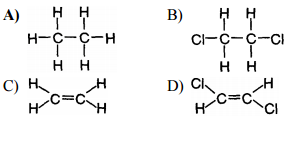
Which compound belongs to the alkene family?
C2H2
C2H4
C6H6
C6H14

What is the name of this compound:
1, 1, 2-trifluoro-bromo-2-chloro-iodoethane
bromo-chloro-fluoro-iodoethane
bromo-chloro-trifluoro-iodoethane
1-bromo-2-chloro-1,1,2-trifluoro-2-iodoethane

What is the correct name for the alkyne shown?
butyne
1-butyne
2-butyne
1-methyl-1-propyne

What is the correct name for the following compound?
3,4-dimethylheptane
4-methyl-5-ethylhexane
3-methyl-4-propylpentane
4,5-dimethylheptane

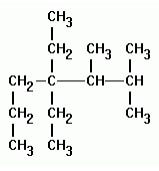

Name the following branched alkane
4-ethyl-4,6-dimethyl-5-propyl nonane
4-ethyl-4,6-dimethyl-5-propyl heptane
6-ethyl-4,6-dimethyl-5-propyl nonane
6-ethyl-4,6-dimethyl-5-propyl heptane
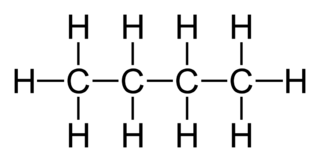
C4H10 is an example of a _________________.
molecular formula
full structural formula
shortened structural formula
ball-and-stick model
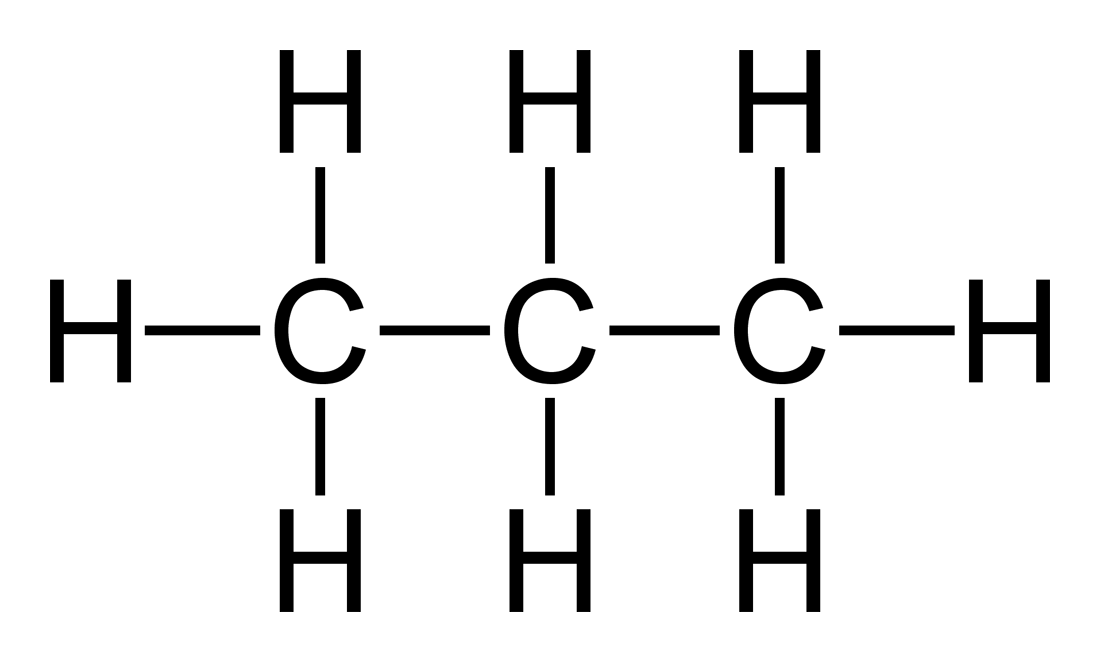
How many chemical bonds can each carbon atom form?
one
two
three
four

What chemical is this? (C5H10)
Pentene
Pentane
Hexane
Heptene