
 Worksheets
EOC Mid Year Review
Total questions: 79
Worksheet time: 1hrs 8mins

What advantages did the Union have over the Confederacy?
Better Generals
Stronger allies
Natives were on their side
More people, more factories and food, more railroads

How did Lincoln abolish slavery in ALL states?
He ordered them free
Congress passed the 13th Amendment
He used the Declaration of Independence. "All Men are Created Equal"
He did nothing

How did the Union hope to damage Confederate trade and transportation during the Civil War? (Anaconda Plan)
By patrolling rivers and the Gulf of Mexico
By attacking railroads
By blockading ports and controlling the Mississippi River
By taking over Southern farms and factories
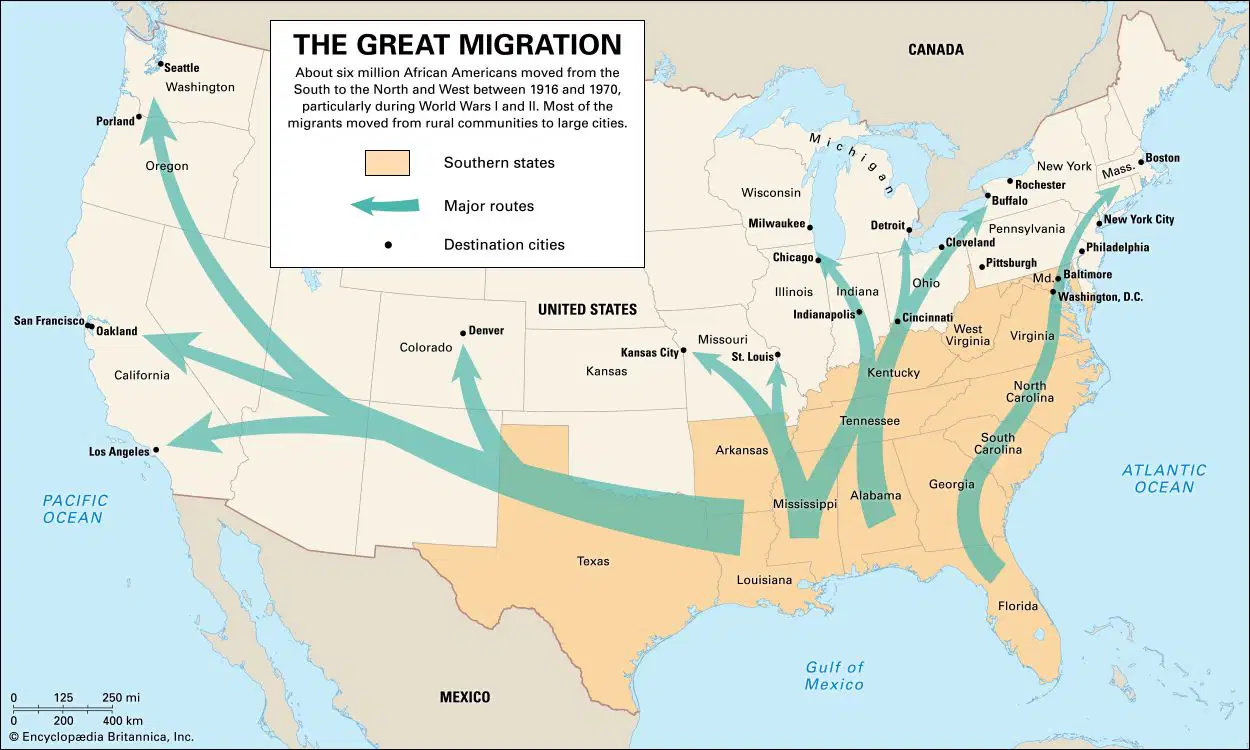
Which statements is MOST true about many African Americans during World War I?
they protested discrimination in the US Army
they let the rural South for jobs in the North
they purchased large numbers of farms in the Midwest
they left the United States for Liberia
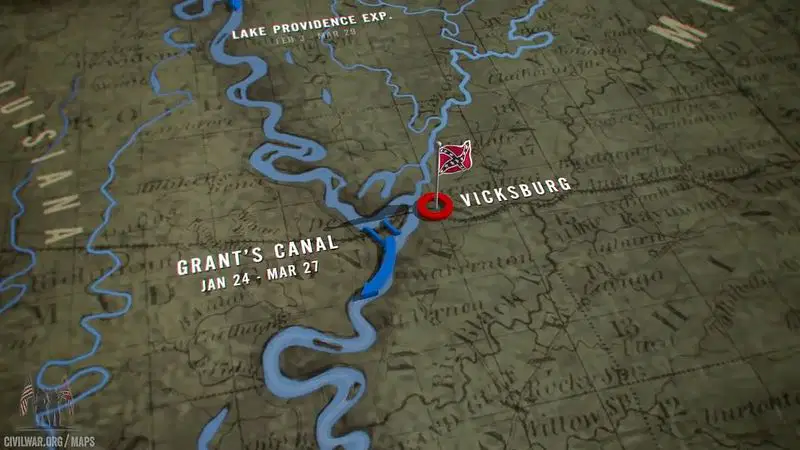
Why was the surrender at Vicksburg crucial to the success of the Union campaign in the West?
It allowed the Union to control the Mississippi River
It allowed the Union to surround the Capital city
It allowed the Union to Blockade important railroads
It allowed the Union to occupy new territories
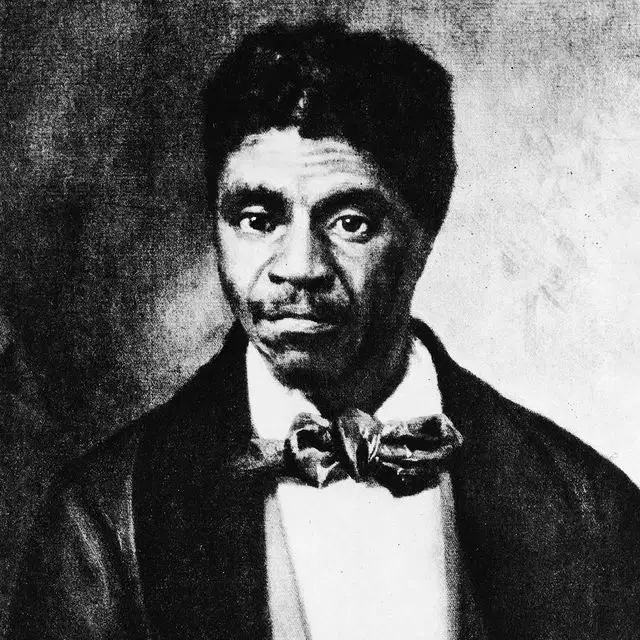
This 1857 ruling declared slaves are property and not citizens therefore they had no rights.

Which battle is considered the turning point of the Civil War? Confederate army had to retreat and will never travel up north again.
Battle of Antietam
Siege of Vickburg
Appomattox Courthouse
Battle of Gettysburg

At which fort did the first hostilities of the Civil War take place? The first shots fired in the Civil War
Fort Wagner
Fort Sumter
Fort Hood
For Warren

This group used fear & violence to prevent African Americans from voting in the South following Reconstruction
Black Codes
Ku Klux Klan
Radical Republicans
Carpetbaggers
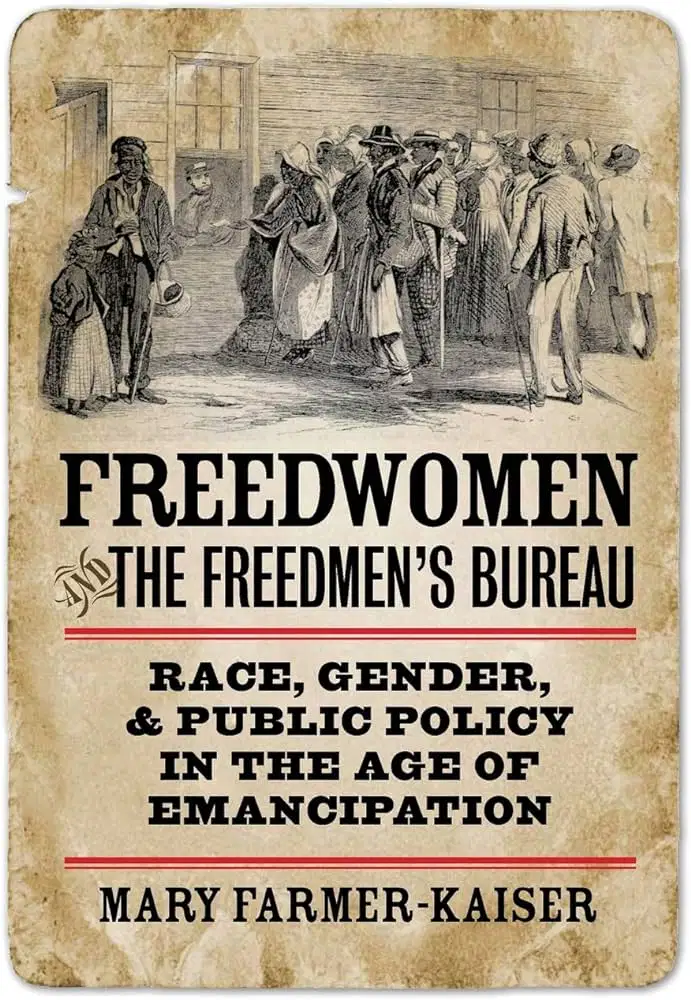
The following group provided aid (help) with education and health to former slaves during Reconstruction.
Black Codes
Carpetbaggers
13th Amendment
Freedmen's Bureau
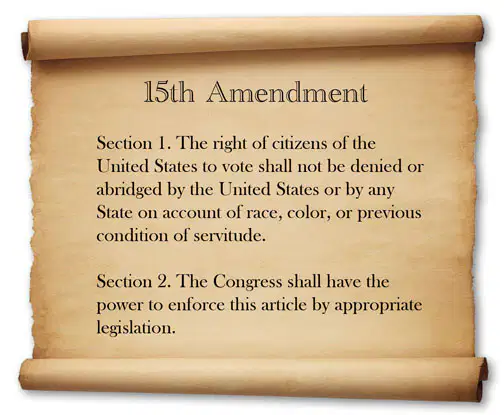
What did the 15th amendment accomplish?
Grants citizenship & equal protection
Right to bear arms
Bans slavery
Guarantees voting rights
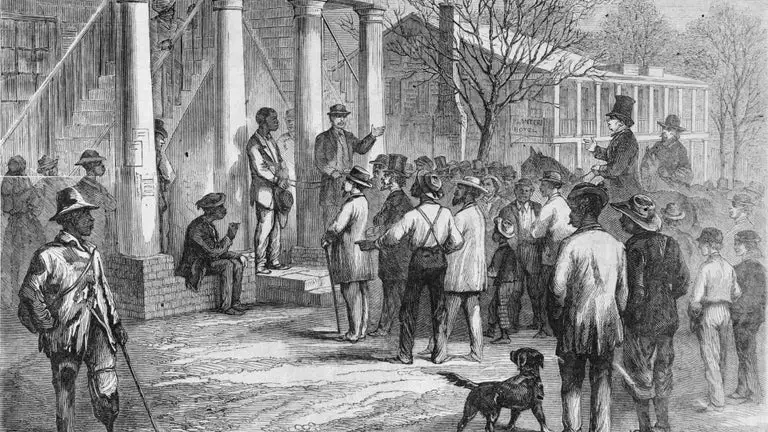
Laws limiting the rights of African Americans passed by Southern governments after the Civil War.
Black Codes
Secede
Sectionalism
Home Front

Why did Southern states pass Black Codes immediately following the Civil War?
to limit the rights of newly freed African Americans
to expand the power of ex-Confederate leaders
to give Southern women voting rights
to jail carpetbaggers

How did sharecropping impact formerly enslaved peoples?
These new agriculture jobs made them rich.
These new agriculture jobs left them in a cycle of debt.
These challenge of securing these coveted jobs led to economic competition.
These new agriculture jobs didn't interest them and freedmen moved North.
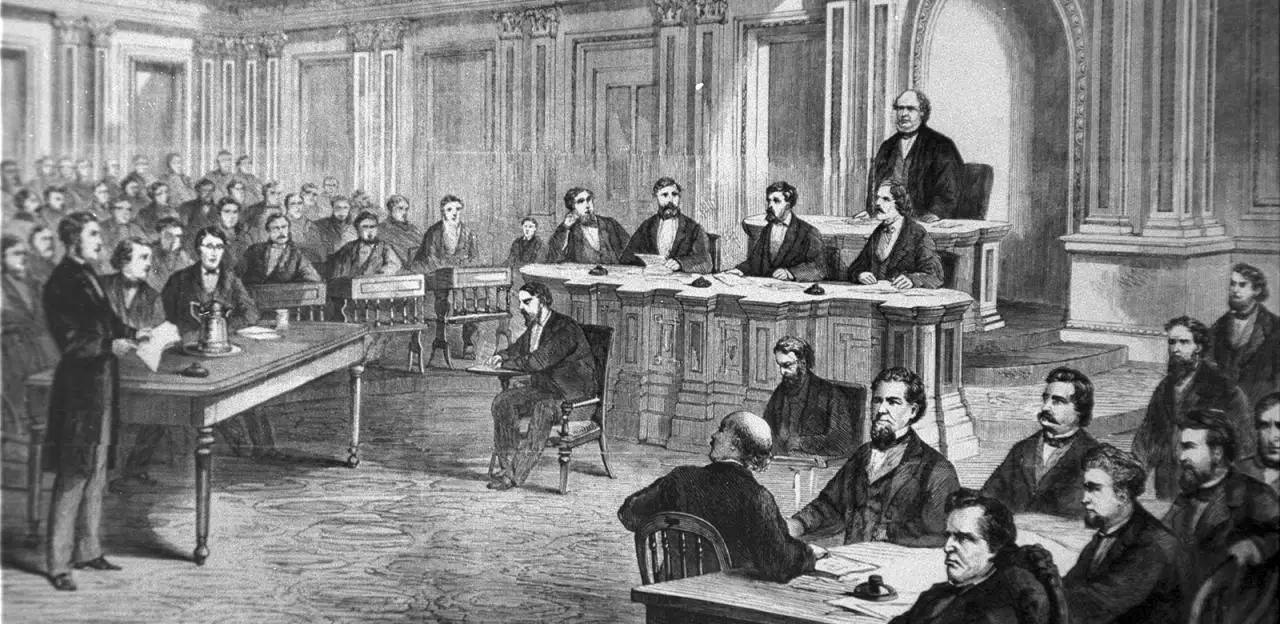
During the Reconstruction Era many Radical Republicans passed legislative reforms that were designed to --
support the passage of the black codes in the former Confederate states
actively resist the Wade-Davis Bill that granted equal rights to African Americans
give economic opportunities and political rights to the newly freed slaves
create lenient measures to make it easy for the southern states to rejoin the Union
Members of the Republican party who believed the Confederacy should be punished for their actions and believed African Americans were entitled to the same political rights and opportunities as whites.
Carpetbagger
Scalawag
Radical Republican
Freedmen

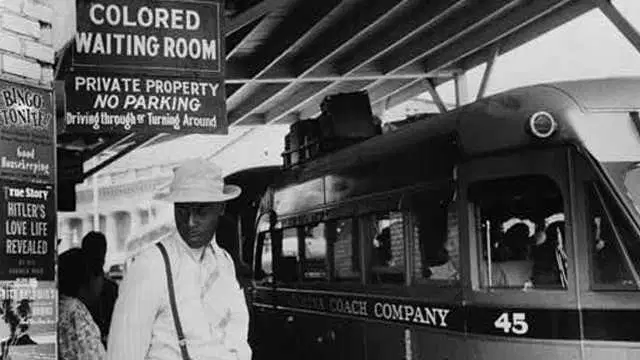
The Plessy v. Ferguson case had what impact on the U.S.?
It legalized Jim Crow (Segregation) Laws throughout the U.S.
It made Jim Crow (Segregation) Laws illegal throughout the U.S.
It created more equality

The Supreme Court case Plessy v. Ferguson said that whites and blacks could be segregated if accommodations were
Hot and Cold
Even and uneven
Separate but equal
Fair and equal

Land or business owner forces a worker to pay off a debt with work. Workers are often unable to re-pay the debt, and find themselves in a continuous work-without-pay cycle.
Carpetbagger
Ku Klux klan
Radical Republican
Debt Peonage
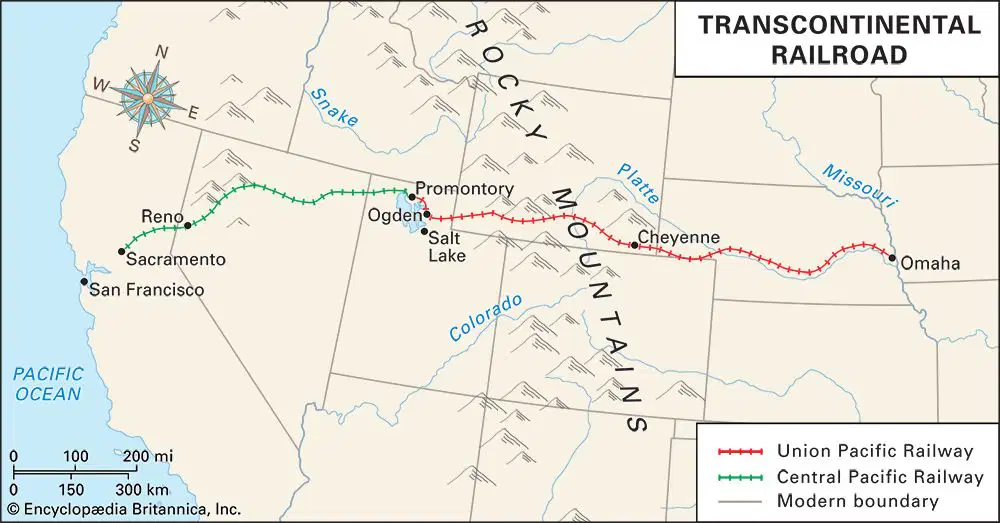
In 1869, the Transcontinental Railroad was finished. It made traveling out west much quicker than ever before.
True
False
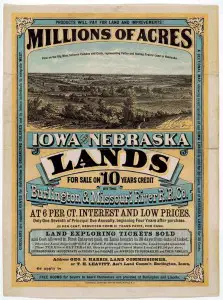
The Homestead Act was when the United States gave away ___________ to settlers.
lumber to build houses
plots of land
seeds to grow crops
wagons to travel out west

Which of the following connected the Eastern US to the Western US?
Erie Canal
Mississippi River
Transcontinental Railroad
Gulf of Mexico
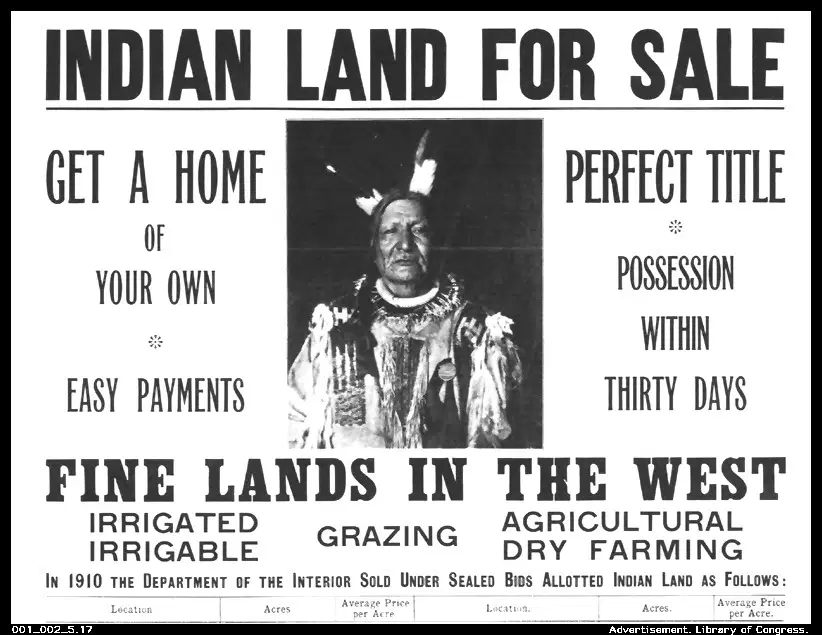
This law was aimed at assimilating Native Americans by offering reservation land on the condition of renouncing their tribes...
The American Indian Citizenship Act
The Homestead Act
The Dawes Act
The Meat Inspection Act
Match the following vocabulary terms with the appropriate image

Assimilation

Nativism

Westward Expansion

Homestead Act

Dawes Act
Economic opportunities (jobs), religious freedom, improved living conditions are all:
Assimilation
Nativism
Push Factors
Pull Factors
Promised settlers cheap land (160 acres) if they settled or improved the land. Increased westward expansion
Homestead Act
Reservation System
Populist Party
Dawes Act

The Progressive Era tried to find change to America's biggest problems through which democratic voting initiative
Voting for President
A Referendum
Impeachment

Represented the farmer and working man. Government ownership of railroads, bimetallism, and direct election of senators.
Populist Party
Reservation System
Dawes Act
Homestead Act
Agricultural overproduction, scarcity of money, high shipping costs, debt, and rural isolation.
Monopoly
Farmers Problems
Pull Factors of Westward Expansion
Cross of Gold Speech
Forced Native American tribes to land with designated boundaries in the west, beginning in the 1850s and ending with the Dawes Act of 1887.
Reservation System
Homestead Act
Dawes Act
Cross of Gold Speech
What was one way workers tried to get better working conditions?
By homesteading on the Great Plains
By joining labor unions
By working for Political bosses
Through better education
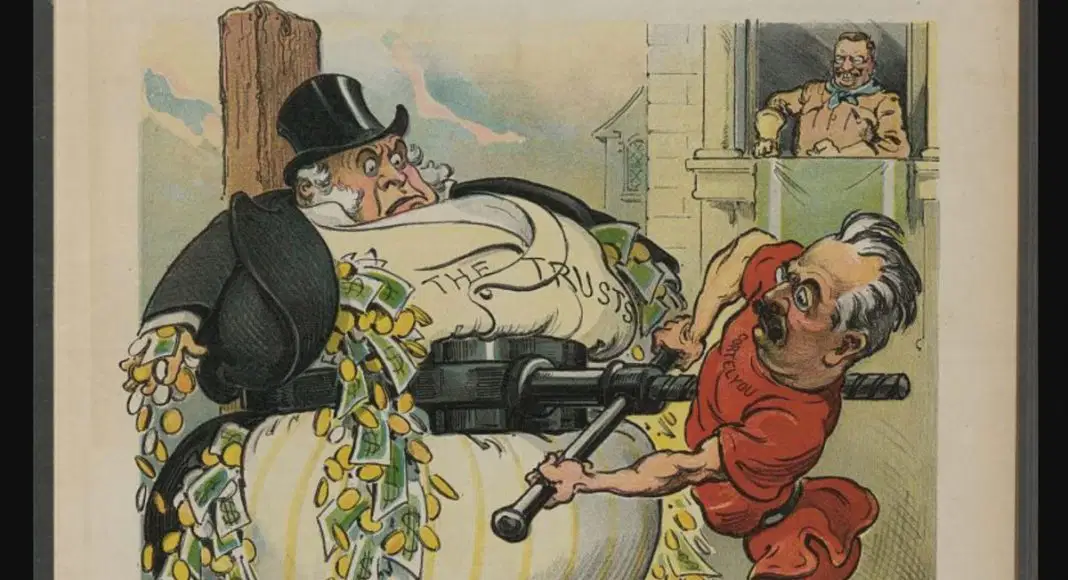
What law was created to prohibit businesses from destroying competition but was used to limit power of labor unions?
Sixteenth Amendment
Pendleton Act
Sherman Antitrust Act
Referendum
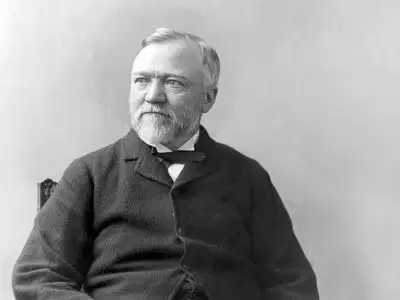
Leader in Steel industry
Morgan
Rockefeller
Carnegie
Vanderbilt

How did this event contribute to the United Sates’ entry into the Spanish-American War?
It led to led to anti-war demonstrations in the United States.
It enraged Cuban Americans in Florida who had lost their relatives.
It became difficult for President McKinley to resist demands to intervene in Cuba.
It revealed that the United States needed to have colonies in the Caribbean.

The map shows shipping routes before and after construction of the Panama Canal. The “Old Route” (dotted line) was before and the “New Route” was afterwards. Based on the map, why did many Americans want to build the Panama Canal?
to increase American trade in Europe
to create a shortcut for commercial and military shipping
to protect U.S. investments in Latin America
to gain control over Colombia and Panama
What was the US "official" stance at the start of the WWI?
Neutrality
Support the Central Powers
Support the Allied Powers
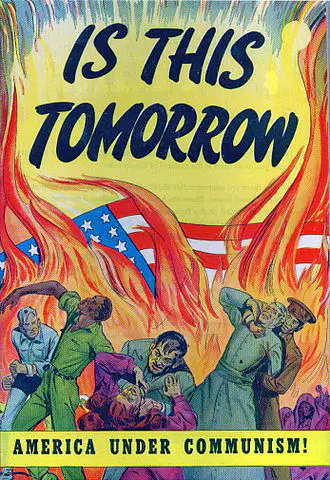
RED SCARE: Limiting the number of immigrants who may enter the US each year.
Quota plan
Quota system
Dawes Sytem
RED SCARE: A fear of communism in the US after the Russian Bolshevik revolution of 1917. This resulted in a nationwide crusade against eastern europeans, and anarchists.
speculation
Palmer Raids
Red scare
Which president said “speak softly and carry a big stick; you will go far.” The U.S. Navy is the “big stick” he is referring to.
Woodrow Wilson
William H. Taft
Teddy Roosevelt
This gave every country equal access to trade with China.
Boxer Rebellion
Open Door Policy
Modernization
Sphere of Influence
That the U.S. would step in if any Western hemisphere nation and their system is imposed.
Roosevelt Corollary
Spanish American War
Monroe Doctrine
Open Door Policy
What event led to the start of the Spanish-American War?
sinking of the USS Maine
sinking of the USS Lusitania
attack on southern Florida by Cuba
the coronation of Liliuokalani
All the following were reasons for US imperialism except:
to develop closer relations with European nations
need for more natural resources
need for new markets to sell goods
fear of running out of land to settle

As a result of the Spanish- American War, the US became a political power in
The Hawaiian Islands
Puerto Rico, Guam, and the Philippines
Samoa
Panama

What is Imperialism?
the authority of a state to govern itself or another state
a policy of extending a country's power and influence through diplomacy or military force
practice of acquiring full or partial political control over another country, occupying it with settlers, and exploiting it economically
None of these.

Alfred Thayer Mahan supported moving the US into a position of power by
increasing funding for the US Air Force
improving relations with US allies
strengthening US naval capacity
bolstering US industrial output
What was the Zimmerman Telegram
A German communication promising not to use U-boats
A German communication encouraging Mexico to side against the U.S.
A German communication promising to recognize American neutrality
A British communication urging the U.S. to enter the war
How did U-boat warfare lead to the U.S. entering WWI?
The U.S. Navy wanted to protect territory in the Pacific
Unrestricted warfare resulted in the sinking of American ships
The U.S. wanted to prevent other countries from getting technologically superior navies
The U.S. wanted German territory for itself
How did the U.S. raise an army for WW1?
The U.S. already had a large standing army.
Asking for volunteers and hiring foreign fighters
Primarily through a draft or conscription
Primarily through asking for volunteers
How did warfare change during WW1?
Armies waged fast, lightning warfare with groundbreaking technology
Armies waged slow, defensive trench warfare due to industrial weapons
Armies met in old-fashioned battles in open fields
Armies used airplanes to bomb the enemy into submission
What treaty ended WW1?
Treaty of Ghent
Treaty of Berlin
Treaty of Versailles
Great Treaty of 1919

FOREIGN POLICY: Laws passed by Congress to ban the sale of arms or loans to nations at war like it did during WWI. This would ensure that we would stay our of future wars.
Kellogg- Briand Pact
Neutrality Acts
Dawes Plan

FOREIGN POLICY: A plan to help the German economy, the United States loans Germany money which then can pay reparations to England and France, who can then pay back their loans to the U.S. This circular flow of money was a success to stimulate global economy.
Dawes Plan
Kellogg- Briand Pact
Quota system
FOREIGN POLICY: International organization founded in 1919 to promote world peace and cooperation but greatly weakened by the refusal of the United States to join and lack of consequences.
League of Nations
Washington Naval Conference
United Nations

FOREIGN POLICY: An efforts to avoid future wars. Delegates were worried about naval arms race and the threat of an expansionist Japan. The Five- Power Treaty, Nine-Power Treaty and the Four-Power Treaty all resulted from this.
Washington Naval Conference
Kellog Brian Pact
Disarmament Conference

RED SCARE: Arrest and deportation of radical leftists, especially anarchists. The arrests mostly only happened to immigrants. This happened during the Red Scare.
Demobilization
Sacco and Vanzetti
Palmer Raids

RED SCARE: Limiting the number of immigrants who may enter the US each year specifically from USSR and Italy.
Quota plan
Quota system
Dawes Sytem

RED SCARE: Were Italian immigrants charged with murdering a guard and robbing a shoe factory. Convicted with little evidence. The men were electrocuted in 1927.
Sacco and Vanzetti
Nicoletti and Gucci
The Palmieri brothers

U.S. ECONOMY: After conflict/war ends soldiers return home and production shifts from war products to consumer products.
Mobilization
speculation
Demobilization

U.S. ECONOMY: paying a small percentage of a stock's price as a down payment and borrowing the rest
buying on margin
buying on credit
Installment Buying

The Hawley-Smoot Tariff was a tax on imports or goods coming into the USA, Foreign countries then placed a tax on American goods coming into their countries….what was the effect of this?
•Europeans didn’t sell things in the USA, We didn’t sell abroad
•US Imports increased
•The USA began spending more on advertising in Asia
•Most people bought luxury goods from Europe because they were so cheap
FDR's plan to get the country out of the Depression was called the...
Great Deal
New Deal
Best Deal
Amazing Deal

These organizations tried to improve working conditions for workers-
Political Bosses
Labor Unions
Political Machines
Farmers

A refusal to work (most successful method)
strikes
lockouts
collective bargaining
black lists

This is a VIOLENT strike between workers and owners at Carnegie's mill. (20% wage cut).
Pullman Strike
Homestead Strike
Haymarket Square
What does "Social Darwinism" mean?
"Survival of the fittest"
"Every man for themself"
"An eye for an eye"
"Fight for your rights"

Based on the excerpt, with which sttement would Steffens agree?
Political machines have corrupted many of America's cities.
City officials are doing a good job at exposing sources of corruption.
Progressive reforms have successfully eliminated most sources of urban corruption.
Americans are no longer willing to tolerate the corrupt practices of political machines.

This New Deal Program set standards for business practices and let companies that followed their rules use the Blue Eagle on their products.
Wagner Act
NRA
REA
HOLC

