
Font size
 Worksheets
Ch 1 & 2- Zombie Brain Quiz
Total questions: 44
Worksheet time: 25mins
Zombie Neural Communication: During a zombie outbreak, how do neurons in the human brain communicate to formulate survival strategies?
Through electrical signals along dendrites
By sending chemical signals across the synaptic cleft
Via direct physical connections between neurons
Using sound waves between different brain regions
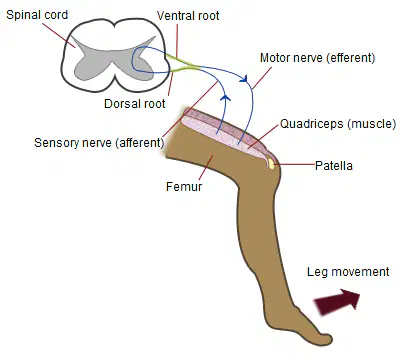
Zombie-Evading Reflexes: In a scenario where you quickly withdraw your hand after touching a zombie, which pathway is responsible for this reflex action?
Sensory neuron → Spinal cord → Motor neuron
Motor neuron → Brain → Sensory neuron
Sensory neuron → Brain → Motor neuron
Motor neuron → Spinal cord → Sensory neuron
Zombie Virus and Blood-Brain Barrier: If a zombie virus were trying to infect the brain, which structure would it have to bypass to succeed?
Meninges
Blood-brain barrier
Cerebral cortex
Ventricular system
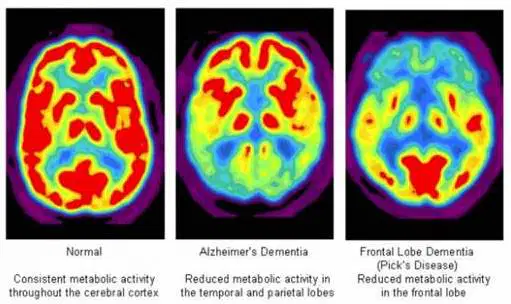
Brain Imaging During a Zombie Apocalypse: To study the brain's response to a zombie attack, which imaging technique would best show brain activity in real-time?
CT scan
MRI
PET scan
X-ray
Zombie Escape and Motor Cortex: In escaping from zombies, which part of the brain is primarily responsible for planning and executing your physical movements?
Prefrontal cortex
Motor cortex
Sensory cortex
Occipital lobe
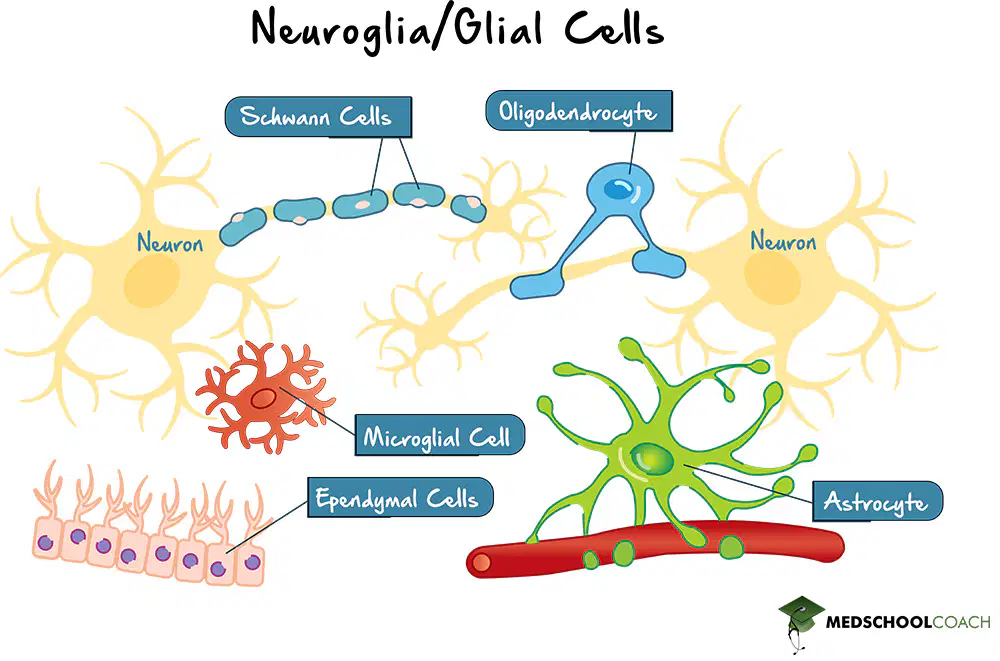
Zombie Infection and Neuron Damage: If a zombie bite leads to neuron damage, which glial cell in the central nervous system would respond first to clean up the debris?
Astrocytes
Oligodendrocytes
Microglia
Schwann cells
Zombies and Sensory Adaptation: In adapting to a world overrun by zombies, which type of sensory adaptation would be most useful for detecting distant zombie moans?
Rapid adaptation
Slow adaptation
No adaptation
Immediate adaptation

Survival Strategy: During a high-stress zombie encounter, which brain structure coordinates the rapid heartbeat and breathing necessary for survival?
Hippocampus
Amygdala
Cerebellum
Thalamus
In a zombie apocalypse, which division of the nervous system activates the 'fight or flight' response?
Central nervous system
Peripheral nervous system
Somatic nervous system
Autonomic nervous system

When facing a horde of zombies, which neurotransmitter is primarily released to increase alertness and prepare for action?
Dopamine
Serotonin
Acetylcholine
Norepinephrine
During a zombie chase, which brain structure ensures that the left and right hemispheres coordinate effectively for quick decision-making?
Thalamus
Hypothalamus
Corpus callosum
Basal ganglia
In the event of a zombie attack, which part of the brain's protective structures would primarily cushion it from physical damage?
Skull
Meninges
Zombie Virus Transmission: If a zombie virus were to spread within the brain, which cellular process would most likely facilitate its movement?
Synaptic transmission
Axonal transport
Dendritic branching
Neurotransmitter uptake
Zombies and Sensory Perception: In a world filled with zombies, which brain region would be most involved in processing the sounds of zombies?
Frontal lobe
Temporal lobe
Parietal lobe
Occipital lobe
Zombie Invasion and Stress Response: During a zombie invasion, which part of the brain regulates the stress response by controlling the adrenal glands?
Cerebellum
Thalamus
Hypothalamus
Amygdala
In a human brain, how might axonal transport be critical for survival during a zombie apocalypse?
By rapidly transmitting zombie virus particles through neurons
By moving essential materials from the cell body to axon terminals
By preventing neurotransmission to infected areas
By transporting zombie-deterring chemicals within neurons
Zombies and Synaptic Transmission: In a world where zombies can disrupt neural communication, which process would be most affected at the synapse?
The movement of zombies between neurons
The release of neurotransmitters from synaptic vesicles
The growth of new dendrites in response to zombies
The physical connection of neurons
Zombies and Sensory Neurons: If a zombie's groan activates sensory neurons, what is the most likely pathway for this signal to reach the brain?
Through interneurons in the spinal cord
Directly to the motor neurons
Via the olfactory bulb
Through the auditory nerve to the auditory cortex
Zombie Outbreak and Nerve Damage: In the event of a zombie bite causing nerve damage, which type of glial cell would be involved in the repair process in the peripheral nervous system?
Astrocytes
Oligodendrocytes
Microglia
Schwann cells
If a zombie attack leads to a brain hemorrhage, which brain support system would be compromised?
The meninges
The blood-brain barrier
The ventricular system
The choroid plexus
Zombie Apocalypse and Neurotransmitters: During a tense zombie confrontation, which neurotransmitter is likely to be released in large quantities in the sympathetic nervous system?
Acetylcholine
Dopamine
Norepinephrine
Serotonin
In a human neuron, what primarily contributes to the negative charge inside the cell compared to the outside?
High concentration of potassium inside, high sodium outside
Equal distribution of sodium and potassium on both sides
Movement of chloride ions into the cell
Excess calcium ions inside the cell
How does electrostatic pressure contribute to neuron function in the human brain, essential for detecting zombies?
Maintaining equal charge distribution across the membrane
Through the attraction of opposite charges across the neuron membrane
By preventing ion movement across the neuron membrane
Ensuring the movement of ions from lower to higher concentration
When developing an anti-zombie serum, what are the typical ion concentrations inside and outside a neuron in a healthy human brain?
High sodium inside, high potassium outside
High potassium inside, high sodium outside
Equal sodium and potassium inside and outside
High chloride outside, high calcium inside
What is the primary function of the sodium-potassium pump in human brain cells during a zombie apocalypse?
Exchanging two sodium ions for three potassium ions
Keeping sodium and potassium levels equal inside and outside the cell
Pumping sodium and potassium ions out of the cell
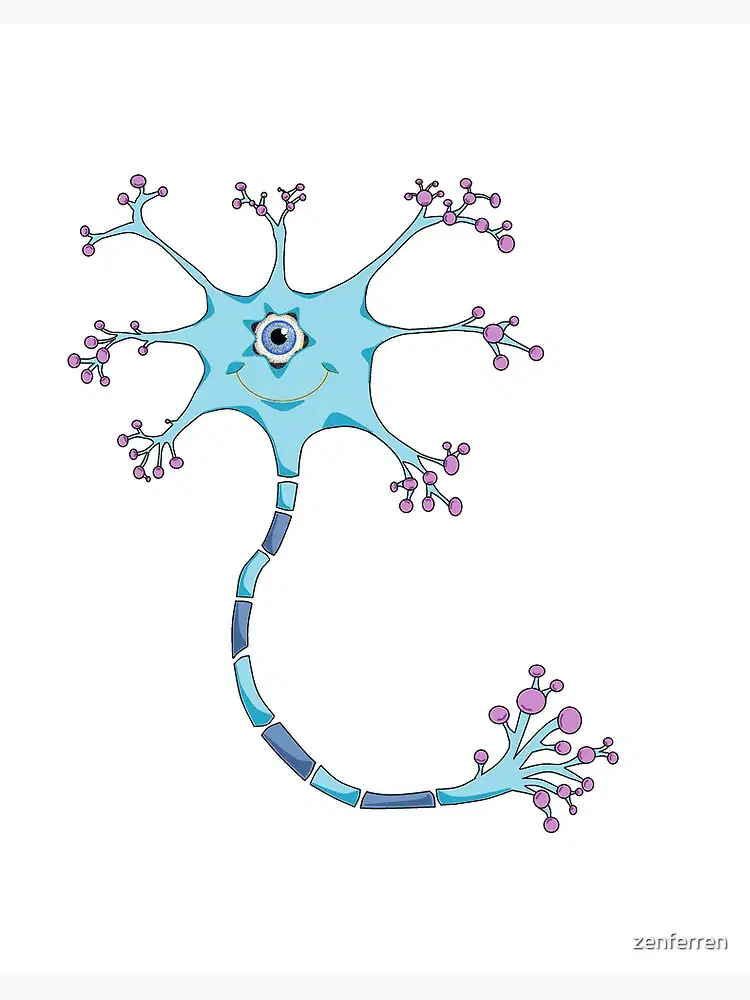
In comparing a zombie's brain to a human's, which forces might be acting abnormally in the zombie's resting membrane potential?
Diffusion and electrostatic pressure
Osmotic pressure and electrostatic pressure
Gravitational force and diffusion
Magnetic field interactions and osmotic pressure
How does the equilibrium potential contribute to the different brain activities of zombies and humans?
It generates electrical impulses in zombies but not in humans
It maintains electrical balance in human neurons, possibly disrupted in zombies
It creates a higher action potential in zombies
It prevents action potentials in both zombies and humans
To effectively target zombies with an anti-zombie agent, where should it be applied to initiate an action potential in human neurons?
Dendritic spines
Axon hillock
Myelin sheath
Node of Ranvier
What is the typical amplitude of an action potential in a human neuron during a zombie outbreak?
70 mV
100 mV
An action potential in a neuron can be likened to which common household fixture?
Light switch
Refrigerator
Toilet
Television
Why would inducing hyperpolarizing stimuli in human brains be a beneficial feature in a zombie-repelling device?
Increases the likelihood of neuron firing
Makes neurons more sensitive to stimuli
Decreases the likelihood of neuron firing
Balances the ion concentration in neurons
In a human neuron, the 'all-or-none' principle of action potentials implies that:
Only certain types of stimuli can initiate an action potential
Once initiated, an action potential always reaches the same amplitude
The size of the action potential is proportional to the size of the stimulus
Neurons can choose when to respond to stimuli based on their intensity
How does the 'all-or-none' property of action potentials in human neurons help in surviving a zombie virus?
Neurons respond variably to different zombie virus strains
Neurons fire at full strength once the threshold is reached, irrespective of the stimulus
Neurons become more sensitive to stimuli during an infection
Afterpotentials in neurons post-action potential could be affected by a zombie virus in what way?
They would disappear completely
They could become more pronounced, affecting neuron recovery time
They would reverse in polarity
They would have no impact on subsequent action potentials
What happens at the peak of an action potential in a healthy neuron not affected by a zombie virus?
Sodium channels open, while potassium channels close
Both sodium and potassium channels close
Sodium channels close, while potassium channels open
Both sodium and potassium channels open
Zombie Virus and Relative Refractory Phase: If a zombie virus affects the relative refractory phase of neurons, how would it change?
The phase would be shorter, allowing faster neuron firing
It would become longer, delaying neuron response
It would disappear, making continuous firing possible
No significant change would occur in neuron function
Anti-Zombie Strategy: Action Potential Generation: In generating an action potential to combat zombies, what role do specific ion channels play?
They randomly open and close, creating unpredictable responses
They open in response to mechanical pressure only
Voltage-gated channels open in response to membrane depolarization
Navigating Zombie Territory: Role of Nodes of Ranvier: In myelinated axons, how are nodes of Ranvier important for conducting signals in a zombie-infested world?
They slow down the signal, allowing more precise movements
They are randomly spaced and have no significant role
They enable faster signal transmission through saltatory conduction
They stop signal transmission at regular intervals for energy conservation
Zombie Escape: Axon Diameter and Conduction Velocity: How does the diameter of an axon affect the conduction velocity of neural signals during a zombie chase?
Larger diameters slow down the signal
Diameter has no effect on velocity
Smaller diameters increase the speed
Larger diameters increase the speed
Zombie Virus and Action Potentials in Dendrites: Why are action potentials generally not propagated along dendrites in humans, even when exposed to a zombie virus?
Dendrites contain too many zombies
Dendrites have few voltage-gated ion channels
Dendrites are only involved in receiving signals
Zombies disrupt the ion channels in dendrites
Myelin and Speed of Conduction in Zombie Scenarios: In the context of a zombie apocalypse, how does myelin increase the speed of conduction in neurons?
By decreasing the axon diameter
By increasing resistance to ionic flow inside the axon
By allowing faster regeneration of action potentials
In a human brain functioning during a zombie outbreak, what form of conduction is characteristic of myelinated axons?
Continuous conduction
Saltatory conduction
Static conduction
Progressive conduction
What is the maximum speed at which the largest-diameter myelinated axons in mammals can conduct action potentials, crucial in outrunning zombies?
Up to 20 m/s
Up to 120 m/s
Up to 200 m/s
Up to 2 m/s
What are your thoughts and feelings about the course so far, including aspects such as the content, teaching methods, pace, and your own engagement and challenges? Feel free to share any specific experiences or suggestions for improvement.

