
 Worksheets
1° Social & Arts Exam B2P2
Total questions: 14
Worksheet time: 1hrs 19mins
Who Were the Mesopotamians?
A Civilization Between Two Rivers
In the fourth millennium BC, the Mesopotamian region was located between the Tigris and Euphrates Rivers. It was a very dry region, but irrigation canals took water to the cities from the main rivers. Their cities were ruled by kings. They usually expanded their territory by conquests or alliances until becoming an empire.
There was a new Babylonian Empire ruled by King Nebuchadnezzar II, who governed in the late seventh century. However, the Mesopotamian civilization came to an end in the sixth century when they were conquered by the Persians.
Select the years when that happened.
The Sumerians lived in the independent cities of Uruk and Ur.
2300 BC
1350 BC
3000 BC
1800 BC
6th century
The King Sargon founded the Akkadian empire
2300 BC
1350 BC
3000 BC
1800 BC
6th century
The first Babylon Empire was established.
2300 BC
1350 BC
3000 BC
1800 BC
6th century
The Assyrians created a series of empires
2300 BC
1350 BC
3000 BC
1800 BC
6th century
The Mesopotamian civilization disappeared.
2300 BC
1350 BC
3000 BC
1800 BC
6th century
In which region was Mesopotamia located in the fourth millennium BC?
Between the Nile and Jordan Rivers
Between the Tigris and Euphrates Rivers
Between the Ganges and Yamuna Rivers
Between the Amazon and Orinoco Rivers
Who typically ruled the Mesopotamian cities?
Emperors
Priests
Kings
Merchants

What Was Life Like in Mesopotamia?
Mesopotamia… An Organized Society!
Mesopotamians had many social classes. The king was the highest authority. His family and the nobles were aristocrats. The priests performed religious rituals. The scribes could read, write, and count. Merchants traded goods with other regions. There were weavers, carpenters, and jewelers. Peasants worked in the fields. Slaves worked for the state, the church, and rich people, and had no rights. Women could buy and sell goods, own property, and work. Aristocratic women could be high priestesses, while poor women lived in terrible conditions.
Mesopotamians were polytheistic, meaning they worshipped many gods that they believed lived in temples on Earth.
The Mesopotamians had magnificent architecture and sculptures, such as stone statues of kings, gods, and animals. They also created reliefs with political and religious scenes. They built magnificent palaces like Dur-Sharrukin and the Ziggurat of Ur out of mud bricks. They invented the arch and vault for construction.

Who held the highest authority in Mesopotamian society?
Priests
Nobles
Scribes
King
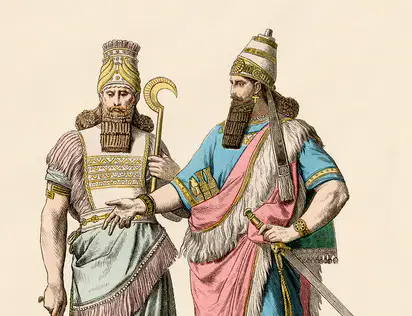
Which social class in Mesopotamia performed religious rituals?
Scribes
Merchants
Priests
Peasants
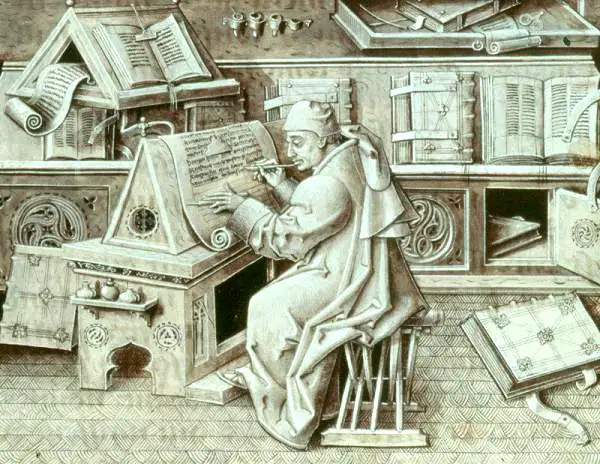
What was the occupation of scribes in Mesopotamian society?
Reading and writing
Trading goods
Working in the fields
Performing religious rituals
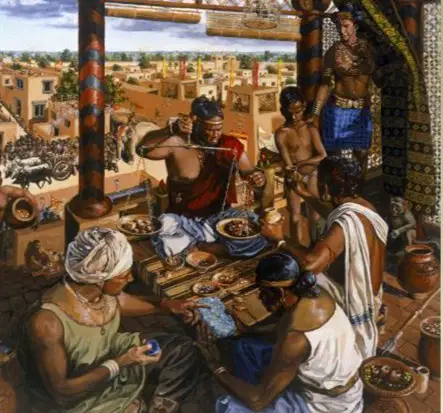
What was the primary occupation of merchants in Mesopotamia?
Performing religious rituals
Trading goods with other regions
Building palaces
Working in the fields
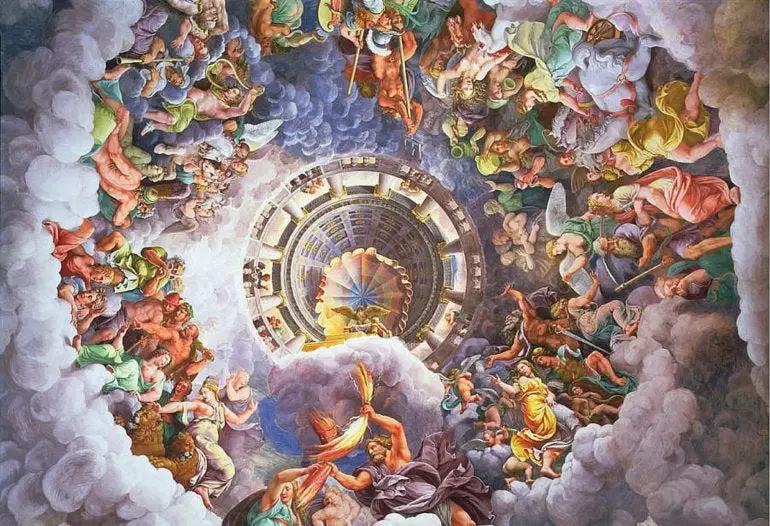
What was the primary religion of Mesopotamians?
Monotheism
Atheism
Polytheism
Agnosticism
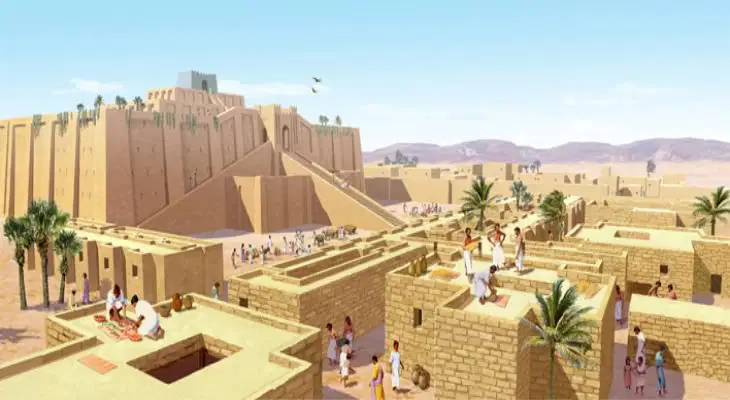
What type of structures did Mesopotamians build using mud bricks?
Pyramids
Palaces
Temples
Aqueducts
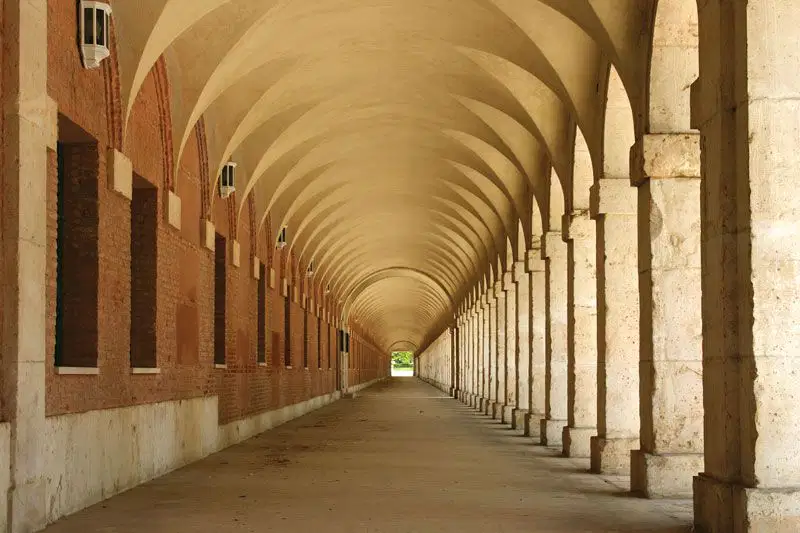
What architectural innovation is credited to Mesopotamians?
The use of steel
The invention of concrete
The arch and vault for constructions
The use of marble

Why Is Ancient Greece so Interesting?
It’s All Greek to Me!
The Greek civilization was divided among an extensive area: on the Balkan Peninsula, on islands in the Mediterranean Sea, and on the coast of Asia Minor. Greece wasn’t a unified country because of this division. Since the land was dry and rocky, the Greeks got their food from the Mediterranean. They were expert sailors who sailed across the sea to trade with other countries.
Each territory had its own government and laws, but they shared the same culture, spoke the same language, and worshipped the same gods.
Greek history is divided into three eras: Archaic (9th to 6th century BC), Classical (5th to mid-4th century), and Hellenistic (mid-4th to 1st century BC). Before the Ancient Greek civilization, there were other civilizations such as Minoan Crete and Mycenae.
The Greek civilization was dispersed across an (a) area, including the Balkan Peninsula, islands in the Mediterranean Sea, and the coast of Asia Minor.
Greece was not a (a) country due to its division across various territories.
The Greeks sourced their food from the (a) Sea because the land was dry and rocky.
The Greeks were skilled (a) who engaged in maritime trade with other nations.
Although each territory had its own government and laws, they shared the same culture, language, and (a) .
Greek history is segmented into three periods: Archaic, Classical, and (a)
Complete Greece’s timeline with information from the text.
mid-4th to 1st century BC
Hellenistic
Archaic
9th to 6th century BC
Classical
5th to mid-4th century BC
What Was Life Like in Ancient Greece?
Ancient Greece
Ancient Greece had an unequal society. It was divided into two groups: citizens and non-citizens. Citizens were men who took part in politics, had full rights, and paid taxes. Non-citizens were not allowed to participate in politics. They were divided into three categories: metics or foreigners, slaves, and women.
Metics were free—they paid taxes and fought in the army, but they couldn’t own any properties. Slaves were not free; they worked in domestic service or in the fields. Women were free or were slaves. They had no political rights. Rich women ran their homes. Poor women worked for the rich or as peasants and sold food in markets.
Ancient Greeks had different types of economic activities: agriculture, long-distance trade, local commerce, and crafts like pottery and textiles. Greeks were polytheistic, meaning they believed in many gods.
What were the two main groups in Ancient Greek society?
What were the criteria for being considered a citizen in Ancient Greece?
How were non-citizens divided in Ancient Greek society?
What were the economic activities prevalent in Ancient Greece?
What was the religious belief system of Ancient Greeks?
Do We Need to Travel the Earth to Leave a Footprint?
Leaving Your Print on Earth
You need food and housing to live, and the earth's natural resources cover these needs. But do you know how much of these resources you consume? This is called an ecological footprint.
An ecological footprint is the measurement of human impact on the planet. This is calculated by adding all the farmlands, pastures, woods, and fishing areas used for producing food, and other products for consuming.
With each passing year, our ecological footprint is causing major damage to the environment. This is why the United Nations established international environmental policies for the following goals:
Protection of spaces with great ecological value.
Prevention of damage by evaluating the environmental impact of human activities.
Recovery of degraded spaces by recycling waste, treating water, etc.
Many countries created environmental agencies to take care of these problems.
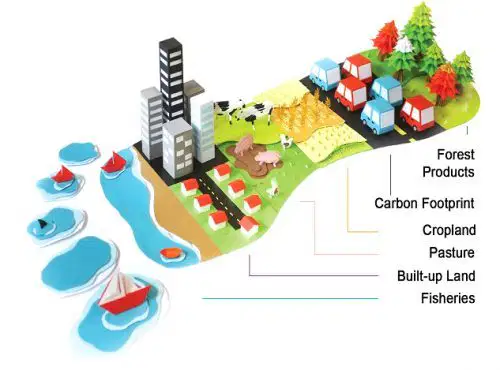
What is an ecological footprint?
The measurement of human impact on the planet
The amount of food consumed by humans
The distance traveled by humans on foot
The footprint left behind by animals
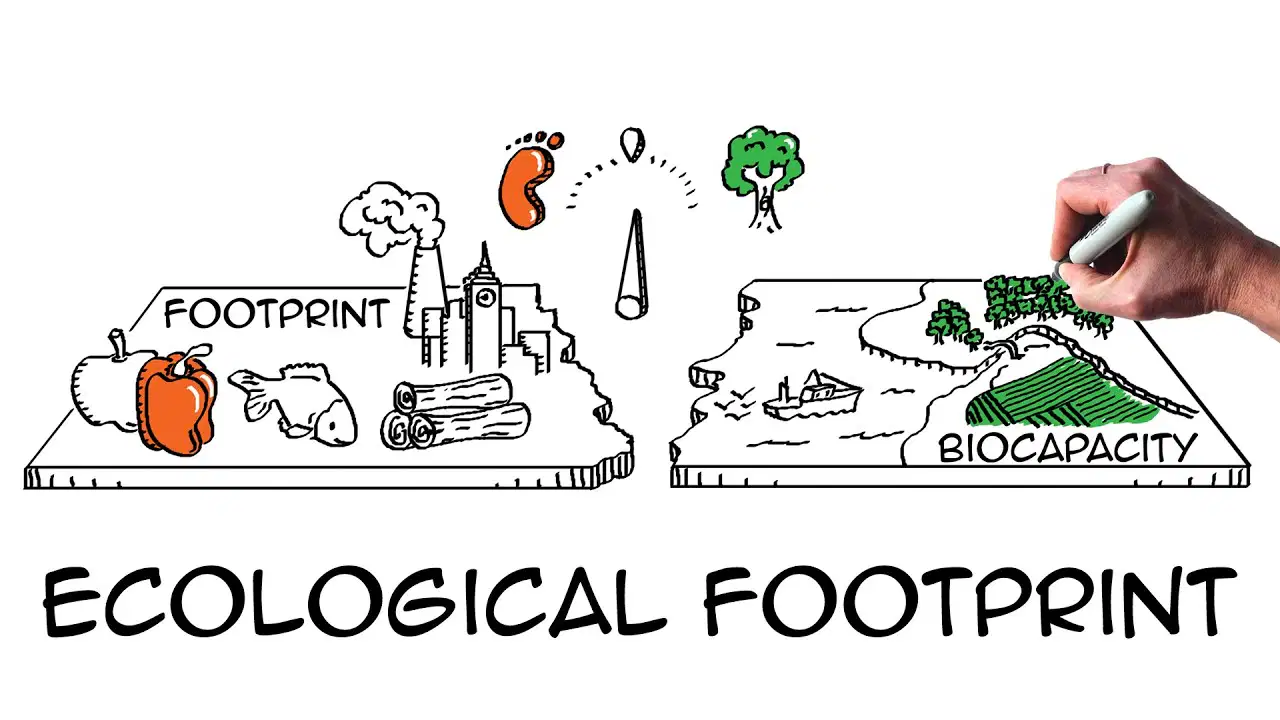
How is an ecological footprint calculated?
By measuring the distance traveled by humans
By adding all the farmlands, pastures, woods, and fishing areas used for producing food and other products
By counting the number of trees in a forest
By estimating the number of animals in a particular habitat
What is the consequence of an increasing ecological footprint?
Improvement in environmental quality
Major damage to the environment
Decrease in human population
Expansion of natural habitats
Why did the United Nations establish international environmental policies?
To promote industrialization
To address the issue of increasing ecological footprints
To protect endangered species
To encourage deforestation
What are the goals of international environmental policies established by the United Nations?
Promotion of pollution
Destruction of ecosystems
Protection of spaces with great ecological value, prevention of damage by evaluating environmental impact, and recovery of degraded spaces
Exploitation of natural resources
Why Are There Different Types of Drawings?
Drawings
Drawing is a part of human life. Since ancient times, it has been a way of expressing and communicating. Think of how drawing has evolved from the primitive drawings in a cave to the sophisticated digital drawings of today. Different types of drawings are classified by their technique and use.
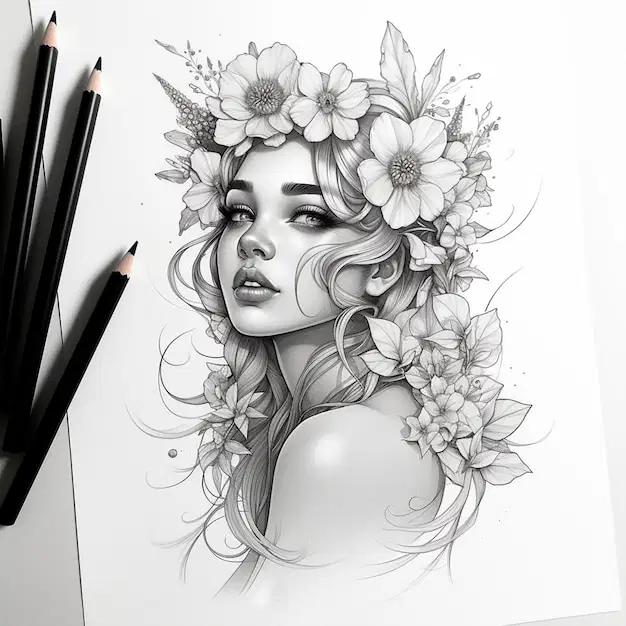
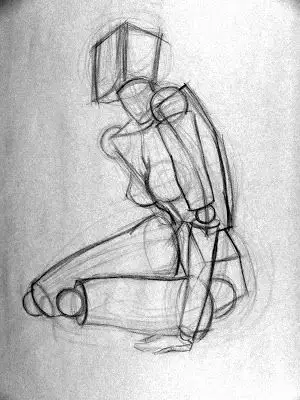
Artistic: used to express personal, social, philosophical, and aesthetic ideas; or emotions, feelings, and sensations
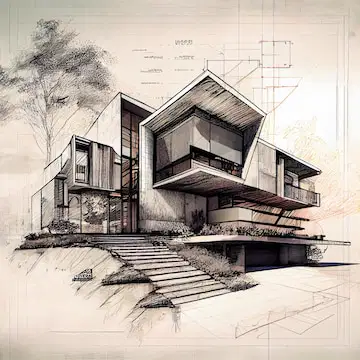
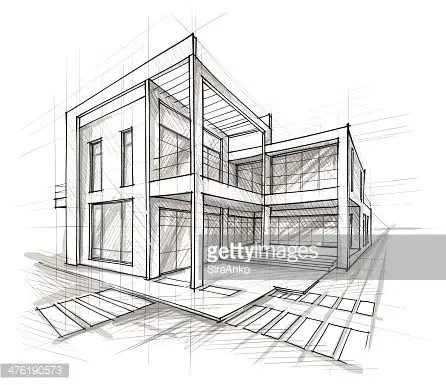
Architectural: used to sketch any type of construction: houses, buildings, churches, etc.
Geometric: uses geometric forms such as circles, rectangles, and triangles to structure a drawing
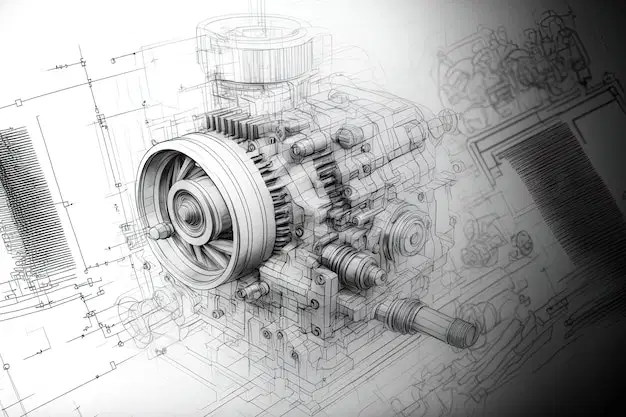
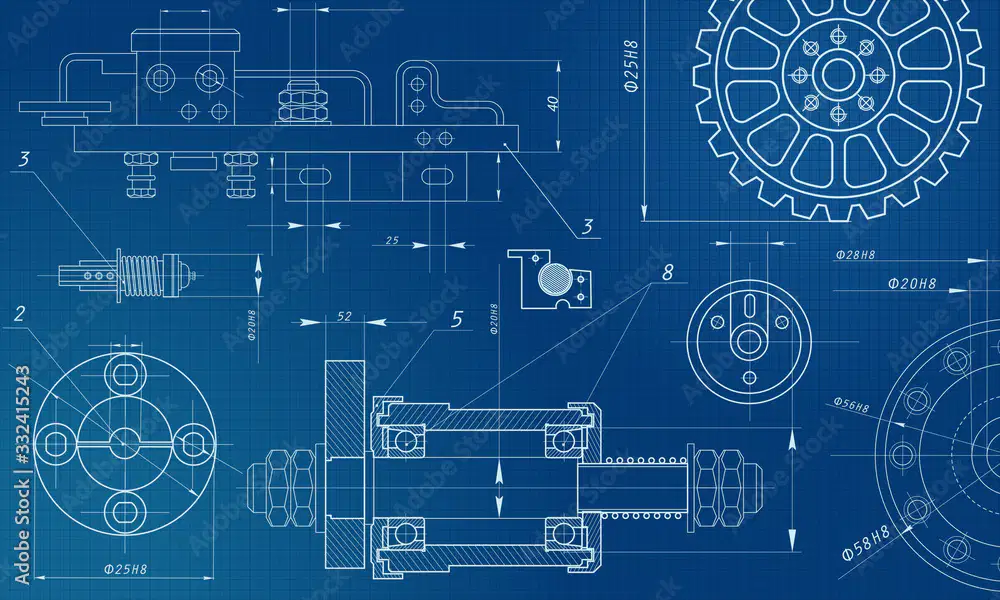
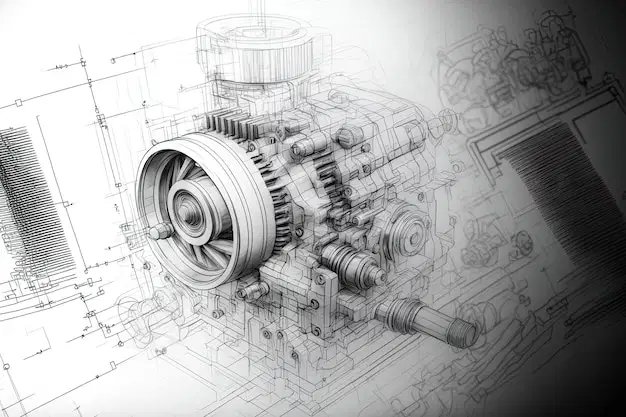
Mechanical: used to draw a machine to represent all of its parts and to see where each one will work
Technical: used to represent objects inside a machine in a precise manner to see how they might work
What is drawing considered to be since ancient times?
An obsolete form of communication
A way of expressing and communicating
A modern invention
A tool for entertainment only
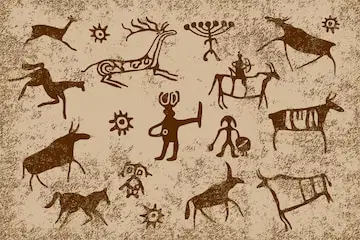
How has drawing evolved over time?
From digital drawings to primitive cave drawings
From sophisticated digital drawings to primitive cave drawings
From sophisticated digital drawings to modern digital drawings
From primitive cave drawings to sophisticated digital drawings
How are different types of drawings classified?
By their color scheme
By their subject matter
By their technique and use
By their size and shape
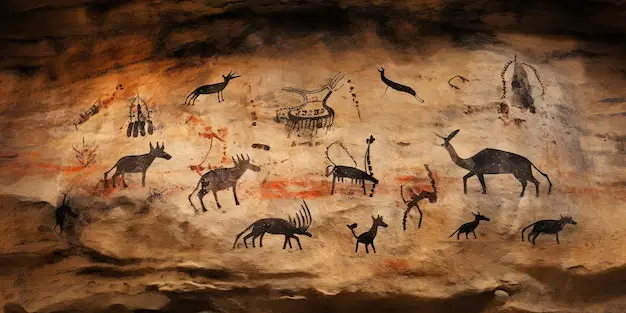
How has drawing evolved over time?
From digital drawings to primitive cave drawings
From sophisticated digital drawings to primitive cave drawings
From sophisticated digital drawings to modern digital drawings
From primitive cave drawings to sophisticated digital drawings
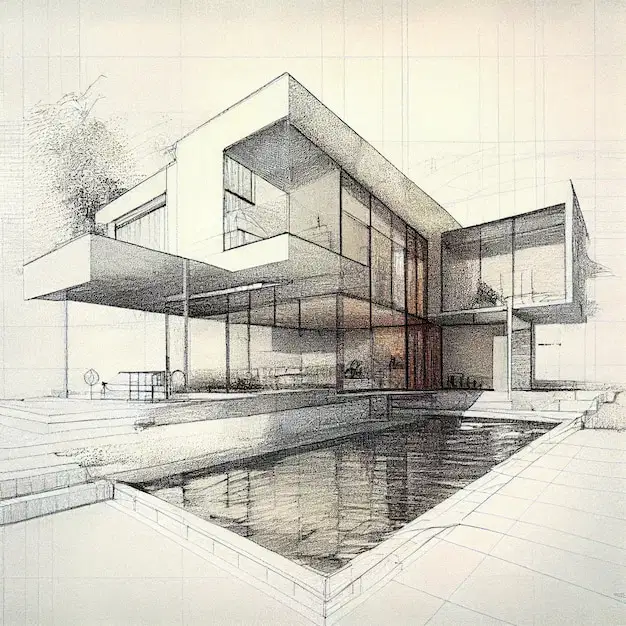
What is architectural drawing used for?
Expressing personal ideas
Sketching landscapes
Sketching any type of construction
Sketching animals
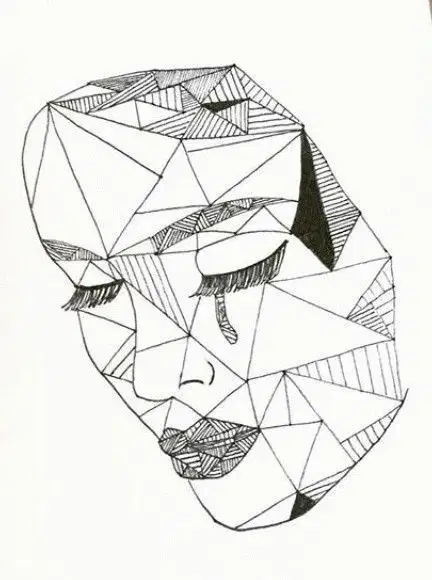
What type of drawing uses geometric forms such as circles, rectangles, and triangles?
Artistic drawing
Mechanical drawing
Architectural drawing
Geometric drawing
What is the purpose of technical drawing?
To express personal ideas
To represent objects inside a machine in a precise manner
To sketch landscapes
To draw emotions and feelings
Organize the type of drawings into the right categories


What Is a Technique?
Painting Techniques
You are ready to paint, but you don’t know where and how to start. You have your canvas or paper, watercolors, brushes, and palette. What techniques can you use while painting with watercolors?
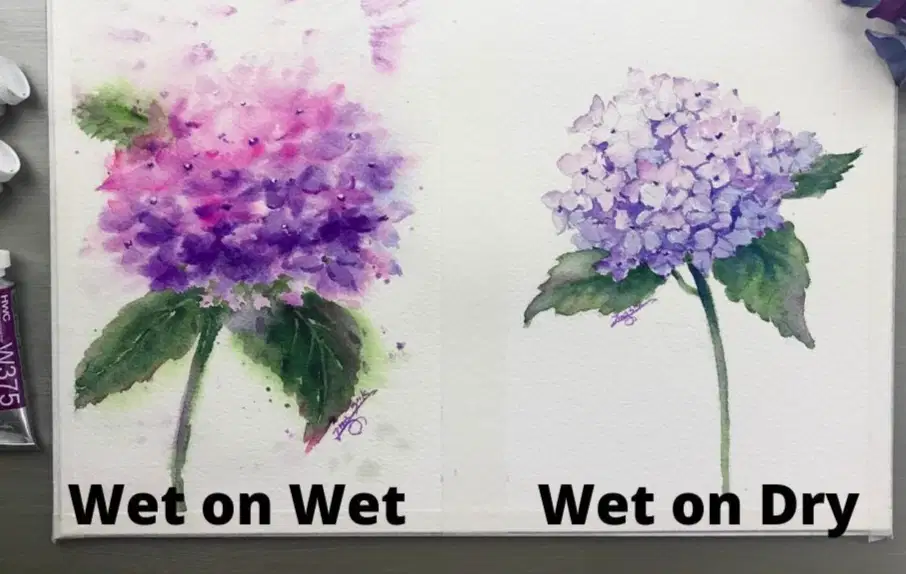
There are two techniques: wet-on-wet and wet-on-dry. You’re probably thinking: what does that mean?
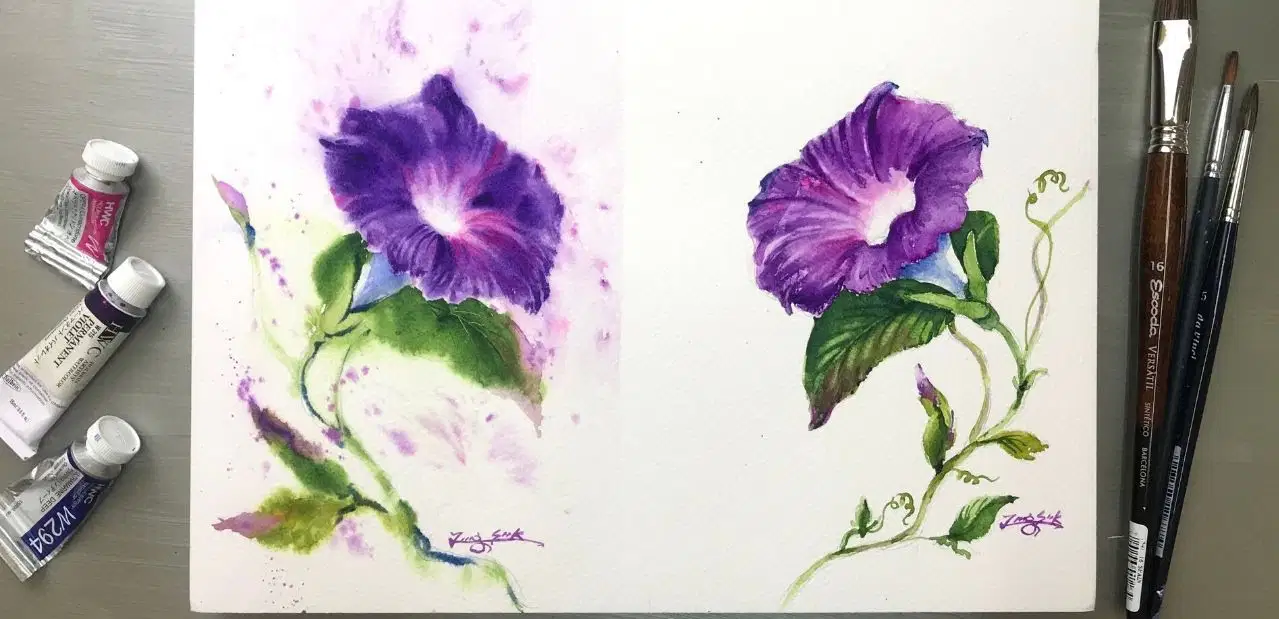
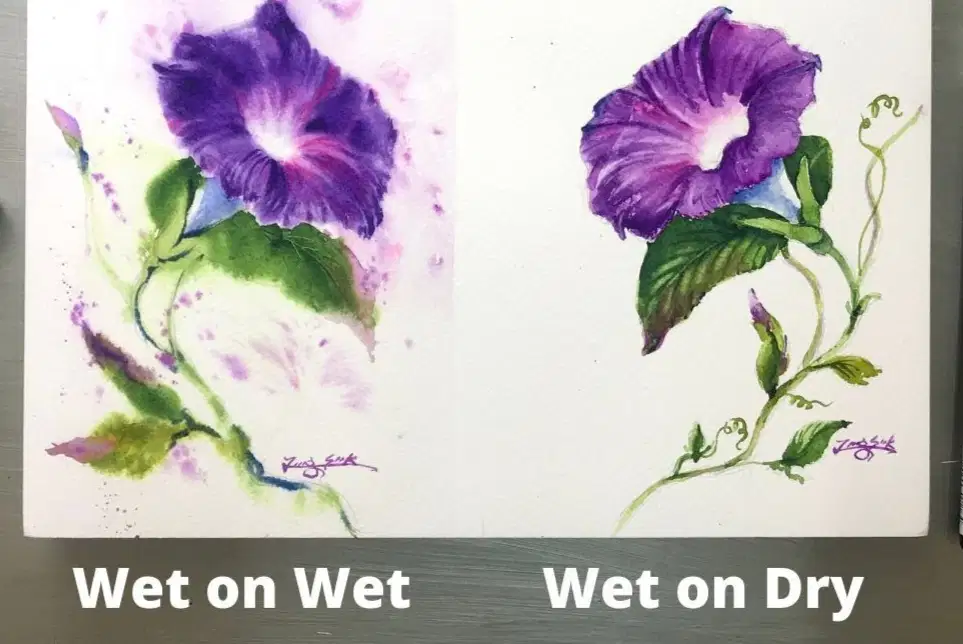
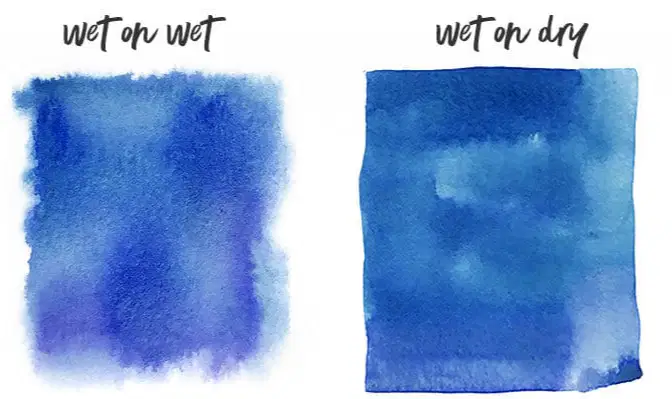
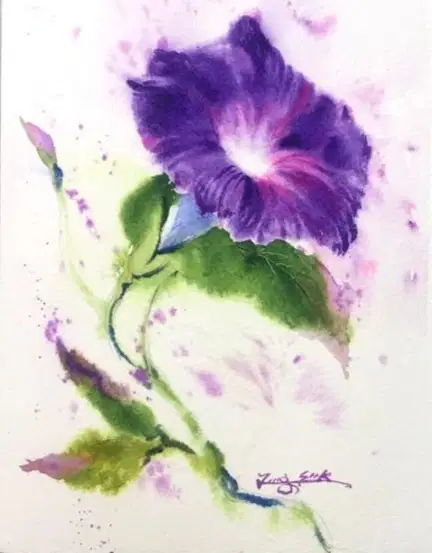
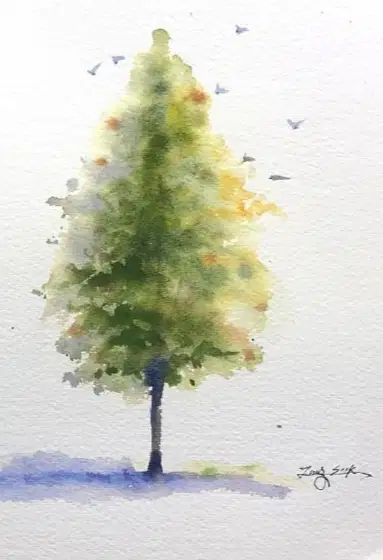
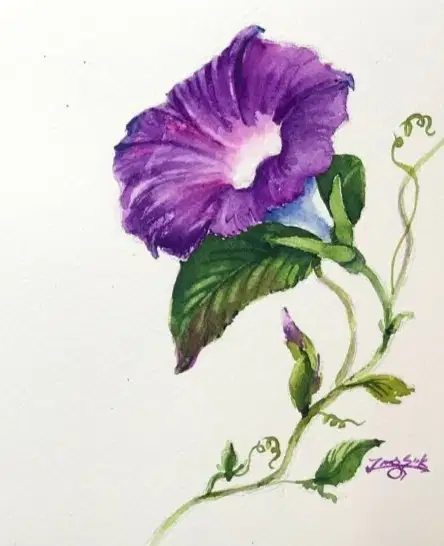
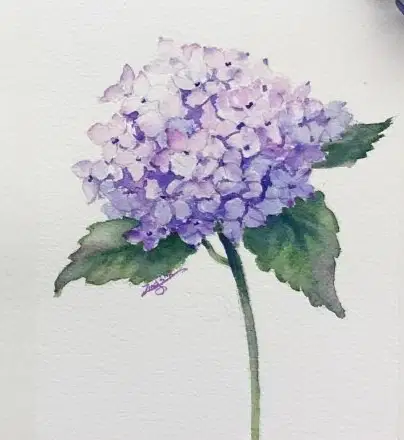
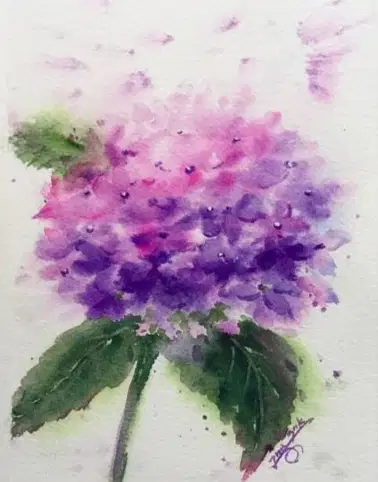
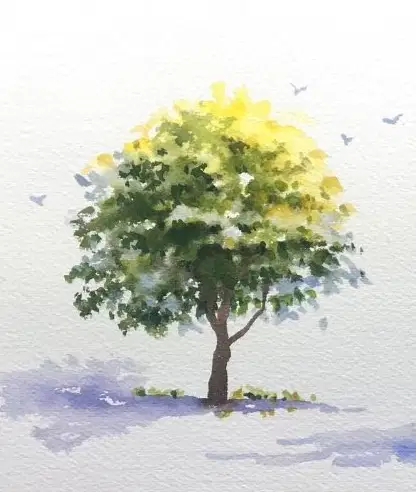
Wet-on-wet is a technique used by applying wet paint onto wet paper so the colors can blend and get smooth edges in your paintings.
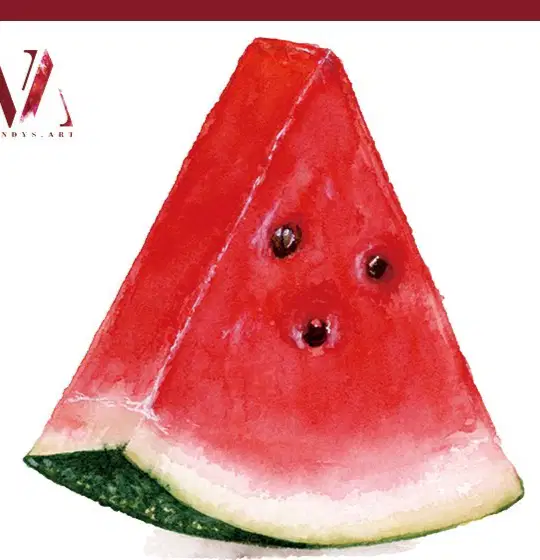
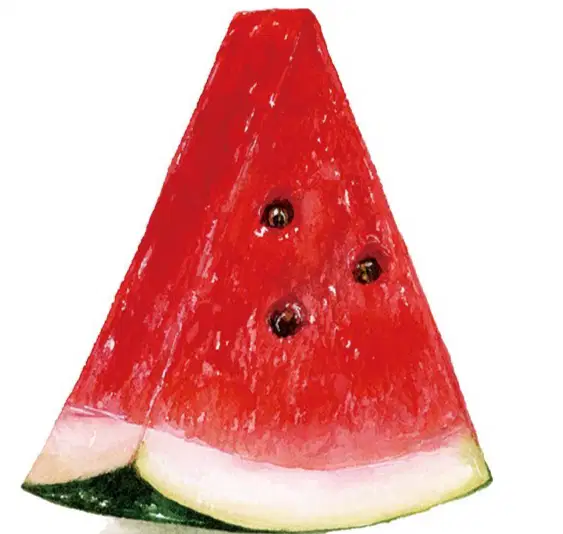
The wet-on-dry technique is when you apply wet paint onto dry paper. This technique gives sharp edges to shapes.
Have you ever tried any of these techniques or seen them on any painting?
Next time you go to a museum, see if you can identify which paintings on display were created using these techniques.
What are the two techniques discussed for painting with watercolors?
Wet-on-wet and dry-on-dry
Dry-on-wet and wet-on-dry
Wet-on-wet and wet-on-dry
Dry-on-wet and dry-on-dry

What is the wet-on-wet technique in watercolor painting?
Applying wet paint onto dry paper
Applying dry paint onto wet paper
Applying wet paint onto wet paper
Applying dry paint onto dry paper
What effect does the wet-on-wet technique create in watercolor painting?
Sharp edges
Smooth edges
Blurred edges
Textured edges
What is the wet-on-dry technique in watercolor painting?
Applying wet paint onto dry paper
Applying dry paint onto wet paper
Applying wet paint onto wet paper
Applying dry paint onto dry paper
What effect does the wet-on-dry technique create in watercolor painting?
Smooth edges
Blurred edges
Sharp edges
Textured edges


What Is There to Making a Drawing?
It’s Time to Draw!
You previously read about wet-on-wet and wet-on-dry techniques. Now, it’s your turn to make your own work of art by yourself.
Pick the drawing you want to create: a face, a warehouse, a street, a geometric figure, or anything that attracts your attention. Once you’ve decided, identify the type of drawing you want to make.
Choose which technique suits you best and the materials you need. For example, wet-on-dry requires painting over dry paint.
Trace a sketch of your drawing. Decide where the light will come from and which parts your drawing will have to reflect volume.
Sketch out figures without putting any attention to detail. Make sure your drawing is even. Begin to define volume with shade.
To get more texture in your drawing, use different traces. To finish, reinforce shading and check any details you can.
How would you decide which technique is best suited for your drawing?
What are some steps you can take to ensure your drawing has volume and depth?
How can you add texture to your drawing, according to the text?
Do We Paint with Oil or with Water?
Water-based Paintings
There is a wide range of paintings, and one kind of them is called water-based painting. These are the most common types:
Watercolor is the process of painting with pigments mixed with water. Watercolor artists work on paper. It can be used with wet-on-wet and wet-on-dry techniques.
Tempera is a powder pigment combined with egg, honey, or milk, and then mixed with water. Tempera artists work on board. These paintings were more popular in the Medieval and Early Renaissance eras.
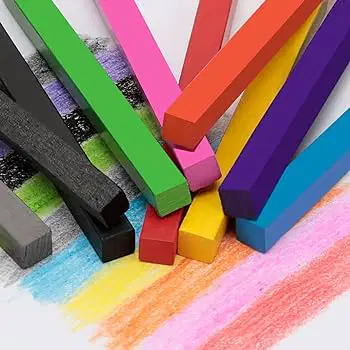
Pastel is a paste made of color pigments mixed with water, rolled, and pressed into sticks. It’s used on paper, sandboard, and canvas.
Acrylic is a paint that is soluble in water. It’s water-resistant when dry.

Which painting type uses powder pigment combined with egg, honey, or milk?
Watercolor
Pastel
Acrylic
Tempera
When were tempera paintings more popular?
Renaissance era
Baroque era
Medieval and Early Renaissance eras
Modern era
What is pastel made of?
Powder pigment mixed with water
Pigments mixed with egg
A paste made of color pigments mixed with water
Rolled and pressed sticks of color pigments mixed with water

Which type of paint is water-resistant when dry?
Tempera
Pastel
Acrylic
Watercolor
What’s the Diference Between Oil and Solid?
Solid and Oil-based Paintings
There are many types of mediums used for paintings: pastel, acrylic, watercolor, encaustic, tempera, enamel, ink, oil, and solid color. In this text, you will learn about oil and solid color paintings.
Oil paintings have a glossy, shiny texture. Usually, a painter uses different oils in the same painting, depending on the effect that the painter wants to give it. The combination of many hues makes the painting colorful.
Solid paintings have a matte finish. Usually, the artist uses one solid color to paint an object within the picture. The combination results are colorful, too, but these colors don’t mix like in oil paintings.
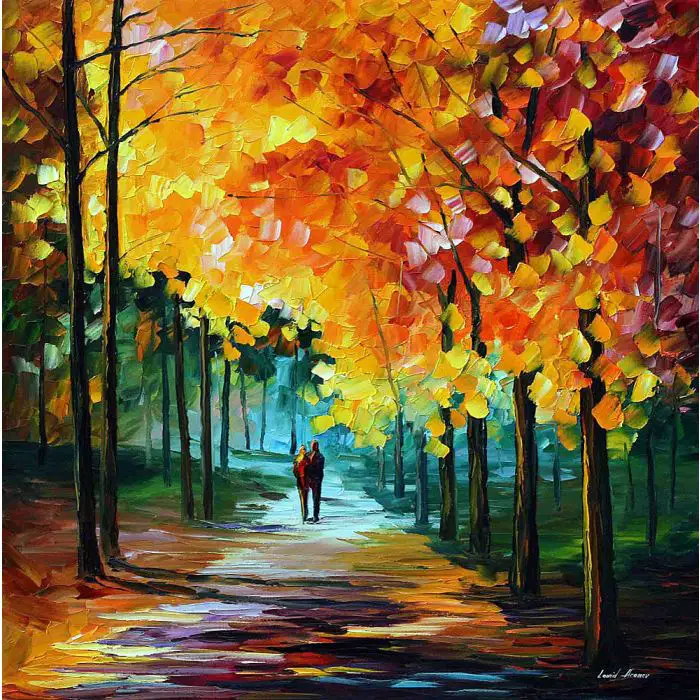
What is a characteristic of oil paintings?
Matte finish
Limited color choices
Glossy, shiny texture
Solid colors only
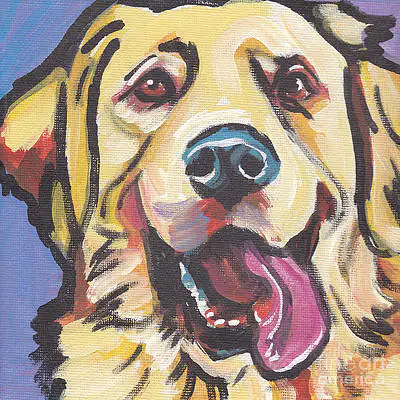
How do solid paintings differ from oil paintings?
They have a matte finish
They use various oils for blending
They have a glossy texture
They allow for color mixing on the canvas


Have a glossy, shiny texture.
Various oils are used, allowing for blending hues.
Colors can be mixed on the canvas.
Offer a vibrant and colorful appearance.
Have a matte finish.
Typically use one solid color for objects.
Colors don't mix; each object is painted a solid color.
Result in colorful images, but without color blending.

