
 Worksheets
Basic Philosophy
Total questions: 19
Worksheet time: 10mins
Who is considered the father of existentialism?
Friedrich Nietzsche
Søren Kierkegaard
Jean-Paul Sartre
Albert Camus
Which existentialist philosopher wrote "Being and Nothingness"?
Martin Heidegger
Jean-Paul Sartre
Friedrich Nietzsche
Simone de Beauvoir
"Existence precedes essence" is a principle most closely associated with which philosopher?
Friedrich Nietzsche
Jean-Paul Sartre
Søren Kierkegaard
Albert Camus
Which existentialist philosopher famously declared "God is dead"?
Jean-Paul Sartre
Søren Kierkegaard
Friedrich Nietzsche
Martin Heidegger
Which philosopher is known for the concept of "the Absurd"?
Søren Kierkegaard
Friedrich Nietzsche
Jean-Paul Sartre
Albert Camus
"Thus Spoke Zarathustra" was written by which existentialist philosopher?
Jean-Paul Sartre
Friedrich Nietzsche
Albert Camus
Martin Heidegger
This is a loose chronological term applied to the Greek Philosophers who lived before Socrates
Post-Socratics
Pre-Socratics
Platonists
Ante-Socratics
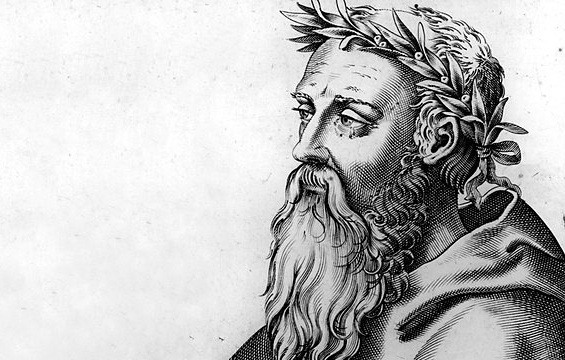
He is famous for the quote "you cannot step in the same river twice."
Aristotle
Heraclitus
Meno
Theano

According to Plato, what is truly real is not the objects we encounter in sensory experience but, rather, ___________, and these can only be grasped intellectually.
Patterns
Archetypes
Meanings
Forms
Who coined the phrase "Cogito, ergo sum"?
Aristotle
Socrates
Blaise Pascal
Who proposed the Evil Demon Thought Experiment?
René Descartes
Frank Jackson
John Searle
Alan Turing
Who created the theory of elliptical orbits for planets?
Newton
Copernicus
Kepler
Galileo
Which were caused by the Scientific Revolution?
the belief that the earth was an unmoving object at the center of the universe
Enlightenment thinking and the use of reason to think about the world around them
the belief in Superman.
the belief that the ancient thinkers were right all along.

Who did Aristotle tutor?
Your mom
Alexander the Great
Miky
Bob
i don't know


The thesis that human thought, choices, and actions are, without exception, causally determined by prior events.
Libertarianism
Hard Determinism
Compatibilism
Dualism
The principle of simplicity
Ockham's Razor
Multiple Realizability
Qualia
Monism

