wayground logo

Free Printable Worksheets

Font size

S
M
L
XL
Worksheets

Ethics - Finals

Total questions: 99

Worksheet time: 51mins

Name
Class
Date
1.

Is Business ethics in business refers to the moral principles and values that guide the behavior of individuals and organizations in business world.

a)

true

b)

maybe

c)

false

2.

It refers to making ethical decisions and conducting business activities in a manner that aligns with principles such as honesty, integrity, fairness, and accountability.

a)

Ethical business practices

b)

Corrupt business practices

c)

Immoral business practices

d)

Unethical business practices

3.

Theoretical frameworks in business is a conceptual structure or model that provides a foundation for understanding and analyzing various aspects of a business phenomenon.

a)

true

b)

maybe

c)

false

d)

not all the time

4.

It is an ethical theory that posits the moral rightness of an action based on adherence to a set of predetermined rules or principles, irrespective of the consequences

a)
Deontological
b)
Relativist
c)
Consequentialist
d)
Utilitarian
5.

It is a set of interrelated concepts, definitions, and propositions that presents a systematic view of relationships among variables

a)
Hypothesis
b)
Experiment
c)
Conclusion
d)
Theory
6.

What impact does ethical behavior have on investor confidence?

a)

Decreases investor confidence

b)

Has no impact on investor confidence

c)

Increases investor confidence

d)

Causes investor uncertainty

7.

What do you mean by global connectivity?
a)
Regional disconnection
b)
Local isolation
c)
Interconnectedness on a global scale
d)
National segregation
8.

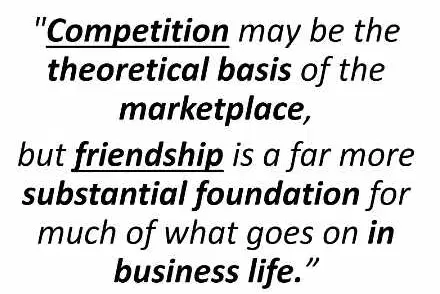
Who is known for saying this?

a)

Abraham Lincoln

b)

William Shakespeare

c)

Robert Solomon

d)

Albert Einstein

9.

Unethical practices in the pharmaceutical industry can lead to reputational damage that transcends borders.

a)

true

b)

maybe

c)

false

d)

not all the time

10.

What are the ethical obligations of a business towards the community and the environment?

a)

Focusing solely on shareholder interests

b)

Ignoring the impact on the environment and community

c)

Maximizing profits at any cost

d)

Engaging in ethical and moral practices towards the community and the environment

11.

It is a political and moral philosophy that posits individuals willingly come together to form a societal contract, relinquishing some freedoms in exchange for collective security and benefits, with the legitimacy of authority based on mutual agreement.

a)

Social contract theory

b)

Communism

c)

Anarchy

d)

Monarchy

12.

It refers to Ethical and socially responsible practices contribute to long-term business sustainability

a)

Long-term sustainability

b)
Short-term business sustainability
c)
Unethical business practices
d)
Profit maximization
13.

Define ethical dilemma

a)
A situation in which a person is faced with a choice between two equally undesirable alternatives
b)
A situation with multiple highly desirable alternatives
c)
A situation with no alternatives
d)
A situation with only one desirable alternative
14.

How do we cultivate a virtuous environment?

a)
By encouraging dishonesty and unethical behavior
b)
By promoting negative values and disrespect
c)
By ignoring the importance of integrity and setting a bad example
d)
By promoting positive values and behaviors, setting a good example, and fostering a culture of respect and integrity.
15.

Compliance with ethical standards is not only a moral imperative but also a legal requirement.

a)

true

b)

maybe

c)

false

d)

not all the time

16.

Consumers are increasingly conscious of ethical business practices

a)

true

b)

maybe

c)

false

17.

As individuals develop their interaction with people in bigger community expands.

a)

True

b)

Maybe

c)

False

18.

It refers to governments and regulatory bodies are placing a greater emphasis on corporate responsibility

a)
Business negligence
b)
Corporate accountability
c)

Regulatory scrutiny

d)
Company liability
19.

What is an important factor in building a good character?

a)

By developing negative traits such as greed and arrogance

b)

By ignoring the needs of others

c)

By developing positive traits such as honesty, integrity, kindness, and empathy.

d)

By being selfish and dishonest

20.

Businesses play a basic role in addressing social and environmental issues.

a)

true

b)

maybe

c)

false

d)

not all the time

21.

What is virtue ethics?

a)

A theory that emphasizes the development of virtuous character traits

b)

A theory that focuses on maximizing overall happiness

c)

A theory that prioritizes individual rights and justice

d)

A theory that believes morality is relative to each individual

22.

These are examples of utilitarianism, except

a)
Deontology
b)
Hedonism
c)
Altruism
d)
Egoism
23.

Intuition was shaped by your habits and character

a)

True

b)

Maybe

c)

False

24.

What is theoretical frameworks?

a)
A type of building structure
b)
A form of artistic expression
c)
A method for solving mathematical equations
d)
Established theories or models that provide a basis for understanding and analyzing a topic or problem
25.

These are examples of deontology

a)
Following personal desires
b)
Following moral rules and duties
c)
Acting based on consequences
d)
Ignoring moral rules and duties
26.

A person with a high degree of virtues behaves well in the organization and makes ethical choices for his/her action

a)

True

b)

Maybe

c)

False

27.

It is a moral theory that asserts the moral rightness of an action is determined by its ability to maximize overall happiness or pleasure and minimize suffering for the greatest number of individuals

a)

Existentialism

b)

Hedonism

c)

Utilitarianism

d)

Nihilism

28.

Which of the following is an example of using integration knowledge?

a)

Using different software applications to streamline business processes.

b)

Building a sandcastle

c)

Solving a puzzle

d)

Writing a poem

29.

Prediction involves forecasting the weather based on current atmospheric conditions and historical data

a)

true

b)

maybe

c)

false

d)

not all the time

30.

What is one of the key benefits of companies with a commitment to ethics and social responsibility?

a)

Meeting consumer expectations

b)

Dealing with regulatory scrutiny

c)

Engaging employees

d)

Connecting globally

31.

Define practical wisdom

a)
The ability to make sound judgments and decisions based on experience and knowledge.
b)
The tendency to always make the wrong choices
c)
The ability to make random decisions without any basis
d)
The skill of making decisions based on guesswork
32.

These are examples of business ethics, except

a)
stealing from competitors
b)
lying to customers
c)
personal beliefs and values
d)
discriminating against employees
33.

What is the primary purpose of regulatory scrutiny?

a)

Ignoring regulations and laws

b)

Enforcing new regulations and laws

c)

Promoting non-compliance with regulations and laws

d)

Examining and monitoring compliance with regulations and laws

34.

What is the significance of a blueprint in the context of business?

a)

A visual representation of a business plan

b)

A detailed plan or outline for a project or business venture

c)

A type of paper used for printing documents

d)

A type of software used for designing buildings

35.

The good person would also foster her ________ _________

(a)  

36.

Business ethics involves making ethical decisions and conducting business activities in a manner that aligns with principles such as honesty, integrity, fairness, and accountability. ​

a)

true

b)

maybe

c)

false

d)

not all the time

37.

What is an example of business ethics

a)
Treating employees and customers with respect and honesty
b)
Ignoring workplace safety regulations
c)
Lying to customers for personal gain
d)
Stealing from competitors
38.

What is an intellectual abilities?

a)
Ability to juggle
b)
Talent for playing video games
c)
Capacity for daydreaming
d)
Capacity for reasoning, understanding, and problem-solving
39.

It refers to ethical and socially responsible practices contribute to long-term business sustainability

a)

employee engagement

b)

regulatory scrutiny

c)

investor confidence

d)

long-term sustainability

40.

What is the significance of employee engagement?

a)

Level of satisfaction with the company's coffee

b)

Amount of sick days taken

c)

Level of emotional commitment and involvement towards the organization

d)

Number of meetings attended per week

41.

What are the moral principles and values that guide the behavior of individuals and organizations in the business world?

a)

Business ethics refers to the moral principles and values that guide the behavior of individuals and organizations in the business world.

b)

Business ethics is a concept that only applies to small businesses

c)

Business ethics is a term used to describe illegal business practices

d)

Business ethics is a set of rules for maximizing profits at any cost

42.

How do codes of conduct contribute to fostering a culture of integrity and accountability within a company?

a)

Codes of conduct are unnecessary and do not impact ethical behavior

b)

Codes of conduct are designed to restrict employees' freedom and creativity

c)

Codes of conduct provide guidelines for employees to follow and help create a culture of integrity and accountability within the company.

d)

Codes of conduct only benefit the company's leadership and do not affect employees

43.

What are the consequences of ignoring business ethics for a company in the long run?

a)
Increased customer satisfaction and loyalty
b)
Improved employee morale and productivity
c)
Enhanced brand image and reputation
d)
It can lead to damaged reputation, legal issues, and loss of trust from stakeholders.
44.

How does leadership influence ethical behavior within a business?

a)

Leadership has no impact on ethical behavior in a business

b)

Ethical behavior is solely determined by government regulations

c)

Ethical behavior is only important for lower-level employees

d)

Leadership sets the tone for ethical behavior and creates a culture of integrity within the business.

45.

What is the significance of business ethics?

a)

Business ethics has no impact on the business community

b)

Business ethics is only important for the shareholders and not for other stakeholders

c)

Business ethics is important only for small businesses and not for large corporations

d)

Business ethics is important for maintaining trust and integrity in the business community, as well as for ensuring fair treatment of all stakeholders.

46.

What impact does ethical leadership have on employee morale and performance?

a)

Ethical leadership has no effect on employee morale and performance

b)

Ethical leadership only benefits the leader, not the employees

c)

Ethical leadership sets a positive example for employees, leading to higher morale and performance.

d)

Ethical leadership leads to lower employee morale and performance

47.

Above all else, the good person possesses (a)   or practical wisdom

48.

What is the role of ethics in decision-making during a crisis within a company?

a)
Ethics have no impact on decision-making
b)
Ethics are only important in non-crisis situations
c)
Ethics provide guidance for responsible decision-making
d)
Ethics can be disregarded during a crisis
49.

How can businesses incorporate ethical considerations into their innovation processes?

a)
Establishing clear ethical guidelines, involving stakeholders in decision-making, and prioritizing social and environmental impact
b)
Excluding stakeholders from decision-making
c)
Only prioritizing financial gain
d)
Ignoring ethical considerations completely
50.

How does the concept of fairness apply to business ethics?

a)
Fairness in business ethics means favoring only the employees and ignoring the customers
b)
Fairness in business ethics means treating all stakeholders with equality and impartiality.
c)
Fairness in business ethics means treating stakeholders based on personal biases and preferences
d)
Fairness in business ethics means prioritizing profits over the well-being of stakeholders
51.

What is the impact of bribery and corruption on business ethics?

a)
Bribery and corruption have no impact on business ethics
b)
Bribery and corruption improve trust and fairness in business practices
c)
Bribery and corruption are essential for maintaining integrity in business
d)
Bribery and corruption can undermine trust, integrity, and fairness in business practices.
52.

What are the ethical implications of outsourcing in a manufacturing company?

a)

Disregard social responsibility

b)

Ignore the impact on local economies and labor practices

c)

Focus only on maximizing profits

d)

Consider the impact on local economies, labor practices, and social responsibility.

53.

How can businesses ensure ethical behavior in their advertising and marketing campaigns?

a)
Being transparent, truthful, and avoiding deceptive tactics
b)
Ignoring customer feedback and complaints
c)
Using misleading statistics and data
d)
Exaggerating product benefits and features
54.

What role do ethics play in the use of customer data and privacy protection?

a)
Ethics play a negative role
b)
Ethics play a minor role
c)
Ethics play a crucial role
d)
Ethics play no role
55.

What is the difference between ethics and legality in business?

a)
Ethics is about moral principles and values, while legality is about laws and regulations.
b)
Ethics is only important for individuals, while legality is only important for businesses
c)
Ethics is about following rules, while legality is about personal beliefs
d)
Ethics and legality are the same thing
56.

How can businesses address ethical dilemmas in the decision-making process?

a)
Ignoring ethical considerations and focusing solely on profit
b)
Establishing a code of ethics, promoting open communication, and seeking guidance from ethical experts
c)
Relying on personal opinions and biases to make decisions
d)
Seeking advice from individuals with no knowledge of ethical principles
57.

Why is it important for businesses to respect intellectual property rights?

a)
To stifle creativity and innovation
b)
To limit competition and monopolize ideas
c)
To discourage originality and creativity
d)
To protect original ideas and creations, encourage innovation, and ensure fair competition.
58.

What is the role of whistleblowing in promoting ethical behavior within an organization?

a)
Whistleblowing is not important in promoting ethical behavior
b)
Whistleblowing can help expose unethical behavior within an organization, leading to accountability and a culture of transparency.
c)
Whistleblowing can lead to negative consequences for the organization
d)
Whistleblowing is only for personal gain and not for promoting ethical behavior
59.

How can businesses integrate ethical considerations into their decision-making processes?

a)
Ignoring ethical considerations completely
b)
Relying solely on financial gain as the primary decision-making factor
c)
Not providing any ethical training to employees
d)
Establishing clear ethical guidelines, training employees on ethical decision-making, and regularly evaluating the ethical impact of their decisions
60.

Virtue is from the Greek word "arete" which means

a)

excellence

b)
ethics
c)

moral

d)
honor
61.

What are the ethical implications of data privacy in the digital age?

a)
The ethical implications of data privacy in the digital age include the impact of data collection, storage, and usage on individuals' privacy and rights.
b)
Data privacy in the digital age only affects large corporations, not individuals
c)
There are no ethical implications of data privacy in the digital age
d)
Individuals have no rights when it comes to data collection and usage
62.

How does fair competition contribute to business ethics?

a)
By promoting honesty, integrity, and respect for others in the marketplace.
b)
By encouraging price fixing and collusion among competitors.
c)
By promoting unfair business practices and exploitation of consumers.
d)
By allowing for dishonesty, fraud, and deception in the marketplace.
63.

Why is it important for businesses to be environmentally responsible?

a)
To minimize their impact on the environment and contribute to sustainability.
b)
To ignore their impact on the environment and contribute to sustainability.
c)
To maximize their impact on the environment and contribute to sustainability.
d)
To prioritize profit over the environment and contribute to sustainability.
64.

How can businesses balance the pursuit of profit with ethical considerations?

a)
Hiding information and avoiding transparency
b)
Implementing ethical guidelines and promoting transparency
c)
Engaging in unethical practices to maximize profit
d)
Ignoring ethical guidelines and focusing solely on profit
65.

What is the role of corporate governance in ensuring ethical business practices?

a)
Ensuring ethical business practices
b)
Promoting unethical behavior
c)
Ignoring ethical considerations
d)
Maximizing profits at any cost
66.

How does diversity and inclusion relate to business ethics?

a)
Promotes fairness, equality, and respect for all individuals within the workplace
b)
Encourages discrimination and exclusion in the workplace
c)
Leads to a toxic work environment and lack of productivity
d)
Promotes favoritism and unequal treatment of employees
67.

What ethical considerations arise in advertising and marketing practices?

a)

Ethical considerations in advertising and marketing include truthfulness, transparency, and avoiding manipulative tactics that may deceive consumers.

b)

Ethical considerations in advertising and marketing include only transparency.

c)

Ethical considerations in advertising and marketing include truthfulness, transparency, and avoiding manipulative tactics that may guide consumers.

d)

Ethical considerations in advertising and marketing depends on the market.

68.

How can businesses promote ethical behavior among their suppliers and partners?

a)
By setting clear ethical standards, conducting regular audits, providing training on ethical practices, and establishing open communication channels.
b)
By turning a blind eye to unethical practices
c)
By bribing suppliers and partners
d)
By ignoring unethical behavior
69.

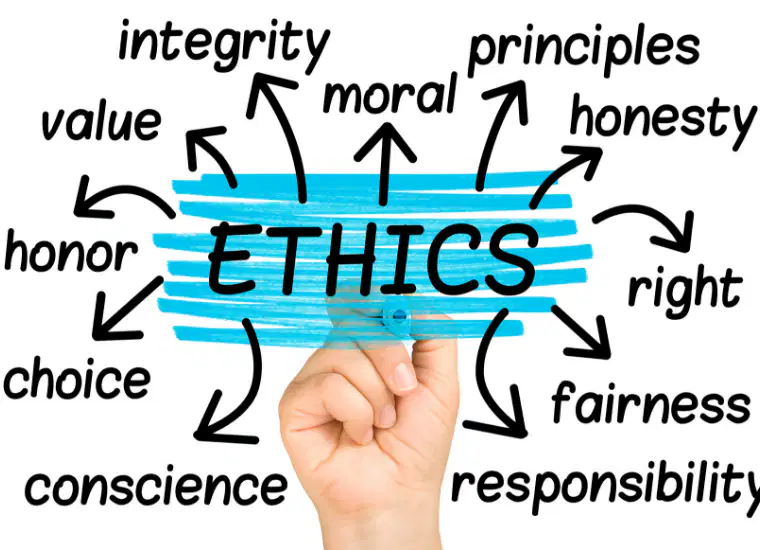
What role does social media play in shaping a company's ethical image?
a)
It has no impact on the company's ethical image
b)
It only helps in promoting the company's products and services
c)
It can be used to manipulate the public perception without any ethical considerations
d)
It helps in shaping the company's ethical image by providing a platform for transparency, accountability, and communication with stakeholders.
70.

How can businesses respond to ethical lapses or misconduct within their organization?

a)
Ignore the misconduct and hope it goes away
b)
Blame the employees for the ethical lapses
c)
Implement clear ethical guidelines, provide ethics training, establish a reporting system, and take swift and appropriate action
d)
Cover up the misconduct to protect the company's reputation
71.

How does unethical behavior impact a company's reputation?

a)
It helps the company's reputation by gaining attention
b)
It can damage the company's reputation by eroding trust and credibility.
c)
It improves the company's reputation by showing boldness
d)
It has no impact on the company's reputation
72.

What is the connection between fair labor practices and business ethics?

a)
Fair labor practices are a part of business ethics
b)
Business ethics do not include fair labor practices
c)
Fair labor practices have no connection to business ethics
d)
Fair labor practices are only related to environmental sustainability
73.

How do cultural differences impact ethical considerations in international business?

a)
Cultural differences make ethical considerations easier to navigate in international business
b)
Cultural differences can impact perceptions of what is considered ethical behavior, attitudes towards bribery and corruption, and the importance of relationships in business dealings.
c)
Cultural differences only impact the language used in international business
d)
Cultural differences have no impact on ethical considerations in international business
74.

What ethical responsibilities do businesses have towards their local communities?

a)
Businesses have ethical responsibilities to contribute positively to their local communities, such as supporting local charities, providing job opportunities, and minimizing negative environmental impact.
b)
Businesses have no ethical responsibilities towards their local communities
c)
Businesses should only focus on maximizing profits and not worry about their local communities
d)
Businesses should exploit their local communities for their own benefit
75.

How can you identify the ethical problem?

a)
By choosing the option that benefits oneself the most
b)
By asking a magic 8-ball for guidance
c)
By flipping a coin to make a decision
d)
By examining the actions or decisions involved and evaluating them based on ethical principles and standards.
76.

How does the concept of stakeholder management align with business ethics?

a)
By considering the impact of business decisions on all parties involved
b)
By prioritizing the interests of the business over the stakeholders
c)
By only considering the impact on the most powerful stakeholders
d)
By ignoring the needs of stakeholders and focusing solely on profit
77.

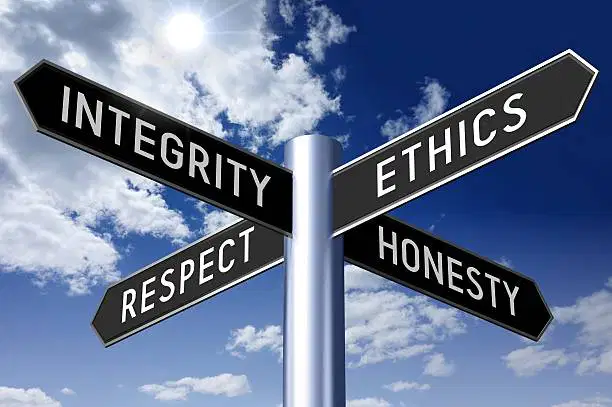
What are some common ethical challenges faced by businesses today?
a)
Lack of competition in the market
b)
Overregulation by the government
c)
Some common ethical challenges faced by businesses today include issues related to corporate social responsibility, environmental sustainability, fair labor practices, and ethical decision-making.
d)
Excessive focus on employee well-being
78.

What is the role of training programs in promoting ethical behavior among employees?

a)
Training programs focus on teaching employees how to break ethical rules
b)
Training programs provide employees with the knowledge and skills to make ethical decisions and understand the importance of ethical behavior in the workplace.
c)
Training programs have no impact on ethical behavior
d)
Training programs encourage employees to engage in unethical behavior
79.

What is the focus of justice perspective?

a)
Fairness, equality, and impartiality
b)
Revenge, punishment, and retribution
c)
Inequality, oppression, and injustice
d)
Discrimination, bias, and favoritism
80.

What are the 4 cardinal virtues of ethics?

a)

Courage, bravery, strength, and power

b)

Prudence, temperance, fortitude, and justice

c)

Kindness, compassion, empathy, and sympathy

d)

Loyalty, greed, selfishness, and dishonesty

81.

How can businesses navigate conflicts of interest to maintain ethical integrity?

a)
Ignoring conflicts and prioritizing profits
b)
Hiding conflicts and avoiding disclosure
c)
Seeking advice from biased sources
d)
Establishing clear policies, disclosing potential conflicts, and seeking independent advice
82.

What is one way for businesses to promote ethical decision-making in their day-to-day operations?

a)

By allowing employees to make decisions without any guidelines or training

b)

By establishing clear ethical guidelines, providing ethics training to employees, promoting open communication, and holding individuals accountable for their actions.

c)

By punishing employees for speaking up about ethical concerns

d)

By ignoring ethical considerations and focusing solely on profits

83.

These are theological virtues, except

a)

faith

b)
courage
c)

love

d)

hope

84.

How does corporate social responsibility (CSR) relate to business ethics?

a)
Business ethics is only about legal compliance
b)
CSR has no relation to business ethics
c)
CSR is only about maximizing profits
d)
CSR is a part of business ethics, focusing on the responsibility of businesses towards society and the environment.
85.

What is the significance of transparency in business ethics?

a)

Transparency is irrelevant in business ethics

b)

Transparency leads to decreased corruption

c)

Transparency has no impact on trust or accountability

d)

Transparency fosters trust and enhances accountability

86.

What ethical considerations arise in the use of artificial intelligence (AI) in business?

a)
Ethical considerations such as bias, privacy, and accountability need to be addressed when using AI in business.
b)
Inclusivity, diversity, and equality are not relevant ethical considerations when implementing AI in business.
c)
Transparency, fairness, and responsibility are not important ethical considerations in the use of AI in business.
d)
Cost-effectiveness, efficiency, and innovation are the main ethical considerations in using AI in business.
87.

Virtue is from the ________ word

a)
Greek
b)
French
c)
Spanish
d)
Latin
88.

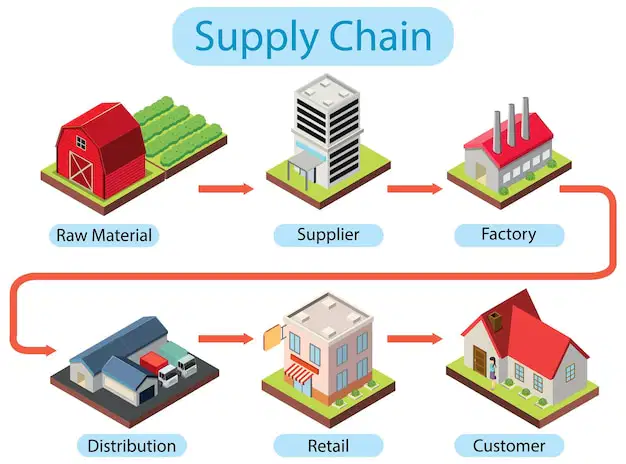
How can businesses ensure ethical supply chain management?
a)
By bribing their suppliers to overlook unethical practices
b)
By ignoring the practices of their suppliers
c)
By cutting costs and disregarding ethical guidelines
d)
By conducting regular audits of their suppliers, implementing clear ethical guidelines, and providing training for employees on ethical practices.
89.

How can businesses ensure ethical behavior in their supply chain, especially in global operations?

a)
Cutting costs by using suppliers with known ethical violations
b)
Implementing strict supplier codes of conduct, conducting regular audits, and providing training on ethical practices
c)
Ignoring any unethical behavior and turning a blind eye
d)
Bribing suppliers to ensure compliance with ethical standards
90.

What is an ethical behavior?

a)
Doing whatever benefits oneself regardless of the impact on others
b)
Engaging in activities that are illegal but do not harm anyone
c)
Conduct that is morally and socially acceptable
d)
Following the rules and regulations set by the government
91.

What ethical responsibilities do businesses have towards the environment?

a)
Maximize impact on the environment, increase waste, deplete resources, and implement unsustainable practices
b)
Ignore impact on the environment, increase waste, deplete resources, and implement harmful practices
c)
Minimize impact on the environment, increase waste, deplete resources, and implement unsustainable practices
d)
Minimize impact on the environment, reduce waste, conserve resources, and implement sustainable practices
92.

What role does accountability play in promoting transparency and integrity in business?

a)

Accountability is irrelevant in promoting transparency and integrity in business

b)

Accountability leads to more dishonesty in business practices

c)

Accountability is only important for personal development, not for business ethics

d)

Accountability ensures that individuals and organizations are held responsible for their actions and decisions, leading to greater transparency, trust, and integrity in business practices.

93.

How can businesses promote a speak-up culture to address ethical concerns?

a)
By ignoring ethical concerns and focusing solely on profits
b)
By implementing a strict policy of retaliation against whistleblowers
c)
By discouraging open communication and transparency within the organization
d)
By creating open communication channels, providing training on ethical standards, and implementing a non-retaliation policy
94.

These are ethical decision-making process, except

a)

Identify the ethical problem

b)

Act or implement

c)

Review the action

d)

Collect irrelevant information

95.

How can businesses foster a culture of integrity and ethical decision-making?

a)
By ignoring ethical standards and promoting dishonesty
b)
By providing irregular ethics training and discouraging open communication
c)
By setting unclear ethical standards and leading by a negative example
d)
By setting clear ethical standards, providing regular ethics training, promoting open communication, and leading by example.
96.

What ethical considerations are associated with layoffs and downsizing in a company?

a)
Employee satisfaction, work-life balance, and job security
b)
Cost-effectiveness, efficiency, and profitability
c)
Ethical considerations include fairness, transparency, and the impact on employees' livelihoods.
d)
Company reputation, public perception, and legal implications
97.

What is the significance of ethical leadership in business organizations?

a)

It has no impact on employee morale and performance

b)

It sets a positive example for employees, leading to higher morale and performance

c)

It only benefits the leader, not the employees

d)

It leads to lower employee morale and performance

98.

How can businesses promote ethical behavior in decision-making processes?

a)

By ignoring ethical considerations and focusing solely on profit

b)

By establishing a code of ethics, promoting open communication, and seeking guidance from ethical experts

c)

By relying on personal opinions and biases to make decisions

d)

By seeking advice from individuals with no knowledge of ethical principles

99.

What is the role of theoretical frameworks in understanding and analyzing business problems?

a)

They are a type of building structure

b)

They are a form of artistic expression

c)

They are a method for solving mathematical equations

d)

They are established theories or models that provide a basis for understanding and analyzing a topic or problem