
 Worksheets
Gr-3, 2-nd Trimester Revision
Total questions: 42
Worksheet time: 28mins

.............. is a large amount of water that covers normally dry land. It can happen very suddenly.
An erosion
A flood
A drought
Fire

..................... is when small pieces of rock are carried away by water and sometimes by wind.
Erosion
Drought
Flood
Wild fire
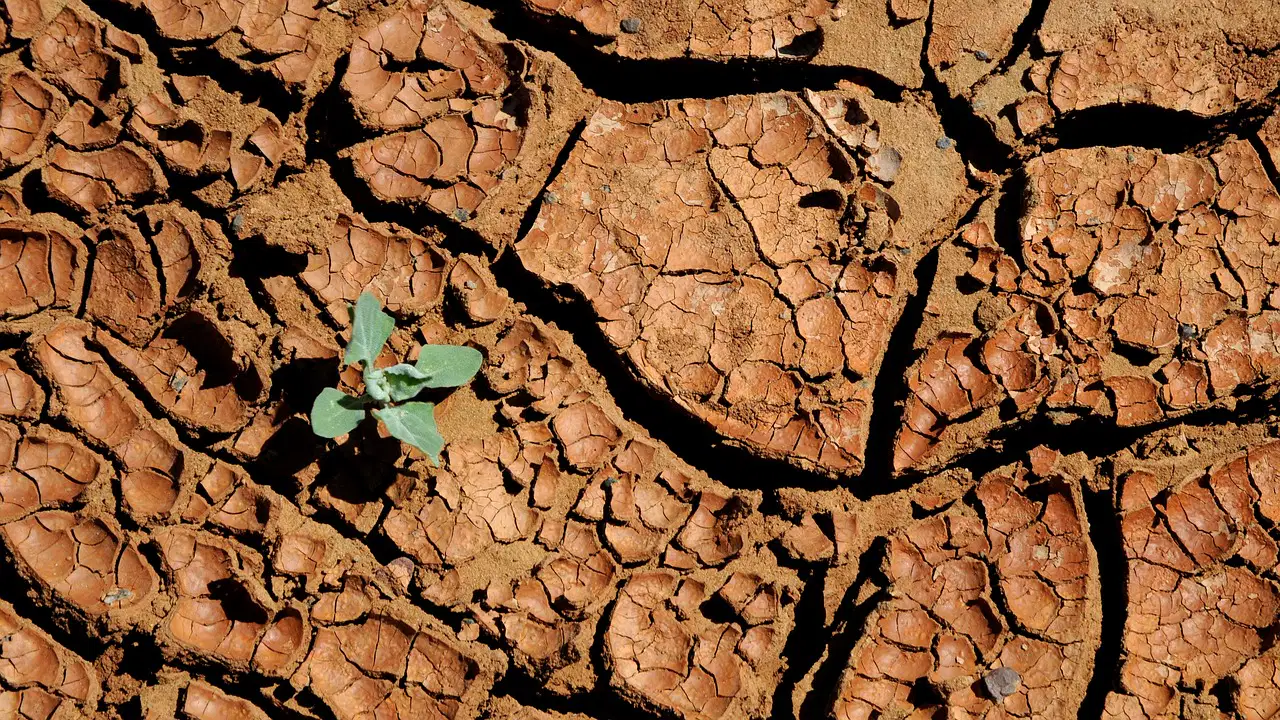
.......................... occurs when it does not rain for a long time. It may force people and animals to look for new places to live. Plants wilt and die.
A flood
A drought
A volcano
A landslide
Changes to an environment may make it more difficult for an organism to find-
food.
shelter.
water.
all of the above

Beavers change the environment when they cut down trees, make canals, and build dams.
Effect :
land is flooded
land is dry
land is polluted
land is eroded

Write the missing effect for the picture.
Cause (reason): ...............................
Effect (result): destroyed trees and other plants as well as animal habitats.

Fires clear space for new plant growth. Ashes from burned plants add nutrients to the soil.
positive effect
negative effect

Write the missing effect for the picture.
Cause: trash
Effect: ........................................................
A .................................... is a part of Earth’s
surface that has a certain shape and is formed naturally.
inner core
landform
mantle
zone
How can humans protect the environment? (select all that apply)
National Parks to protect the environment
recycling
walking, riding a bike, or take the bus
polluting
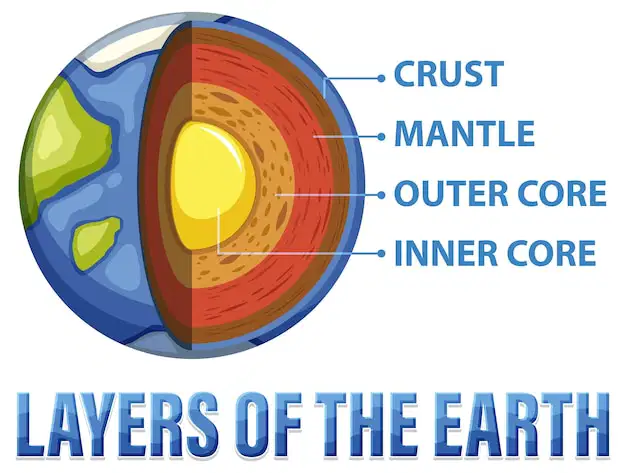
This layer is below the crust and is made of soft , hot rock.
mantle
inner core
outer core
weathering
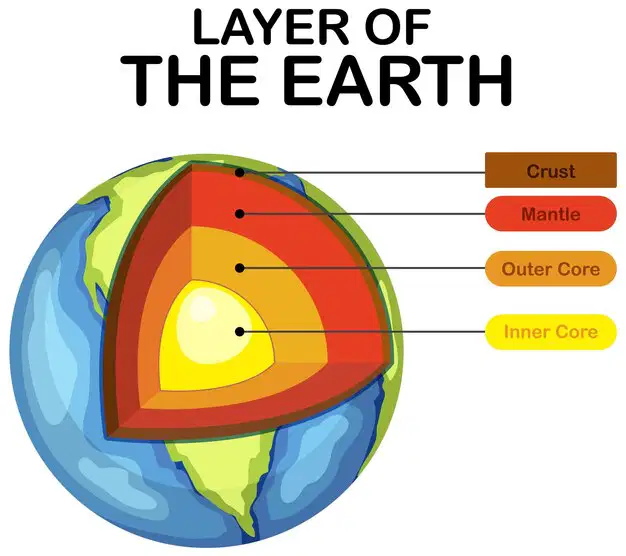
It is the Earth ´s outer layer. It is made of solid rock.
Inner Core
Mantle
Crust
outer core
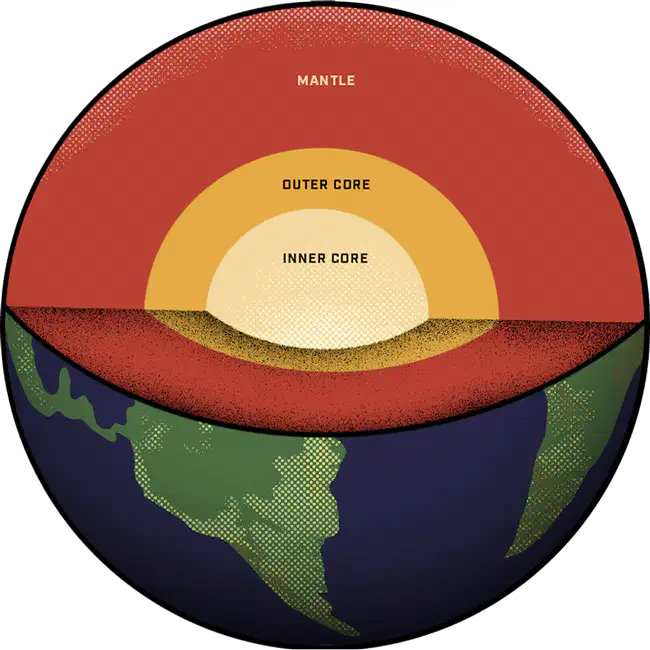
Inner core at the Earth´s center is made of hot , liquid rock.
true
false

The low land between mountains or hills.
erosion
valley
volcano
plateau

Some landforms are made by moving water or ice. Identify this landform which is a low land.
a hill
a mountain
a plateau
a valley

One kind of landform is rough and jagged and much higher than the surrounding land. Which of the following is the name for this kind of landform?
mountain
valley
plain
hill

Look at the high rocks in the picture. Identify what landform is shown.
hill
ocean
mountain
grassland
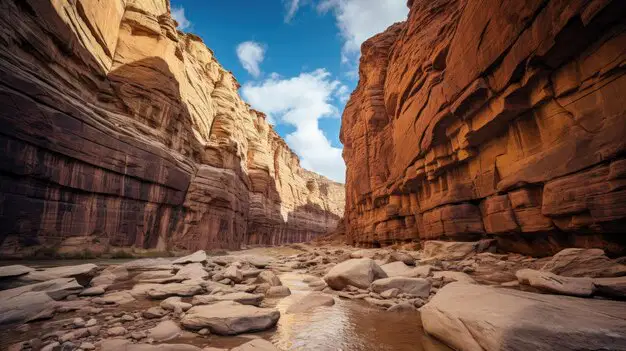
.............................. is a valley with steep sides.
A mountain
A canyon
A plateau
A cliff

Patrick saw a travel poster with this picture on it.
Which kind of landform does the picture show?
canyon
hill
mountain
plain

Youanna saw a landform like the one in this picture on her trip to America.
Which of the following kinds of landforms does the picture show?
a plateau
a canyon
a mountain
a plain
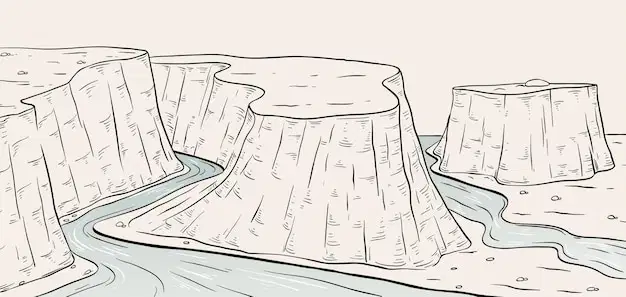
Plateaus have
U and V shape tops
Flat tops
Pointy tops

Plains are
mountains with flat tops
large flat areas of land
U and V shape in the mountains

How are plateau and plain different?
A plateau is flat and rises above a plain.
A plain is flatter and higher than a plateau.
A plateau is smaller and lower than a plain.

High land lower than a mountain.
valley
canyon
plain
hill

How are canyons and other valleys different?
Other valleys are flat and canyons are highlands.
Other valleys are “V” or “U” shaped and canyons are step sided.

A rock breaks apart after freezing and thawing many times.
Weathering
Erosion
Flood
Volcanic Eruption
Fill in the blank.
Weathering is a ____________ process that changes Earth's surface.
Slow
Rapid

________ can pick up bits of rock and soil and carry them as they move.
delta
glacier
weathering
volcano
How are weathering and erosion alike (the same)?
Both of them cause fast changes of the Earth's surface.
Both of them cause slow changes of the Earth's surface.
Both answers are correct

A triangle-shaped (deposit) landform at the mouth of a river as it empties into a body of water is.....
plateau
canyon
Ash, hot gases, and lava explode suddenly onto Earth's surface.
Weathering
Flood
Volcanic Eruption
Landslide

Fill in the blank.
Landslides ___________ change Earth's surface.
Rapidly
Slowly

Soil being carried away from its original location is an example of:
Erosion
Flood
Weathering
Drought

The drawing shows the movement in two pieces of Earth’s crust. What does this drawing show?
volcanic eruption
earthquake
fire
flood

Shaking of Earth’s surface that can cause land to rise and fall.
Investigate the damage in the picture. Which change caused the damage?
earthquake
flood
landslide
volcanic eruption
Is an earthquake caused by nature or humans?
Nature
Humans

Earthquakes happen because of movements in Earth’s crust. They occur mostly in places where two pieces of crust meet. Pieces may push together, pull apart, or slide past each other.
true
false

Too much rain in too short a period of time can cause a (a) .
Write.
Like earthquakes, volcanoes are caused by movements of Earth’s crust.
true
false

Melted rock called ____ explodes onto Earth’s surface.
magma
lava
volcanic ash
volcanic crater.

Soil that is washed away from a riverbank ends up somewhere else. As a river nears the ocean, the water moves more slowly. The rocks and soil in the river are dropped. This process makes a landform called ..................
valley
delta
mountain
glacier

This sculpture went through
photosynthesis process
metamorphosis process
weathering process
erosion process

