wayground logo

Free Printable Worksheets

NEW

Font size

S
M
L
XL
Worksheets

Atoms and Periodic Table Test Prep

Total questions: 41

Worksheet time: 38mins

Name
Class
Date
1.

What is the center of an atom called?

a)

Electron cloud

b)

Nucleus

c)

Proton

d)

Neutron

2.

Which subatomic particle is negatively charged?

a)

Proton

b)

Neutron

c)

Electron

d)

Nucleus

3.

What is the atomic number of an element?

a)

The number of protons in the nucleus

b)

The number of electrons around the nucleus

c)

The total number of protons and neutrons in the nucleus

d)

The total mass of the atom

4.

Which element has an atomic number of 1?

a)

Helium

b)

Hydrogen

c)

Oxygen

d)

Carbon

5.

What does the atomic mass of an element represent?

a)

The number of protons in the nucleus

b)

The number of electrons around the nucleus

c)

The total number of protons and neutrons in the nucleus

d)

The total mass of the electron cloud

6.

Which of the following is NOT a chemical element?

a)

Water

b)

Gold

c)

Oxygen

d)

Nitrogen

7.

How many electrons can the first shell of an atom hold?

a)

2

b)

8

c)

18

d)

32

8.

What is the charge of a proton?

a)

Positive

b)

Negative

c)

Neutral

d)

Variable

9.

What type of bond is formed when electrons are shared between atoms?

a)

Covalent bond

b)

Hydrogen bond

c)

Iconic bond

d)

Metallic bond

10.
The positive particles of an atom are 
a)
electrons 
b)
positrons 
c)
neutrons 
d)
protons 
11.
Particles in an atom that are neutral and have no charge are 
a)
negatrons 
b)
electrons 
c)
neutrons 
d)
protons 
12.
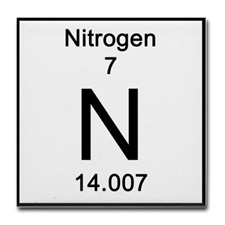
What is the number of protons that the element in this image contain?
a)
14
b)
7
c)
15
d)
18
13.
Most of the mass in an atom is concentrated in the...
a)
electrons
b)
nucleus
c)
protons
d)
empty space
14.
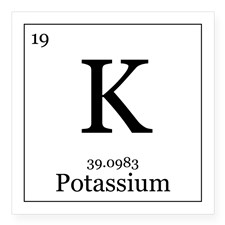
How many neutrons are in the atom "K"?
a)
7
b)
19
c)
39
d)
20
15.
What is the mass number?
a)
the number of protons
b)
the number of protons and neutrons
c)
the number of neutrons
d)
the number of protons and electrons
16.
What is the atomic number?
a)
the number of protons
b)
the number of protons and neutrons
c)
the number of neutrons
17.
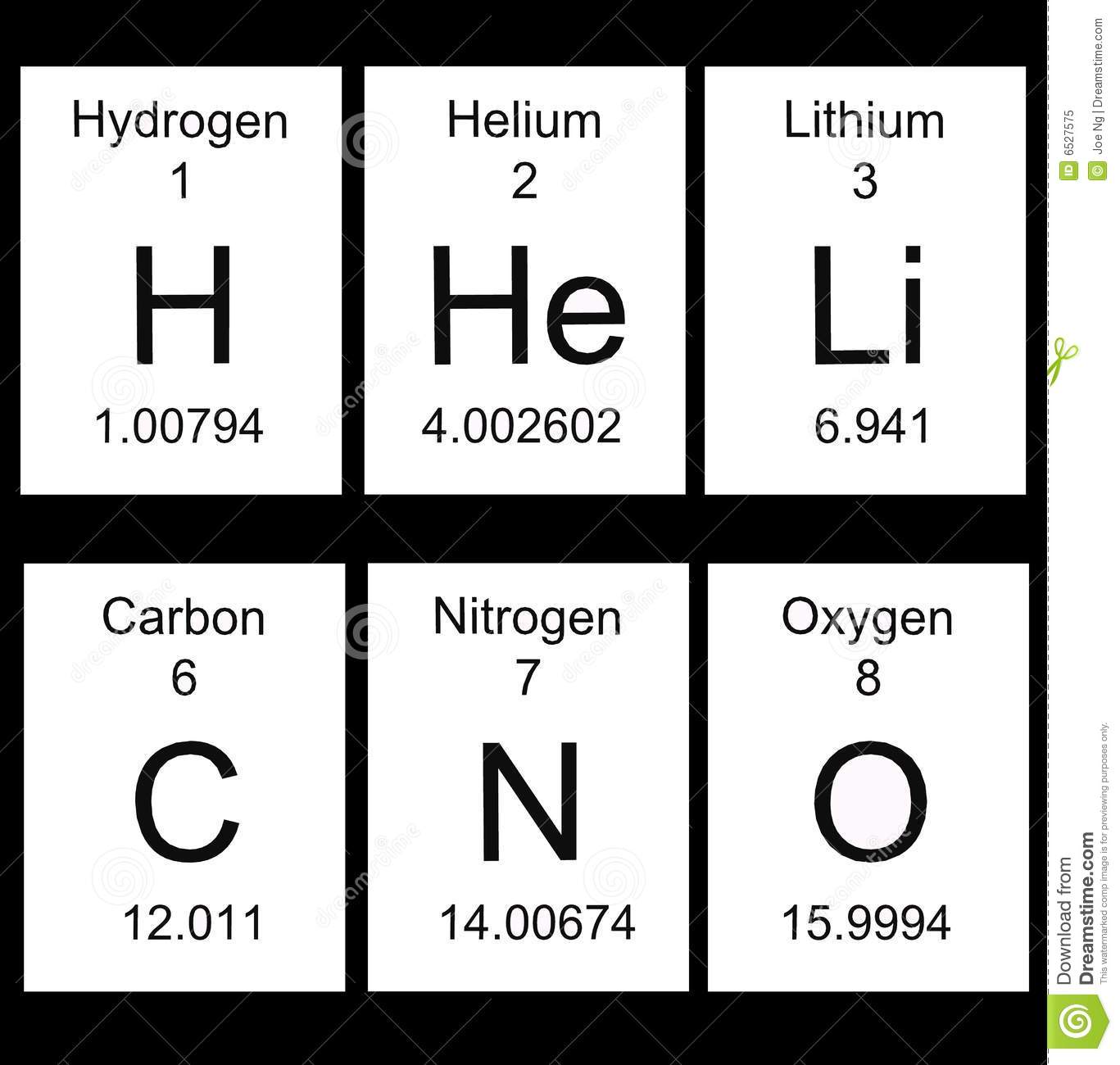
?
a)
Lithium
b)
Boron
c)
Carbon
d)
Neon
18.
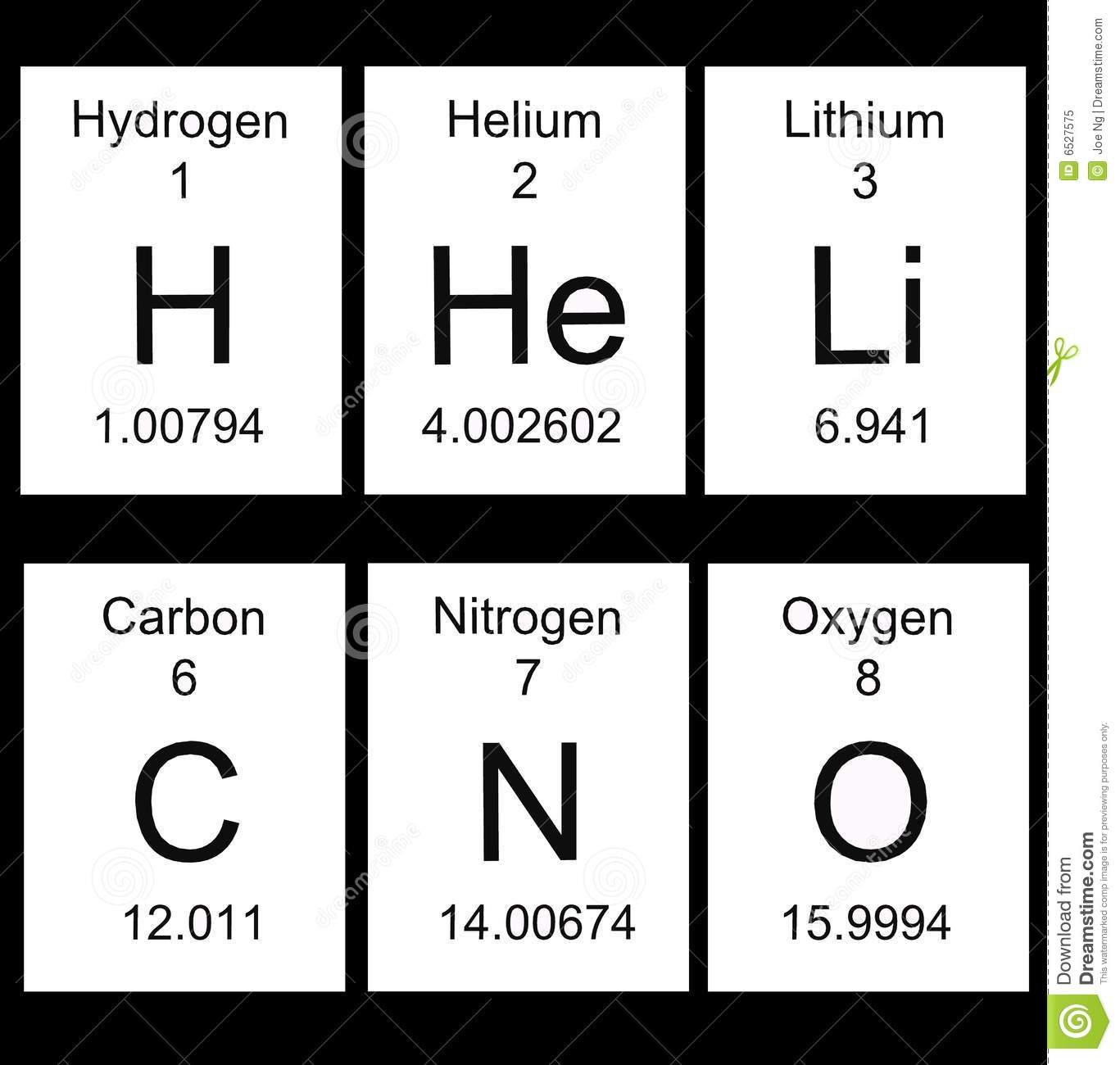
?
a)
Beryllium
b)
Boron
c)
Barium
d)
Bromine
19.
Rows on the period table are called _____ while columns are called _____.
a)
groups, families
b)
groups, periods
c)
periods, groups
d)
families, groups
20.
A vertical column is called...
a)
group
b)
tower
c)
period
d)
crew
21.
The horizontal row on the periodic table is called a
a)
group
b)
family
c)
period
d)
atomic number
22.
What does the atomic number tell you about the element?
a)
The number of neutrons in the atom of the nucleus
b)
The density of the atom
c)
The number of protons in the atom of the nucleus
d)
The mass of an atom of a chemical element
23.
The smallest particle of any particular type of matter is known by which of the following terms?
a)
Compound
b)
Atom
c)
Chemical
d)
Element
24.
If an atom has 3 electrons, how many protons does it have?
a)
1
b)
2
c)
4
d)
3
25.

What is the atomic number?

a)

the number of protons

b)

the number of protons and neutrons

c)

the number of neutrons

d)

the number of protons or electrons

26.
An atom's mass number equals the number of...
a)
protons plus the number of electrons
b)
protons plus the number of neutrons
c)
protons
d)
neutrons
27.
Which statement best describes an electron?
a)
Smaller mass than a proton and a negative charge
b)
Smaller mass than a proton and a positive charge
c)
Greater mass than a proton and a negative charge
d)
Greater mass than a proton and a positive charge
28.
Atoms have no electric charge because they...
a)
have an equal number of charged and non charged particles
b)
have neutrons in their nuclei
c)
have an equal number of electrons and protons
d)
have an equal number of neutrons and protons
29.
What charge does a Proton have?
a)
Negative
b)
Positive
c)
Neutral
d)
Contrated
30.
The number at the bottom of each square on the periodic table is the ...
a)
atomic number
b)
atomic mass
c)
chemical symbol
d)
element name
31.
The number at the top of each square on the periodic table is the ...
a)
atomic number
b)
atomic mass
c)
Chemical Symbol
d)
Element Name
32.

How many Neutrons does Bromine have?

a)

35

b)

80

c)

45

d)

79.904

33.
How many Protons does Bromine have?
a)
45
b)
79.904
c)
80
d)
35
34.

Where are protons located in the atom?

a)

the nucleus

b)

orbiting or surrounding the nucleus

35.

Which statement correctly describes the location and charge of neutrons in an atom?

a)

The neutrons are inside the nucleus and have a negative charge.

b)

The neutrons are outside the nucleus and have a neutral charge.

c)

The neutrons are inside the nucleus and have a neutral charge.

d)

The neutrons are outside the nucleus and have a negative charge.

36.

Which statement correctly describes the location and charge of the electrons in an atom?

a)

The electrons are inside the nucleus and have a negative charge

b)

The electrons are inside the nucleus and have no charge

c)

The electrons are outside the nucleus and have a negative charge

d)

The electrons are outside the nucleus and have no charge

37.
In order to be happy, atoms want how many electrons in their outer most shell?
a)
8 electrons
b)
I do not know and do not want to guess.
c)
10 electrons
d)
12 electrons
38.
What type of charge will an atom have if it gains electrons?
a)
Positive
b)
Negative
c)
Neutral 
d)
I do not know and do not want to guess.
39.
What type of charge will an atom have if it loses electrons? 
a)
Positive
b)
Negative
c)
Neutral 
d)
I do not know and do not want to guess.
40.
If an atom has a charge of +3,  it will 
a)
gain 3 electrons.
b)
lose 3 electrons.
c)
I do not know and do not want to guess.
d)
be happy because the atom has 3 points. 
41.

The subatomic particles are called:

a)

protons, nucleus and electrons

b)

protons, electrons and neutrons

c)

protons, positives and negatives

d)

cloud, shell and quarks