
 Worksheets
8.11B Changes to the Environment
Total questions: 217
Worksheet time: 5hrs 27mins


What are a catastrophic events?
Events that are naturally occurring such as pollution and smog. These are generally bad for the environment but are necessary for evolution.
Events that occur naturally such as flooding, deforestation, and land-slide. These change the shape of the land which is better for the environment.
Occurrences caused by human made changes that affect the environment. These changes are generally good for the environment and can improve the biodiversity of a habitat.
Natural occurrences that generally have a negative effect on people and or the environment that is affects. These events can cause damage to the shape of the land and to the lives of the people and other living organisms.
Which of the following is the best definition for Short Term Environmental changes?
Short-term environmental changes tend to not affect the environment and the organisms living in it since it happens rather quickly.
Short-term environmental changes do not have a significant effect on the environment.
Short-term environmental changes, like droughts, floods, and fires do not give populations time to adapt to the change and force them to move or become extinct. The changes happen rather quickly and there is no time for adaptations to occur which can lead to massive die-off.
Short-term environmental changes, like pollution, deforestation, and ice age give populations time to adapt to the change and force them to move or become extinct.
Which of the following are considered to be Short-term environmental effects?
Hurricanes
Tornados
Flooding
Deforestation
Wildfire
Which of the following is the best definition for Long-term environmental changes?
Long-term environmental changes tend to not affect the environment and the organisms living in it since it happens rather quickly.
Long-term environmental changes do not have a significant effect on the environment.
Long-term environmental changes, like droughts, floods, and fires do not give populations time to adapt to the change and force them to move or become extinct. The changes happen rather quickly and there is no time for adaptations to occur which can lead to massive die-off.
Long-term environmental changes, like pollution, deforestation, and ice age are much more gradual and allow populations to adapt. Overtime, organisms that are affected by these changes have a chance to survive as they can develop adaptations that will help them cope with the change.
Which of the following are considered to be Long-term environmental effects?
Pollution
Droughts
Climate Change
Deforestation
Urbanization
Which of the following are characteristics of Short-term environmental changes?
Organisms do not have the time to develop adaptations.
Changes occur slowly overtime.
changes occur quickly.
Affects organisms immediately.
Forces the organisms to leave and it can lead to death and extinction.
Which of the following are characteristics of Long-term environmental changes?
It can lead to changes in organisms or genetic variations that better suit the environment for survival.
Changes occur slowly overtime.
Changes occur quickly.
It can cause ecosystems to change.
Affects organisms over long periods of time or over several generations.
A type of environmental change that can lead to genetic variations in organisms to better suit the environment.
Long-term
Short-term
A type of environmental change that affects organisms immediately as it happens quickly.
Long-term
Short-term
A type of environmental change where changes occur quickly and do not give time for organisms to develop adaptations, which can sometimes lead to die-offs or extinctions.
Long-term
Short-term
A type of environmental change that can cause changes in the ecosystem which will affect organisms in that environment over several generations.
Long-term
Short-term
What is an example of how organisms respond to short term changes in the environment?
Animals tend to eat a lot more.
Animals will hibernate.
Animals must be able to adapt to a new environment.
Animals will go extinct or die due to the short term change.

What two environmental changes can be found in this image?
pollution and climate change
climate change and urbanization
deforestation and pollution
urbanization and deforestation
Biodiversity is
changes in an environment
variety of life
characteristics of organisms
environmental change is described as
breeding of organisms
a disturbance in the environment
changes in genetic material
no longer living or existing
endangered
mutated
extinct
differences between members of the same species
variation
selective breeding
abundance
Which of these activities is most likely to have a negative impact on Earth's environment?
Planting Trees
Constructing highways
Recycling paper and plastic
None of the above
What effect would building a highway have on an ecosystem?
Increase butterfly migration
Decrease in destruction of habitat
Increase in Carbon dioxide
Increase in oxygen
Scientific evidence predicts events that will occur because of overpopulation of grazers. Which of the following is NOT a change caused by the overpopulation of grazers?
Grazers have less food to eat.
Grazers wonder into unnatural habitats.
Grazers have access to unlimited resources.
Grazers are susceptible to more diseases.
Humans are part of the ecosystem and therefore impact it. Which of the following events in an ecosystem may produce a negative effect?
Preventing deer from depleting food resources
Restoring a natural habitat
Wildfire rangers minimizing disturbances
A lumber company clearing a forest
All the following are ways humans can adversely change the ecosystem EXCEPT
waste dumping
using biodegradable products
overhunting animals
industrial pollution
Hunting is an environmental management tool that helps control wildlife populations. Hunting is an example of
the deer population creating a change in an ecosystem
the food chain creating a change in an ecosystem
humans creating a change in an ecosystem
a cycle creating a change in an ecosystem
During the construction of a mall, a lake was filled in. This would have the greatest negative effect on organisms that -
hunt for berries
live in water
sleep in trees
burrow in soil
An Oregon truffle is a type of fungus that grows underground in moist soil near fir trees and reproduces using spores instead of seeds. Which of the following environmental changes would likely cause a decrease in the truffle population in an area?
More than average rainfall in a forest
Counting and recording the amount of truffles
Wind spreading the truffles' spores all around
Cutting down the fir trees and planting crops
There are many large-mouth bass, a type of fish, living in a small lake near Waco, Texas. How would increased fishing in the lake effect the lake ecosystem?
Predators might starve due to loss of food source
Population of bass' prey would decrease
Bass would spend more time swimming near the surface
Water in the lake would decrease due to more fishing in the lake
The ecosystem of some dairy cows includes the fields in which they graze, eating the grass they need. Too many cows can be harmful to their ecosystem because they could -
produce too much milk
scare away predators
raise the temperature
remove all the vegetation

For a certain area, over a five year period, data was collected on the human population as well as the population of birds. The data supports which of the following hypotheses?
Birds depend on humans to put bird food in feeders
Humans often hunt animals that prey on birds
Many humans enjoy observing the bird environment
Building more houses for humans removes trees birds need
How could beavers building a dam cause an increase in fish population? The dam -
blocks a river and creates a large lake
forces many birds to leave
removes trees from around the river
causes predators to hunt more fish
Alligators are the large predators that eat many of the smaller animals in a swamp. How might removing the alligators from a swamp habitat create a decrease in vegetation?
meat-eating animals would be eating plants
plants in the swamp would get more sunlight
plants would not be able to spread their seeds
more plant-eating animals would survive
European rabbits were released into the Australian wild in 1859. They had no predators and found plenty of grasses, roots, fruit and seeds to eat. Rabbits likely impacted the Australian ecosystem in all of the following ways EXCEPT –
decrease in number and types of plants
fewer animals with a diet that includes plants
erosion of soil held in place by plants
shorter time for plants to produce seeds

A highway is built through a forest. This will most likely have which of the following effects on the organisms in the area?
increase the number of bird species in the forest
raise the birth rate of animals on the forest floor
eliminate all species of plants in the forest
make it difficult for animals to move through the forest

Pesticides like DDT pollute the environment. How does this affect wildlife?
Pesticides harm wildlife and reduce their populations.
Pesticides help wildlife and increase their populations.
Pesticides do not affect wildlife at all.
Pesticides harm wildlife and increase their populations.

How do oil spills affect the environment?
They do not affect the environment.
They have a minimal impact on the environment.
They pollute the environment and reduce populations of organisms.
The pollute the environment but increase populations of organisms.
What happens when invasive species are added to an ecosystem?
They compete with native organisms or prey on them for food.
They reduce populations of native organisms.
Both A and B above are correct.
None of the above are correct.
Plants/producers are the foundation of every food chain. What will happen in periods of increased rainfall?
Every population in the ecosystem will be reduced.
Every population in the ecosystem will increase.
Populations of organisms are not affected by rainfall.
None of the above
What will happen to population sizes if a change is too severe?
They will not be able to survive and reproduce.
They might become endangered or extinct.
Both A and B are correct.
None of the above.
When an environment changes, some organisms are better adapted to deal with the change. What will these organisms do?
They will survive and reproduce, passing on their genetic traits.
They will survive but they will not reproduce.
They will not be able to pass on their genetic traits.
None of the above
What is the name of the process by which populations become adapted to environmental change?
Biodiversity
Natural selection
Selective breeding
Codominance
How do organisms such as Daphnia adapt more quickly?
They have a short generation time. They mature and reproduce in just days.
They have a longer generation time so they can adapt faster.
They mature and reproduce in years.
None of the above
Write the definition for short term environmental change.
Write the definition for long term environmental change.
Snowshoe hares are related to rabbits and live in cold regions. In warm weather, they have a brown coat and spend many hours feeding on vegetation. To avoid predators they either remain still and try to blend into their habitat, or use their powerful hind legs to flee. What change brought about by the winter season would help these animals avoid predators in the snowy climate?
Their bodies slow down and require less food.
They spend more of the day sleeping.
Their brown fur changes to white.
They must search longer to find vegetation.
The Venus Fly Trap (Dionaea muscipula) is a plant, and like all other green plants, gets its energy from the Sun through photosynthesis. This plant, however, catches flies and breaks down their bodies using chemicals to meet its needs. Which environmental condition has led to this adaptation?
Excessive insect populations
Soil with few nutrients
Low atmospheric oxygen
Increased average daily temperatures
Three-toed tree sloths are mammals which live in the jungle trees of Central and South America. The majority of a sloth’s diet consists of leaves and buds from trees. As rainforest habitats are being destroyed, how will these organisms most likely be affected?
Most sloths will become carnivores.
The sloth population will likely decrease.
Some sloths will start to hibernate.
A cave-dwelling population will appear.

Lions and cheetahs prey on wildebeests that graze in the grasslands of the African savanna. What likely effect would increased rainfall over several rainy seasons have on the populations of wildebeests, lions, and cheetahs?
All three populations would increase.
The wildebeests populations would decrease, and the lion and cheetah populations would increase.
The wildebeests would increase, and the lion and cheetah populations would decrease.
All three populations would decrease.

DDT is a pesticide that was once widely used to control agricultural pests and mosquitoes. However, this pesticide caused the eggshells of certain birds, including the brown pelican, to become fragile and thin. The adults would then accidentally crush the eggs while trying to incubate them.
What happened to the brown pelican populations as a result of DDT use by humans?
The populations increased much more slowly
The populations decreased as fewer eggs survived long enough to hatch.
The populations remained stable over time.
The populations increased as pelicans laid more eggs so that more offspring would survive.

If global climate change leads to the elimination of snow in the habitat of white-tailed ptarmigans, which adaptation is most likely to occur over many generations?
Birds with white feathers in areas without winter snow will be easier for predators to find. Over time this could lead to white-tailed ptarmigans that have brown feathers throughout the year.
Birds with brown feathers in areas without winter snow will be easier for predators to find. Over time this could lead to white-tailed ptarmigans that have white feathers throughout the year.
Birds with white feathers will be easier to see on the ground in the summer. Over time this could lead to white-ptarmigans that have white feathers throughout the year.
Birds with brown feathers will be easier to see on the ground in the winter. Over time this could lead to white-tailed ptarmigans that have brown feathers throughout the year.

Scientists are studying the effects of climate change on the Baltic Sea. Some scientists predict that if current trends continue, the Baltic Sea will become less salty, and it will contain less dissolved oxygen. As a result of these changes, the Baltic Sea will have less biodiversity.
Which statement best explains why biodiversity of the Baltic Sea could decrease if these changes occur?
Fewer types of plants and animals are found in warm water than in cool water.
Plants and animals adapted for living in saltwater will grow more slowly in water that has less salt.
Plants and animals adapated for living in saltier conditions will not be able to survive and reproduce.
Animals adapted for living in warm water will eat all the plants and animals adapted for living in cool water.
an inherited characteristic that increases an organism's chance of survival
biodiversity
environmental change
adaptation
Biodiversity is
changes in an environment
variety of life
characteristics of organisms
the possibility a species could become extinct
endangered
mutation
sustainability
environmental change is described as
breeding of organisms
a disturbance in the environment
changes in genetic material
the ability of an ecosystem to stay healthy & productive over time
sustainability
environmental change
adaptations
differences between members of the same species
variation
selective breeding
abundance
Causes changes in DNA of the organism causing adaptations.
Short term impact
Long term impact
What is an example of how organisms respond to short term changes in the environment?
Animals tend to eat a lot more.
Animals will hibernate.
Animals must be able to adapt to a new environment.
Animals will go extinct or die due to the short term change.

What kind of environmental change is shown in the picture above?
Short term
Long term
What two environmental changes can be found in this image?
pollution and climate change
climate change and urbanization
deforestation and pollution
urbanization and deforestation
which one of these is a solution that can help resolve/reduce global warming? Select all that apply.
Reuse, Reduce and Recycle!
Share a ride, ride the bus, bike to school!
Plant a tree!
Blow into the air to produce more Carbon Dioxide in order to help plants live longer!
Short-term natural ecological change is caused by
Select all that apply.
volcanic eruptions
tectonic plate movement
earthquakes
tsunamis
hurricanes
Long-term natural ecological change is caused by
Select all that apply.
earthquake
cycle of Earth's tilt and orbit
tectonic plate movement
tornado
change in sun's solar energy output
What is an example of how organisms respond to short term changes in the environment?
Animals tend to eat a lot more.
Animals will hibernate.
Animals must be able to adapt to a new environment.
Animals will go extinct or die due to the short term change.
What kind of environmental change is shown in the picture above?
Short term
Long term
What two environmental changes can be found in this image?
pollution and climate change
climate change and urbanization
deforestation and pollution
urbanization and deforestation
Natural Disasters such as, earthquakes, flooding, and volcanic eruptions can cause ...
short term changes
long term changes
which one of these is a solution that can help resolve/reduce global warming? Select all that apply.
Reuse, Reduce and Recycle!
Share a ride, ride the bus, bike to school!
Plant a tree!
Blow into the air to produce more Carbon Dioxide in order to help plants live longer!
A great amount
abundance
inherited characteristic
variety of life
an inherited characteristic that increases an organism's chance of survival
biodiversity
environmental change
adaptation
Biodiversity is
changes in an environment
variety of life
characteristics of organisms
environmental change is described as
breeding of organisms
a disturbance in the environment
changes in genetic material
changes in the genetic material of a cell
mutation
adaptation
variation
no longer living or existing
endangered
mutated
extinct
A natural process resulting in changes to an organism leading to adaptations.
Natural Selection
selective breeding
environmental change
breeding organisms for a desired trait
variation
Natural Selection
selective breeding
differences between members of the same species
variation
selective breeding
abundance

An _______________ is made up of the living and nonliving things in an environment that work together for a purpose.
habitat
biotic
ecosystem
economy


What is an example of how organisms respond to short term changes in the environment?
Animals tend to eat a lot more.
Animals will hibernate.
Animals must be able to adapt to a new environment.
Animals will go extinct or die due to the short term change.
What two environmental changes can be found in this image?
pollution and climate change
climate change and urbanization
deforestation and pollution
urbanization and deforestation
Natural Disasters such as, earthquakes, flooding, and volcanic eruptions can cause ...
short term changes
long term changes
an inherited characteristic that increases an organism's chance of survival
biodiversity
environmental change
adaptation
Biodiversity is
changes in an environment
variety of life
characteristics of organisms
environmental change is described as
breeding of organisms
a disturbance in the environment
changes in genetic material
An _______________ is made up of the living and nonliving things in an environment that work together for a purpose.
habitat
biotic
ecosystem
economy
ASTEROID IMPACT
SHORT TERM
LONG TERM
BLIZZARD
SHORT
LONG
ACID RAIN
SHORT TERM
LONG TERM
DEFORESTATION
SHORT TERM
LONG TERM
EARTHQUAKE
SHORT TERM
LONG TERM
DROUGHT
SHORT TERM
LONG TERM
FIRES
SHORT TERM
LONG TERM
EXTINCTION
SHORT TERM
LONG TERM
FLOODS
SHORT TERM
LONG TERM
HABITAT DESTRUCTION
SHORT TERM
LONG TERM
TECTONIC PLATE MOVEMENT
SHORT TERM
LONG TERM
ICE AGE
SHORT TERM
LONG TERM
RADIOACTIVE WASTE
SHORT TERM
LONG TERM
TSUNAMI
SHORT TERM
LONG TERM
UV RADIATION FROM THE SUN
SHORT TERM
LONG TERM
WATER POLLUTION
SHORT TERM
LONG TERM
OVERFISHING
SHORT TERM
LONG TERM
URBANIZATION
SHORT TERM
LONG TERM
LAND POLLUTION
SHORT TERM
LONG TERM
RIVER DAM
SHORT TERM
LONG TERM
SEASONS
SHORT TERM
LONG TERM
CLIMATE CHANGE
SHORT TERM
LONG TERM
ASTEROID IMPACT
SHORT TERM
LONG TERM
What is an example of how organisms respond to short term changes in the environment?
Animals tend to eat a lot more.
Animals will hibernate.
Animals must be able to adapt to a new environment.
Animals will go extinct or die due to the short term change.
What kind of environmental change is shown in the picture above?
Short term
Long term
What two environmental changes can be found in this image?
pollution and climate change
climate change and urbanization
deforestation and pollution
urbanization and deforestation
Natural Disasters such as, earthquakes, flooding, and volcanic eruptions can cause ...
short term changes
long term changes
which one of these is a solution that can help resolve/reduce global warming? Select all that apply.
Reuse, Reduce and Recycle!
Share a ride, ride the bus, bike to school!
Plant a tree!
Blow into the air to produce more Carbon Dioxide in order to help plants live longer!
A great amount
abundance
inherited characteristic
variety of life
an inherited characteristic that increases an organism's chance of survival
biodiversity
environmental change
adaptation
Biodiversity is
changes in an environment
variety of life
characteristics of organisms
environmental change is described as
breeding of organisms
a disturbance in the environment
changes in genetic material
changes in the genetic material of a cell
mutation
adaptation
variation
no longer living or existing
endangered
mutated
extinct
A natural process resulting in changes to an organism leading to adaptations.
Natural Selection
selective breeding
environmental change
breeding organisms for a desired trait
variation
Natural Selection
selective breeding
differences between members of the same species
variation
selective breeding
abundance
An _______________ is made up of the living and nonliving things in an environment that work together for a purpose.
habitat
biotic
ecosystem
economy
What is an example of how organisms respond to short term changes in the environment?
Animals tend to eat a lot more.
Animals will hibernate.
Animals must be able to adapt to a new environment.
Animals will go extinct or die due to the short term change.
Natural Disasters such as, earthquakes, flooding, and volcanic eruptions can cause ...
short term changes
long term changes
What are a catastrophic events?
Events that are naturally occurring such as pollution and smog. These are generally bad for the environment but are necessary for evolution.
Events that occur naturally such as flooding, deforestation, and land-slide. These change the shape of the land which is better for the environment.
Occurrences caused by human made changes that affect the environment. These changes are generally good for the environment and can improve the biodiversity of a habitat.
Natural occurrences that generally have a negative effect on people and or the environment that is affects. These events can cause damage to the shape of the land and to the lives of the people and other living organisms.
Animals that live in the frigid regions of the North or South Pole must adapt to special conditions. Which of these could be a helpful adaptation for an organism that lives in the North Pole?
Ability to fly or run fast
Large paws for hunting
Thick fur and layers of fat
Hard shell around the body
Some animals are adapted to survive harsh conditions. These animals drink very little and don't sweat. These adaptations make them well suited to what sort of environmental change?
A steady decrease in temperature
Earthquakes that create new landforms
A long period of time with no rain
The arrival of a new species of predator
A drought is a long period of time with little rainfall. What kind of adaptation would most help a plant survive a drought?
Storing water
Growing quickly
Producing seeds
Attracting insects
Which organ helps the fish to breath?
GILLS
FINS
flippers
Individuals in a population that have the traits needed to survive in the environment get to survive and reproduce. Their offspring inherit those traits. Over time, a greater percentage of the population will have those successful traits.
Natural selection
Selective breeding
Artificial selection
Mutations
A mouse that is faced with environmental challenges, such as limited food, drought, and predators -
Will either survive or die
Can change its fur to be more camouflaged
Can change the shape of its teeth to feed on different types of food
Can begin migrating long distances in search of better habitat
Cross-pollination of cucumber plants to increase overall length and disease resistance.
Natural selection [or] Selective breeding?
Natural selection
Selective breeding
The struggle for resources (food, water, land) against other members (both in the same species and outside) is
Competition
Natural Selection
gene flow
genetic drift
A characteristic or trait that helps an organism survive in its environment is a/an (a)
Variation in (a) would best help bison survive a harsh winter
The gills have allowed a fish to adapt to living underwater because gills allow the fish to (a)

An inherited trait that helps those organisms that have it to survive
niche
structure
characteristic
adaptation

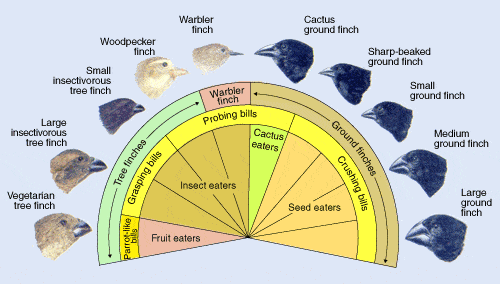
Beak shape depends on...
where birds live
who they hang out with
diet (fish or seeds)
exercise

A giraffe has a long neck in order to better reach leaves to eat. This is an example of _____.
an adaptation
environment
response
stimulus

which is the learned behavior?
shape of beak
monkey riding bicycle
horse eating hay
snake eating mice
Which of the following is an inherited trait?
swimming
eye color
skateboarding
callused fingers

Determine if the traits are structural or behavioral.
Migration
Behavioral because it makes animals move away and find better resources
Hibernation
Behavioral because it allows animals to save energy
Camouflage
Structural because it allows organisms to hide in plain sight
Venom
Structural because it is a chemical defense
Storage of food in bulb
Structural because it allows plants to save energy for later use
A (a) adaptation is the way an animal looks in order to help them survive.


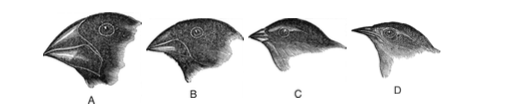
The four different types of beaks shown are most likely the result of
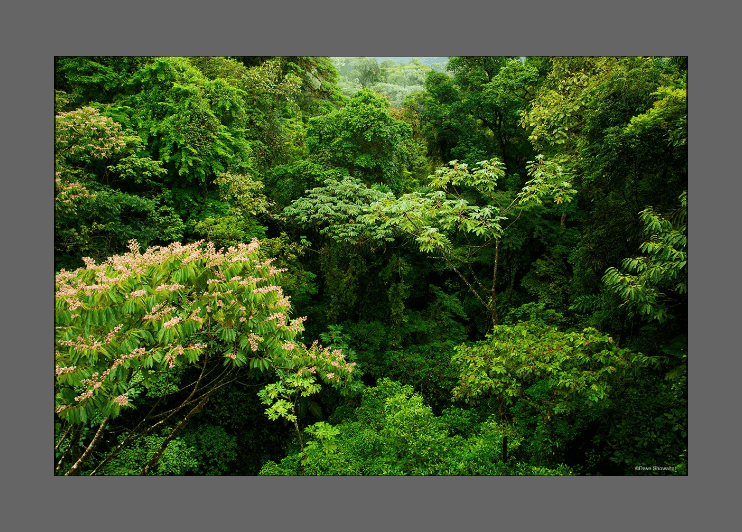
A yellow morph and green morph of an insect lives in the rainforest canopy. You would expect:
the green population to increase and the yellow to decrease
both populations should stay the same
both populations will increase
the green population to decrease and the yellow to increaseThis is a wrong answer
What word describes a trait that helps an organism survive in its environment?
natural selection
mutation
camouflage
adaptation
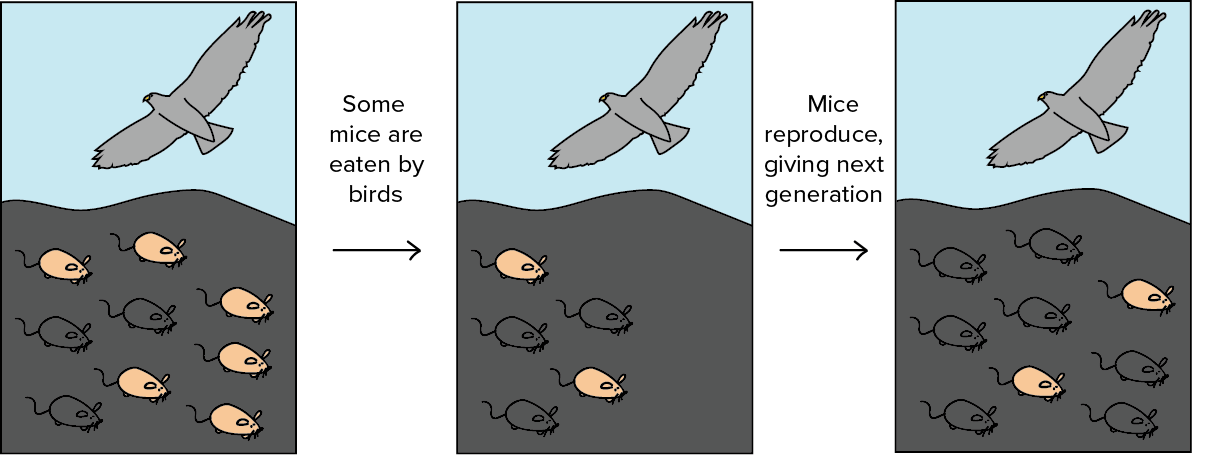
Natural Selection is driven by a change in the environment and survival of the
Earth
Fastest
Fittest
Biggest
Why are advantageous traits more likely to be passed onto offspring?
Because they are more likely to survive and reproduce.
Because they come from dominant alleles.
Because they come from recessive alleles.
Because the organism knew it needed that trait, survives, and passes it on.
Mutations are a change in what?
DNA
tRNA
protein
rRNA

Where do adaptations come from?
The individual organism decides to adapt
Mutations that give an organism an advantage in its environment
Genetic recombination during meiosis
Both mutations and genetic recombination are sources of adaptation
"Organisms that are better adapted to the environment survive to pass traits to their offspring" is the definition of
Natural Selection
Evolution
Selective Breeding
Artificial Selection
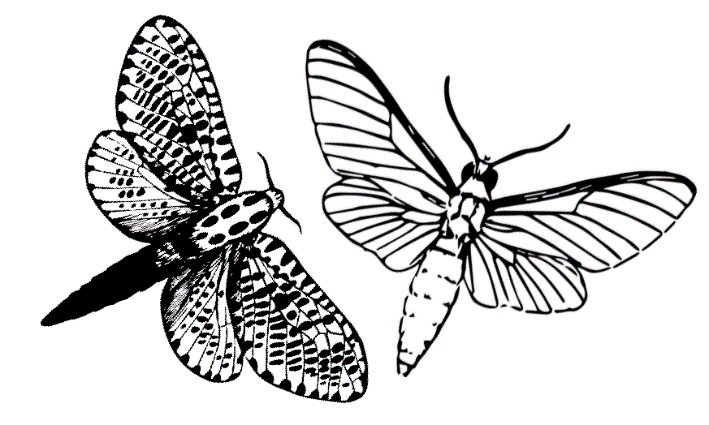
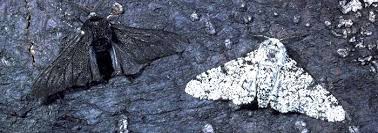
According to natural selection, light colored tree trunks would favor
light colored moths
dark colored moths
red colored moths
red and light colored moths

Speciation can occur as a result of geographic isolation because _________.
members of a species can no longer find mates
populations that live in different environments may be exposed to different selection pressures
exchange of genes during recombination
movement of genes within a population because of interbreeding

_______________ occurs when a population declines to a very small number then goes back up but results in a permanent loss of genetic diversity in the population (example: the Cheetah population)
coevolution
bottleneck
archaeopteryz
mutation



