
 Worksheets
Bach Prelude and Fugue
Total questions: 50
Worksheet time: 25mins
Name
Class
Date
1.
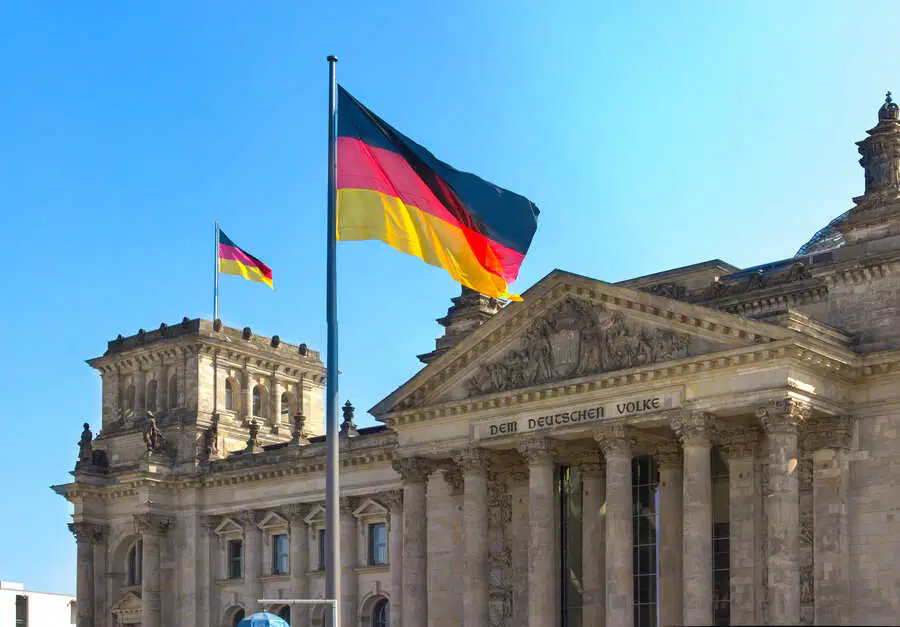
What was Bach's nationality?
a)
Austrian
b)
Italian
c)
Spanish
d)
German
2.

What period of music does Bach belong?
a)
Baroque (c. 1600-c. 1750)
b)
Classical (c. 1750-c. 1830)
c)
Late Romantic (c.1860-c.1920)
d)
20th and 21st century (c. 1920-present)
3.
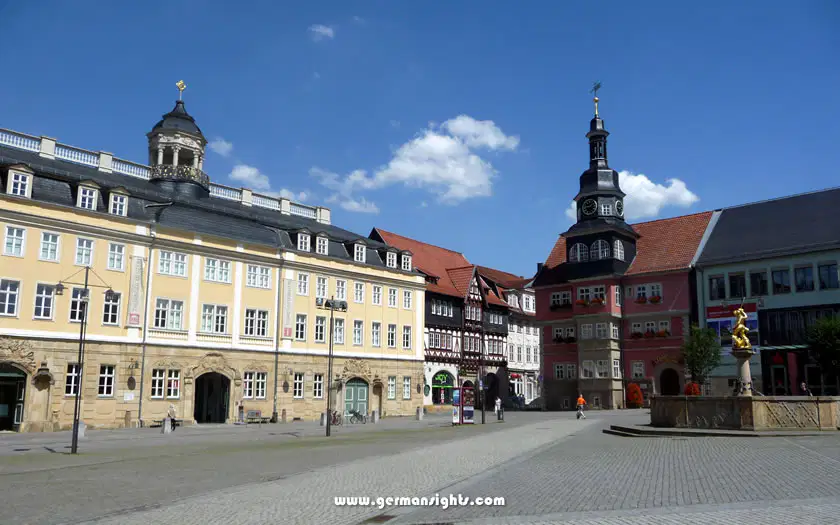
Which town was Bach born in 1685?
a)
Lübeck
b)
Hamburg
c)
Eisenach
d)
Nuremberg
4.
Bach received early training in which 2 instruments?
a)
Violin and Piano
b)
Cello and Organ
c)
Cello and Piano
d)
Violin and Organ
5.

True or false: Bach's family was built up of musicians.
a)
True
b)
False
6.

How many children did Bach have?
a)
5
b)
10
c)
15
d)
20
7.
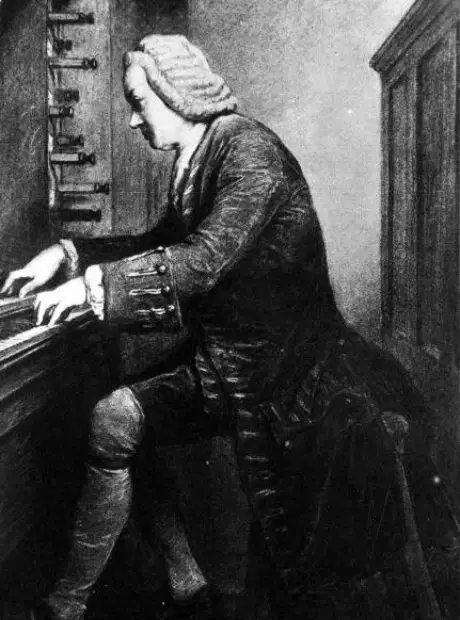
When Bach went from one of his working places to another in 1717,what kind of 'present' did the former employer give him?
a)
He gave him the chapel, where Bach loved to write his compositions.
b)
He put him into prison, because he didn't want to let him go.
c)
He gave him his daughter Anna Magdalena to marry.
d)
He gave him one of his ears as a symbol that he loved Bach's music.
8.
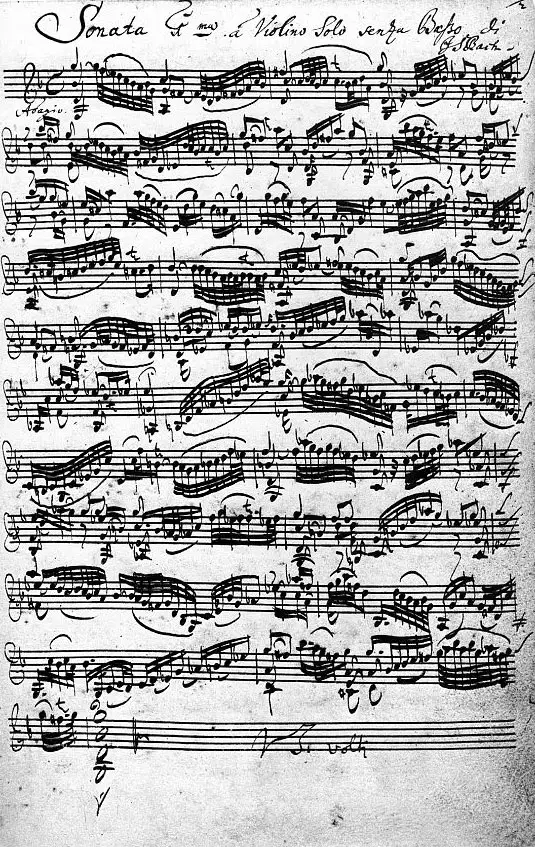
Where did Bach NOT work as a musician?
a)
Leipzig
b)
Heidelberg
c)
Kothen
d)
Weimar
9.

Bach wrote many pieces for the organ. A special type of composition is built up as follows: One part starts with a certain theme, when the theme is over, the next part will overlap and so on. They are contrapuntally arranged. What is this form called?
a)
Prelude
b)
Fugue
c)
Canon
d)
Rondo
10.
Which of the following characteristics is Bach and his music NOT famous for?
a)
A perfect counterpoint
b)
Educational compositions
c)
Complex harmony
d)
Brilliant operas
11.
Which of the following designations stands for a composition from J.S. Bach?
a)
OBa 252
b)
BWV 1050
c)
KV 460
d)
BK 21
12.
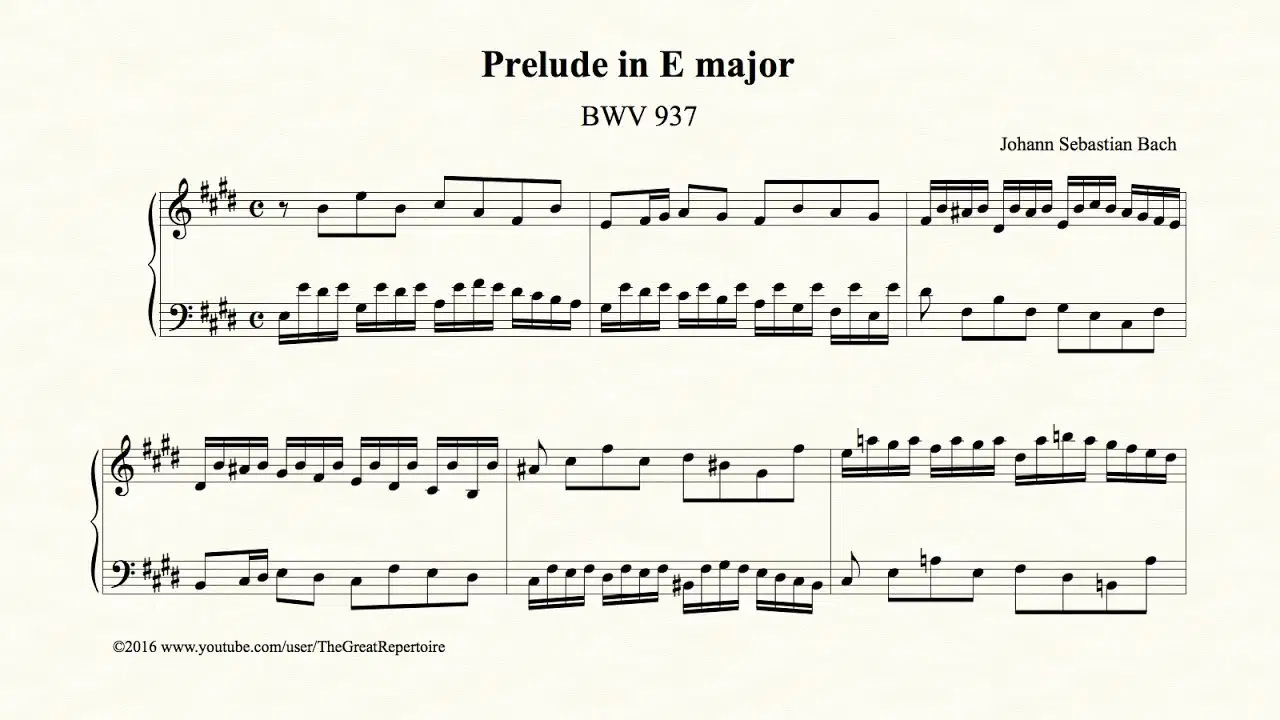
What does BWV stand for?
a)
Bach-Werke-Verzeichnis (Bach Works Catalogue)
b)
Bach-Werke-Verzeichnis (Bach Working Cantatas)
c)
Bach-Werke-Verzeichnis (Best Written Catalogue)
d)
Bach-Werke-Verzeichnis (Back Work Case)
13.

What does 'counterpoint' mean?
a)
A headache
b)
A study of harmony
c)
A study of rhythmic types
d)
The relationship between two or more melody lines that are played at the same time.
14.
When was Johann Sebastian Bach born?
a)
21 March 1685
b)
25 June 1686
c)
11 August 1682
d)
24 December 1676
15.

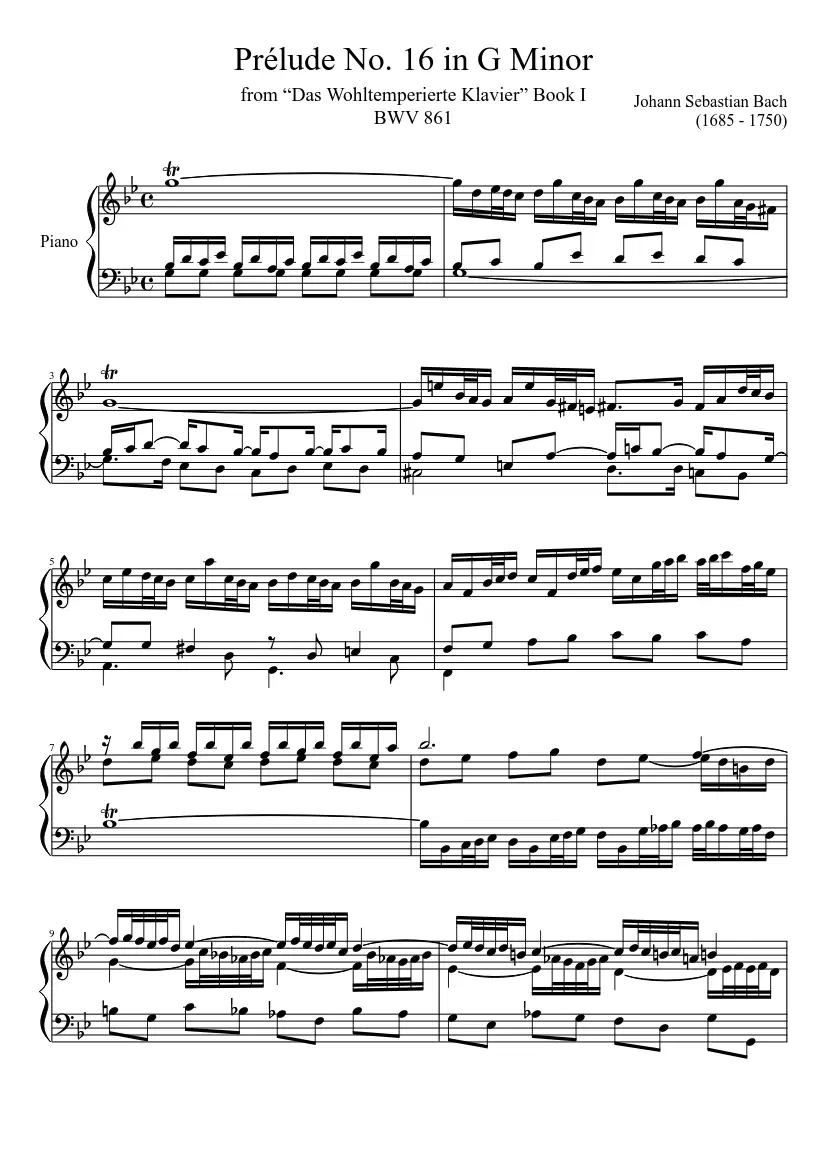
What is the BWV number for Bach's Prelude and Fugue Book 1, Number 16 in G Minor?
a)
BWV 632
b)
BWV 787
c)
BWV 861
d)
BWV 954
16.

What is the free formal structure of Prelude in G Minor?
a)
3 main sections and Coda
b)
2 main sections and Coda
c)
4 main sections and Coda
d)
5 main sections and Coda
17.

In the first section of Prelude in G Minor, there is a modulation to what key?
a)
A Major
b)
Ab Major
c)
B Major
d)
Bb Major
18.
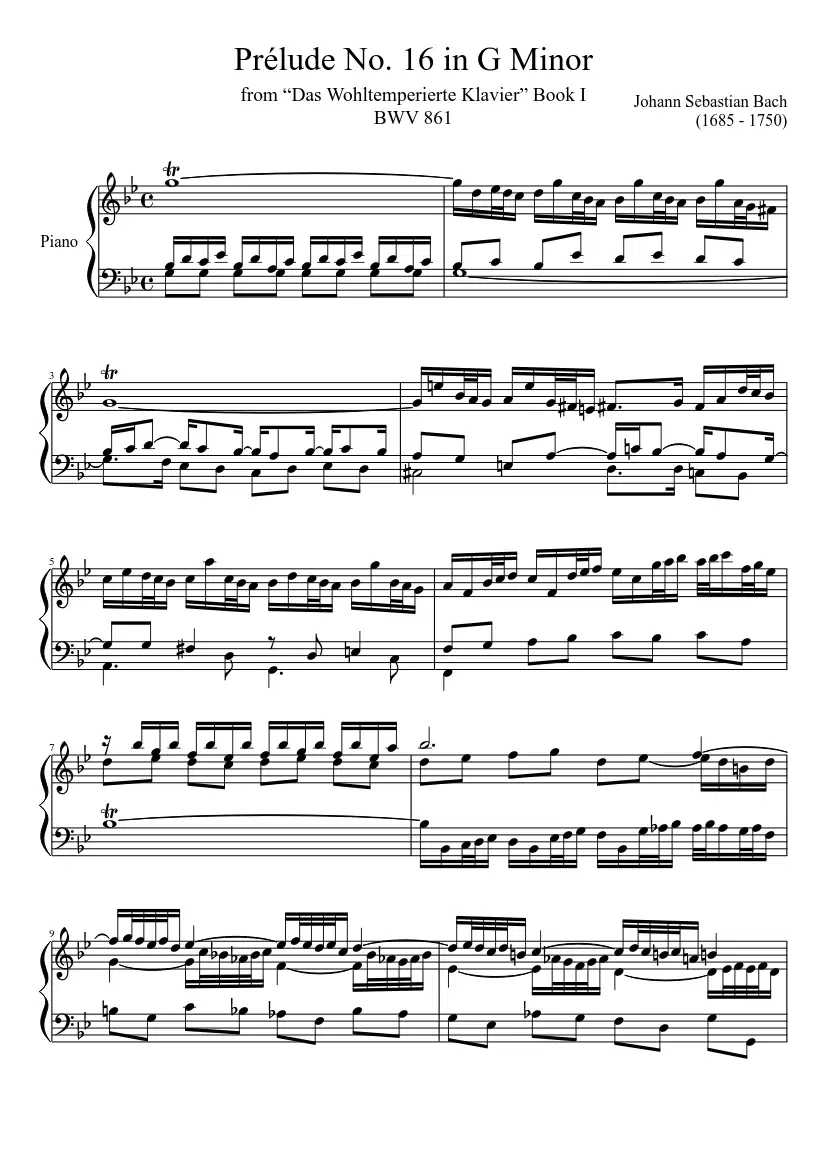
In the second section of Prelude in G Minor, there is a modulation to what key?
a)
C minor
b)
D minor
c)
E minor
d)
F minor
19.

The end of the Prelude in G Minor ends with a "tierce de Picardie". What is this?
a)
A perfect cadence
b)
A minor chord of the tonic
c)
A plagal cadence
d)
A Major chord of the tonic
20.
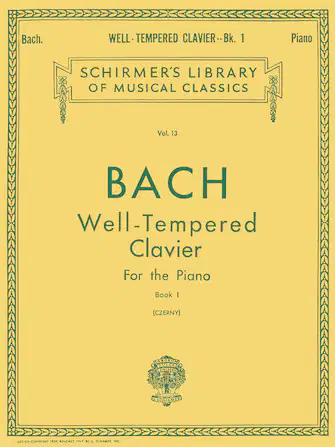
How many preludes and fugues are a part of Bach's Well-tempered Clavier Books 1 and 2?
a)
28
b)
38
c)
48
d)
58
21.

Which is NOT a choral work of Bach's?
a)
St. Matthew Passion
b)
Requiem
c)
Magnificat
d)
Mass in B Minor
22.
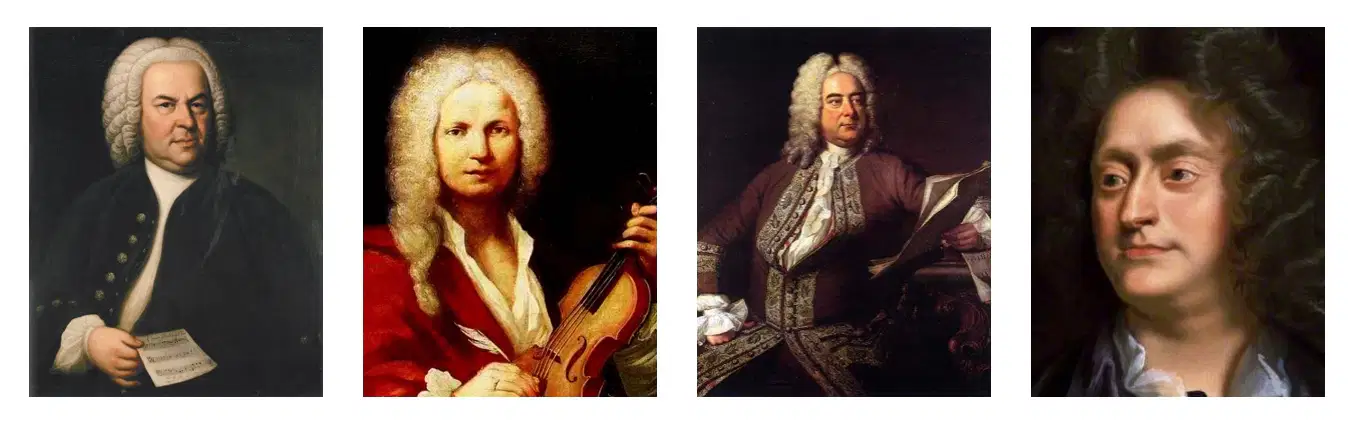
Which composer is NOT one of Bach's contemporaries?
a)
Vivaldi
b)
Pachelbel
c)
Handel
d)
Mozart
23.

What is the definition of the German word "klavier"?
a)
Time Signature
b)
a percussion instrument that has to be struck
c)
a stringed instrument that has a keyboard
d)
a brass instrument that needs a mouthpiece
24.

Fugue in G Minor BWV 861 is in how many voices?
a)
1
b)
2
c)
3
d)
4
25.

Fugue in G Minor BWV 861 contains a counter-exposition. What is this?
a)
voices enter in a different order than they did in the first exposition
b)
subject or answer is re-introduced in major keys
c)
the initial presentation of the thematic material of a musical composition
d)
entries of subject and answer overlap each other
26.
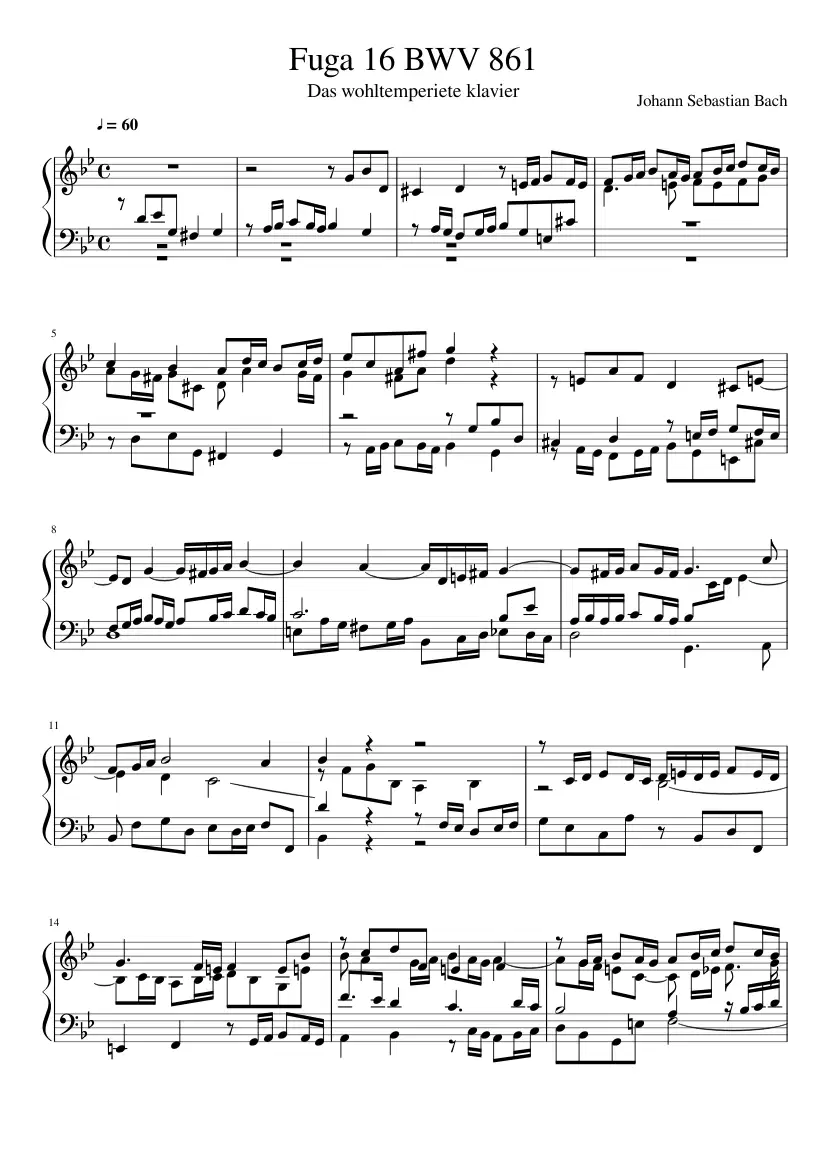
Fugue in G Minor BWV 861 (Exposition) - The answer is presented in D minor, which is the...
a)
Tonic Key
b)
Subdominant Key
c)
Dominant Key
d)
Submediant Key
27.
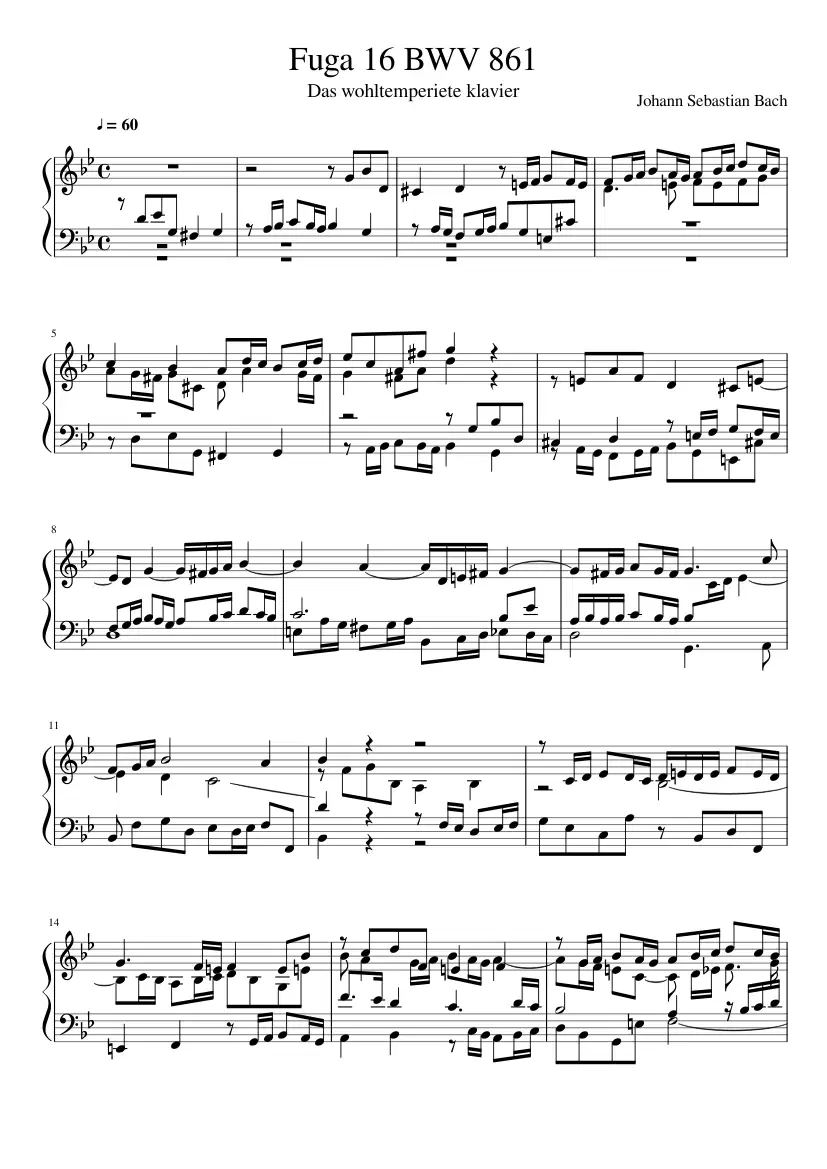
Fugue in G Minor BWV 861 (Exposition) - in the first episode, which voice is missing?
a)
Soprano
b)
Alto
c)
Tenor
d)
Bass
28.
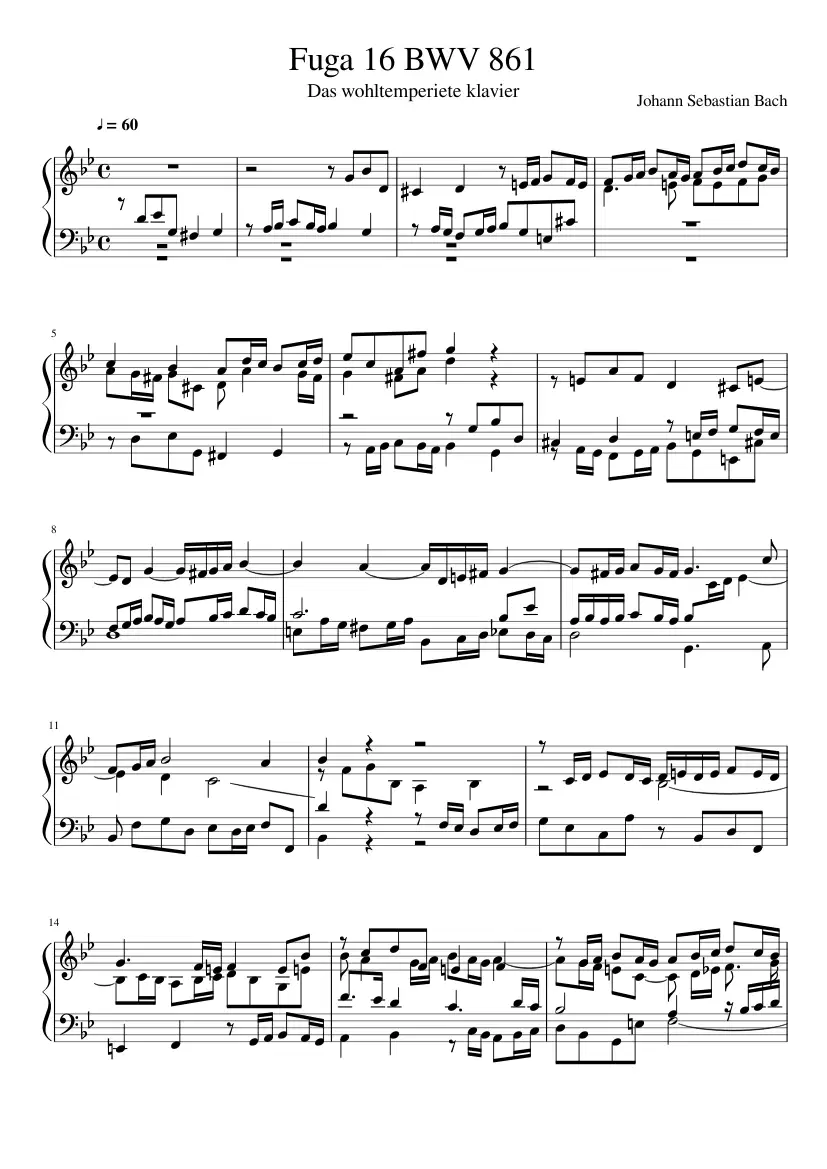
Fugue in G Minor BWV 861 (Counter-Exposition) - what is the definition of stretto?
a)
a melodic line that is the reverse
b)
a complex contrapuntal manipulation of a musical subject
c)
a form of embellishment in which a long note is divided into shorter values
d)
a section where subject entries overlap, the second beginning before the first has completed
29.
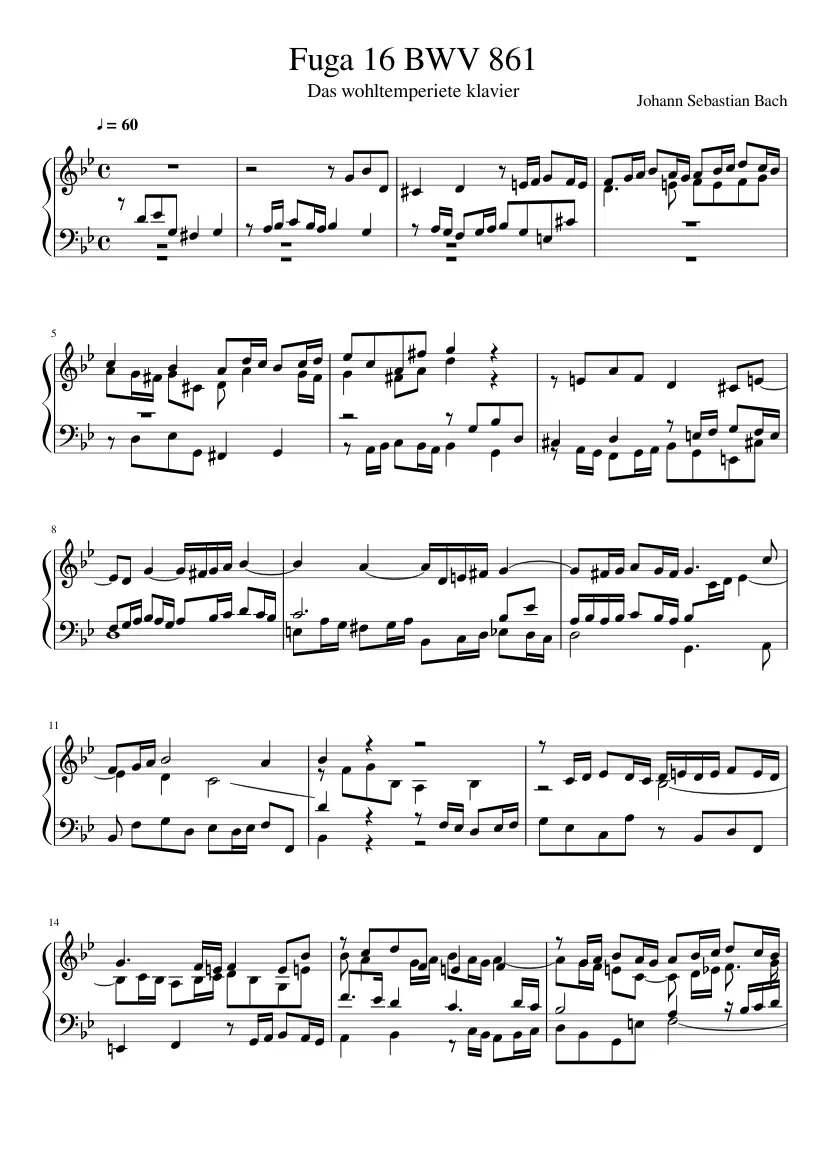
Fugue in G Minor BWV 861 (Counter-Exposition) - this section is predominantly in the relative major key.
a)
Eb Major
b)
Ab Major
c)
Db Major
d)
Bb Major
30.

What statement does NOT relate to the definition of an 'episode'?
a)
a connecting passage of music
b)
does not contain a full statement of the fugue subject
c)
a sustained note during which the harmony above it changes in some wa
d)
develops the subject or other prominent ideas through fragmentation and sequencing
31.

Who is NOT a composer of fugues?
a)
Antonio Vivaldi
b)
Johann Pachelbel
c)
Georg Philipp Telemann
d)
George Frideric Handel
32.

Which section is usually the shortest in a fugue?
a)
Exposition
b)
Episode
c)
Counter-Exposition
d)
Recapitulation
33.

The term 'fugue' comes from an Italian word meaning...
a)
Friction
b)
Flight
c)
Feeling
d)
Freedom
34.

In a fugue, if the answer is an exact transposition of the subject, it is called a...
a)
Real Answer
b)
Dominant Answer
c)
True Answer
d)
Tonal Answer
35.

In a fugue, if the answer has been altered slightly from the subject, it is called a...
a)
Real Answer
b)
Dominant Answer
c)
True Answer
d)
Tonal Answer
36.

Who was NOT an important composer of preludes?
a)
Louis Couperin
b)
Henry Purcell
c)
Dietrich Buxtehude
d)
Johann Pachelbel
37.
Bach's preludes are typically in what musical form?
a)
Binary
b)
Ternary
c)
Rondo
d)
Free form
38.
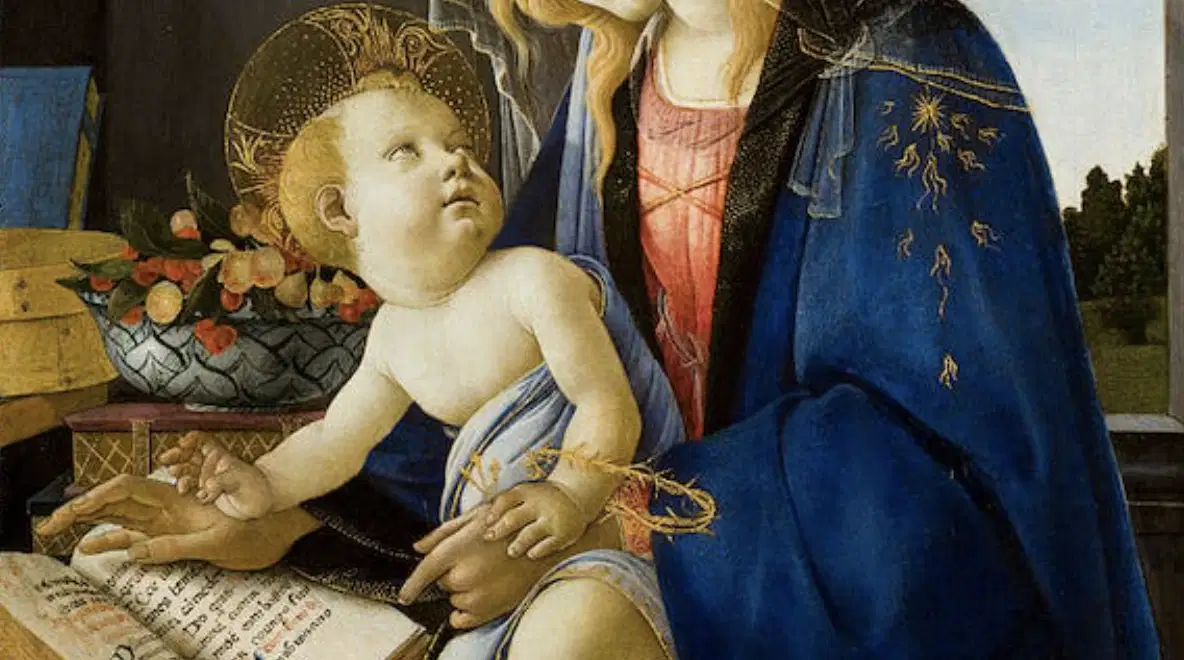
The Prelude in C Major from The Well-Tempered Clavier, Book I served as the foundation for a setting of the prayer “Ave maria” by which composer?
a)
Charles Gounod
b)
Maurice Ravel
c)
Georges Bizet
d)
Claude Debussy
39.
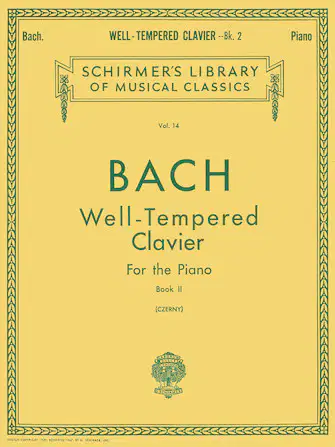
The Well-Tempered Clavier is organized into two books. Bach completed the first in 1722. How many years would pass before he completed the second?
a)
20
b)
2
c)
7
d)
12
40.
Which pianist was the first to record the complete Well-Tempered Clavier?
a)
Edwin Fischer
b)
Sergei Rachmaninoff
c)
Arthur Rubinstein
d)
Artur Schnabel
41.

How are the pairs of preludes and fugues ordered in each of the two books of The Well-Tempered Clavier?
a)
Major keys, followed by their parallel minor keys, ascending chromatically.
b)
The pieces are ordered by style and genre.
c)
By the circle of fifths, and over again for minor keys.
d)
The major, then the relative minor, ascending chromatically.
42.

What composer said that musicians should “Make the Well-Tempered Clavier your daily bread”?
a)
Robert Schumann
b)
Pyotr Tchaikovsky
c)
Wolfgang Amadeus Mozart
d)
Johannes Brahms
43.

What tuning system did Bach intend musicians to use when playing the Well-Tempered Clavier?
a)
Equal temperament
b)
Near-equal temperament
c)
Well-tempered tuning
d)
Mean-tone tuning
44.

Which of Bach's sons became a famous composer in his own right?
a)
Johann Christoph Friedrich Bach
b)
Carl Philipp Emanuel Bach
c)
Johann Christian Bach
d)
Wilhelm Friedemann Bach
45.
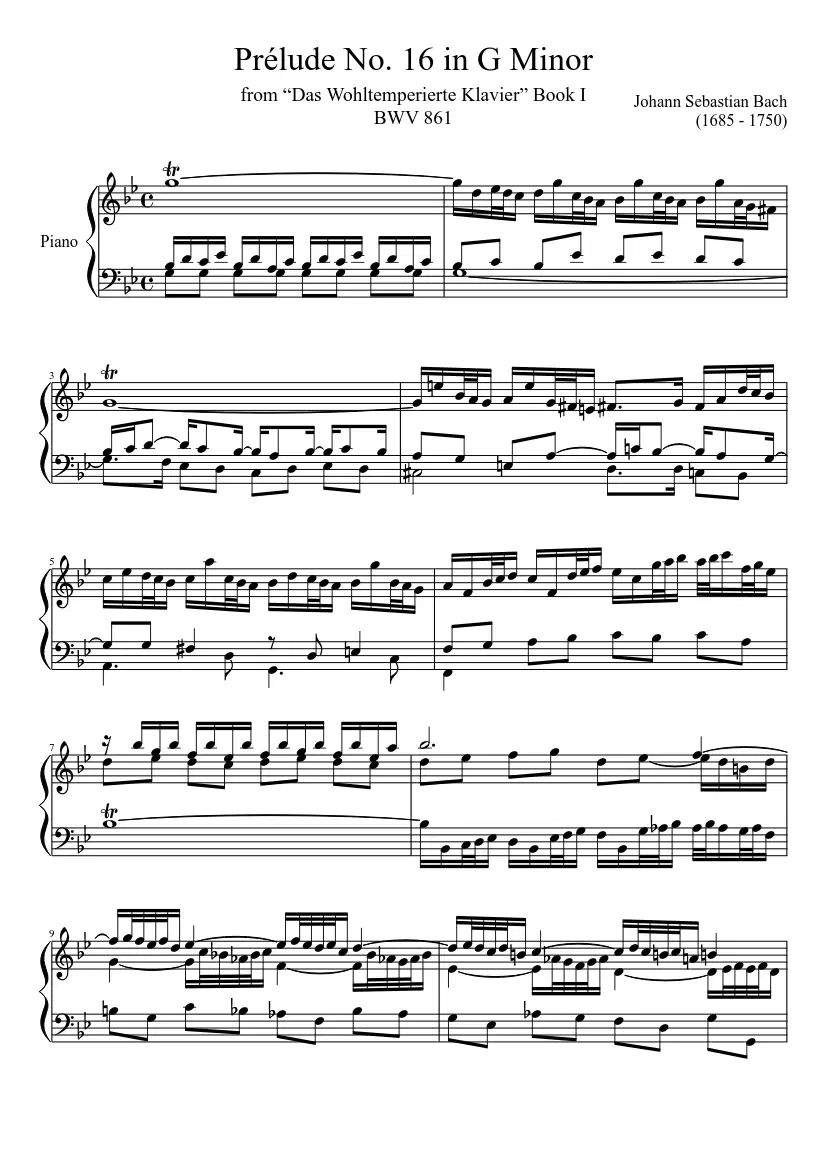
What is the mood of Prelude Book 1, No. 16 in G Minor?
a)
Joyful
b)
Serene
c)
Dramatic
d)
Mournful
46.
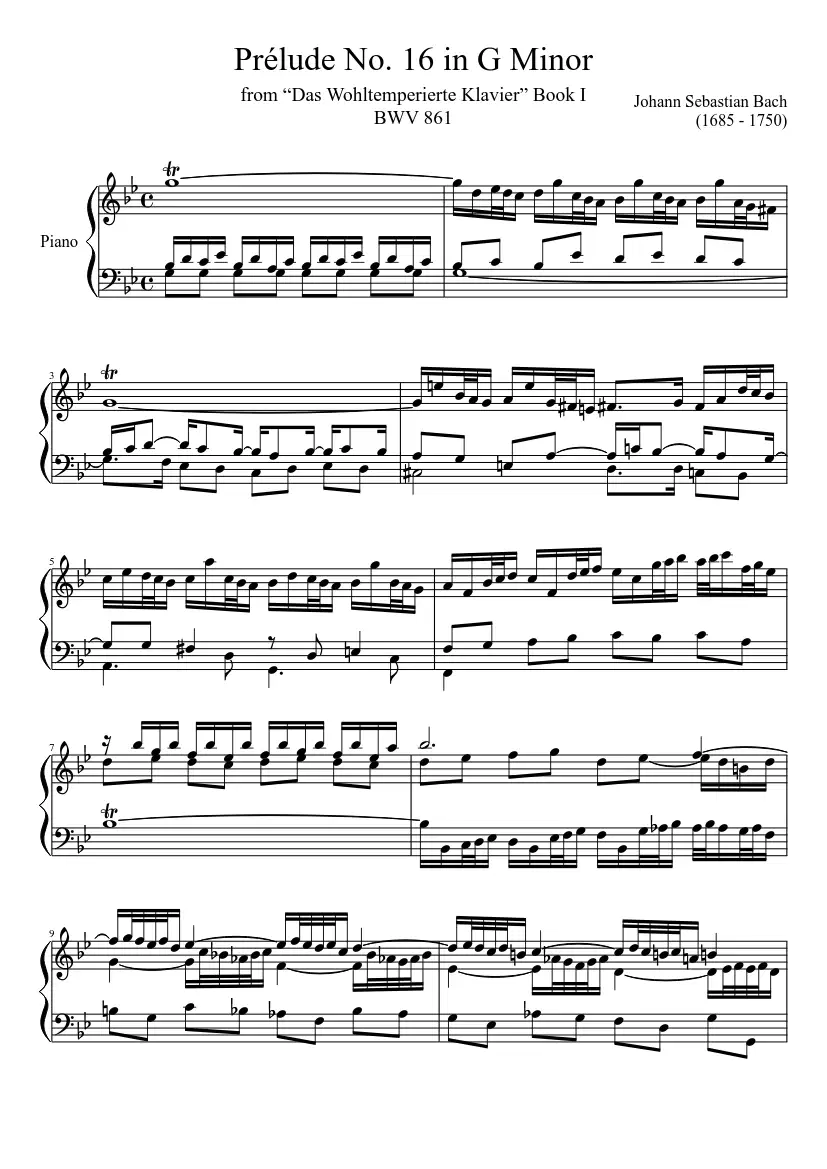
Which of these statements about Prelude Book 1, No. 16 in G Minor is true?
a)
It is written for a harpsichord.
b)
It is one of Bach's most famous keyboard works.
c)
It features a fugue section in the middle.
d)
It is notable for its use of polyrhythms.
47.
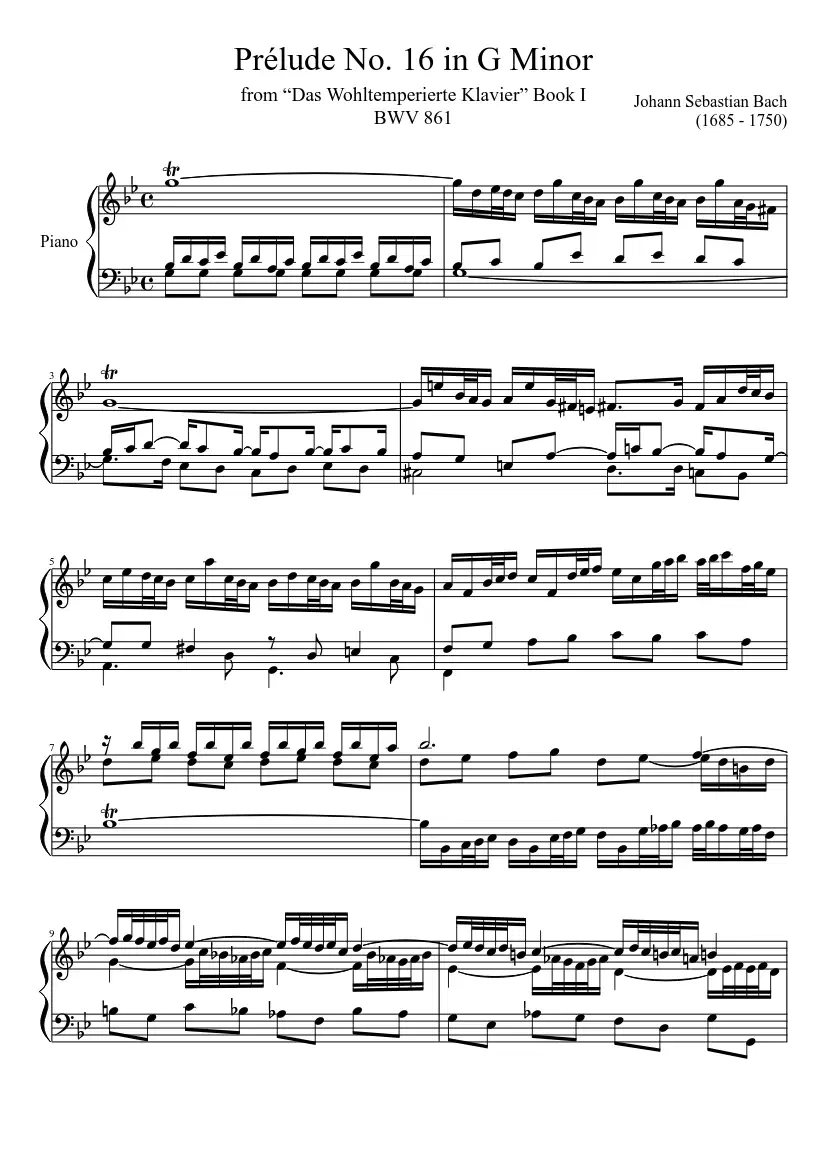
What is the tempo indication for Prelude Book 1, No. 16 in G Minor?
a)
Adagio
b)
Andante
c)
Allegro
d)
Presto
48.
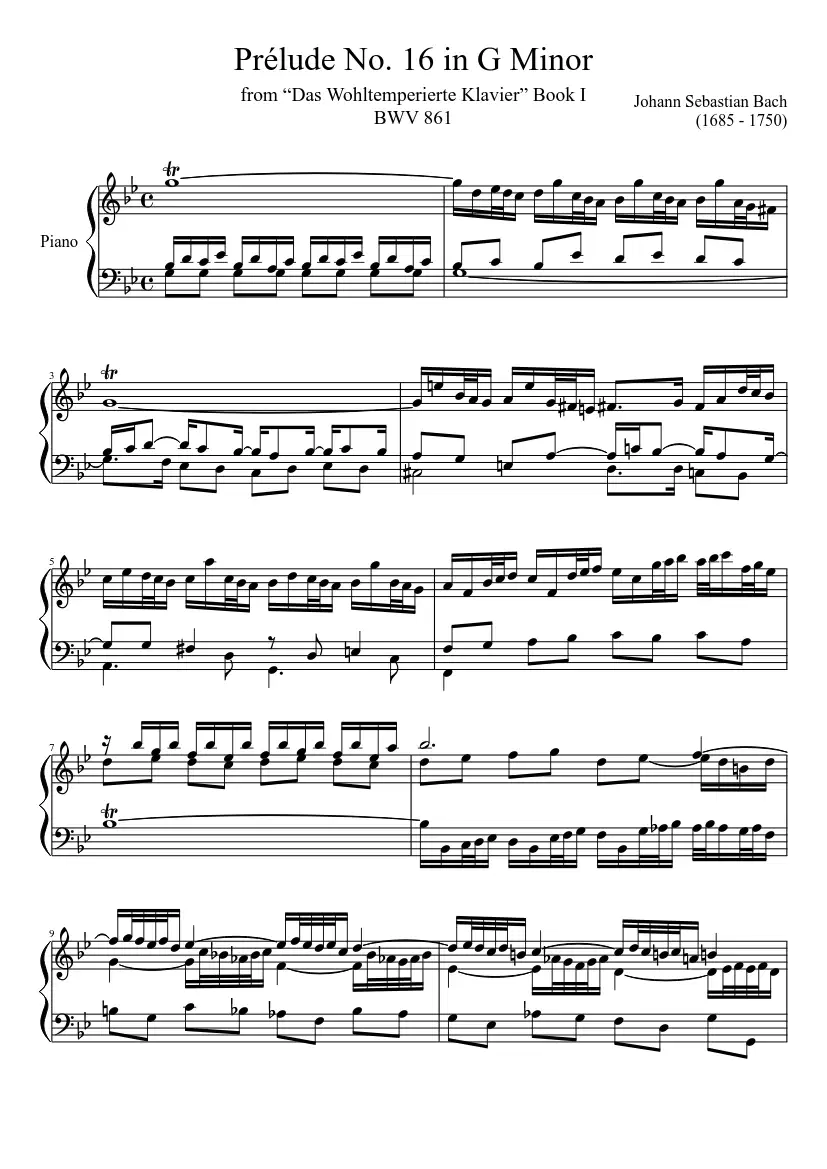
Which hand dominates the opening theme of Prelude Book 1, No. 16 in G Minor?
a)
The theme alternates between the hands
b)
Both hands play the theme equally
c)
Left Hand
d)
Right hand
49.

How many voices are featured in Fugue Book 1, No. 16 in G Minor?
a)
Two
b)
Three
c)
Four
d)
Five
50.
What is the main difference between a fugue and a prelude?
a)
A fugue is a type of dance while a prelude is not.
b)
A prelude is a type of dance while a fugue is not.
c)
A fugue features a repeating chord progression while a prelude does not.
d)
A fugue features a complex, imitative texture while a prelude does not.
100 %

