
 Worksheets
Landmark Supreme Court cases
Total questions: 187
Worksheet time: 8hrs 1mins
Who is the director of the Robert Dailyvee Center for Constitutional Studies?
Randy Barnett
Josh Blackman
Thomas Hardiman
Ilya Shapiro
What is the main focus of the book discussed in the forum?
Modern political theories
American constitutional law
The history of the United States
The biography of Supreme Court justices
How many cases does the book cover?
200
150
100
50
What unique feature accompanies the book?
A virtual reality experience
An online video library
A mobile app
Interactive quizzes
Who is one of the authors of the book?
Elliott
Josh Blackman
Thomas Hardiman
David Savage
Which case did Randy Barnett argue before the Supreme Court?
Marbury vs. Madison
Roe vs. Wade
Brown vs. Board of Education
Gonzalez vs. Raich
What is the flipped classroom approach mentioned in the text?
Students teach the class
Classes are held outdoors
Students flip between subjects each class
Lectures are watched at home and discussions happen in class
Which case is mentioned as being in the anti-canon of constitutional law?
Obergefell vs. Hodges
United States vs. Lopez
Dred Scott vs. Sandford
US vs. Nixon
What does the book aim to provide according to the discussion?
Biographies of influential lawyers
A critique of the Supreme Court's decisions
A narrative of constitutional law through important cases
A detailed analysis of current political events
Who commented on the scarcity of Supreme Court cases putting checks on executive power?
Randy Barnett
Ilya Shapiro
Josh Blackman
David Savage

Public ______ is anchored in multiple sources and types of law.
policy
opinion
obligation
action

The Code of Hammurabi is a written _________ that guided the society of Babylon.
book
alliance
code
treaty

Presumption of innocence originated with:
12 Tables of Roman Law
Code of Hammurabi
English Common Law
Magna Carta

During the American Revolution, the Magna Carta was one inspiration for the (a) to seek their (b) .

________ law is created by precedent.
Case
Statutory
Prescriptive
Regulatory

________ law is created by legislatures.
Common
Case
Statutory
Instructive

______ law is related to personal injuries or individual concerns.
Military
Civil
Criminal
Juvenile

______ law is passed to create on orderly society.
Military
Civil
Criminal
Juvenile

______ law pertains to people under the age of 18 specifically.
Military
Civil
Criminal
Juvenile

______ law has separate laws and procedures.
Military
Civil
Criminal
Juvenile

_________ are created by executive agencies to interpret and determine the application of laws.
Acts
Regulations
Sanctions
Bills

The U.S._______ Court is the highest court in America.
Supreme
District
Appellate
Tribunal

The U.S. Supreme court hears less than __% of the cases appealed to them.
1
10
50
70

(a) : establishes judicial review.

(a) established segregation as constitutional. This decision was later overturned in (b) .

In re: Gault established that minors have _____ rights.
due process
voting
military
financial

(a) established that students have rights to individual free expression at school. (b) established that student publications do not have First Amendment protection.

(a) established the right to free legal counsel. (b) established procedures by which all being arrested are informed of their rights to representation and against self-incrimination.

The United States v Nixon represented a major check on ______ power.
legislative
executive
judicial

District of Columbia v Heller was related to ______ Amendment rights.
First
Second
Third
Fourth
Juvenile criminal defendants are entitled to due process under the 14th amendment
Miranda v. Arizona
Gideon v. Wainwright
In re Gault
Mapp v. Ohio
Which case established the principle of judicial review?
McCulloch v. Maryland
Marbury v. Madison
Dred Scott v. Sandford
Engel v. Vitale
Which case led to the desegregation of schools?
Brown v. Board
Plessy v. Ferguson
Tinker v. Des Moines
Hazelwood v. Kuhlmeier
Which case determined that banning handguns violates the 2nd amendment?
Citizens United v. FEC
D.C. v. Heller
Korematsu v. United States
Mapp v. Ohio
Which case determined that
political spending is a form of protected speech?
Bush v. Gore
U.S. v. Nixon
Citizens United v. FEC
Texas v. Johnson
Which case ruled that slaves were not citizens and could not sue?
Marbury v. Madison
Plessy v. Ferguson
McCulloch v. Maryland
Dred Scott v. Sandford
Which case decided that state courts must appoint lawyers for defendants who can’t afford one?
Gideon v. Wainwright
Miranda v. Arizona
Mapp v. Ohio
Texas v. Johnson
Which case ruled that the Florida Supreme Court's scheme for recounting ballots was unconstitutional?
Bush v. Gore
U.S. v. Nixon
Regents v. Bakke
West Virginia v. Barnette
Which case decided schools have the right to censor student speech?
Tinker v. Des Moines
Hazelwood v. Kuhlmeier
Engel v. Vitale
Texas v. Johnson
Which case led to the banning of school sponsored prayers?
Wisconsin v. Yoder
Engel v. Vitale
Citizens United v. FEC
Regents v. Bakke
This case determined that the internment of Japanese-Americans was lawful during World War II.
Mapp v. Ohio
McCulloch v. Maryland
United States v. Nixon
Korematsu v. United States
This case ruled that evidence obtained illegally is inadmissible in court.
West Virginia v. Barnette
Miranda v. Arizona
Mapp v. Ohio
Gideon v. Wainwright
This case decided that use of racial "quotas" in its admissions process was unconstitutional, but a school's use of "affirmative action" to accept more minority applicants was constitutional in some circumstances.
Regents v. Bakke
Korematsu v. United States
Plessy v. Ferguson
Brown v. Board
“Separate but equal” is lawful according to which case?
Brown v. Board
Dred Scott v. Sandford
Engel v. Vitale
Plessy v. Ferguson
The ruling in this case led to law enforcement being required to advise suspects of their 5th & 6th amendment rights.
Gideon v. Waintwright
In re Gault
Miranda v. Arizona
Mapp v. Ohio
This case determined that Congress can establish banks through the “necessary and proper clause”
McCulloch v. Maryland
United States v. Nixon
Citizens United v. FEC
D.C. v. Heller
This case decided that flag burning is protected speech.
Tinker v. Des Moines
Texas v. Johnson
Citizens United v. FEC
Engel v. Vitale
The ruling in this case ensure students do not lose 1st amendment rights while at school
Engel v. Vitale
Hazelwood v. Kuhlmeier
Tinker v. Des Moines
In re Gault
The ruling in this case means students can’t be required to say the pledge of allegiance
Texas v. Johnson
West Virginia v. Barnette
Tinker v. Des Moines
Regents v. Bakke
This case makes it clear that President's do not have absolute executive privilege
Bush v. Gore
Mapp v. Ohio
United States v. Nixon
Korematsu v. United States
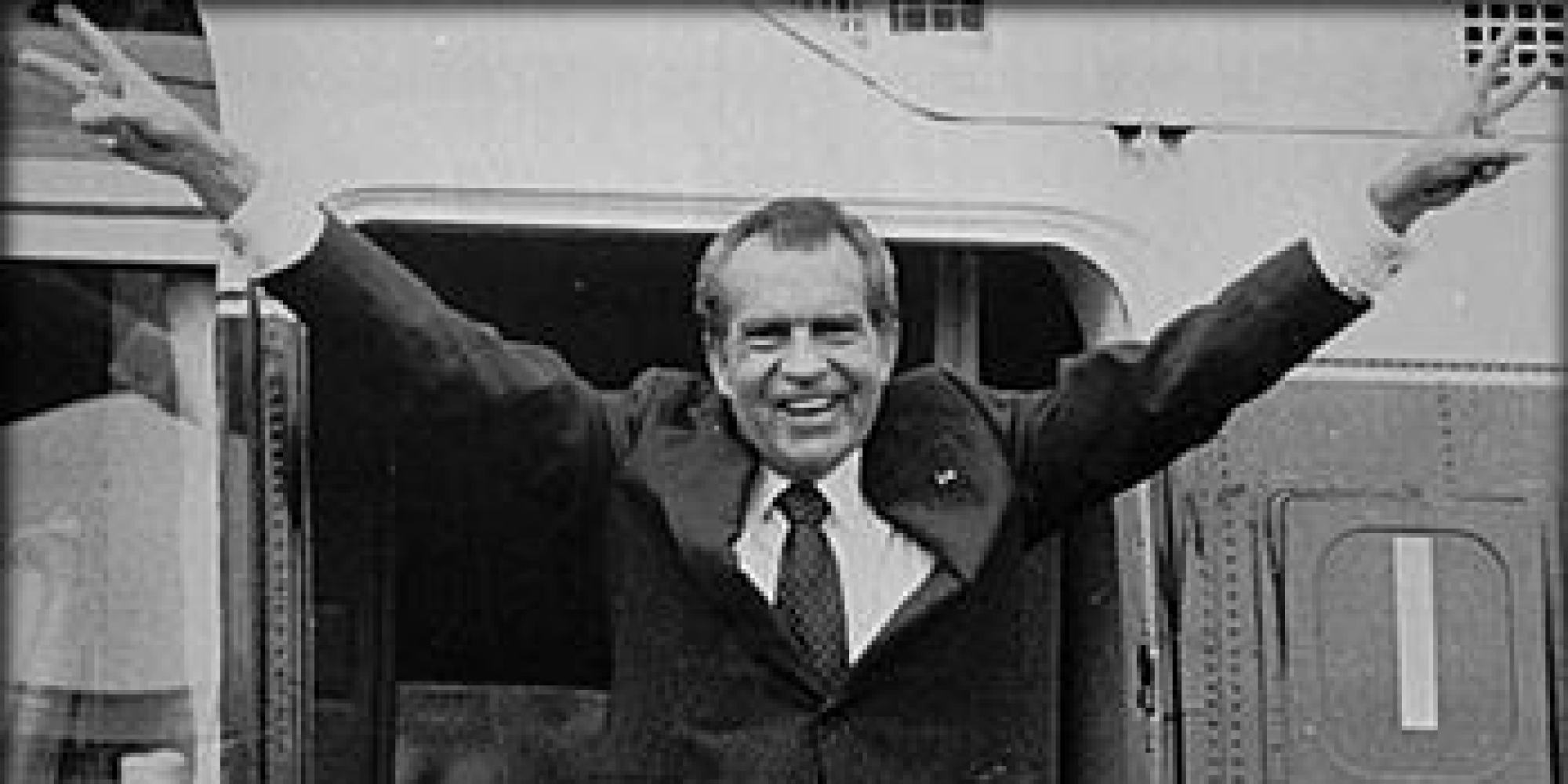
No one is above the law...not even the president.
Bush v. Gore
Marbury v. Madison
Miranda v. Arizona
U.S. v. Nixon
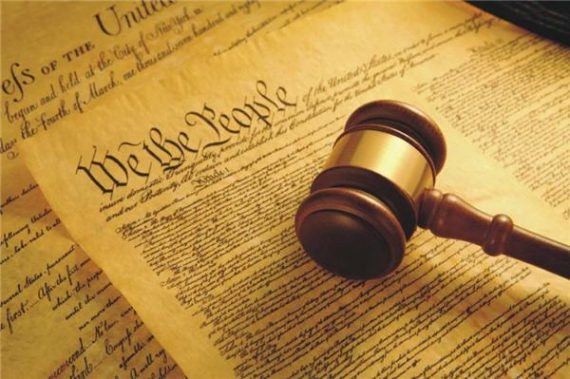
What is it called when the U.S. Supreme Court decides whether something is legal or illegal (unconstitutional)?
supreme court review
due process
segregation
judicial review
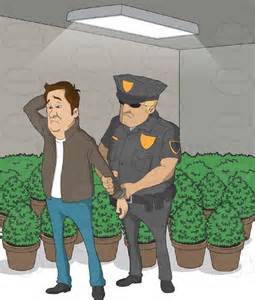
Suspects cannot be questioned (interrogated) until they are informed of their rights (right to remain silent, right to an attorney, etc.)
Brown v Board of Education
Miranda v Arizona
Tinker v Des Moines
Bush v Gore
Established the Supreme Courts power of “Judicial Review” to see if laws are Constitutional / Unconstitutional. (Judicial Branch interprets the laws)
Marbury v Madison
Hazelwood v Kuhlmeier
In Re Gault
District of Columbia v Heller
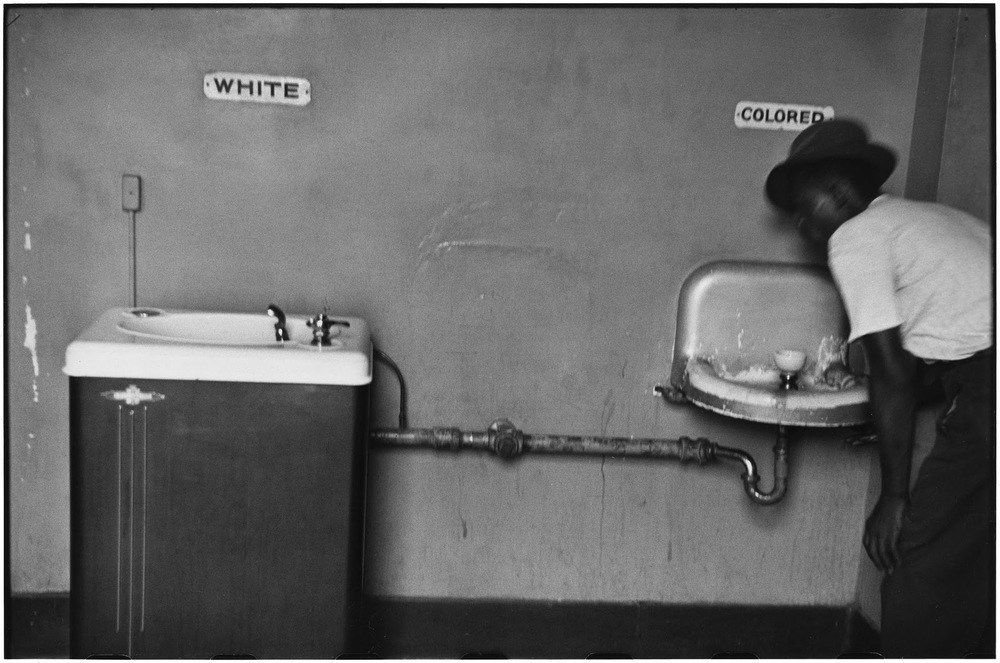
Established “Separate but Equal”, which provided separate public facilities for both whites and blacks as long as they were equal.
District of Columbia v Heller
In Re Gault
Brown v Board of Education
Plessy v Ferguson
A person accused of a crime no matter how poor has the right to an attorney during trial. Enforces the 6th Amendment.
Tinker v Des Moines
Gideon v Wainwright
Miranda v Arizona
United States v Nixon
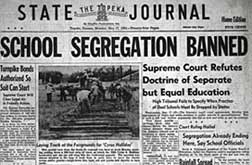
Ruled that “Separate but Equal” was Unconstitutional.
Hazelwood v Kuhlmeier
Marbury v Madison
Plessy v Ferguson
Brown v Board of Education
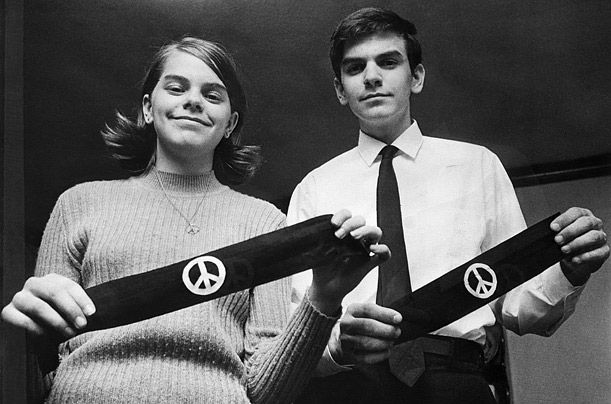
Students have the right to free speech at school as long it doesn’t disrupt school activities. (wearing black armbands in protest)
In Re Gault
District of Columbia v Heller
Hazelwood v Kuhlmeier
Tinker v Des Moines
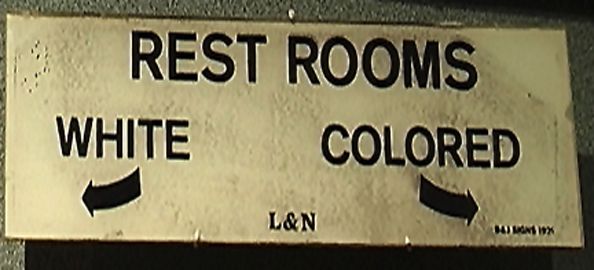
Legal or social separation of races.
Segregation
Lobbying
Boycotting
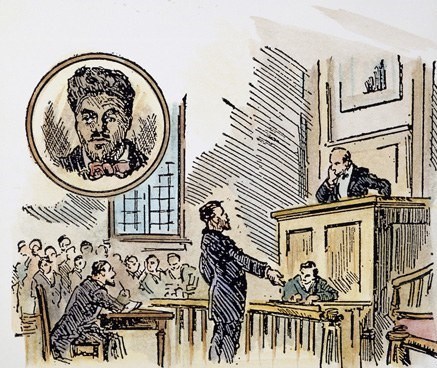
What was the Supreme Court's decision in the Dred Scott case?
That slavery diminished the national character.
That African American rights were protected by the Constitution.
That African Americans did not have the right to sue in federal court because they were not citizens
That slavery should be abolished by executive order
What is called when someone is being forced to testify against oneself?
self-incrimination
reflection
self-process
judicial review
Which statement accurately summarizes the impact of the Gideon v. Wainwright (1963) decision?
It incorporated the 4th Amendment to state and local governments
It required that police officers inform suspects under arrest of the 5th and 6th Amendment rights
It incorporated the right to legal counsel, as protected under the 6th Amendment, to state and local governments
It increased states' power to restrict freedom of speech when it is shown to increase danger to public safety
“From the very beginning, our state and national constitutions and laws have laid great emphasis on procedural and substantive safeguards designed to assure fair trials before impartial tribunals in which every defendant stands equal before the law. This noble ideal cannot be realized if the poor man charged with crime has to face his accusers without a lawyer to assist him.”
-Justice Hugo Black
Which of the following statements is most consistent with the author’s argument in this passage?
Defendants cannot be equal before the law if some cannot afford lawyers
Paid lawyers are better than public defenders at protecting the accused
State constitutions have always guaranteed the right to counsel for all defendants
What was the issue in Tinker v. Des Moines (1969)?
The students and parents sued the school district claiming a violation of their first Amendment right of freedom of speech.
The school district wanted to search the bags of the students.
The parents did not want their children wearing black arm bands in school.
The students felt that their freedom of religion was violated.
Why did John & Mary Beth Tinker and Chris Eckhardt wear black arm bands?
To Protest the war in Vietnam.
They disagreed about taxes.
To protest the 4th amendment.
To support WWII veterans.
You must be informed of your rights when arrested.
Gideon v. Wainwright (1963)
Mapp v. Ohio (1961)
Miranda v. Arizona (1966)
McDonald v. Chicago (2010)
The power of the President is not absolute.
Marbury v. Madison (1803)
Brown v. Board of Education (1954)
United States v. Nixon (1974)
Tinker v. Des Moines (1969)
The Supreme Court has the ability to review actions of the government to ensure they meet the Constitution.
Miranda v. Arizona (1966)
New Jersey v. TLO (1985)
Marbury v. Madison (1803)
Brown v. Board of Education (1954)
Segregation is illegal in all public places.
Baker v. Carr (1962)
Marbury v. Madison (1803)
Brown v. Board of Education (1954)
Tinker v. Des Moines (1969)
Students have the right to express your opinion so long as it does not distract from the learning environment.
New Jersey v. TLO (1985)
Brown v. Board of Education (1954)
Tinker v. Des Moines (1969)
Baker v. Carr (1962)
1896 (7-1 decision) Supreme Court decision upheld "separate but equal" segregation laws in states.
Miranda V Arizona
Plessy V Furgeson
Roe V Wade
Brown V Board of Education
1954 (9-0 decision) Supreme Court overruled Plessy v. Ferguson, declared that racially segregated facilities are inherently unequal and ordered all public schools desegregated.
Brown Vs Board of Education
T.L.O. Vs New Jersey
Miranda Vs. Arizona
Plessy Vs. Ferguson
1985 (6-3 decision) that states school officials do not need a warrant to justify a search; only required to have a "reasonable suspicion" that a student has violated school rules in order to search that student.
Plessy Vs. Ferguson
Roe Vs. Wade
Brown Vs. Board of Education
T.L.O. Vs. New Jersey
What was the Constitutional Principle established in Marbury v. Madison?
The Equal Protection Clause
The Judiciary Act of 1789
Judicial Review
Marbury becoming a Judge
A Freedom of Speech case, with a new SCOTUS standard/precedent claiming that words present a "clear and present danger" of criminal action can be punished by law. A man claiming "free speech" protection for telling others to avoid the draft loses and his conviction stands.
Citizens United v. FEC (2010)
Schenck v. US. (1919)
Engel v. Vitale (1963)
Tinker v. Des Moines (1969)
A question of whether the U.S. Government has the power to create a national Bank, due to its power to print money plus the Necessary and Proper clause. Also a question of whether a state can tax said bank without violating the Supremacy Clause from the Constitution. The court rules in favor of the federal government, strengthening the federal government overall.
McCulloch v. Maryland (1819)
Schenck v. US. (1919)
Engel v. Vitale (1963)
Tinker v. Des Moines (1969)
A person accused of a crime no matter how poor has the right to an attorney during trial. Enforces the 6th Amendment.
Tinker v Des Moines
Gideon v Wainwright
Miranda v Arizona
United States v Nixon
Which landmark case said that all African Americans were not legal citizens of the United States?
Marbury v. Madison
McCollock v. Maryland
Dred Scott v. Sanford
Brown v. Board of Education
Plessy v. Ferguson
This landmark case of the Supreme Court happened when a Slave sued for his freedom. It is considered one of the worst decisions in Supreme Court History.
Marbury v. Madison
McCollock v. Maryland
Dred Scott v. Sanford
Brown v. Board of Education
Plessy v. Ferguson
Which court case said a public school district's practice of starting their school day with a prayer was a violation of the Establishment Clause?
Tinker v. Des Moines
Mapp v. Ohio
Engel v. Vitale
Miranda v. Arizona

Which court case allowed students to wear black arm bands to protest the Vietnam War under the Free Speech portion of the 1st Amendment?
Gideon v. Wainwright
Engle v. Vitale
Tinker v. Des Moines
Miranda v. Arizona
This case stated that during times of war, protective measures may be taken even if they violate a certain racial groups civil rights:
Plessy v. Ferguson
Korematsu v. United States
Marbury v. Madison
Gibbons v. Ogden




Which of the following ideas BEST describes what protection we have from the case Miranda v. Arizona?
Self- incrimination
Right to counsel
Freedom of speech
Freedom of expression
Judicial Review allows the Supreme Court to do what?
Find persons innocent until proven guilty
Determine if a law is unconstitutional
Limit the number of cases they hear
Determine who will be the next Chief Justice
1st Amendment
Freedom of Expression
Money = Speech
2010
Tinker v Des Moines
Korematsu v US
Citizens United v Federal Election Committee
Engle v Vitale
Necessary and Proper Clause
Supremacy Clause
National Bank
1819
McCulloch v Maryland
Marbury v Madison
US v Nixon
Bush v Gore
14th Amendment
Separate but Equal=Bad
Schools
1954
US v Lopez
Brown v Board of Education
Roe v Wade
Plessy v Ferguson
14th Amendment
Equal Representation
Racial Gerrymandering
1993
New York Times v US
Mapp v Ohio
Baker v Carr
Shaw v Reno
6th Amendment
Florida
No legal counsel
1963
Miranda v Arizona
Gideon v Wainwright
Schenck v US
US v Lopez
Article III
Slaves= property
No freedom
1857
Marbury v Madison
Mapp v Ohio
Texas v Johnson
Dred Scott v Sandford
4th Amendment
14th Amendment
Abortion
1973
Roe v Wade
Regents of the University of California v Bakke
Bush v Gore
Engle v Vitale
1st Amendment
Freedom of Expression
Burning Stars and Stripes
1989
Texas v Johnson
Schenck v US
Baker v Carr
Wisconsin v Yoder
4th Amendment
Must have a Warrant
Can't use evidence that was illegally obtained
1961
District of Columbia v Heller
US v Nixon
US v Lopez
Mapp v Ohio
14th Amendment
Equal Representation
1 person = 1 vote
1962
Tinker v Des Moines
Baker v Carr
Plessy v Ferguson
McDonald v Chicago
Article II
Election
Florida messed up
2000
Miranda v Arizona
Korematsu v US
Bush v Gore
District of Columbia v Heller
5th Amendment
Felt forced to give confession
Every cop must say it
1966
Miranda v Arizona
McDonald v Chicago
Brown v Board
Texas v Johnson
1st Amendment
Freedom of the Press
Newspapers
1971
Schenck v US
US v Nixon
Citizens United v Federal Election Committee
New York Times v US
1st Amendment
Freedom of Religion
Freedom to practice their religion
1972
Engle v Vitale
Wisconsin v Yoder
Miranda v Arizona
Dred Scott v Sandford
5th Amendment
14th Amendment
Pearl Harbor Fear
1944
Schenck v US
Korematsu v US
Tinker v Des Moines
Hazelwood v Kuhlmeier
14th Amendment
Equal Protection Clause
Separate but Equal = OK
1896
Marbury v Madison
Gideon v Wainwright
Plessy v Ferguson
Baker v Carr
2nd Amendment
14th Amendment
Capital
2008
US v Nixon
Miranda v Madison
McDonald v Chicago
District of Columbia v Heller
1st Amendment
Establishment Clause
Schools
1962
Engle v Vitale
Brown v Board
Wisconsin v Yoder
Mapp v Ohio
Article III
Established Judicial Review
Judges didn't get their judgeships
1803
Plessy v Ferguson
Dred Scott v Sandford
McCulloch v Maryland
Marbury v Madison
1st Amendment
Free Speech
World War I Draft
1919
Shaw v Reno
Schenck v US
Us v Nixon
New York Times v US
1st Amendment
Free Speech
Schools and Vietnam War
1969
Texas v Johnson
Tinker v Des Moines
Schenck v US
McDonald v Chicago
Article II
Executive Privilege
Recording Conversations
1974
US v Nixon
Bush v Gore
Citizens United v Federal Election Committee
District of Columbia v Heller
2nd Amendment
Guns ok for self-defense
2nd Amendment applies to state and local governments
2010
Korematsu v US
District of Columbia v Heller
US v Lopez
McDonald v Chicago
Article I
Commerce Clause
Not 2nd Amendment
1995
US v Lopez
Hazelwood v Kuhlmeier
Mapp v Ohio
Texas v Johnson
1st Amendment
Freedom of Press
School Newspapers
1988
Baker v Carr
Hazelwood v Kuhlmeier
Brown v Board of Education
Engle v Vitale
14th Amendment
Discrimination
Colleges
1978
Brown v Board of Education
Regents of the University of California v Bakke
District of Columbia v Heller
McDonald v Chicago
Public ______ is anchored in multiple sources and types of law.
policy
opinion
obligation
action
The Code of Hammurabi is a written _________ that guided the society of Babylon.
book
alliance
code
treaty
Presumption of innocence originated with:
12 Tables of Roman Law
Code of Hammurabi
English Common Law
Magna Carta
During the American Revolution, the Magna Carta was one inspiration for the (a) to seek their (b) .
________ law is created by precedent.
Case
Statutory
Prescriptive
Regulatory
________ law is created by legislatures.
Common
Case
Statutory
Instructive
______ law is related to personal injuries or individual concerns.
Military
Civil
Criminal
Juvenile
______ law is passed to create on orderly society.
Military
Civil
Criminal
Juvenile
______ law pertains to people under the age of 18 specifically.
Military
Civil
Criminal
Juvenile
______ law has separate laws and procedures.
Military
Civil
Criminal
Juvenile
_________ are created by executive agencies to interpret and determine the application of laws.
Acts
Regulations
Sanctions
Bills
The U.S._______ Court is the highest court in America.
Supreme
District
Appellate
Tribunal
The U.S. Supreme court hears less than __% of the cases appealed to them.
1
10
50
70
(a) : establishes judicial review.
(a) established segregation as constitutional. This decision was later overturned in (b) .
In re: Gault established that minors have _____ rights.
due process
voting
military
financial
(a) established that students have rights to individual free expression at school. (b) established that student publications do not have First Amendment protection.
(a) established the right to free legal counsel. (b) established procedures by which all being arrested are informed of their rights to representation and against self-incrimination.
The United States v Nixon represented a major check on ______ power.
legislative
executive
judicial
District of Columbia v Heller was related to ______ Amendment rights.
First
Second
Third
Fourth

Speech that presents a “clear and present danger” to the security of the United States is in violation of the First Amendment free speech principle.
Marbury v. Madison
McCulloch v. Maryland
Gibbons v. Ogden
Dred Scott v. Sandford
Schenck v. United States
Evidence that is illegally obtained by the state may not be used against a defendant in court.
Plessy v. Ferguson
Korematsu v. United States
Brown v. Board of Education of Topeka, Kansas
Mapp v. Ohio
Engel v. Vitale
Speech that presents a “clear and present danger” to the security of the United States is in violation of the First Amendment free speech principle.
Marbury v. Madison
McCulloch v. Maryland
Gibbons v. Ogden
Dred Scott v. Sandford
Schenck v. United States
Evidence that is illegally obtained by the state may not be used against a defendant in court.
Plessy v. Ferguson
Korematsu v. United States
Brown v. Board of Education of Topeka, Kansas
Mapp v. Ohio
Engel v. Vitale

