
 Worksheets
Weather Part 2: Air Masses & Weather Fronts
Total questions: 28
Worksheet time: 21mins
Name
Class
Date
1.

1. The science or study of the weather
a)
astronomy
b)
meteorology
c)
seismology
2.

2. The big puffy white clouds generally seen during fair weather
a)
cumulus clouds
b)
cirrus clouds
c)
stratus clouds
3.
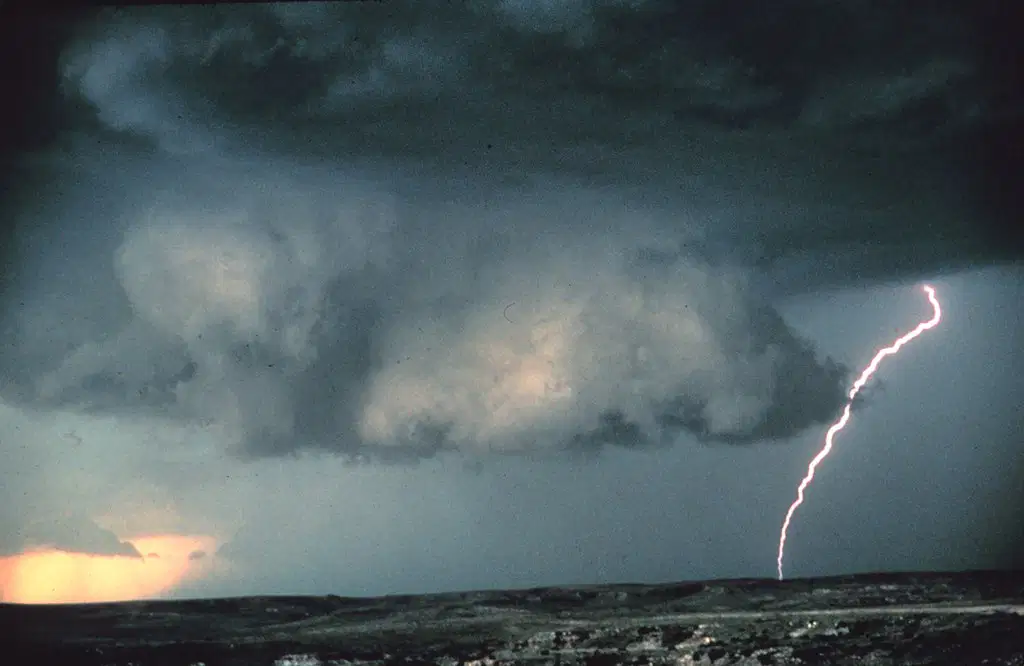
3. Tall towering clouds; these are the thunderstorm clouds
a)
cirrus clouds
b)
cumulonimbus clouds
c)
stratus clouds
4.
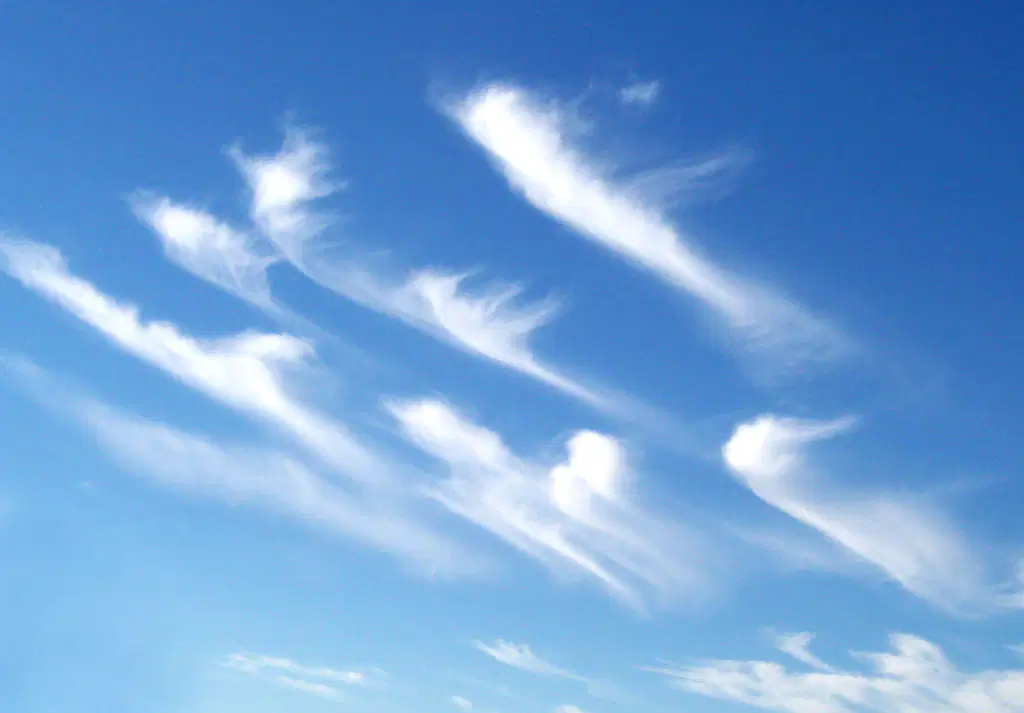
4. These are the high thin clouds seen in the sky; usually indicate that fair weather is on the way
a)
cirrus clouds
b)
cumulonimbus clouds
c)
stratus clouds
5.
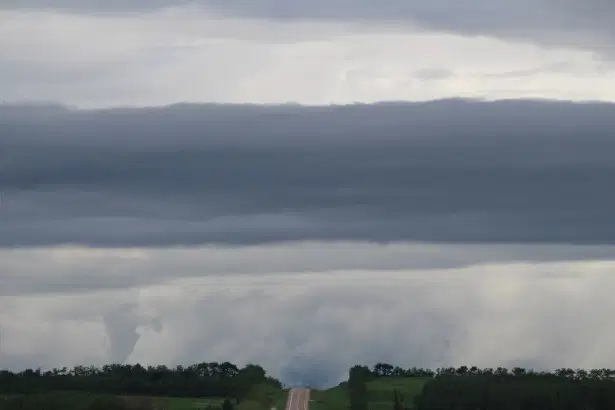
5. These are the low, flat clouds that cover the entire sky on an overcast day; they produce light rain or drizzle
a)
cumulus clouds
b)
cirrus clouds
c)
stratus clouds
6.

6. What do you call the boundary between 2 different air masses?
a)
warm front
b)
weather front
c)
stationary front
7.
7. Because of the difference in _________ & __________ of the air masses, the meeting results in storms & changing weather
a)
speed & temperature
b)
temperature & density
8.
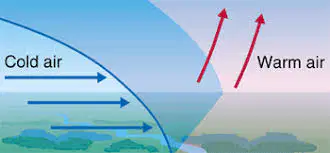
8. Cold air moves under the warm air forcing the arm air to rise quickly
a)
cold front
b)
stationary front
c)
occluded front
9.
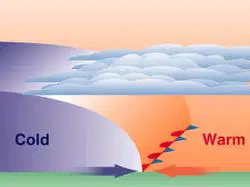
9. When two air masses meet but neither is strong enough to replace the other & both stand still
a)
cold front
b)
warm front
c)
stationary front
10.
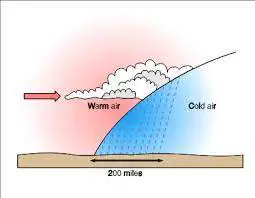
10. When warm air meets cold air
a)
warm front
b)
stationary front
c)
occluded front
11.

11. A large body of air that has the same properties as the area over which it formed.
a)
air mass
b)
wind
c)
occluded front
12.

12. How are air masses named?
a)
by their moisture
b)
where they come from
13.
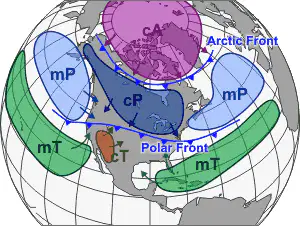
13. Which two characteristics go into naming an air mass?
a)
moisture & temperature
b)
density & pressure
14.
14. An air mass from central Canada would be labeled as cP. What are the characteristics of this air mass?
a)
warm & dry
b)
cold & dry
c)
warm & mosit
15.
15. An air mass from the Gulf of Mexico moves into Alabama. What are the characteristics of this air mass?
a)
cold & moist
b)
cold & dry
c)
warm & moist
16.

16. What causes air masses to move?
a)
air pressure
b)
air density
c)
the wind
17.
17. Which type of front involves a warm air mass trapped between 2 cold air masses? It's not very common in the South
a)
occluded front
b)
warm fron
c)
stationary front
18.

18. Which type of weather front typically brings violent, stormy weather?
a)
warm front
b)
stationary front
c)
cold front
19.

19. Which type of front brings gentle rain showers & humid air?
a)
warm front
b)
stationary front
c)
occluded front
20.
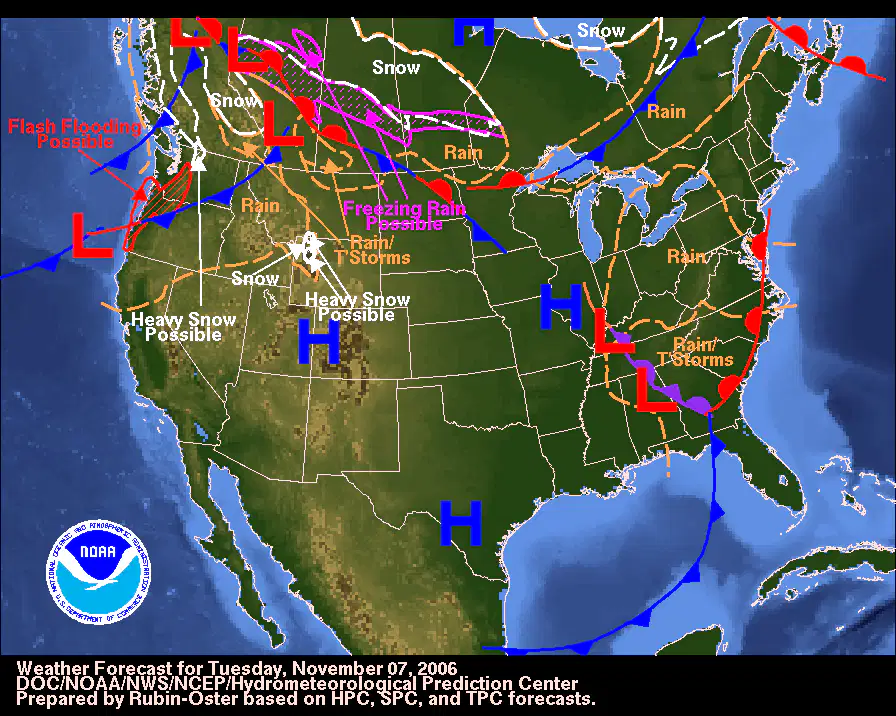
20. Which type of air pressure brings calm, clear weather?
a)
high pressure
b)
low pressure
21.

21. Which type of air pressure brings cloudy, rainy or stormy weather?
a)
high pressure
b)
low pressure
22.
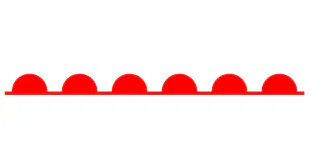
22. Name this weather front symbol
a)
warm front
b)
cold front
c)
stationary front
23.
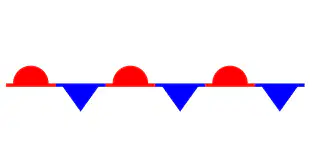
23. Name this weather front symbol
a)
warm front
b)
cold front
c)
stationary front
24.

24. Name this weather front symbol
a)
warm front
b)
cold front
c)
stationary front
25.

25. Which direction is the stationary front moving?
a)
North
b)
Southeast
c)
East
d)
Stationary fronts don't move; they stand still
26.
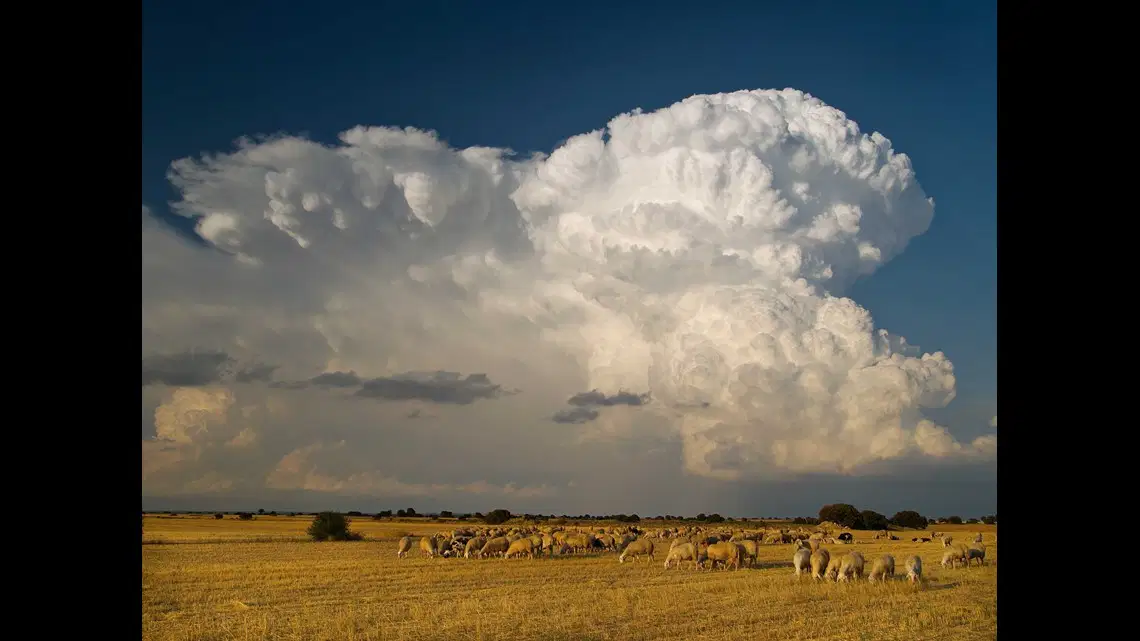
Bonus 1: What are the 3 ingredients necessary to produce a thunderstorm?
a)
moisture, high pressure, warm air
b)
lift, unstable air, moisture
c)
low pressure & high pressure
d)
27.

Bonus 2: All thunderstorms have lots of moisture. Where does that moisture typically come from?
a)
evaporation from the oceans
b)
condensation
c)
transpiration
28.

Bonus 3: In a thunderstorm cloud, upward winds & downward winds (updrafts & downdrafts) happen at the same time. What fuels a thunderstorm with warm moist air?
a)
air density
b)
updrafts
c)
winds from the Jet Stream
100 %

