
NEW
Font size
 Worksheets
5th Science STAAR Review
Total questions: 45
Worksheet time: 23mins
When water changes from a LIQUID to a GAS the process is called....
transpiration
evaporation
condensation
precipitation
When water changes from a gas to a liquid, the process is called..... (Think about the water droplets that form on the outside of a glass!)
evaporation
preciptation
condensation
transpiration
A magnet would be a good tool to use when you need to separate a mixture of iron filings and pepper.
True
False
Mixtures can be separated when the materials in it have different densities.
True
False
Does cork float?
Yes
No
Define the term soluble.
Can dissolve in water
Cannot dissolve in water
Partially dissolves in water
Define the term insoluble.
Can dissolve in water.
Cannot dissolve in water.
Partially dissolves in water.
Is salt soluble or insoluble?
soluble
insoluble
What causes a change in motion?
Force
Position
Potential energy
Kinetic energy
What is a force that opposes motion?
Direction
Friction
Potential energy
Kinetic Energy
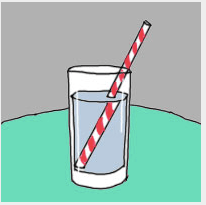
Why does the straw appear to be bent?
light is reflected
light is absorbed
light is turned
light is refracted

What is the best explanation for Mickey seeing himself in the mirror?
refraction
absorbed
reflection
flipped


A renewable source of energy is____________
coal
natural gas
solar
oil
Which type of energy can be renewed?
Natural gas
oil
Water
Coal
Natural Gas is a __________ energy resource.
Renewable
Non-renewable
Which of the following is a non-renewable resource?
Water
Wood
Oil
Fossil Fuel are?
A group of energy resources that were formed from ancient plants and organisms
A group of dinosaur fossils
A type of gas used for planes
Which is NOT a type of fossil fuel?
Coal
Oil
Wood
Natural Gas
How are fossil fuels formed?
They are made in factories
Dead plants and animals died millions of years ago and were buried under heat and pressure
Dead plants were buried under heat and pressure
Dead animals were buried under heat and pressure
Which fossil fuel is formed only from dead plants in swamps?
Rubber
Petroleum
Coal
Natural Gas
The movement of weathered material on the Earth's surface by wind, water, or ice.
Weathering
Erosion
Depostion
Elliption
The breaking of rock into smaller pieces from the effects of water, wind, and ice
Weathering
Erosion
Depostion
Delta
A narrow area of low land between hills and mountains created by a River.
Volcano
U Shaped Valley
V Shaped Valley
Riverbend
A wide area of low land between mountains created by a Glacier
V Shaped Valley
U Shaped Valley
Lowlands
Icelands
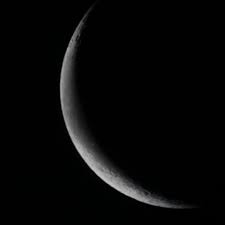

Where will the tree's shadow be?
A
B
C
When the Sun is behind you, your shadow is ...
behind you
in front of you
at the side of you
not there
Animals that only eat meat (animals).
carnivore
herbivore
omnivore

Plants are interacting directly with another living thing of their environment when they are–
attracting insects.
absorbing sunlight.
soaking up water.
taking in carbon dioxide.

Frogs in a pond interact with both living and nonliving things in their ecosystem. Frogs interact with nonliving components(or things) when they–
eat swimming insects for energy.
lay their eggs in bodies of water.
become food for another animal.
hide beneath plants in the pond.

Plants interact with living and nonliving things in their environment. Which is an interaction with a nonliving thing?
Small insects eating the stems of plants
Humans breathing oxygen released by plants
Sandy soil holding the roots of plants
Bees gathering pollen from flowers of plants
A tree is a __________ because it makes its own food using a process called photosynthesis.
producer
consumer
decomposer


Who is going to try their best on the Science simulation and make Ms. G proud??
ME!!!!!
Not me

