
 Worksheets
Ecosystems Quiz Review
Total questions: 25
Worksheet time: 13mins
Name
Class
Date
1.
What is an omnivore?
a)
an organism that breaks down dead plant and animal material for energy
b)
a consumer that eats only plants for energy
c)
a consumer that eats both plants and other animals for energy
d)
a consumer that eats only other animals for energy
2.
What is a carnivore?
a)
an organism that breaks down dead plant and animal material for energy
b)
a consumer that eats only plants for energy
c)
a consumer that eats both plants and other animals for energy
d)
a consumer that eats only other animals for energy
3.
What is a herbivore?
a)
an organism that breaks down dead plant and animal material for energy
b)
a consumer that eats only plants for energy
c)
a consumer that eats both plants and other animals for energy
d)
a consumer that eats only other animals for energy
4.
What is a decomposer?
a)
an organism that eats other organisms to get energy
b)
a consumer that eats both plants and other animals for energy
c)
an organism that breaks down dead plant and animal material for energy
d)
an organism that produces its own food for energy
5.
What is a consumer?
a)
an organism that eats other organisms to get energy
b)
a consumer that eats both plants and other animals for energy
c)
an organism that breaks down dead plant and animal material for energy
d)
an organism that produces its own food for energy
6.
What is a producer?
a)
an organism that eats other organisms to get energy
b)
a consumer that eats both plants and other animals for energy
c)
an organism that breaks down dead plant and animal material for energy
d)
an organism that produces its own food for energy
7.
What is prey?
a)
a consumer that eats only other animals for energy
b)
an animal that kills and eats other animals for energy
c)
an animal that is killed and eaten by a predator
d)
an organism that produces its own food for energy
8.
What is a predator?
a)
an animal that kills and eats other animals for energy
b)
an animal that is killed and eaten by another animal
c)
a diagram that shows the amounts of energy that flow between organisms in an ecosystem
d)
an organism that produces its own food for energy
9.
What are biotic factors?
a)
the living parts of an ecosystem
b)
organisms that break down dead plant and animal material for energy
c)
organisms that produce their own food for energy
d)
the nonliving parts of an ecosystem
10.
What are abiotic factors?
a)
the living parts of an ecosystem
b)
organisms that break down dead plant and animal material for energy
c)
organisms that produce their own food for energy
d)
the nonliving parts of an ecosystem
11.
What is a habitat?
a)
a group of the same species living in the same place at the same time
b)
a consumer that eats other animals for energy
c)
the specific place where an organism lives
d)
an organism that breaks down dead plant and animal material for energy
12.
What is a community?
a)
all of the nonliving parts of an ecosystem
b)
a group of the same species living in the same place at the same time
c)
all of the living and nonliving things that interact in an area
d)
all of the populations living in the same place at the same time
13.
A population is ________.
a)
the specific place where an organism lives
b)
the nonliving parts of an ecosystem
c)
the role an organism plays in an ecosystem
d)
a group of the same species living in the same place at the same time
14.
What is an ecosystem?
a)
All of the populations living in the same place at the same time
b)
All of the living and nonliving things that interact in an area
c)
A group of the same species living in the same place at the same time
d)
The role an organism plays in an ecosystem
15.
The _________ biome is a treeless plain near the taiga with a layer of frozen ground year-round.
a)
Tundra
b)
Tropical Rainforest
c)
Desert
d)
Grassland
e)
Taiga
16.
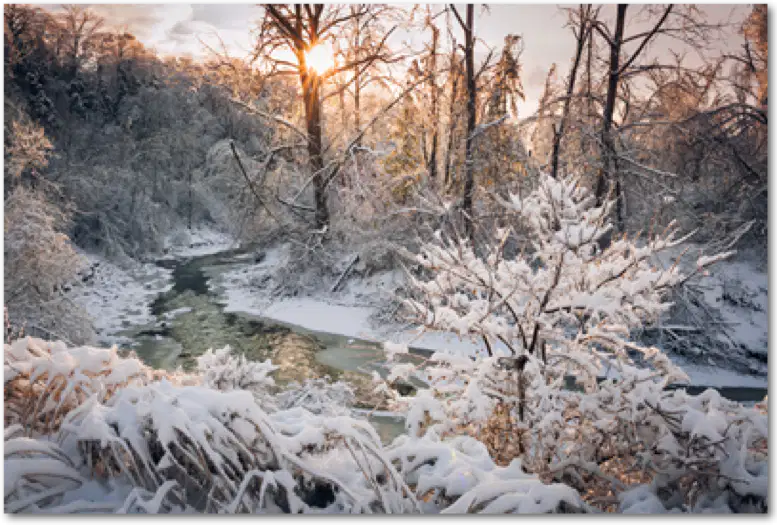
Identify the biome.
a)
Deciduous Forest
b)
Tropical Rainforest
c)
Desert
d)
Tundra
e)
Grassland
17.
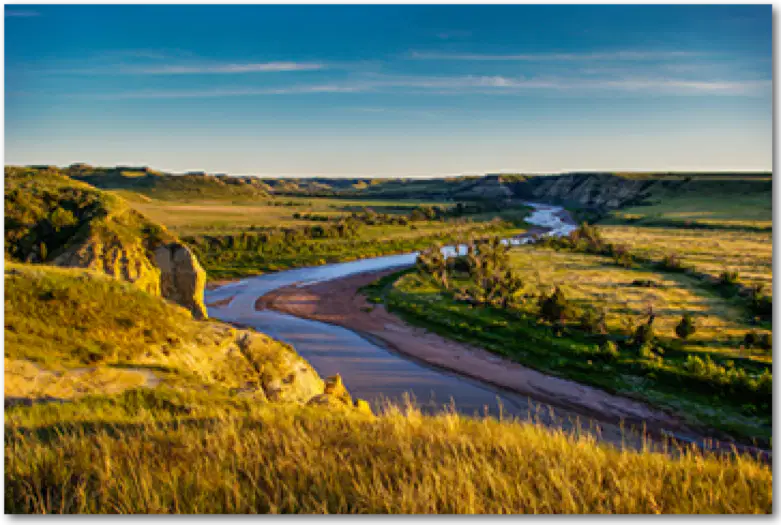
Identify the biome.
a)
Grassland
b)
Tropical Rainforest
c)
Desert
d)
Tundra
e)
Taiga
18.
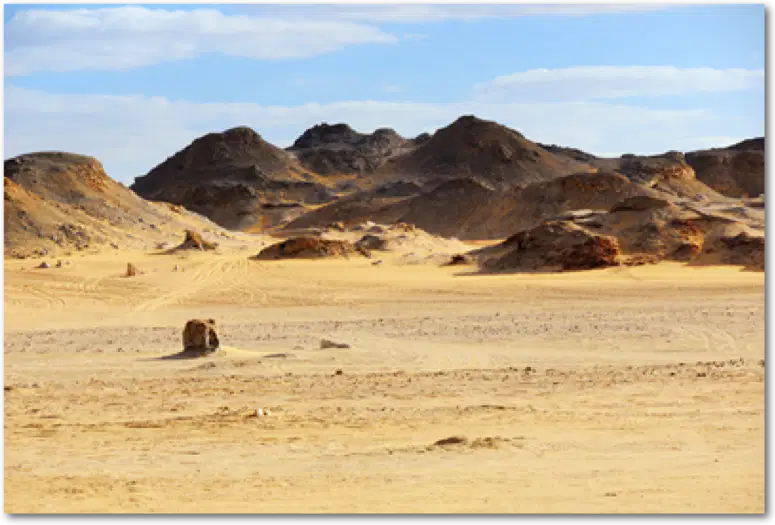
Identify the biome.
a)
Desert
b)
Tropical Rainforest
c)
Tundra
d)
Grassland
e)
Taiga
19.
What might you expect to see while traveling in the taiga? Select all that apply.
a)
Many trees that have needle-shaped leaves
b)
Animals that have adaptations to survive cold winters
c)
Almost no animals during any part of the year
d)
Mostly trees that lose their leaves in winter
20.
Do plants in the tropical rainforest have to compete for water?
a)
No because many tropical plants do not need much water
b)
No because a tropical rainforest gets the most rain of all the terrestrial biome
c)
Yes because the trees at the very top absorb all of the rain
d)
Yes because very little rain falls in a tropical rainforest
21.
What are terrestrial biomes?
a)
Groups of organisms
b)
Small areas of land that share similar climates, animals, and plants
c)
Small farms that have large fields of crops
d)
Large areas of land that share similar climates, animals, and plants
22.
A rabbit is an herbivore that eats plants. A rabbit is the prey of many predators, like owls and coyotes. A rabbit controls the population of plants in an ecosystem and provides food for many predators. This statement describes the rabbit’s ___________.
a)
Niche
b)
Community
c)
Habitat
d)
Population
23.
Which of the following are included in an ecosystem? Select all that apply.
a)
Many different habitats
b)
Abiotic Factors
c)
Biotic Factors
d)
Many different organisms with different niches
24.
Which of the following are abiotic factors? Select all that apply.
a)
Oxygen
b)
Soil
c)
Temperature
d)
Rocks
e)
Water
25.
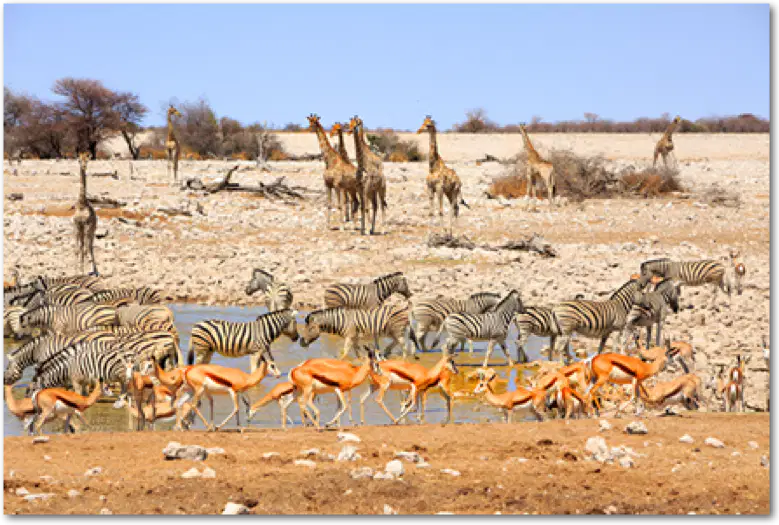
Which of the following is the best description for this picture?
a)
A habitat
b)
A population
c)
A community
d)
A niche
100 %

