
 Worksheets
Rock Cycle
Total questions: 64
Worksheet time: 1hrs 3mins
During which process does layer upon layer of sediment build up, exerting pressure on the layers below?
Erosion
Compaction
Conglomerate
Metamorphic rock transforms to sediment by ______?
melting and cooling
cementation and compaction
Weathering and erosion
heat and pressure
Heat and ____________ can change sedimentary rock into metamorphic rock.
Pressure
Melting
Coolig
Igneous rocks form from the __________ of magma or lava.
Pressure
Cooling
Heat
_________ is the process which causes magma to form.
Pressure
Melting
Cooling
Why are some igneous rocks coarse and others are smooth?
Igneous rocks have different textures based on their crystal size. Determined by how quickly it cools.
Igneous rocks have different based on their crystal weight. Determined by how quickly it warms.
Which type of rock often contains fossils and how do you think this occurs?
Sedimentary rocks
Metamorphic
Igneous
Which of the following is an igneous rock?
Gneiss
Shale
Limestone
Pumice
What type of rock is formed from slow cooling magma UNDER the earth's surface?
Extrusive Igneous
Intrusive Igneous
Metamorphic
Sediment
Identify the series of geologic processes that can transform sediment into shale (sedimentary rock), shale into slate (metamorphic), and slate into magma
Cooling; Melting; Heat and Pressure
Compacting and cementing; heat and pressure; melting
Melting; heat and pressure; cooling
Weathering and erosion; compacting and cementing; cooling
Which characteristic is found only in sedimentary rocks?
Fossils
Crystals
Gas Bubbles
Glassy Surface

The Mount Rushmore National Monument is carved from the granite (formed from magma underground) of South Dakota's Black Hills. What type of rock is granite?
Igneous
Metamorphic
Sedimentary
None of the above

The seated sculpture of President Lincoln inside the Lincoln Memorial was carved out of white Georgia marble (formed from Earth's pressure and heat). What type of is marble?
Igneous
Metamorphic
Sedimentary
None of the above
Which characteristic is common to EXTRUSIVE igneous rocks?
Crystals
Fossils
Glassy surface
Ribbonlike layers
Identify the series of geologic processes that can transform magma into granite (igneous rock), granite into sand (sediment), and sand into sandstone (sedimentary rock).
Cooling; weathering and erosion; compacting and cementing
Melting; heat and pressure; cooling
Weathering and erosion; compacting and cementing;
Weathering and erosion; compacting and cementing; heat and pressure


Which type of rock is made from magma cooling inside Earth?
EXTRUSIVE igneous
INTRUSIVE igneous
metamorphic
sedimentary
Which type of rock is made from lava cooling on the surface of Earth?
EXTRUSIVE Igneous
Metamorphic
Sedimentary
INTRUSIVE Igneous


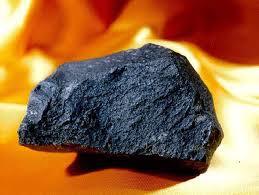
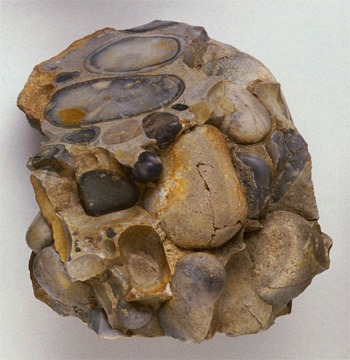


Mixture of minerals, volcanic glass, organic matter, or other material
Brick
Soda Pop Bottle
Steel
Rock

A model showing the processes that create and change rock.
Water Cycle
Carbon Cycle
Rock Cycle
Nitrogen Cycle

_________ rock can be changed by heat and pressure into metamorphic rock.
Large
Sedimentary
Hard
Soft

__________ rock can be broken into fragments that may later form sedimentary rock.
Igneous
Hard
Soft
Small

______ rock can melt and cool to form igneous rock.
Soft
Hard
Metamorphic
Large

Magma that reaches the surface flows from a volcano as ____________
Magma
Water
Ice
Lava

Magma trapped below the surface forms large – grained ______________ rock when it cools.
Extrusive
Metamorphic
Sedimentary
Intrusive

Magma cooling at or near Earth’s surface forms small-grained __________ igneous rock.
Extrusive
Intrusive
Sedimentary
Metamorphic

Igneous rocks are classified in 2 ways.
Heavy and Light
Hot and Cold
Sedimentary and Metamorphic
Extrusive and Intrusive

Volcanic glass rock (obsidian) __________ so quickly that few crystals form.
break
melt
cool
flow

_____________ and ______________ result from one layer of rock on top of another layer.
Tall and short
Heat and pressure
Big and small
Sand and gravel

Sometimes temperature and pressure are great enough to melt rock, forming ______________.
magma
lava
water
sandstone

_____________ texture – mineral grains flatten and line up in parallel layers or bands.
Sandstone
Limestone
Granite
Foliated

_______ texture - mineral grains grow and rearrange but do not form layers.
Drywall
Non-foliated
Smooth
Rough

Sometimes ____________ flattens mineral grains in rocks without melting them.
lava
cold
pressure
granite

Type of rock mostly found on the exposed surface of Earth.
Igneous
Granite
Metamorphic
Sedimentary

Sedimentary Rocks form in
Layers
the desert only
underground
on top of water

Rock fragments, mineral grains, and bits of plants and animal remains moved by wind, water, ice or gravity are called _________________.
sediments
granite
marble
sandstone

When water and other minerals move through open spaced between larger sediments, gluing them together, ____________ occurs.
Compaction
Deposition
Cementation
Erosion

_________ ___________ rocks are made from the remains of once – living plants or animals.
Igneous and metamorphic
Clastic sedimentary
Chemical sedimentary
Organic sedimentary

