
 Worksheets
Central Dogma and Mutation
Total questions: 168
Worksheet time: 2hrs 10mins
ATG TGA CAG
In eukaryotes, which organelle is DNA usually found in?
cell membrane
vacuole
chloroplast
nucleus


Acquired Traits
Modified Traits
gene, chromosome, nucleus, cell, nucleotide
cell, nucleus, chromosome, gene, nucleotide
nucleotide, chromosome, cell, nucleus
cell, gene, nucleotide, nucleus, chromosome

The molecule pictured is a building block of _______.
a lipid
Where in the cell can DNA be found?
In the ribosomes
In the nucleus
In the cytoplasm
All of the above
Which bases are found in RNA?
Adenine (A), Thymine (T), Uracil (U), Guanine (G)
Uracil (U), Guanine (G), Cytosine (C), Thymine (T)
Guanine (G), Cytosine (C), Uracil (U), Adenine (A)
Cytosine (C), Guanine (G), Thymine (T), Uracil (U)
For the given DNA sequence, what would the complementary RNA sequence be?
A-G-G-C-T-A
T-G-C-A-A-G
U-C-C-G-A-U
U-C-G-C-A-U
T-C-C-G-A-T
What kind of bond holds base pairs together in the center of a DNA molecule?
(a)
Which two scientists are credited with discovering the double helix structure of DNA?
Rosalind Franklin
Francis Crick
Linus Pauling
Oswald Avery
James Watson
What does DNA stand for?
(a)
What does RNA stand for?
(a)
DNA codes for which of the following?
Monosaccharides
Traits
Proteins
Ribosomes
RNA codes for which of the following?
Monosaccharides
Traits
Proteins
Ribosomes
What are the three parts of a nucleotide?
Phosphate group
Nitrogenous base
Thymine
Sugar
Hydrogen
Which sugar is found in DNA?
Glucose
Galactose
Maltodextrose
Deoxyribose

Is this nucleotide a purine or a pyrimidine?
Purine
Pyrimidine

Which of these is 5'?
A
B
C
D
E
Which of these is 3'?
A
B
C
D
E
If cytosine accounts for 32% of a DNA molecule's total bases, what percentage will guanine account for?
68%
32%
64%
18%
If cytosine accounts for 32% of a DNA molecule's total bases, what percentage will thymine account for?
68%
32%
64%
18%

Which part of the nucleotide is this?
Nitrogenous base
Sugar
Phosphate group

Which part of the nucleotide is this?
Nitrogenous base
Sugar
Phosphate group

Which part of the nucleotide is this?
Nitrogenous base
Sugar
Phosphate group

Is this a DNA or an RNA nucleotide?
(a)
ATG TGA CAG

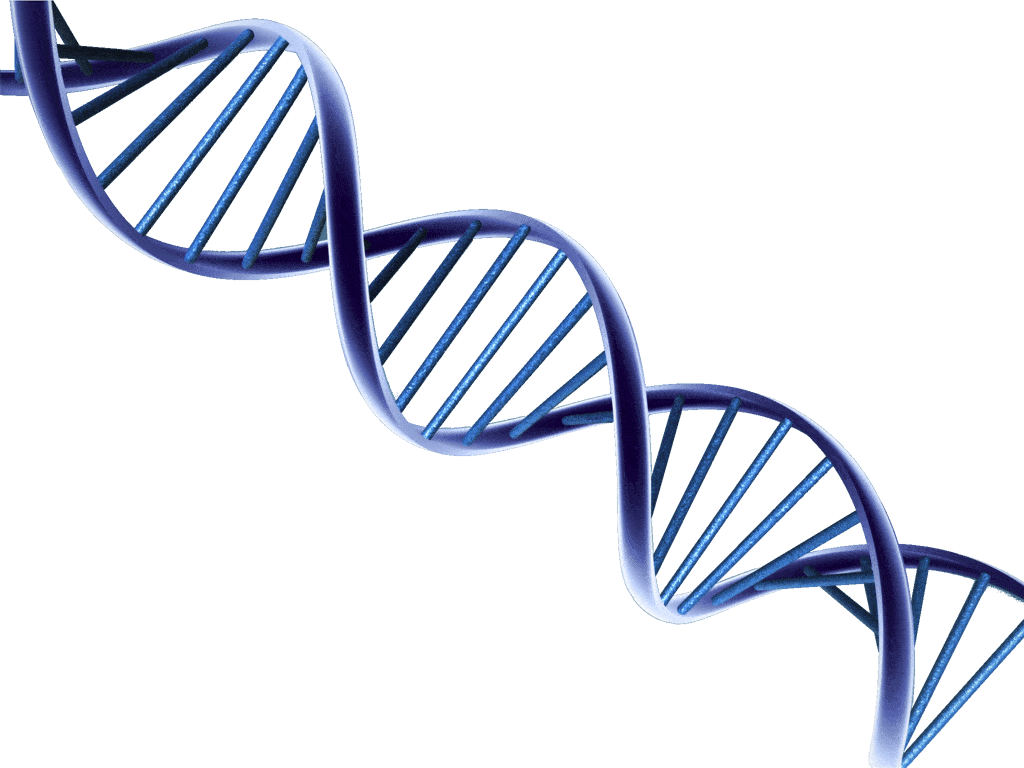
What is the name of the place where the double helix is unwound?
Replication Fork
The Y zone
Open Sesame
Replication Spoon
The two strands of DNA are
Parallel
Antiparallel
Perpendicular
At Right Angles
ATG TGA CAG

AATCATGGA


When an extra base is inserted into the DNA sequence of a gene, the protein doesn't work. Which explains why?
the base increases rate of translation
the base causes DNA to be transcribed in opposite direction
the inserted base causes the codons in the sequence to be shifted and read differently
the base signals enzymes to translate DNA rather than RNA
In RNA, Uracil pairs with ______.
cytosine
adenine
guanine
thymine
DNA holds the code for
lipids
carbohydrates
proteins
sugars

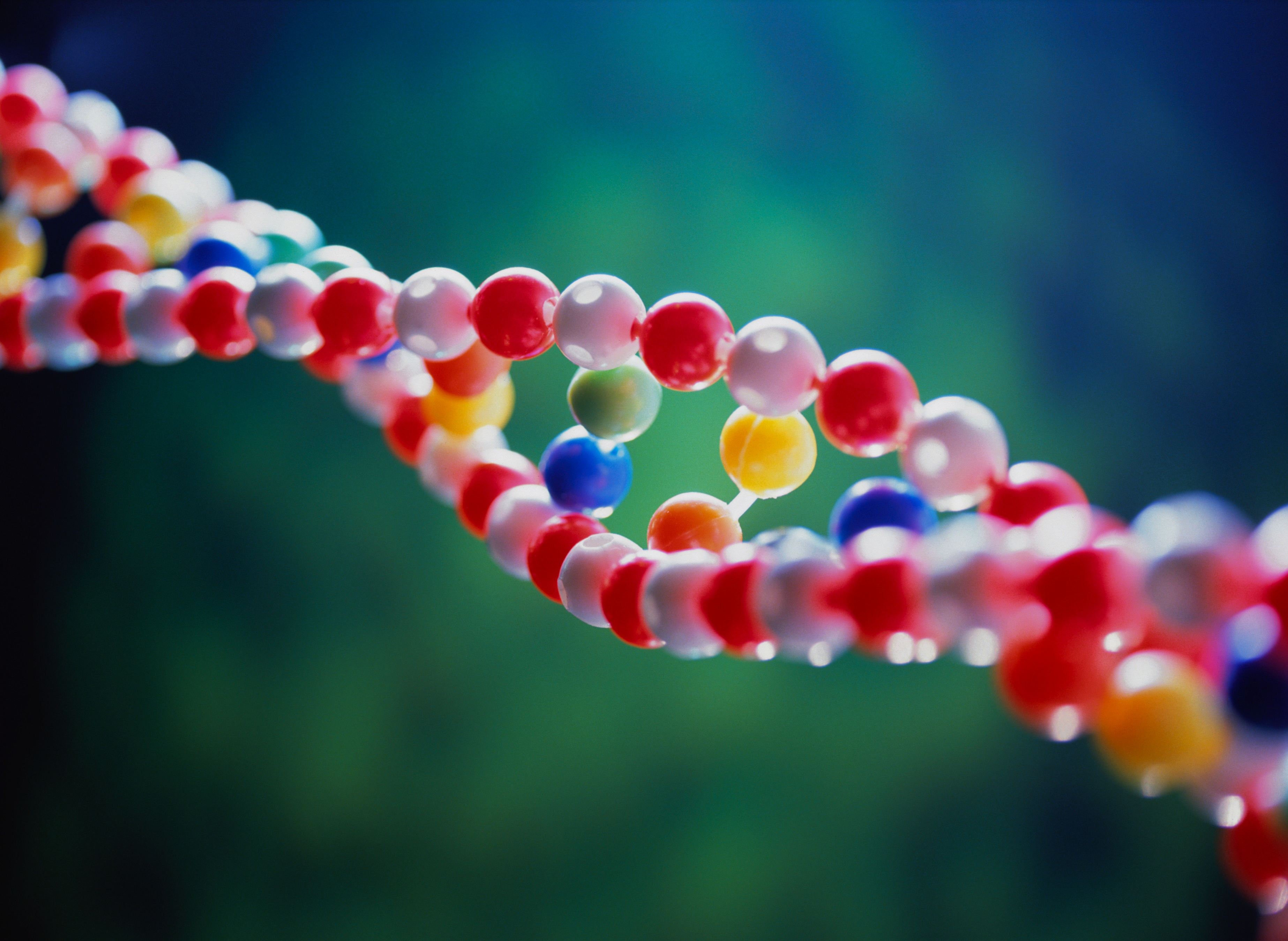
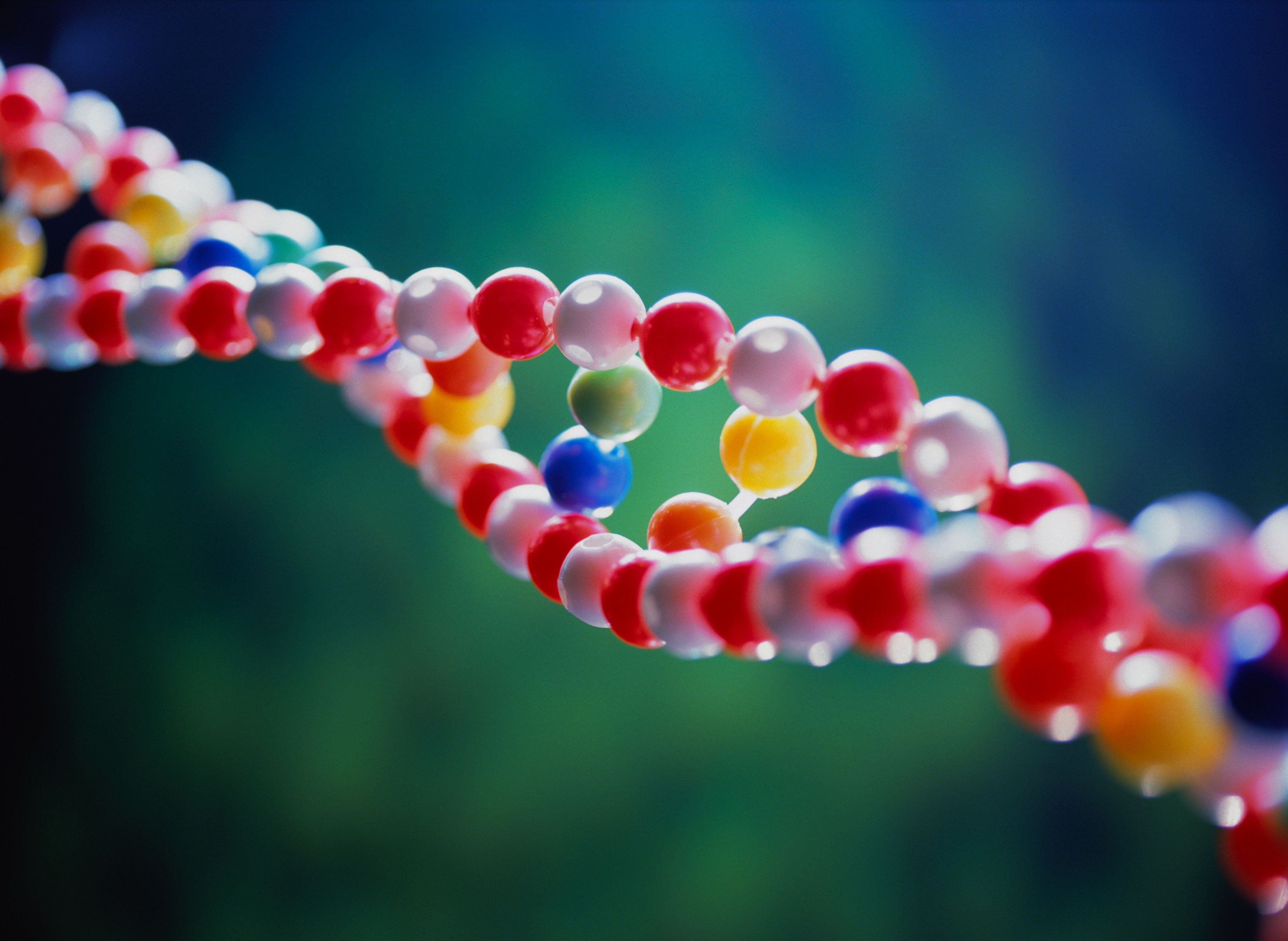
What process is going on in this photo?
Transcription
Translation
Replication
All the above
ATG TGA CAG

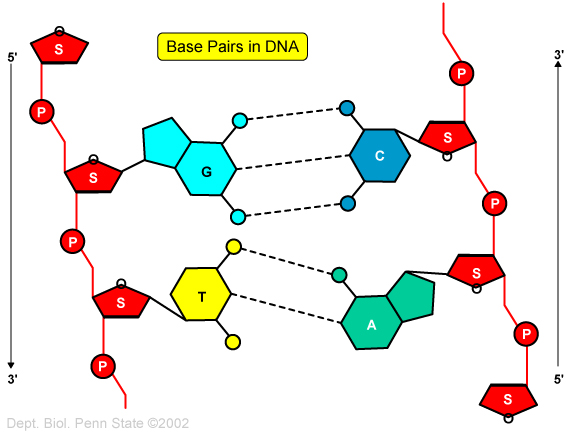
What does the ARROW III represent?
the bond between the sugar and phosphate
the hydrogen bond between the nitrogen bases

What is the purpose of transcription?
Transferring amino acids to the ribosome.
Producing more nucleotides for the DNA sequence.
Producing a mRNA from information found in the DNA.
What is the job of messenger RNA?
to transfer amino acids
to assemble the protein
to carry genetic information
The stop codons are:
UAA
UAG
GUC
UGA

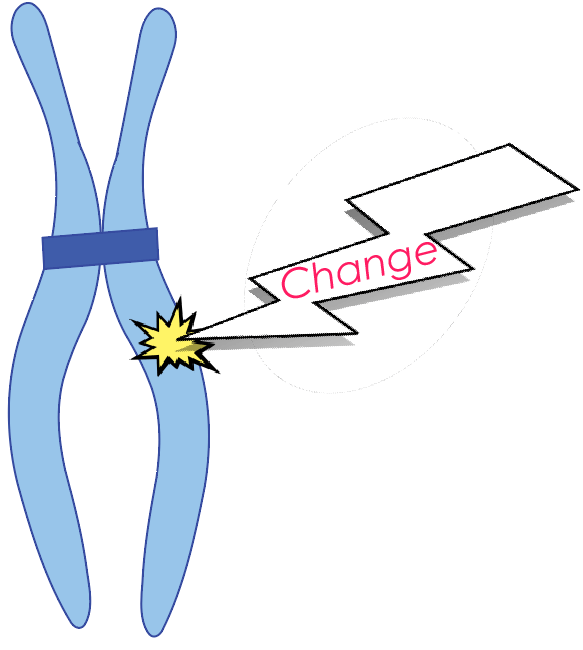
A change in a gene, group of genes or chromosome that results in a change in the proteins
Replication
Mutations
Translation
Transcription

Which organelle is DNA usually found in?
cell membrane
vacuole
chloroplast
nucleus
What are the two steps of protein synthesis (in order)?
Translation and Replication
Transcription and Translation
Replication and Transcription
Replication and Mitosis
Which types of RNA are involved in transcription? (Choose all that apply)
mRNA
tRNA
rRNA
pRNA
Which types of RNA are involved in translation? (Choose all that apply.)
mRNA
tRNA
rRNA
pRNA
Where, in the cell, does transcription occur?
Cytoplasm
Nucleus
Ribosome
Rough ER
Where, in the cell, does translation occur?
Cytoplasm
Nucleus
Golgi Apparatus
Mitochondria
Which type of RNA functions by carrying the information from DNA to the ribosome?
Messenger RNA
Transfer RNA
Ribosomal RNA
Endoplasmic Reticulum
Which type of RNA functions by delivering a specific amino acid to the ribosome?
Messenger RNA
Transfer RNA
Ribosomal RNA
Endoplasmic Reticulum
Which type of RNA functions as the workbench for translation to occur?
Messenger RNA
Transfer RNA
Ribosomal RNA
Endoplasmic Reticulum
What is the central dogma of biology?
The flow of ATP to energize living tissue.
The flow of genetic information from DNA to messenger RNA to making a protein.
The process of DNA replication for mitosis.
The entirety of life on Earth.
Which three processes are included within the central dogma of biology?
Transcription, translation and mutation
G1, S, G2
DNA replication, mitosis and meiosis
DNA replication, transcription and translation
Where is mRNA synthesized?
Transcription
Translation
Replication
S phase of interphase
Which of the following is associated with mRNA?
codons
anticodons
E,P,A sites
DNA polymerase
How many codons equal one amino acid?
1
3
6
9
Where does tRNA bring an amino acid to?
nucleus
ribosome
rough endoplasmic reticulum
Golgi apparatus
A polypeptide is a sequence of:
proteins
base nucleotides
amino acids
monosaccharides
Which organelle is the site where translation occurs?
ribosomes
tRNA
mRNA
lysosomes
What is the function of DNA replication?
A protein is made
DNA makes a copy of itself
Food is broken down
A cell splits into two daughter cells
Which enzyme unwinds and opens the double helix during DNA replication.
ligase
RNA polymerase
DNA polymerase
helicase
Which enzyme glues the Okazaki fragments of the lagging strand together during DNA replication?
helicase
DNA polymerase
ligase
RNA polymerase
What is the function of the enzyme DNA polymerase in DNA replication?
DNA polymerase bonds free base nucleotides together to make a DNA strand.
DNA polymerase attaches amino acids together on the ribosome.
DNA polymerase attaches RNA nucleotides together to form a protein.
DNA polymerase makes a polysaccharide
Which of the following statements are true regarding TRANSCRIPTION? (mark all that apply)
End results in synthesis of polypeptide chain
End results in synthesis of mRNA
Template is the genes in the genome
Template is messenger RNA
Ribosomes are present
Which of the following are true regarding TRANSLATION? (mark all that apply)
Occurs in the nucleus
Occurs in the cytoplasm
RNA polymerase is an enzyme used.
DNA polymerase is an enzyme
Transfer RNA is involved in the process
Which of the following enzymes is needed for Transcription?
Helicase
DNA Polymeras
RNA Polymerase
Ligase
Topoisomerase
During TRANSCRIPTION, as the DNA is being read which nucleotides are being used to build the RNA? (mark all that apply)
Adenine
Thymine
Cytosine
Guanine
Uracil
5) When Messenger RNA processing occurs, it does NOT occur in which of the following organisms?
fungi
bacteria
plants
animals
During TRANSCRIPTION, which molecules and examples could be found? (mark all that apply)
Triplet : TAC
Codon: TAC
Anticodon: UAC
Triplet : AUG
Codon : AUG
Given the mRNA sequence - 3' AUG CAU GGU.5'. What is the original DNA template strand?
5' TAC GTA CCA 3'
5' UAC GUA CGA 3'
3' UAC GUA CGA 5''
3' TAC GTA CGA 5'
Given the DNA template sequence of 3' TAC GTT ACT 5'. What is the corresponding mRNA strand?
5'AUG CAA UGA 3'
3' ATG CAA TGA 5'
3'AUG CAA UGA 5'
5' ATG CAA TGA 3'
As for mRNA processing, which of the following are true? (mark all that apply)
Introns are removed.
When finished, final mRNA leaves the nucleus.
The finalized mRNA has a cap and tail placed on it.
Exons are spliced together.
Which of the following steps is NOT part of TRANSCRIPTION in eukaryotes?
Initiation
Elongation
Termination
Transformation
WHich of the following components are present during TRANSLATION? (mark all that apply)
Introns
Exons
Ribosomes
Transfer RNA
Thymine

What information is available from the table? (mark all that apply)
mRNA
tRNA
Amino acids
Start anticodon
Stop codon

If a transfer RNA had the anticodon ACU, then what amino acid would it bring?
His (histidine)
Cys (cysteine)
Arg (arginine)
None

Which of the DNA triplets would NOT code for Arg (arginine)?
GCA
GCG
GCU
GCC

Which of the following labels are correct? (mark all that apply)
#1: start codon
#2: stop codon
#3: tRNA
#4 Amino acids
#5 ester bond

Which of the following parts are correctly matched? (mark all that apply)
D: codons
H: anticodons
A: Polypeptide chain
I: Ribosome
B: Amino acid
What is the major difference between mRNA and tRNA?
Only tRNA has thymine.
Only mRNA has uracil.
Only mRNA has ribose as its sugar.
Only tRNA is shaped like a three- leafed clover
What is the anticodon for the codon 5' AUG 3' ?
5' TAC 3'
3' TAC 5'
5' UAC 3'
3' UAC 5'

Which of the following docking sites are correctly labeled? (mark all that apply)
#1: A site
#2: P site
#3: E site
#2: M site

Given the DNA strand: 3' TAC-TGT-GGT-TAA 5'. What is the amino acid sequence?
Met-Thr-Pro-Ile
Met-Pro-Thr-Ile
Ile-Pro-Thr-Met
Ile-Thr-Pro-Met
one nucleotide is preplacced with a different nucleotide
addition
substitution(point)
deletion
inversion
when a portion of the DNA is shifted in one direction due to a deleition or insertion
frameshift
gene
deletion
substitution
T-G-A-C-C-A
T-G-A-G-C-A
The mutated DNA segment is TTCGCAAG. This is an example of ___ mutation.

A point mutation that does not change the amino acid sequence is known as a(n) ____________ mutation.
Frameshift
Nondisjunction
Inversion
Silent

What type of mutation is shown in the image?
Nondisjunction
Gene Translocation
Trinucleotide Repeat Expansion
Frameshift

What causes "sickle shaped" blood cells?
Point Mutation
Frameshift Mutation
Trinucleotide Repeat Expansion
Gene Translocation

DNA molecule segment is : TTA-CGC-AAG
The mutated DNA segment is TTC-GCA-AG. This is an example of ___ mutation.
Substitution
Deletion
Insertion
Inversion

What type of substitution mutation has no effect
on amino acids sequence
Insertion Mutation
Translocation
Silent Mutation
Deletion Mutation
Mutations can be a result of...
Environmental Exposure
Lack of sleep
Not enough exercise

What is the mystery mutation?
Nonsense
Missense
Frameshift
Run-on

A change in a single amino acid due to mutation is known as:
Missense
Nonsense
Frameshift
Silent
Point mutation involves
deletion
insertion
duplication
changes in single base pair


A point mutation in which the amino acid does not change.
Missense
Nonsense
Deletion
Silent mutation

What type of gene mutation has occurred here?
T-G-A-C-C-A
T-G-A-C-C-A-A
Base Substitution
Base Deletion
Base Insertion
Frameshift
AGA-TTC-ATA-GCG
Mutant-
AGA-TTC-AAT-AGC-G
The mutated DNA segment is TTACGCAAC. This is an example of ___ mutation.


A base pair substitution can result in all of the following except __________.
Missense mutation
Frameshift Mutation
Silent Mutation
Nonsense mutation

Why are insertion and deletion (frameshift) mutations so harmful?
They change all of the codons from the mutation on down the line, which changes the amino acid sequence
They insert things that an organism doesn't need.
They often delete things that organisms need.
Insertion and deletions are not any more harmful than substitution mutations.

DNA molecule segment is : TTACGCAAG
The mutated DNA segment is TTCGCAAG. This is an example of ___ mutation.
Substitution
Deletion
Insertion
Inversion

Which of the following would result in a frameshift mutation?
Insertions only
Substitution only
Deletion only
Insertions and Deletions
CAC-GTG-ACA-GCG

This type of substitution codes for a stop codon
Missense
Nonsense
Silent
Deletion
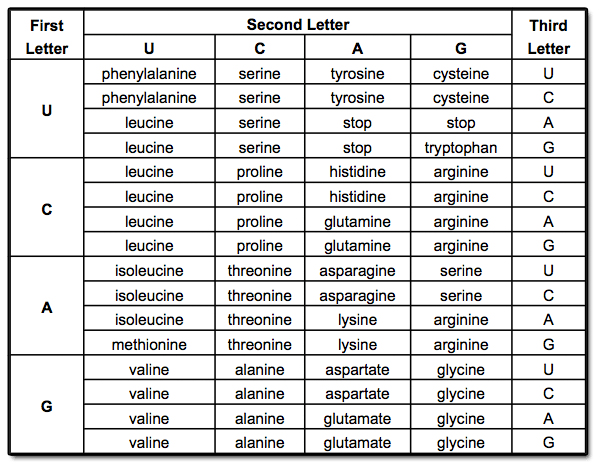

A type of substitution in which no amino acids change is called
Missense
Nonsense
Silent
Deletion

When an extra base has been added to the sequence of bases, this is what type of mutation?
Substitution
Deletion
Inversion
Insertion

