
Font size
 Worksheets
Staar Review- moon, magnetism, physical properties
Total questions: 48
Worksheet time: 4hrs 0mins
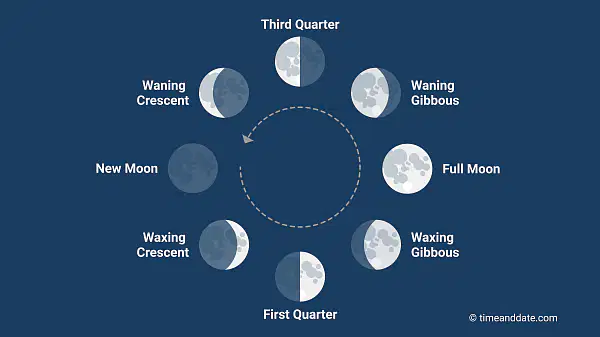
A student went outside and noticed a full moon. About how many days later was the 1st quarter?
21
7
14
30
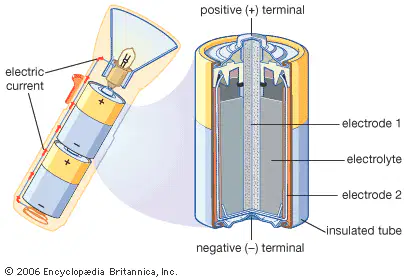
What type of energy is stored in a battery?
Chemical energy
Solar energy
Nuclear energy
Mechanical energy
What is a battery?
switch
power source
insulator

A student began building a circuit to light a bulb. What else does the student need to produce light?
a battery that has energy
a wire that is insulated
a switch that is open
another bulb of the same size

This circuit has a battery, buzzer, and switch.
When the switch is closed the buzzer will sound because -
the switch gives energy to the battery
the buzzer is made of special plastic
the wires are cooled by the surrounding air
electricity can flow in a complete path
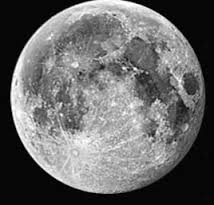
Name the moon phase
First Quarter
Last Quarter
New Moon
Full Moon
How long is a lunar month?
30
29.5
27
27.3

Name the moon phase
waning crescent
waxing crescent
waning gibbous
waxing gibbous
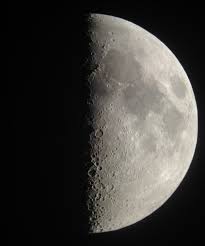
Name the moon phase
First Quarter
Waxing Crescent
New Moon
Full Moon

Name the moon phase
waning crescent
waxing crescent
waning gibbous
waxing gibbous
The summary at the end of an experiment that explains the results.
conclusion
procedures
materials
responding variable
Testing a hypothesis often involves a(n):
answer
experiment
problem
safety check
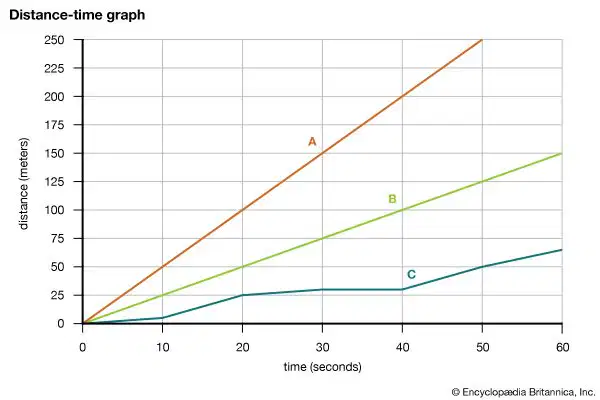
On what axis should the independent variable always be?
X
Y
An experiment is performed on plants to see how different liquids affect plant growth. Each plant in the experiment is given a different liquid; water, apple juice, or milk. Each plant has the same amount of soil, sunlight, and listens to the same music. In this investigation, what are the controlled variables?
Type of plant, amount of music, and sunlight
Water, apple juice, milk
Plant growth
An experiment is performed on plants to see how different liquids affect plant growth. Each plant in the experiment is given a different liquid; water, apple juice, or milk. Each plant has the same amount of soil, sunlight, and listens to the same music. In this investigation, the independent variable is ...
The type of plant
The amount of sunlight
The type of music
The type of liquid
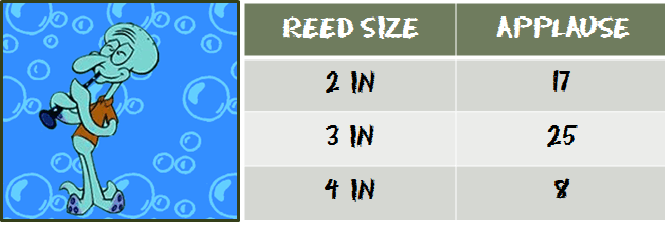
Squidward found new reeds to tryout for his clarinet. He used an APPLAUSOMETER to measure applause after playing Under the Sea with each reed. The results were put in the table.
What was controlled?
The Song
The Reed
The Applause
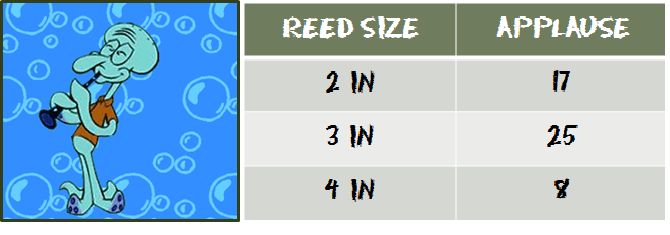
Squidward found new reeds to tryout for his clarinet. He used an APPLAUSOMETER to measure applause after playing Under the Sea with each reed. The results were put in the table.
What was the independent variable?
The Song
The Reed
The Applause
This variable in an experiment is the one being deliberately changed by the scientist.
dependent variable
independent variable
data
control group
Changes affecting the form of an object, such as cutting or folding paper.
separate
physical property
ingredient
physical change
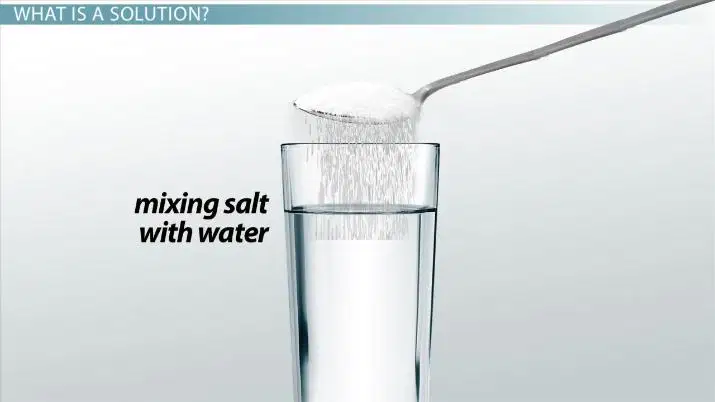
A mixture of one substance evenly dissolved in another.
mixture
property
density
solution
The process of a liquid turning into a gas when heat is added.
condensation
melting
evaporation
freezing

The part of a solution that dissolves.
mixture
solute
solvent
liquid
A science class performed an investigation by evaporating a solution containing 10g of salt and 50ml of water. How much salt would you expect to find in the cup at the end of the investigation?
60g
50g
10g
5g
What tool can you use to separate a mixture of rocks and sand the fastest?
sieve
tweezers
magnet
hands
What tool can you use to separate a mixture of sand and water?
hands
filter
tweezers
craft stick

A fifth grade class has collected empty cans for recycling. They have several large bins with aluminum and steel cans, all mixed together. The two types of cans must be separated. Which of the following techniques could the students use to separate the two types of cans?
Place the cans in water, and the aluminum cans will float
Crush the cans to make them easier to carry
Test the cans for their ability to conduct electricity
Use a magnet to find and remove the steel cans

The table lists some physical properties of two objects.
Based on their properties, which of the objects is most likely a metal?
Object 1, because it is a solid that is less dense than water
Object 2, because all metals float in water
Object 2, because metals conduct thermal energy and electricity
Object 1, because it can be used to provide insulation for thermal energy

Steven measured the mass of two rocks using a balance.
If Steven needs to determine the DIFFERENCE between the mass of the two rocks, which of the following would he conclude?
Rock 2 is 25 grams heavier than Rock 1
Rock 1 is 25 grams heavier than Rock 2.
Rock 2 is 5 grams heavier than Rock 1.
Rock 1 is 5 grams heavier than Rock 2.
Which one is a conductor?
cardboard
aluminium
cotton
plastic
Which metal is NOT magnetic?
Nickel
Cobalt
Steel
Copper

True or False: The circled part of this image conducts electrical energy.
True
False

True or False: The circled part of this image (the plastic covering) is an insulator.
True
Flase

When magnets stick together (unlike poles).
Attract
Repel

When magnets pull apart (same poles).
Attract
Repel

A temporary magnet caused by an electric current.
Electric Motor
Magnetic Field
Electromagnet
Magnet
True or False: Aluminum, copper, and gold are non-magnetic metals.
True
False
Which of the following objects are not magnetic?
Aluminum can
Steel wool
Iron nail
Paper clip
True or False: All metals are magnetic.
True
False

Look at the picture. Which objects are magnetic? (hint-pennies are made from copper)
Penny, Key, Iron nail, Metal paper clip
Eraser, Cotton ball, Rubber band, Plastic ruler
Key, Iron nail, Metal paper clip
Penny, Key, Iron nail

Magnets have a magnetic (a) pole and a magnetic (b) pole.
north
south
east
west

Objects made from metals such as iron, nickel and cobalt are (a) .
magnetic
not magnetic
gold
silver

Materials such as plastic, wood, and glass are ________.
magnetic
non-magnetic

What do magnets stick to?
copper
wood
iron
plastic

All magnets have _____ poles.
1
2
3
4

to push away
repel
attract
circuit
pole

Which material would a magnet pick up?
Steel
Rubber
Copper
Plastic

Match the following
To cause something to move closer
Attract
To cause something to move away
Repel
A pushing or pulling force produced by a magnet
Magnetism
A piece of metal that attracts objects with iron in them
Magnet
What can be attracted to magnets?
wood
metals such as iron, nickel and cobalt
skin

