
 Worksheets
Health Unit 4 Test: Sample Questions
Total questions: 29
Worksheet time: 21mins
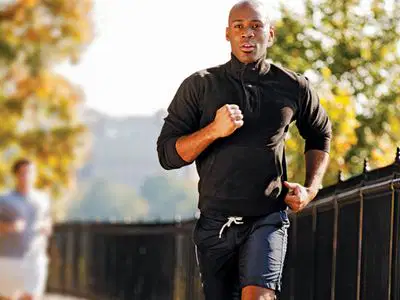
We need (a) minutes of moderate to vigorous physical activity per day.

The 3 levels of physical activity are:
L: (a) , M: (b) , and V (c) .
Exercise reduces the risk of which of the following?
Down's syndrome
Vitamin D deficiency
Anemia
Type 2 diabetes

Difficulty holding a conversation indicates which level of physical activity?
vigorous
moderate
Low
Isotonic
The ability to do daily activities without becoming tired is physical (a) .

A physical activity that is planned, structured, and involves repetitive motion is called (a) .
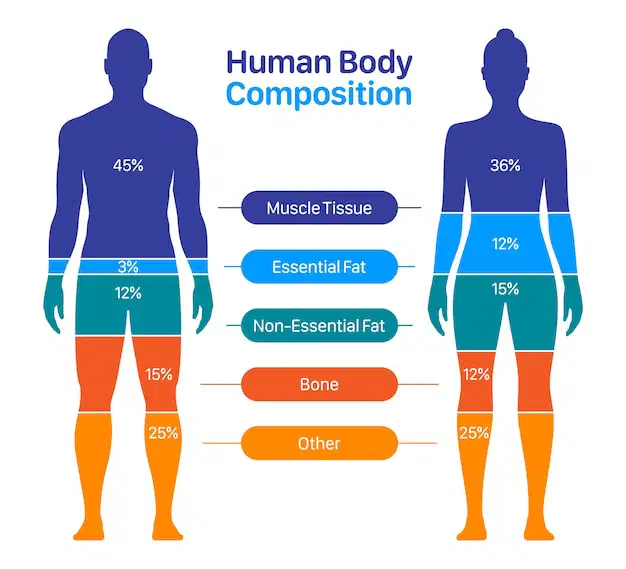
Body composition is the ratio of body fat to what?
lean body mass
water weight
lipids
BMR
FITT stands for what?
Frequency
Intensity
Time
Type
You should get this level(s) of physical activity daily?
Low
Moderate
vigorous
below basic

The ability to move muscles through a full range of motion is called what?
Strength
Agility
Flexibility
Speed
Influences on physical activity can be either I: (a) or E: (b) .

Your friends would be what kind of influence on your physical activity?
External
inside
internal
outdoors
An activity you can enjoy for the rest of your life is called what?
A forever activity
A moderate activity
A FITT plan
A lifelong activity

Before exercising you should warm up for (a) to ten minutes.

What are 3 Cs for choosing workout clothing?
Comfort
Climate
Cleanliness
Cool
Cucumbers

Sunscreen should be at least this SPF.
2 SPF
55 SPF
15 SPF
10 SPF
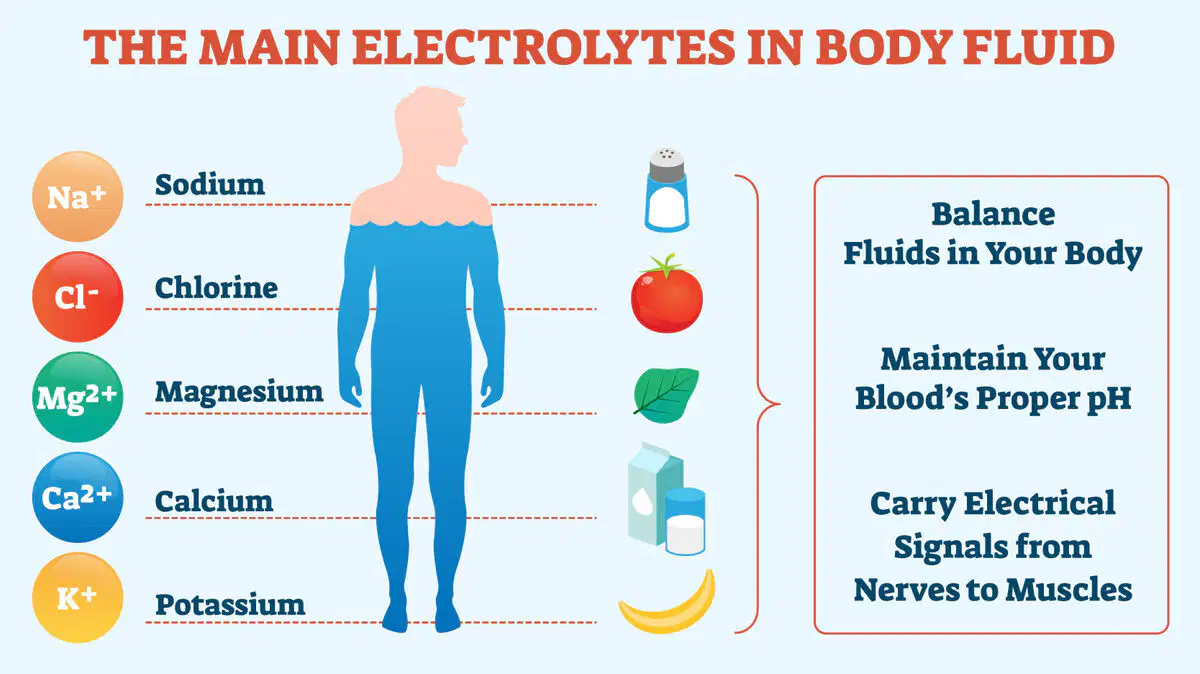
Electrolytes are what?
water
salts
muscles
vitamins
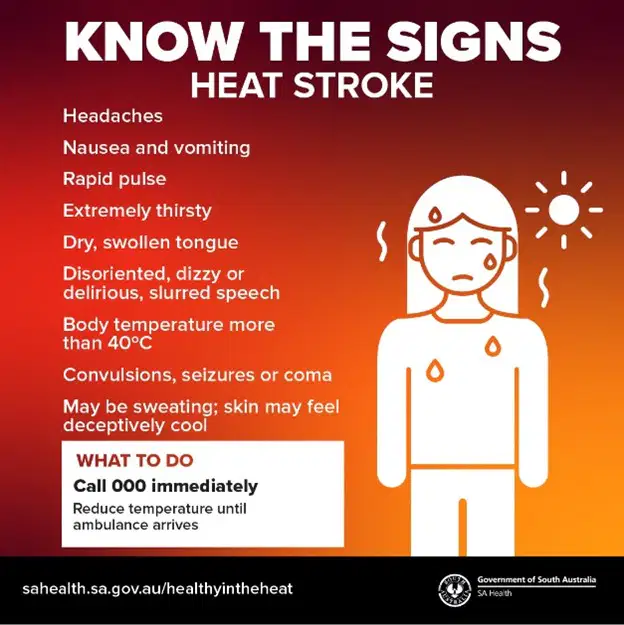
When working out in hot weather lost body water that's not replaces can lead to (a) stroke, heat exhaustion, and possible death.
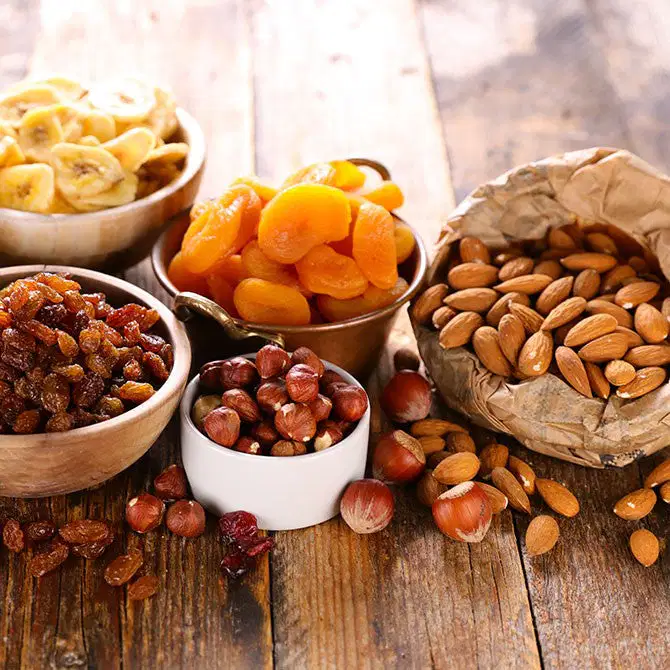
This is a healthy snack to eat an hour before exercising:
Coffee
Nuts & fruits
Gatorade
A shake made with mega-protein
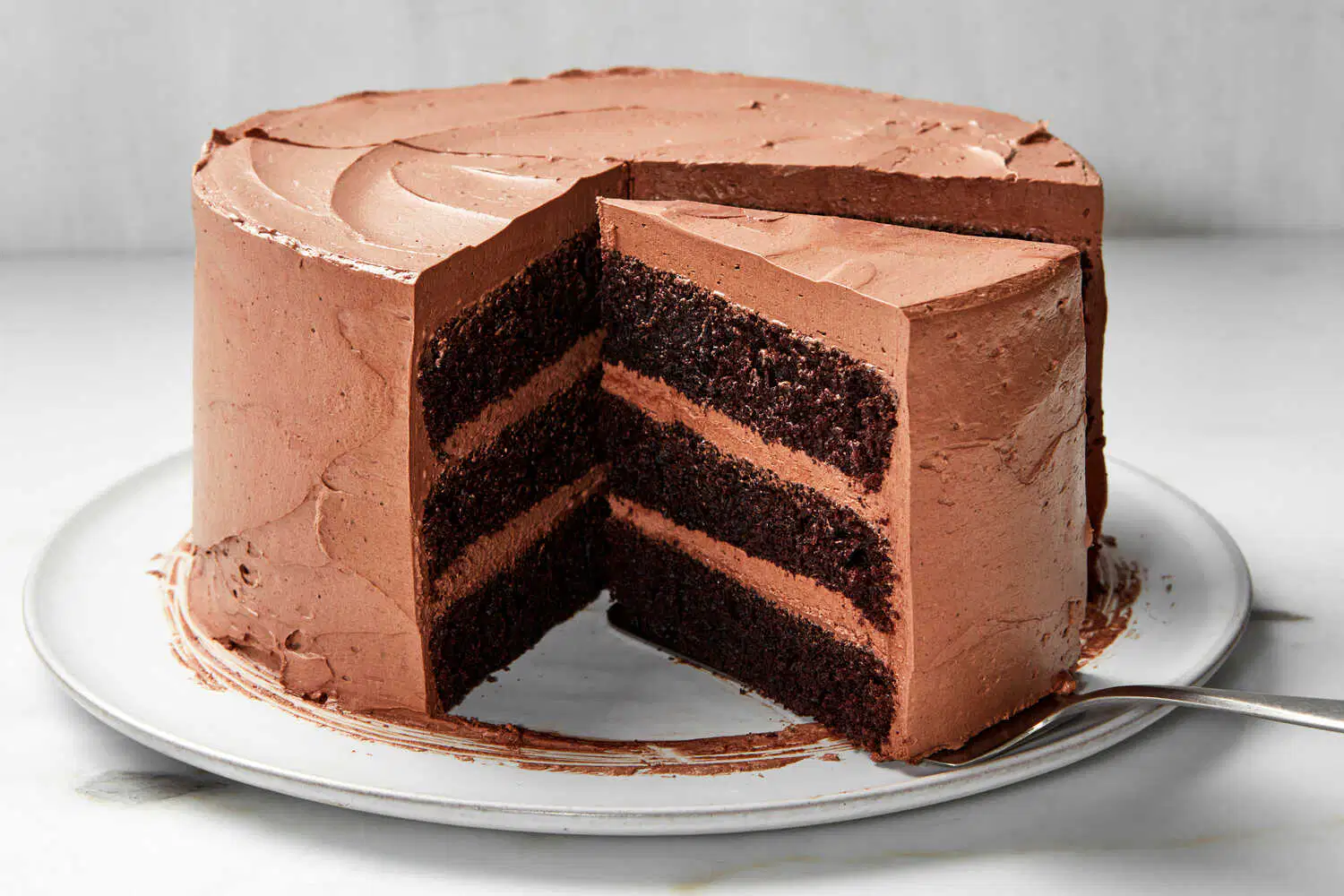
Which is NOT part of a healthy physical activity goal?
write goal
get support
make a plan
reward yourself with cake and candy
Which of the following is a benefit of regular physical activity?
Increased stress levels
Improved sleep quality
Decreased energy levels
Higher risk of injury
This level of physical activity makes you breathe hard, sweat, and have a raised heart rate.
Drinking electrolytes after extended vigorous exercise is important because...
What is a "target heart rate"?
What is a "resting heart rate"?
Exercising in hot weather without drinking any water can lead to what?
When creating a successful plan for fitness, we should use the FITT principle which stands for:
Frequency, intensity, total volume, and type of exercise
Frequency, interval, time, and type of exercise
Frequency, intensity, time, and type of exercise
Flexibility, intensity, type, and trail of exercise
Which component of fitness does jogging improve?
Cardiovascular Endurance
Muscular Strength
Felixibility
Muscular Endurance
The access code for the Live Session Attendance Quiz March 19/20 is:
fit
(select "fit" below)
This is the March 19/20 Quiz code:
fit
Do not click this answer.

