
Font size
 Worksheets
Q3 Science
Total questions: 71
Worksheet time: 1hrs 11mins
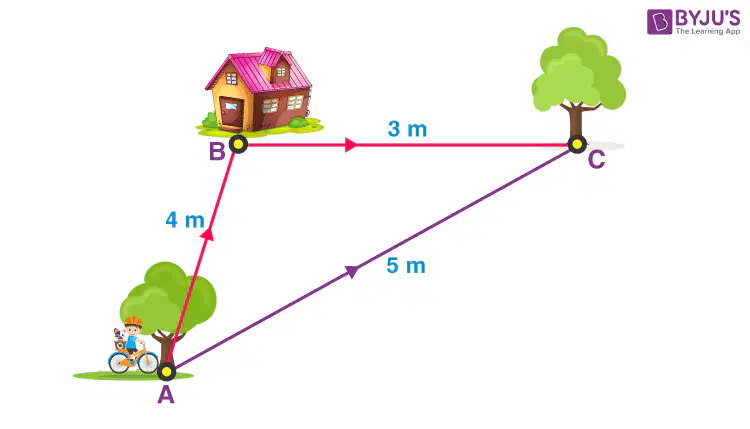
Is the total length of the entire path that the object or a person travelled in moving from one place to another.Scalar quantity
(a)
is the Shortest distance between the object's initial and final positions. vector quantity which describe by both magnitude and direction .
(a)
is a place, or an object used for comparison to determine if something is in motion
(a)
Is a quantity that can be completely described by one value
(a)
It is a quantity that is described by both magnitude and direction
(a)
the change in position of an object with respect to its surroundings in a given interval of time
(a)
is the rate at which distance is covered at the given time
which is calculated by the distance travelled divided by time elapsed
(a)
Tells how fast an object or body changes it's velocity,
if the is a change in speed and or direction or both ,when object goes faster or goes slower it is accelerating
when an object moves at a constant speed but changes it's direction
(a)
it is a line of dots on the tape that is created when a long tape is attached to an object that is moving
(a)
is a traveling disturbance that carries energy from one place to another with or without medium
(a)
a substance or material that caried the wave , this is where the waves travel
(a)
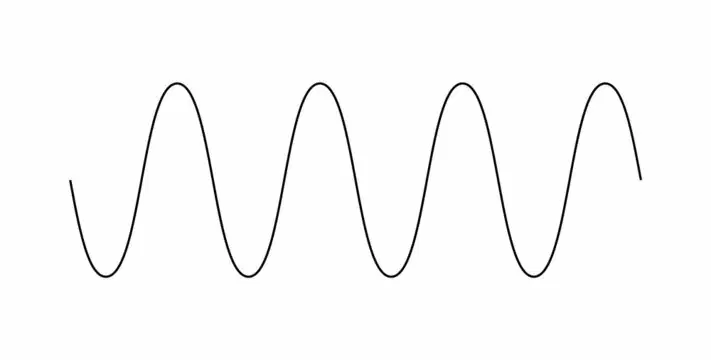
this is a type of wave that vibrate perpendicularly to the direction in which the waves travel. this wave exhibits up and down motion.
(a)
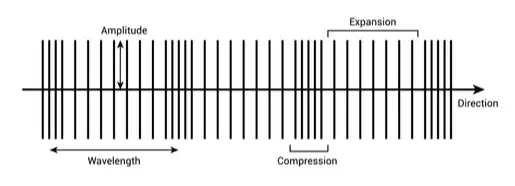
is a type of waves vibrate parallel or back and forth to the direction in which the waves travel
(a)
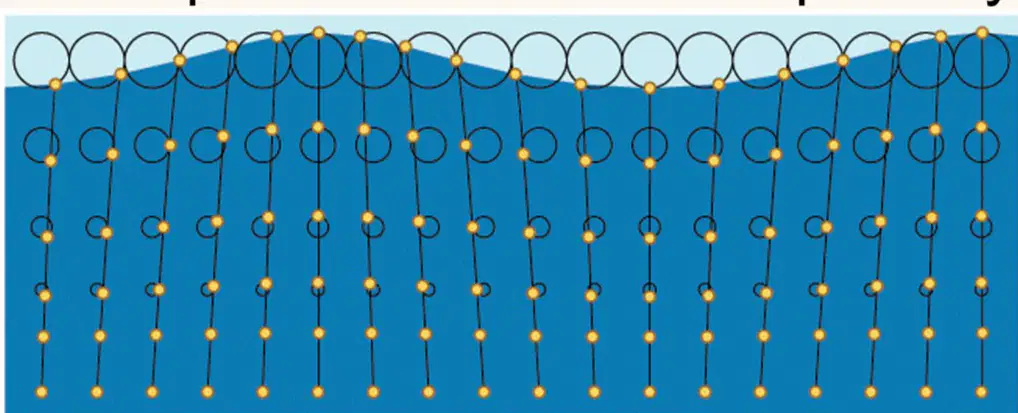
is a type of waves that are combination of transverse and longitudinal wavesmThis move in a circular pattern as the waves passby
(a)

what are the types of wave according to movement
(a)
are waves that propagate only through solid liquid and gas medium,it can be transverse,longitudinal or surface,
(a)
are waves that do not need medium to propegate.The examples are Radio waves,ultraviolet,microwaves,x -rays .infrared,and gamma rays
(a)
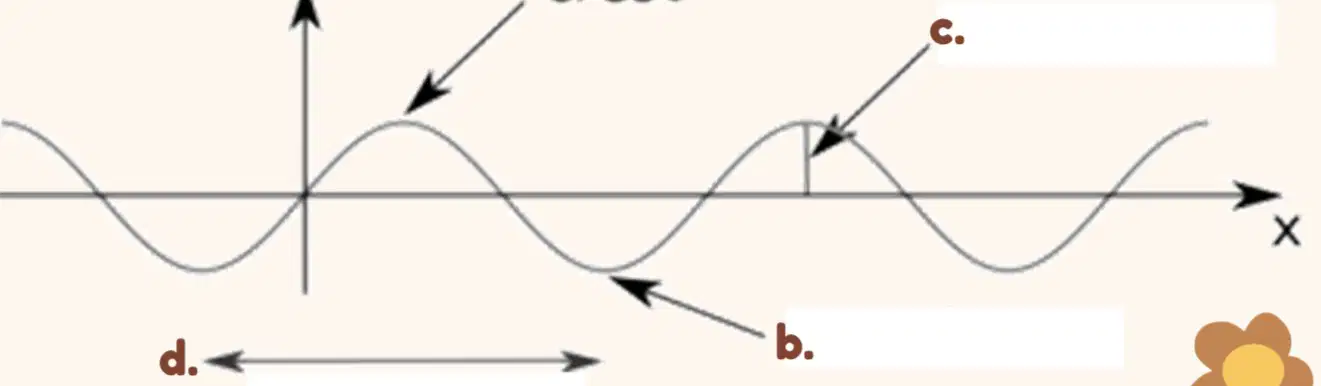
refers to the highest point of a wave pattern
(a)

Refers to the lowest point of a wave pattern
(a)
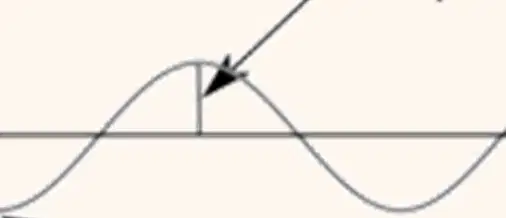
is the maximum displacement of a particle of the medium on either side of it's normal position when the wave passes
(a)
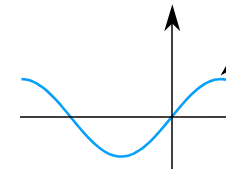
it is the overall vertical change in height between the crest and the through
(a)
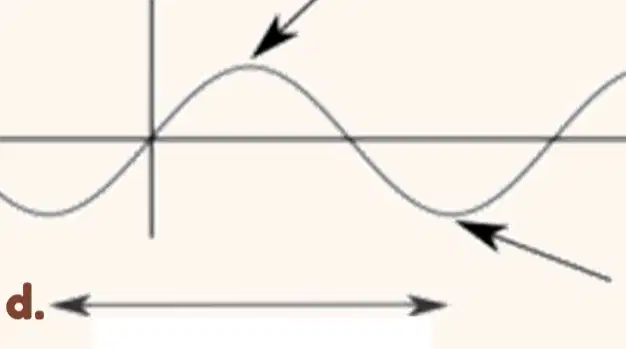
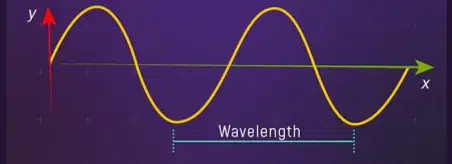
is the distance covered by full cycle of the wave.(measured in meters)is the distance between adjacent crest and through
(a)
Measured in Hertz of periodic waves is the number of waves pass a particular point for every unit of time such as second.
(a)
refers to the distance the wave travels per unit of time
(a)
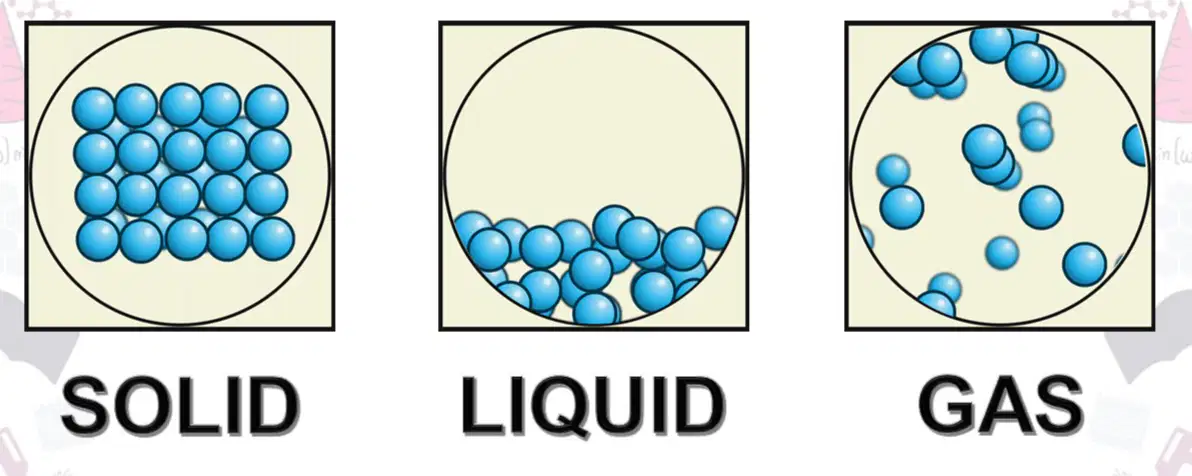
are longitudinal waves created from a vibrating source mechanical waves.it requires medium
(a)
Characteristics of sound waves
(a)
Refers to the highness or lowness of the sound
(a)
dictates the pitch of a sound
(a)
the higher the frequency
(a)
The lower the frequency
(a)
Refers to how soft or how intense the sound is
can be determined by the amplitude of the sound waves
(a)
instrument use to measure sound intensity
(a)
unit of intensity level for sound which is named after alexander graham bell
(a)
Tone quality
used in differentiating two different sounds that have the same pitch and loudness
(a)
is an electromagnetic wave
This means it does not need a medium to propagate
travels in a straight path
(a)
objects that are capable to emit light
(a)
objects that cannot produce light
(a)
These sources of the lights are present naturally in the universe and are not made by human beings
(a)
These are the source of light which are made by the human beings
(a)
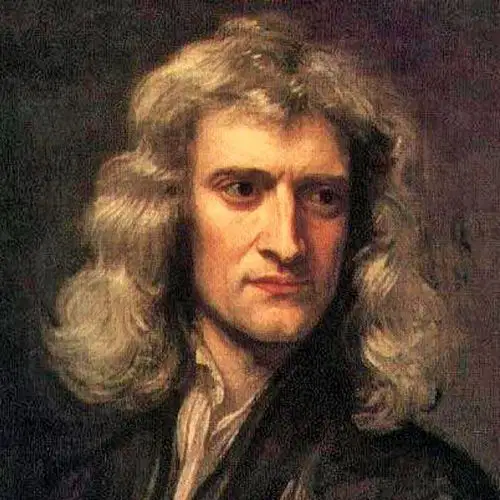
believed that light behaves like a particle and pointed out in his 1704 book optics that 'Light is never known to follow crooked passages nor to bend into the shadow'
(a)

believed that "light behaves like a wave, "He believed that there was a medium called ether that carried light waves
(a)
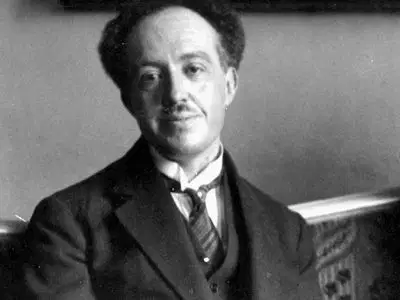
came up with what is known as the Dual -nature of light, He explained that light can behave like a particle and as a wave
(a)

Proposed the electromagnetic theory of light
(a)
is a form of energy found in surroundings
is an example of electromagnetic waves
(a)
No light can pass through it
(a)
some light can pass through it
(a)
all light can pass through it
(a)
refers to the visual perception in which light source appears to be emitting light or a surface to be reflecting light
(a)
Unit used to measure luminous intensity
(a)
special instruments that can use luminous intensity
(a)
is a measure of radiant power emitted by any source of light in a given direction and is dependent on the wavelength of light being emitted
(a)
refers to the strength or amount of light produced by a specific lamp source
(a)
does not create new colors but merely separates the colors that are already there.
(a)
associated specifically with electromagnetic radiation of a certain range of wavelengths visible to the human eye
(a)
a special kind of refraction provided us color lights
>this phenomenon is observed when white light passes to triangular prism
>when the light enters a prism and travels slower in speed than in vacuum, color separation is observed due to variation in frequencies (and wavelength)of color lights
(a)
refers to energy possessed by an object or system due to the movement of particles within the object or system
(a)
is the flow of thermal energy, the energy that is transferred from the boiling coffee to the mug and metal spoon
(a)
takes place between objects that are direct contact with each other. This means that heat energy is directly transferred through a material, This method of heat transfer is most effective in solids
(a)
are materials that allow thermal energy to readily flow through them
(a)
are materials that transfer heat poorly
(a)
it is most effective on fluids. Fluids are any materials that flows. Example are liquid and gas .
It is the method of heat transfer through the circulation of liquid and gas .It is the transfer of energy by the rising or sinking of matter due to density difference
(a)
is a type of Energy which involves the flow of electrons.
(a)
is the charge imbalance in an object or the charge buildup on the surface of the object.
(a)
is the flow of charge. We usually refer to this type of electricity when we are talking about electricity. Unlike static electricity which is due to stationary charges, the current electricity is due to the movement of the charges inside a conductor
(a)
means gaining or losing electrons. Matters can be charged
(a)
Matters can be charged in three ways
(a)
Like charges repel and unlike charges attract
(a)
can be experienced when an object is placed near a charged object
can be a force of attraction or a force of repulsion
(a)
is the movement of electrons to one part of an object by the electric field of another
object in this process
the opposite type of charge is produced
(a)
is the transfer of electrons from a charged object to another object by direct contact.
• In the conduction process, a body with one type of charge produces the same type of charge in
a conductor.
(a)

