
 Worksheets
South Asia Unit 7 World Cultures
Total questions: 15
Worksheet time: 16mins

What role do the Himalaya Mountains play in the water supply of South Asia’s major rivers?
The mountains block the rivers from flowing into the sea.
Snow and rain from the mountains feed the rivers with fresh water.
The mountains cause the rivers to dry up during winter.
Mountain winds push the rivers toward the plains.
Which European nation played a significant role in shaping India's modern history through its colonial rule?
Russian
British
Ottoman
American
Which leader played a key role in the Indian independence movement ?
Mahatma Gandhi
Abraham Lincoln
Winston Churchill
Franklin D. Roosevelt

Using relative location, describe the location of India.
India is bordered by Pakistan, China, Nepal, Bangladesh, Myanmar, and the Indian Ocean.

Where would Mt Everest be in this map.
Which of the following political ideas did the Indians acquired from the British and use it today?
Communism
Democracy
Dictatorship
Monarchy
Which natural event influences agriculture in India and requires people to adjust their daily routines to deal with waterlogged areas?
earthquakes
tornadoes
wildfires
Monsoons
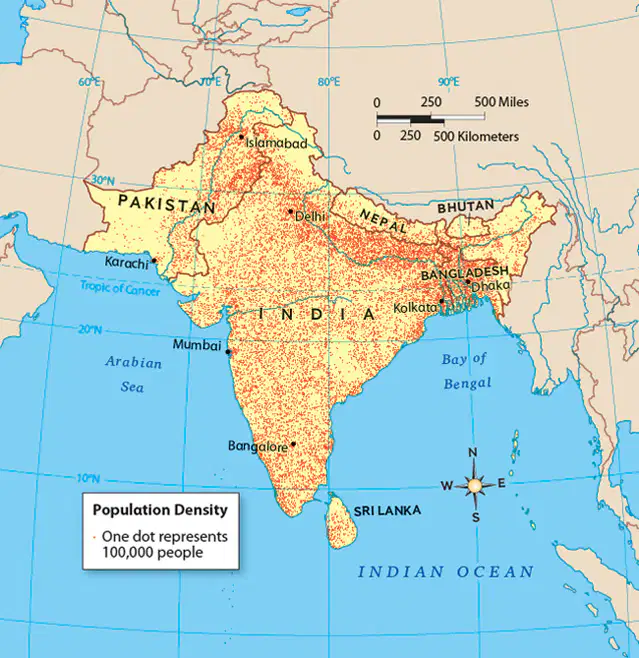
Use the map and your knowledge of South Asia to answer the questions below.
What part of Pakistan is most densely populated?
the area around Islamabad
the area around Karachi
the area on the western borders of Pakistan
the eastern border near India

What do the cities of Delhi, Islamabad, and Dhaka have in common that supports their dense populations?
location on a coast
location near a major river
location south of the Tropic of Cancer
location near the Himalaya Mountains
Which economic sector has shown significant growth and development in India in recent years?
Transportation
Manufacturing
Service industry
Agricultural
How does Hinduism affect the way people live in India?
Hinduism affects by shaping social structures, community interactions.
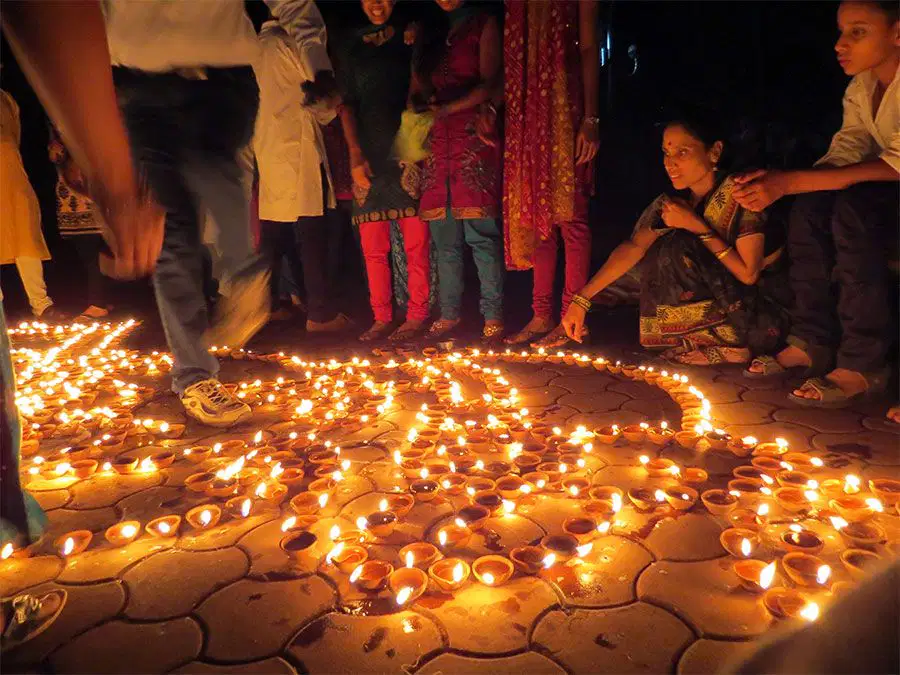
What is the significance of lighting oil lamps during the festival of Diwali?
To welcome guests
To mark the end of the year
To honor ancestors
To represent the triumph of good over evil

How can having so many people in one place affect the environmental quality of a city?
through increased pollution, and waste management issues.
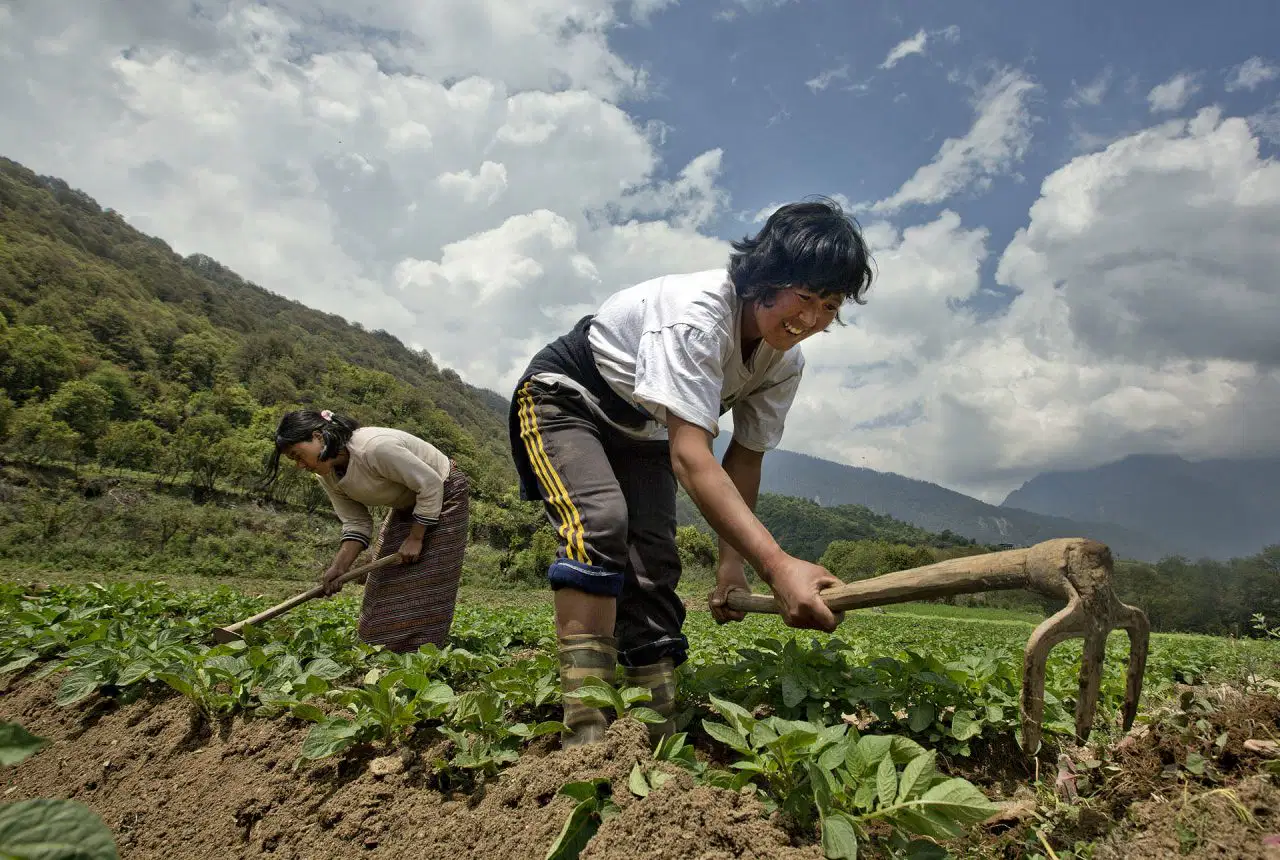
Why do many people living in the Himalayas become subsistence farmers?
They live close to cities.
The live close to the ocean.
They live in isolated areas.
They live in populated areas.
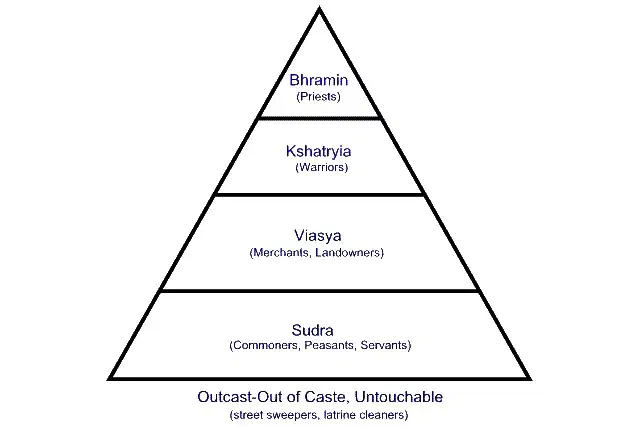
What does this image portray?

