
 Worksheets
Vocabulary Quiz
Total questions: 10
Worksheet time: 25mins
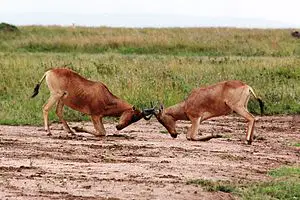
Which biotic factors would an organism compete in an underwater ecosystem? (Choose 2)
Water
Seaweed
Sand
Rocks
Coral
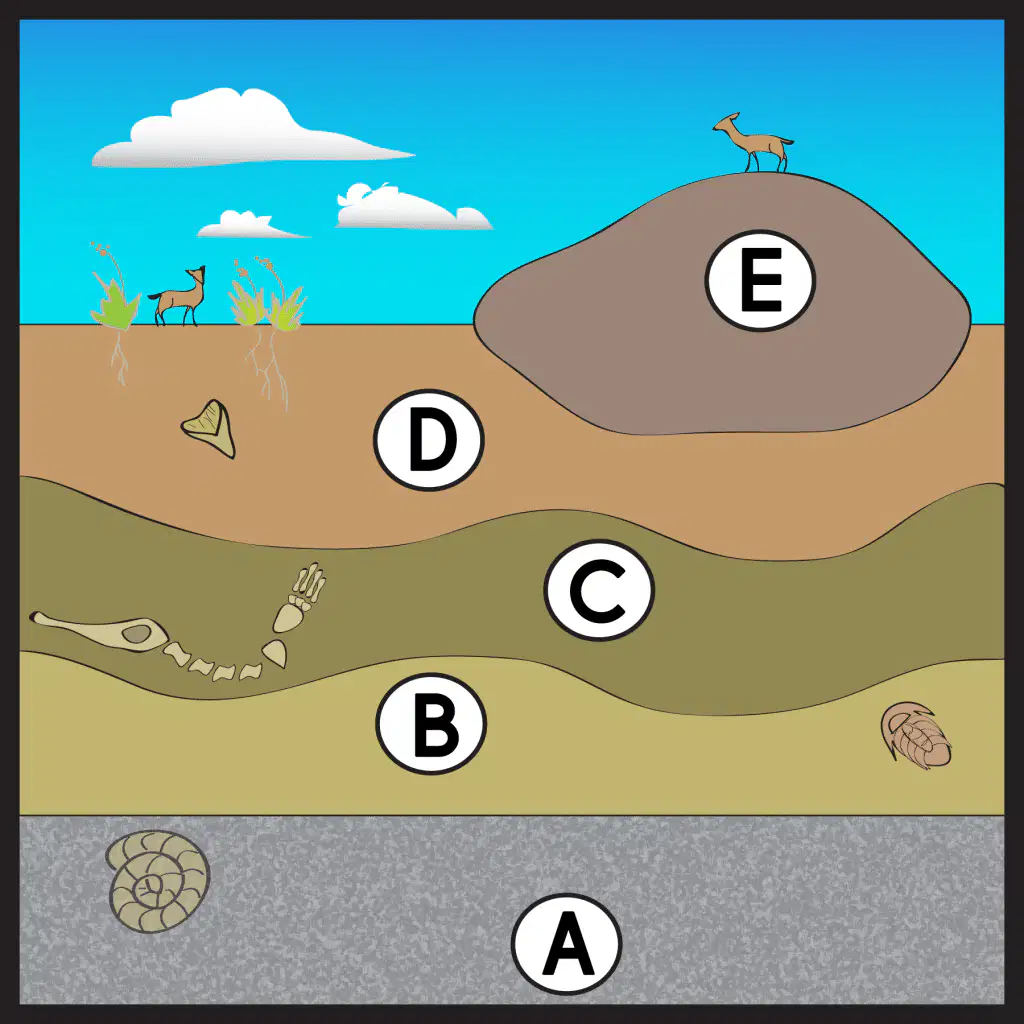
Which layer has the oldest fossils?
Layer A
Layer B
Layer C
Layer D
Layer E
Natural selection is a process that a population of living organisms goes through in which they can change or adapt to be more suited to their environment. For example, the giraffe has a long neck to reach high up in the trees. Which gives them an advantage over other organisms with shorter necks.
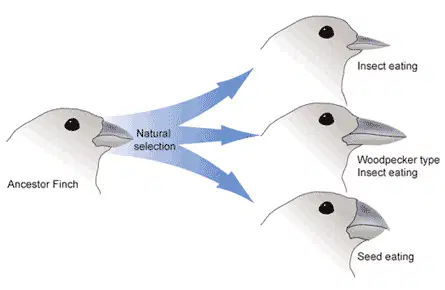
What are other example you can think of natural selection in living organisms?
Artificial selection is a process in which humans breed organisms for their traits to create an organisms with the same traits. For example, cauliflower, broccoli, cabbage, kohlrabi, and kale were all used and went through selective breeding to create mustard plant.
What are other examples of organisms that went through selective breeding?
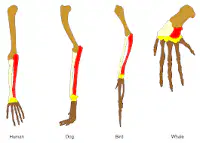
Which answer choice explains what homology is?
Similar strcture and function
A bone in the hand
Similar structure and not the same function
DNA found in the organism
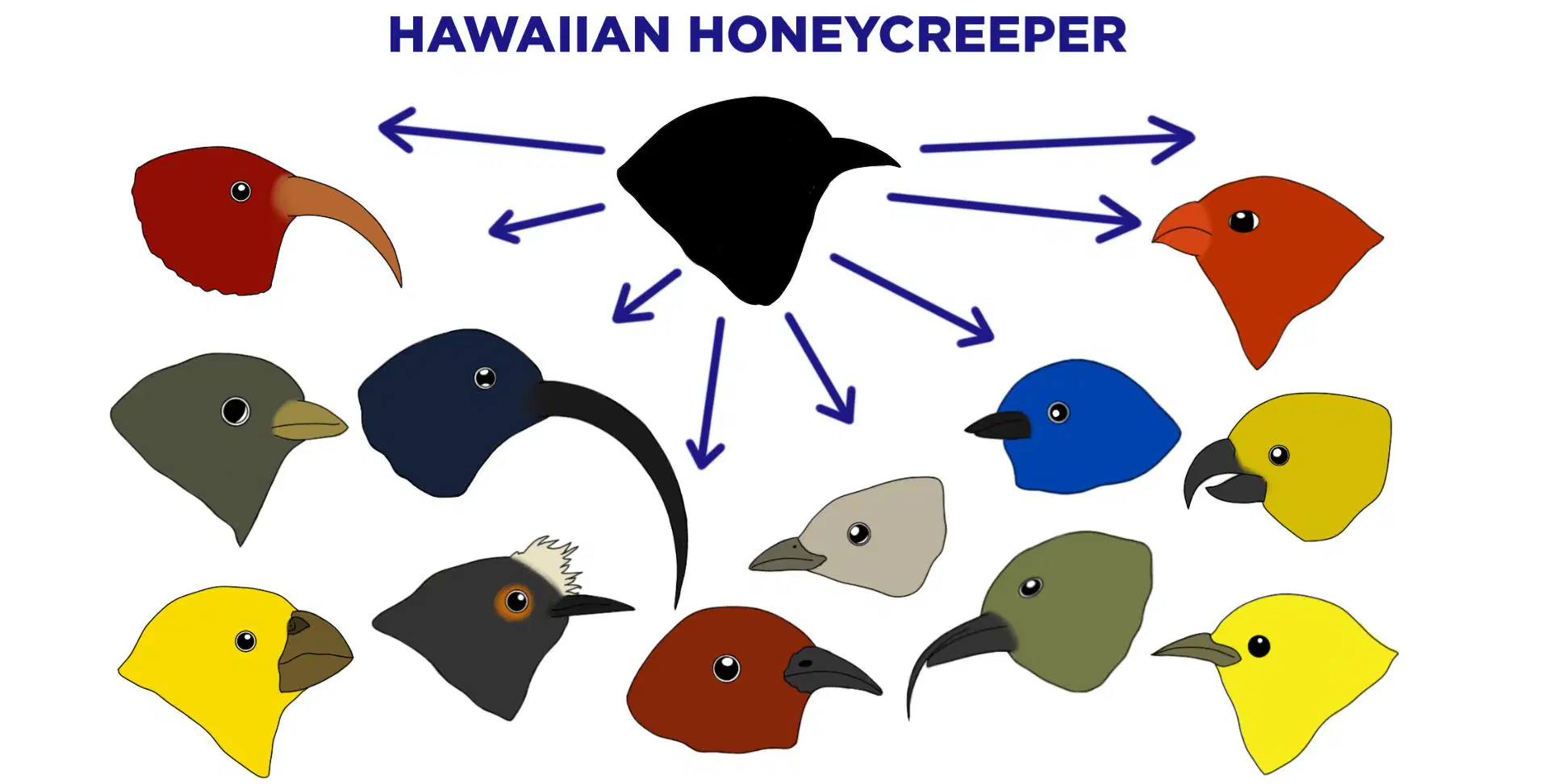
When an animal (a) to its surroundings.
Gradualism is an organism that changes over time. Draw an example of an organism that gradually changed over time.

Punctuated equilibrium proposes that species can remain largely unchanged for long periods, punctuated by short bursts of rapid evolution or the formation of new species.
In your own words explain what punctuated equilibrium is
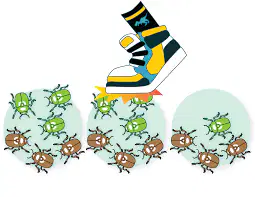
What is genetic drift?
Genetic drift is a random change in genes in a population
Genetic drift is when a new gene is created
Genetic drift is when a gene is mutated
Genetic drift is when an organism dies to a disease
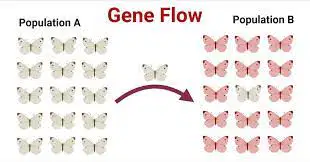
What is gene flow?

