
NEW
Font size
 Worksheets
Ling
Total questions: 19
Worksheet time: 10mins
The boy kicked the ball.
The dog caught the ball.
Semantic Feature - Agent
Semantic Feature - Theme
Semantic Feature - Experiencer
Semantic Feature - Instrument
Semantic Feature - Location
The ball is red.
Mary is beautiful.
She feels happy
A girl drew a picture
Semantic Feature - Agent
Semantic Feature - Theme
Semantic Feature - Experiencer
Semantic Feature - Instrument
Semantic Feature - Location
John feels happy
Did you hear the noise ?
Jack is thinking about the problem.
Semantic Feature - Agent
Semantic Feature - Theme
Semantic Feature - Experiencer
Semantic Feature - Instrument
Semantic Feature - Location
The woman cut the cake with a knife.
Semantic Feature - Agent
Semantic Feature - Theme
Semantic Feature - Experiencer
Semantic Feature - Instrument
Semantic Feature - Location
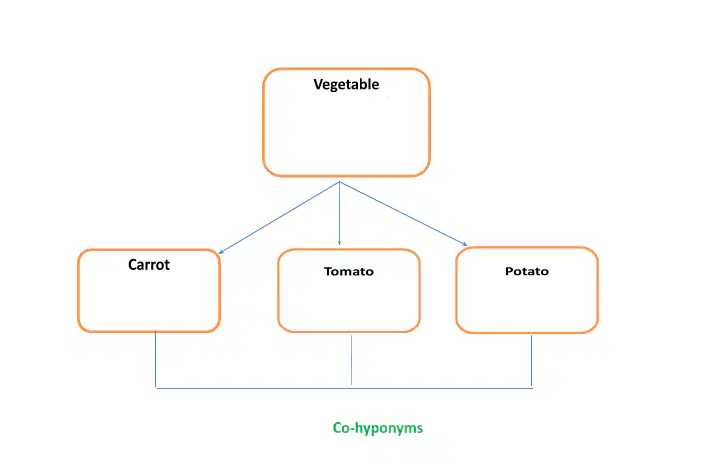
Lexical Relations
The carrot is the ____ of the vegetable
Synonymy
Homophones
Hyponymy
Homonym
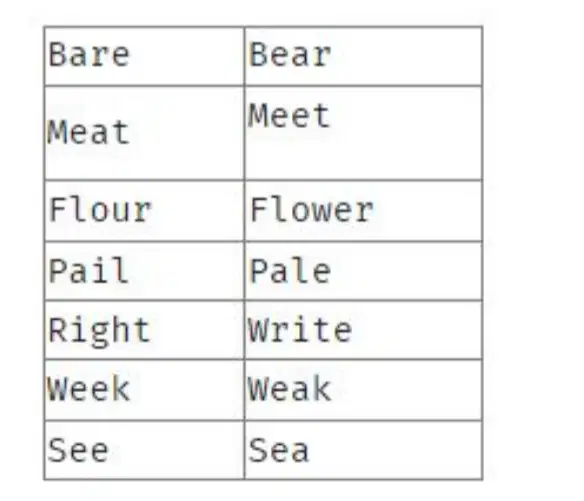
Bare and Bear are same as pronunction but diffrent in meaning so they are _____
Synonymy
Homophones
Hyponymy
Homonym
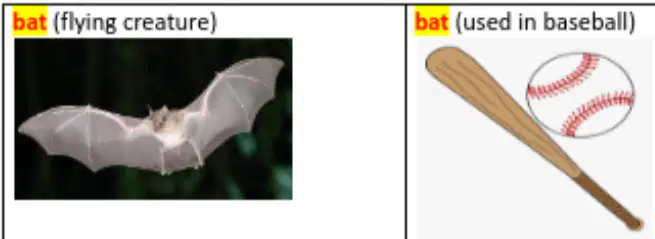
When one form has two seperate meanings
Synonymy
Homophones
Hyponymy
Homonym
Head of company
Heaf of person
Water runs
People runs
Metonymy
Polysemy
Hyponymy
Prototype
The White House has announced…; filling up the car, answering the door, boiling a kettle, giving someone
a hand, or needing some wheels etc.
Ad Aktarması
Metonymy
Polysemy
Hyponymy
Prototype
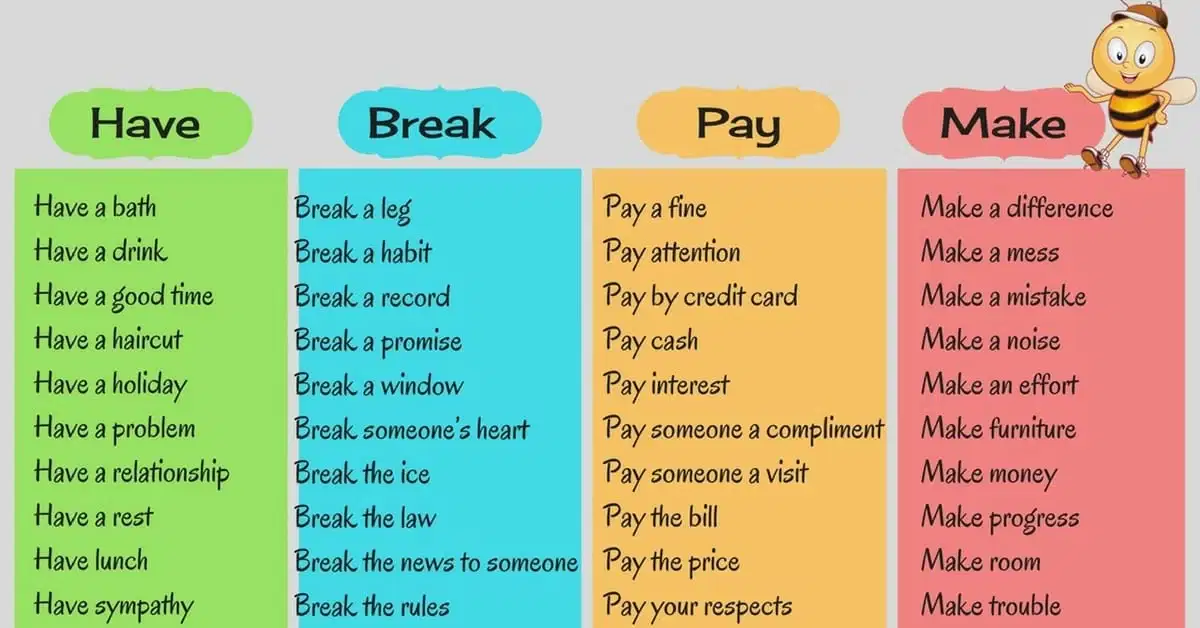
We know which words tend to occur with other words.
Example: hammer – nail,
table – chair,
butter – bread,
needle – thread
Hyponymy
Polysemy
Collocation
Idioms
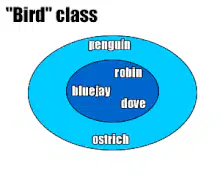
The idea of “the characteristic instance” of a category is known as the ____
Kuş dendiğinde aklınızda canlanan ilk canlı
Homophone
Antonym
Prototype
Mentoym
Pragmatics - Speech Acts
_____are when someone says they will do something in the future. It's like making a promise or committing to doing something later on.
Examples are: promise, guarantee, refusal, threat, offer,
volunteer etc.
Declarations
Expressives
Commissives
Direct speech acts
Representatives
Pragmatics - Speech Acts
________, also known as assertives, are when someone says something to assert that something is true or false. The speaker commits to the truth of what they are saying, and their statements can be judged as either true or false. It's about stating facts or making claims about the way things are.
Some of the examples of the representative illocutionary acts are:
suggest, put forward, boast, complain, conclude and deduce.
Declarations
Expressives
Commissives
Direct speech acts
Representatives
Pragmatics - Speech Acts
______, are when someone expresses their psychological state about a particular situation or event. The focus is on conveying emotions, feelings, attitudes, or opinions rather than attempting to change the world or the listener's actions. In expressives, the truth of what is expressed is assumed or taken for granted; the speaker is not trying to make the world match their words or vice versa. Instead, they are simply expressing their inner feelings or attitudes towards a certain state of affairs.
thank, apologize, congratulate, condole,
deplore and welcome.
Declarations
Expressives
Commissives
Direct speech acts
Representatives
Pragmatics - Speech Acts
_____are when someone tries to get another person to do something. The speaker is attempting to influence the listener to take a specific action. It could involve making requests, commands, suggestions, or any other form of prompting. The main aim is to get the listener to act in a certain way.
Some of the examples of the representative illocutionary acts are:
suggest, put forward, boast, complain, conclude and deduce.
Expressives
Directives
Direct speech acts
Indirect Speech Acts
Pragmatics - Speech Acts
_____ are a special type of speech act where the mere utterance of certain words brings about a new state of affairs or changes the world in some way. Unlike other types of speech acts, the success of a declaration depends on the words being uttered. When a declaration is successfully performed, it ensures that what is stated in the proposition becomes true or is brought into existence. This means that the act of declaring something itself makes it so.
if I successfully perform the act of appointing you a chairman, then you are
chairman;
if I successfully perform the act f nominating you as candidate, then you are
a candidate;
if I successfully perform the act of declaring a state of war, then the war is
on;
if I successfully perform the act of marrying you, then you are married”.
A man in Tbilisi Example.
Expressives
Directives
Declarations:
Indirect Speech Acts
Cümle kurarken kullandığımız bir kelime ile bağlantılı yeni kelimeler kullanırız
Lucy went to cinema. She was happy
mesala buradaki she'nin lucy olduğunu anlamamız gibi
Deixis
Anaphora
Reference
Presupposition
There is some words in english which hasn't any meaning if you don't use them in a context like think
They
"They" düşüdüğünüzde bir boşluk canlanıyor kafanızda çünkü bir context içinde kullanılmadığında bir anlamı yok
Ama bir context içinde kullanalım mesala They, durakta bekleyen arkadaşlarınız olsun artık They bir şeylerin yerini tutuyor ve bir anlam kazandı işte buna _____ deniyr
Deixis
Anaphora
Reference
Presupposition
When we use a referring expression like this, he or Shakespeare, we usually assume that our listeners can recognize which referent is intended. In a more general way, we design our linguistic messages on the basis of large-scale assumptions about what our listeners already know. Some of these assumptions may be mistaken, of course, but mostly they’re appropriate. What a speaker (or writer) assumes is true or known by a listener (or reader) can be described as a ______.
Deixis
Anaphora
Reference
Presupposition

