
 Worksheets
Respiratory monitoring
Total questions: 20
Worksheet time: 15mins
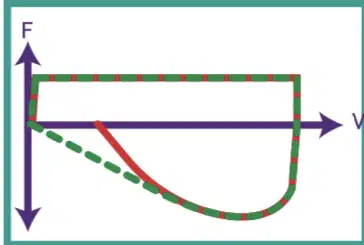
Interpret the waves form below and what’s your action as a RT ?
Leak , check the patient status then all connections
Auto PEEP , increase flow
Water or secretion , section or change the circuit
Flow hunger , increase setting
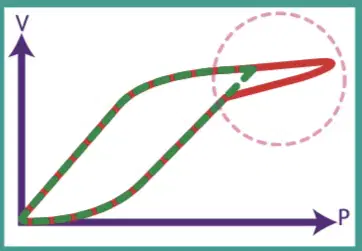
Interpret the waves form below and what’s your action as a RT ?
High airway resistance , given bronchodilator
Over distension , decrease the pressure
Normal graphic shape
Missed trigger
Which of the following is a way to analysis and monitoring of gas exchange (Non-invasive) ?
Pulse oximetry
Venous oximetry
ABG
Capnogram
Capnometers use two different methods to sample the respiratory gases : mainstream and sidestream .
the advantages of mainstream is ?
had sensors at patient airway
Ability to measure N2o
Fast response
Ability to use with non intubated patients
Capnometers use two different methods to sample the respiratory gases : mainstream and sidestream .
the advantages of sidestream is ?
Ability to use with non intubated patients
Fast response
Sensors at patient airway
We can use it at PFT lab
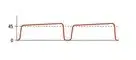
Interpret the capnographs
During CPR
Hyperventilation
Hypoventilation
ROSC
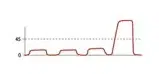
Interpret the capnographs
Bronchospasm
Fully obstruction
During CPR
ROSC
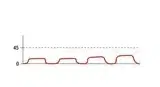
Interpret the capnographs
Apnea
During CPR
ROSC
Partial obstruction
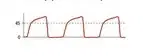
Interpret the capnographs
Bronchospasm ( COPD , Asthma )
During CPR
Hypoventilation
ROSC
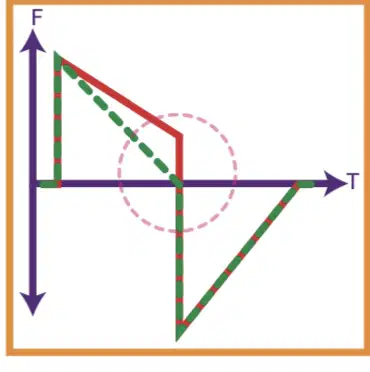
Interpret the wave form and what’s your action as a RT ?
Long Ti , decrease Ti
Auto-PEEP
Flow hunger
Short Ti , increase Ti
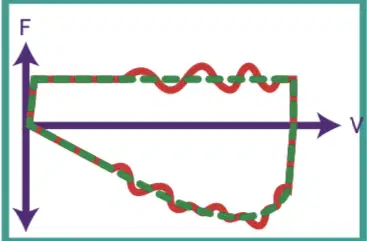
Interpret the wave form and what’s your action as a RT ?
Flow hunger , increase the pressure
Water or secretions , suction
Over distension , decrease the pressure
Leak , check the patient status and the circuit
Which of the following should the RT monitoring on mechanical ventilation patients ?
Physical examination
Assessment of oxygenation and ventilation
Assessment of waveform
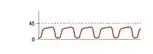
Interpret the capnographs
Fully obstruction
Apnea
Hypoventilation
Hyperventilation
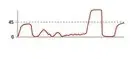
Interpret the capnographs
During CPR
Apnea
Hypoventilation
Bronchospasm
Which of the following signs of increased patient effort?
Increase HR
Nasal flaring
Decrease BP
Use of accessory muscles

Which breathing pattern this graph shows ?
Tachypnea
Eupnea ( Norma breathing)
Apnea
Air trapping
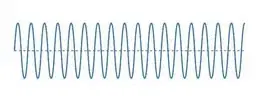
Which breathing pattern this graph shows ?
Shallow
Sighing
Kussmauls ( DKI )
Agonal

Which breathing pattern this graph shows ?
Tachypnea
Bradypnea
Shallow
Air trapping
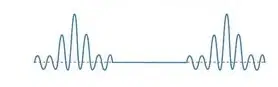
Which breathing pattern this graph shows ?
Cheyne-stokes
Apneustic
Air trapping
Shallow
We checked the ventilation adequacy by measuring which values?
Minute ventilation
Arterial carbon dioxide
P/F ratio
Compliance

