
 Worksheets
Pimento Internationa End of term Science Test
Total questions: 51
Worksheet time: 28mins
What are the main organs of the digestive system?
Mouth, Esophagus, Stomach, Small Intestine, Large Intestine, Liver, Gallbladder, Pancreas
Appendix, Gallbladder, Kidneys, Lungs
Spleen, Bladder, Thyroid, Adrenal Glands
Brain, Heart, Lungs, Kidneys
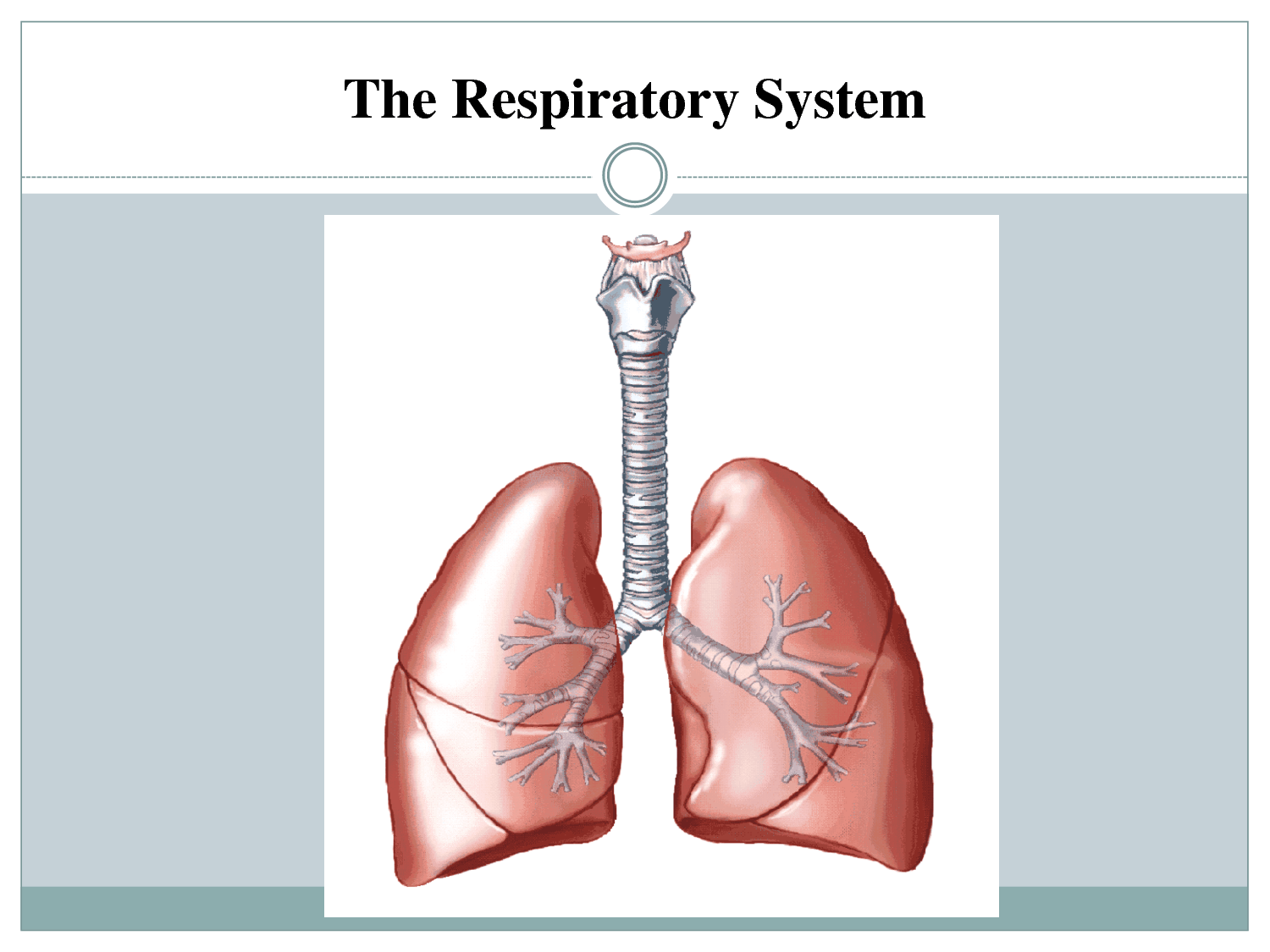
Explain the function of the respiratory system.
The respiratory system functions to exchange oxygen and carbon dioxide in the body.
The respiratory system functions to regulate body temperature.
The respiratory system functions to digest food.
The respiratory system functions to pump blood throughout the body.
What are the functions of the skeletal system?
Energy production, waste elimination, temperature regulation
Vision enhancement, hearing improvement, taste sensation
Emotional stability, memory retention, decision-making
Structural support, protection, movement facilitation, blood cell production, mineral storage
Describe the process of gas exchange in the respiratory system.
The respiratory system does not play a role in gas exchange.
Gas exchange occurs in the stomach instead of the lungs.
Carbon dioxide is taken into the bloodstream, and oxygen is exhaled in the alveoli of the lungs.
Oxygen is taken into the bloodstream, and carbon dioxide is removed and exhaled in the alveoli of the lungs.
How does the respiratory system help in removing waste from the body?
By sweating out toxins
By exhaling carbon dioxide and inhaling oxygen.
By digesting waste products
By filtering waste through the skin
Label the parts of the circulatory system involved in oxygen transport.
Liver, Pancreas, Intestines
Muscles, Bones, Skin
Brain, Stomach, Kidneys
Lungs, Heart, Blood Vessels
What is the role of red blood cells in the circulatory system?
Red blood cells aid in digestion within the circulatory system.
Red blood cells play a crucial role in oxygen transport within the circulatory system.
Red blood cells are responsible for producing bile in the liver.
Red blood cells regulate body temperature in the circulatory system.
Explain how the skeletal system supports the body.
The skeletal system supports the body by aiding in digestion
The skeletal system supports the body by providing structure, protection, and enabling movement.
The skeletal system supports the body by producing hormones
The skeletal system supports the body by regulating body temperature
How do the ribs protect vital organs in the body?
Ribs protect vital organs by absorbing sunlight.
Ribs protect vital organs by emitting a protective force field.
Ribs protect vital organs by singing lullabies.
Ribs protect vital organs by forming a protective cage around them.
What is the role of the alveoli in the respiratory system?
The alveoli produce mucus to trap dust particles
The alveoli store excess water in the body
The alveoli play a crucial role in the respiratory system by facilitating the exchange of oxygen and carbon dioxide.
The alveoli regulate blood pressure
Identify the bones that make up the human skull.
Frontal bone, Parietal bones, Temporal bones, Occipital bone, Sphenoid bone, Ethmoid bone
Zygomatic bone
Mandibular bone
Maxillary bone
What is the purpose of the diaphragm in the respiratory system?
To regulate blood pressure
To aid in digestion
To produce hormones
To contract and relax to change the volume of the thoracic cavity for breathing.
Explain how nutrients are absorbed in the digestive system.
Nutrients are absorbed through the walls of the large intestine into the bloodstream.
Nutrients are absorbed through the walls of the esophagus into the bloodstream.
Nutrients are absorbed through the stomach lining into the bloodstream.
Nutrients are absorbed through the walls of the small intestine into the bloodstream.
What is the difference between arteries and veins in the circulatory system?
Arteries carry deoxygenated blood away from the heart, while veins carry oxygenated blood back to the heart.
Arteries carry oxygenated blood away from the heart, while veins carry deoxygenated blood back to the heart.
Arteries and veins both carry oxygenated blood away from the heart.
Veins carry oxygenated blood away from the heart, while arteries carry deoxygenated blood back to the heart.

Mechanical Digestion (mastication)
Chemical Digestion (enzyme action)


Which parts of the diagram is the small and large intestine?
A~ small intestine
E~ large intestine
D~ small intestine
E~ large intestine
C~ large intestine
B~ small intestine
A~ large intestine
C~ small intestine
E~ small intestine
D~ large intestine

Which is the esophagus?
A
B
C
D
E
Where does the digestive system start?
The liver
The throat
The stomach
The mouth
Most digestion takes place in this organ. It is really long.
small intestines
large intestines
esophagus
pancreas
What do you call the organ that takes food from your mouth to your stomach?
acid
stomach
esophagus
villi
Food stays in your _____ for hours where it mixes with acid.
small intestines
large intestines
stomach
esophagus
______ is the watery liquid that begins to chemically break down food in your mouth.
salivary glands
saliva
mucus
water
What is the purpose of the digestive system?
To exchange gasses in your body
to get rid of waste in the body
to break down food into nutrients the body can use
to break down food into oxygen
What three things make up your circulatory system?
Brain
Blood
Liver
Heart
Blood Vessels
How many thing(s) make your circulatory system?
6
1
3
5
Breathing requires pressure change.
True
False

What bone is highlighted?
Femur
Cranium
Ribs
Skull

What is the place where two bones meet?
bones
tendons
ligament
joint
What mineral helps keep your bones healthy and strong?
iron
zinc
calcium
The scientific name of the collar bone is the ____________.
Scapula
Clavicle
The scientific name for the skull is the _____________.
Cranium
Zygomatic process
The bones at the end of our fingers and toes are known as _______________.
Tarsals
The phalanges
What is the scientific name of the 'jaw bone'?
Maxilla
Mandible
Which part of the Respiratory System plays a major role in speech?
nose
pharynx
larynx
trachea
1. larynx
2. nasal cavity
3. pharynx
4. trachea
Which of the following is the correct order that air would flow during inhalation.
When we breathe, we take in ....
nitrogen
carbon dioxide
oxygen
hydrogen

