wayground logo

Free Printable Worksheets

Font size

S
M
L
XL
Worksheets

3/26/24 review

Total questions: 256

Worksheet time: 5hrs 31mins

Name
Class
Date
1.
Gravity is the force objects put on each other because of their ______.
a)
Mass
b)
Friendliness
c)
Acceleration
d)
Speed
2.
An example of a gravitational interaction is that the Earth. . . 
a)
orbits the Sun.
b)
orbits the moon.
3.

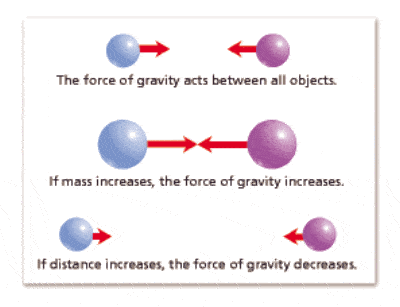
If an object has MORE _______, it will have more gravitational force.

a)

mass

b)

distance

4.
________ hold all of the planets in orbit around the sun.
a)
gravity
b)
string
c)
Bill Nye
d)
duct tape
5.
Gravity on Mars’ surface is much lower than it is here on Earth. This is because the mass of mars is ______ than Earth.
a)
less
b)
more
c)
the same
6.

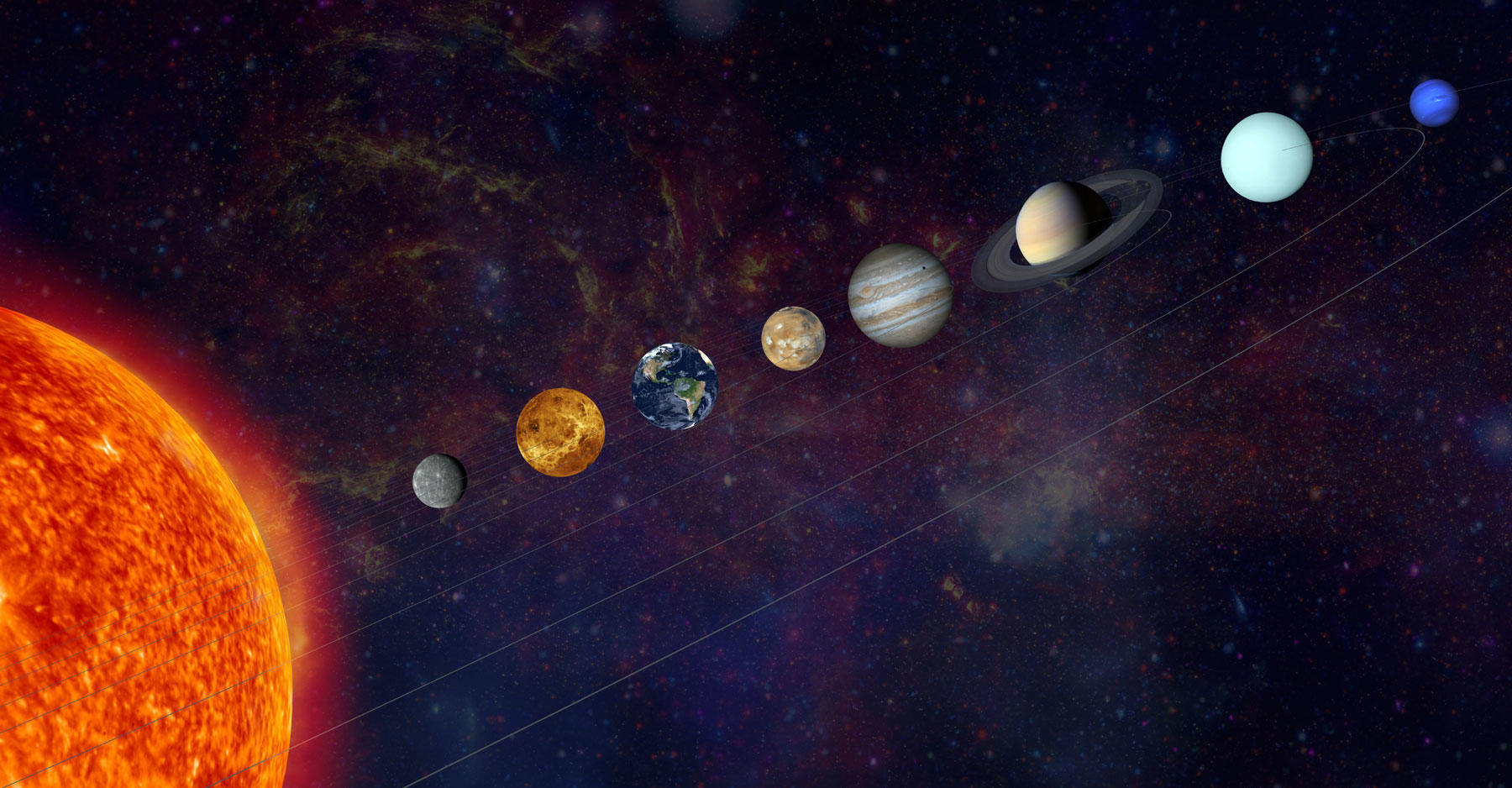
Which planet is between Venus and Mars?

a)

Mercury

b)

Earth

c)

Saturn

d)

Uranus

7.

Which planet is between Mars and Saturn?

a)

Mercury

b)

Jupiter

c)

Earth

d)

Uranus

8.

What is the order of the inner planets from the sun?

a)

Mercury, Venus, Earth, Mars

b)

Jupiter, Venus, Earth, Mars

c)

Mars, Venus, Mercury, Earth

d)

Uranus, Saturn, Jupiter, Neptune

9.

What is the order of the outer planets from the sun?

a)

Mercury, Venus, Earth, Mars

b)

Jupiter, Saturn, Uranus, Neptune

c)

Neptune, Jupiter, Saturn, Uranus

d)

Uranus, Saturn, Jupiter, Neptune

10.

What keeps the moon in orbit around the Earth?

a)

gravity

b)

friendship

c)

magnets

d)

electricity

11.

A ________ is a space object consisting of a ball of ice and dust and, when near the sun, a “tail” of gas and dust particles pointing away from the sun.

a)

comet

b)

moon

c)

meteor

d)

meteorite

12.

A meteor from outer space that passes through Earth's atmosphere and strikes the ground is a _________.

a)

comet

b)

moon

c)

meteor

d)

meteorite

13.
The four inner planets are...
a)
Rocky and small
b)
Very large and made of ice
c)
Small and made of ice
d)
Very large and made of gases
14.
The outer planets are...
a)
Rocky and small
b)
Very large and made of ice
c)
Small and made of ice
d)
Very large and made of gases
15.
Which two planets are out of order in this list of our solar system?
Mercury-Earth-Venus-Mars-Jupiter-Saturn-Uranus-Neptune-Pluto.
a)
Mercury and Earth
b)
Earth and Venus
c)
Saturn and Jupiter
d)
Uranus and Neptune
16.
Without gravity, what would be the shape of the solar system?
a)
Planets would revolve in perfect circles
b)
Much different than it is now.
c)
Planets' orbits would cross
d)
All planets would be in the same orbit
17.
What keeps a planet moving on its path around the sun
a)
gravity & inertia
b)
heat & pressure
c)
inertia & pressure
d)
gravity & heat
18.
What is an astronomical unit?
a)
distance between the moon and earth
b)
distance between the earth and pluto
c)
distance between the earth and sun
d)
distance between NJ and Cali
19.
The closer a planet is to the sun...
a)
the faster it travels
b)
the slower it travels
20.
Which statement best describes a galaxy?
a)
a cluster of millions of stars held together by gravity
b)
a star, with planets, moons and other small space bodies revolving around it
c)
all known objects
d)
all of the above
21.
Which movement creates day/night?
a)
rotation
b)
revolution
22.
What is a common characteristic of the inner  planets?
a)
Gaseous
b)
Distance between them is longer
c)
Rings
d)
Distance between them is shorter
23.
Which movement creates years?
a)
rotation
b)
revolution
24.
All of the outer planets--
a)
have many moons
b)
are small
c)
have a short orbit around the Sun
d)
are rocky
25.
What is located between the inner and outer planets.
a)
Sun
b)
Asteroid belt
c)
Uranus
d)
Moons
26.
The Sun is at the center of our solar system.  All the planets in the solar system orbit around the Sun. Which of the following planets has the longest orbit? 
a)
Mercury
b)
Earth
c)
Saturn
d)
Neptune
27.
Which of the following is a common characteristic of outer planets?
a)
have rings
b)
shorter years
c)
terrestrial
d)
less than 5 satellites
28.
The idea that an object in motion will stay in motion unless acted upon is known as
a)
gravity
b)
inertia
c)
pressure
d)
heat
29.
An _______ is between the orbits of Mars and Jupiter. 
a)
Oort Cloud
b)
Asteroid belt
c)
Kuiper belt
d)
Photosphere
30.
What planet is it?
a)
Jupiter
b)
Saturn
c)
Uranus
d)
Venus
31.
Jupiter, Saturn, Uranus, and Neptune are what type of planets?
a)
Gas Giants
b)
Ice Giants
c)
Terrestrial Planets
d)
Exterior Planets
32.
The curved path in which a planet, satellite, or spacecraft moves in a circle around another object.  The path one object takes around another.
a)
rotate
b)
orbit
c)
moon
d)
revolve
33.
Almost Earth’s twin in size and mass, this planet has very thick atmosphere.
a)
Venus
b)
Mars
c)
Mercury
d)
Neptune
34.
This gas giant has a large storm in its atmosphere known as The Red Spot
a)
Jupiter
b)
Saturn
c)
Uranus
d)
Neptune
35.
Planets that are closer to the sun
a)
take more time to orbit
b)
take less time to orbit
36.
True or False
The planets are all equally distanced from each other.
a)
True
b)
False
37.
When the lighted part of the moon is getting SMALLER.
a)
waning
b)
waxing
38.
When the moon moves between the Sun and the Earth.
a)
lunar eclipse
b)
solar eclipse
c)
planetary eclipse
39.
Made of ice, called a "dirty snowball", and its tail is pointing away from the sun.
a)
asteroid
b)
meteor
c)
comet
40.
Rotate means:
a)
to move around another object
b)
to spin
c)
move up and down
41.
Which is an example of revolving?
a)
Moon moving around Earth
b)
fan
c)
toy top
42.
What does waxing mean?
a)
Lighted side of the moon is getting bigger
b)
Lighted side of the moon is getting smaller
c)
Lighted side of the moon is staying the same.
43.
Which of the following is a "shooting star"?
a)
comet
b)
meteor
c)
asteroid
44.
Which one does NOT describe the asteroid belt?
a)
separates Inner and Outer Planets
b)
Separates the Rocky Planets from Gas Giants
c)
Separates Sun and Mecury
45.
Pluto is described as a ____.
a)
dwarf planet
b)
9th planet in our solar system
c)
giant planet
46.
What affects the force of gravity of two objects in space?  (HINT:  Outer Planets in comparison to Inner Planets)
a)
weight and height
b)
mass and distance
c)
because they're made of gases
47.
Occurs in fall and spring when day and night are "equal":
a)
solstice
b)
equinox
c)
eclipse
48.

What characteristics are used to classify stars? (Select all that apply)

a)

Size

b)

Brightness

c)

Temperature

d)

Distance from sun

49.

Rank the colors of stars from hottest to coolest.

a)

Blue, white, yellow, orange/red, red

b)

Blue, yellow, white, orange/red, red

c)

Red, orange/red, white, yellow, blue

d)

Red, orange/red, yellow, white, blue

50.

What is absolute brightness?

a)

Brightness the star would have if it were at a standard distance from Earth

b)

How bright the star looks from Earth

51.
What position is to the perihelion of planet 1? 
a)
 position A
b)
position B
c)
position C
d)
position D
52.
According to Newton, the two factors that combine to keep the planets in orbit are 
a)
gravity and orbital speed.
b)
orbital speed and mass
c)
mass and inertia.
d)
gravity and inertia.
53.
What is an ellipse?
a)
A perfect circle
b)
It is longer than it is wide.
c)
It is the shape of the sun.
d)
It is an eclipse.
54.
Night and day are caused by earth's ___
a)
revolution
b)
rotation
55.
When the moon is between the earth and the sun, this is called a ____ .
a)
full moon
b)
waxing gibbous
c)
new moon
d)
waxing crescent
56.
Our solar system is thought to have formed from ___
a)
a giant star
b)
a cloud of gas and dust
c)
a cluster of rocks
57.
Our galaxy is this type.
a)
elliptical
b)
irregular
c)
spiral
d)
barred spiral
58.
Objects with greater ___ pull objects with lesser ___ .
a)
mass/mass
b)
strength/strength
c)
size/size
d)
distance/distance
59.
The greater the ___ between two objects, the ___ the force of gravity.
a)
distance/stronger
b)
magnetism/weaker
c)
distance/weaker
d)
magnetism/stronger
60.
What causes phases of the Moon?
a)
Earth's shadow hiding portions of the Moon.
b)
A lunar eclipse.
c)
The rotation of the Earth
d)
The amount of lit portion of the Moon facing towards the Earth.
61.
We only see one side of the Moon because?
a)
The period of rotation is 27.3 days, and the period of revolution is 27.3 days.
b)
The Earth rotates once every time the Moon revoloves.
c)
The period of rotation is 27.3 days, and the period of revolution is 29.8 days.
d)
The Earth and the Moon are in sink with the same period of rotation.
62.
What are the reasons for the seasons?
a)
Earth's tilt and rotation.
b)
Earth's rotation and revolution.
c)
Earth's tilt and revolution.
d)
Earth's tilt and resolution
63.
During the phases of the Moon, the Moon appears to change shape.  This change in appearance is due to the Moon...
a)
physically changing size and shape.
b)
moving closer and then farther away from Earth.
c)
reflecting a different amount of light due to alignment with Earth and the Sun.
d)
having craters on its surface.
64.
How does gravity help the solar system?
a)
Helps our calendar maintain days, months, and years
b)
Helps keep planets in orbit
c)
Keeps planets from colliding with one another
d)
Helps the sun from becoming a red giant
65.
What does the Big Bang theory suggest?
a)
The universe was just there
b)
The Milky Way is the only solar system
c)
The universe is continually expanding
d)
The universe started as a point and is moving towards each other
66.
Seasons are caused by the tilt of Earth's axis and Earth's...
a)
revolution.
b)
rotation.
c)
weather.
d)
speed.
67.
Why is it summer in the Northern Hemisphere when it is winter in the Southern Hemisphere? 
a)
A) The Northern Hemisphere is closer to the Sun than the Southern Hemisphere. 
b)
B) The Northern Hemisphere is "on top" of Earth and therefore receives more sunlight. 
c)
C) The Northern Hemisphere is tilted toward the Sun and receives more direct sunlight. 
d)
D) The Northern Hemisphere is tilted away from the Sun and receives more indirect sunlight. 
68.
Which planets are the gaseous planets?
a)
Mercury, Mars, Neptune, and Uranus
b)
Earth, Venus, Jupiter, and Neptune
c)
Neptune, Saturn, Jupiter, and Earth
d)
Jupiter, Saturn, Uranus, and Neptune
69.

A student made a model of how the planets orbit the sun. She used a tennis ball to represent the sun. She used ping-pong balls to represent each planet, and painted each one a different color. Then, she placed all the ping-pong balls equal distances apart in a line extending out from the sun. What are two limitations of the student's model?

a)

She used the same size balls to represent the planets.

b)

She made planets orbit the sun.

c)

The planets are not the correct distances from the sun.

d)

The solar system can't be modeled using actual objects.

70.
Which planet in our solar system is closest to the Sun?
a)
Earth
b)
Jupiter
c)
Mercury
d)
Saturn
71.

How do the sizes of the inner planets (4 closest to the sun) compare to the sizes of the outer planets (4 farthest from the sun)?

a)

The inner planets are larger.

b)

The outer planets are smaller.

c)

There is no size difference between the inner and outer planets.

d)

The inner planets are smaller.

72.

This shows

a)

Size difference between the planets accurately

b)

Distance between the planets accurately

c)

Both size and distance accurately

73.
What planet is eighth in the Solar System?
a)
Uranus
b)
Jupiter
c)
Neptune
d)
Mars
74.

Our Solar System_________

a)

Has 8 planets that are very close together

b)

Has 8 planets, but is mostly empty space

c)

Has 9 planets that are very close together

d)

Has 9 planets, but is mostly empty space

75.

Why do scientists use scale to study the Solar System?

a)

The solar system is too large to study without using scale models

b)

The solar system is too small to study without using scale models

c)

Scientists don't need to use scale because we have satellites

d)

All of the above

76.

Why is making a model of the solar system difficult?

a)

Don't have the right materials

b)

The solar system is so big and the objects in it are so small in comparison

c)

There are too many parts in a model

d)

Because the science concepts are too difficult

77.
Which planet in the Solar system has the shortest revolutionary period?
a)
Mercury
b)
Earth
c)
Jupiter
d)
Neptune
78.

If you were going to make a scale model of the Solar system what planet should be the second largest in diameter?

a)

Jupiter

b)

Saturn

c)

Earth

d)

Uranus

79.

If you were to make a scale model of the Solar system what planets in the solar system should be most similar in size?

a)

Earth and Venus

b)

Mars and Mercury

c)

Uranus and Neptune

d)

Jupiter and Saturn

80.
Which of the following orders the planets correctly from the Sun?
a)
Mercury, Venus, Earth, Mars, Jupiter, Saturn, Uranus, Neptune
b)
Mercury, Venus, Earth, Mars, Jupiter, Saturn, Neptune, Uranus
c)
Neptune, Uranus, Saturn, Jupiter, Mars, Earth, Venus, Mercury
d)
Earth, Venus, Mars, Mercury, Jupiter, Saturn, Neptune, Uranus
81.

What planet has the shortest day (Period of Rotation)?

a)

Mercury

b)

Jupiter

c)

Venus

d)

Earth

82.

Which planet the solar system has the greatest mass?

a)

Earth

b)

Venus

c)

Saturn

d)

Jupiter

83.
Which definition accurately describes the Astronomical Unit (AU)?
a)
The average distance between the planets. 
b)
The average distance between Earth and Mars.
c)
The average distance between the Earth and the Sun. 
d)
The average size of the Earth compared to the Sun. 
84.
Which planet is famous for it's great red spot, a storm larger than the size of Earth?
a)
Saturn
b)
Venus
c)
Neptune
d)
Jupiter
85.
True or False
The planets are all equally distanced from each other.
a)
True
b)
False
86.
The _______ is between the orbits of Mars and Jupiter. 
a)
Oort Cloud
b)
Asteroid belt
c)
Kuiper belt
d)
Photosphere
87.

Is Pluto still considered a planet?

a)

Yes, Pluto is still a planet because it still orbits the sun

b)

Yes, Pluto is considered a planet because it is big enough to be a planet

c)

No, pluto is not considered a planet because it is too small, and it its orbit is affected by another star

d)

No, because pluto does not have any moons.

88.

If a meteor doesn’t entirely burn up, a piece of space rock that lands on Earth is called a?

a)

meteorite

b)

meteor

c)

comet

d)

planet

89.

A rock in orbit generally between Mars and Jupiter that sometimes get bounced towards Earth is called?

a)

moon

b)

asteroid

c)

comet

d)

satellite

90.

What is a chunk of ice and rock originating from the outer solar system, often accompanied by a coma and tail?

a)

moon

b)

asteroid

c)

meteor

d)

comet

91.
A small object that appears as a streak of light as it enters earth's atmosphere.
a)
Asteroid
b)
Comet
c)
Moon
d)
Meteor
92.
The moon is a natural  ______ of Earth.
a)
comet
b)
axis
c)
satellite
d)
space probe
93.

A tool that can be on Earth or orbiting Earth that helps scientists to see far into space is called...

a)

orbiter

b)

lander

c)

rover

d)

telescope

94.

Mirrors are used in ________ telescopes

a)

reflecting

b)

refracting

c)

radio

d)

none of the above

95.

Which space tool is shown here?

a)

satellite

b)

telescope

c)

space probe

d)

observatory

96.
Why can planets be seen in different locations at different times?
a)
 because the Sun moves around the planets
b)
because telescopes are located in different places
c)
because of the different months of the year
d)
because planets move in an orbit around the Sun
97.

Which planet is NOT one of the

"Gas Giants"?

a)

Uranus

b)

Venus

c)

Neptune

d)

Saturn

98.

How many earths can fit inside the sun?

a)

100

b)

1000

c)

1 million

d)

1 billion

99.

What is Venus made out of?

a)

rock, metal, nitrogen and carbon dioxide

b)

water, grass, oxygen

100.

The largest mountain in our solar system is ____________________, on Mars.

a)

Olympus Mons

b)

Mons Ares

c)

Mons Olympia

d)

Hermes Mons

101.

What are the rings of Saturn made of?

a)

Ice particles, dust and rocks.

b)

Only rocks and dust.

c)

Ice and nitrogen.

102.

One unique thing about Uranus is

a)

it spins on its side

b)

it has the most moons

c)

it is the fastest planet to travel around the sun

d)

it has the best ice cream joint in the whole solar system

103.

Neptune is named after the Roman god of the ____________ because of its vibrant blue color.

a)

war

b)

sun

c)

land

d)

sea

104.

Two factors affecting the strength of the force of gravity between 2 objects are...

a)

mass and distance

b)

mass and matter

c)

distance and weight

d)

weight and mass

105.
As distance between two objects increase the pull of gravity 
a)
Increases
b)
Decreases
c)
Stays the same
106.

Jackson and Maya are comparing two objects, one with a greater mass than the other. They observe that the object with greater mass has

a)

less gravitational force

b)

stronger gravitational force

c)

no clue

d)

a way to break apart

107.
The closer two objects are to each other
a)
the harder they will land
b)
have no gravitational force
c)
have a stronger gravitational force
d)
yep
108.

Aria and Rohan are comparing two objects with different masses. What happens to the gravitational force between the objects as one object's mass increases?

a)

increases

b)

decreases

c)

stays the same

d)

i don't know

109.

Isla, Elijah, and Abigail are discussing the force that keeps objects in our solar system orbiting our Sun. Which force are they talking about?

a)

push

b)

gravity

c)

motion

d)

pull 

110.
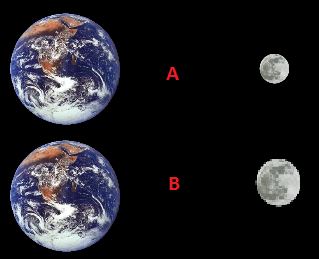
Which model has greater gravitational attraction (if any)
a)
Model A
b)
Model B
c)
Both Model A and Model B (same gravity)
111.
Which system has the greater gravitational attraction between the two objects (if any)?
a)
System A
b)
System B
c)
Same gravitational attraction fro System A and System B
112.

Which celestial body has the smallest amount of gravity?

a)

Mercury

b)

Uranus

c)

Pluto

d)

Venus

113.
Which planet has the greatest amount of gravity?
a)
Saturn
b)
Uranus
c)
Neptune
d)
Jupiter
114.

Which describes the inner planets?

a)

the inner planets are small, gaseous and have rings

b)

the inner planets are large, solid and have many moons

c)

the inner planets are solid, rocky, and smaller

d)

the inner planets are solid, have many moons and rings

115.

Which of these choices explains why this model of the solar system cannot be correct?

a)

Earth does not have enough gravitational pull to be located in the center of the Solar System.

b)

Venus is larger than the Moon so it would be located closer to the center.

c)

Saturn has as much mass as Earth so it would be located in the center.

d)

Mars and Mercury have an equal amount of gravitational pull so should be on the same orbital pathway.

116.

What does orbit mean?

a)

A measurement of how much something weighs.

b)

The repeating path that an object takes in space when it moves around a star, planet or moon.

c)

How much matter takes up space.

d)

The push or pull on a planet.

117.

Elijah, Sophia, and Abigail are on a school trip to a planetarium. The guide asks them, 'Which group of planets are known as the rocky planets?'

a)

Jupiter, Saturn, Venus, and Mars.

b)

Earth, Mars, Pluto and Venus

c)

Saturn, Jupiter, Venus and Earth

d)

Mercury, Venus, Earth and Mars.

118.

Kai, James, and Ethan are planning a trip to the outer planets. Which planets will they be visiting?

a)

Mercury, Venus, Earth, and Mars

b)

Pluto, Saturn, Mercury, and Mars

c)

Saturn, Jupiter, Uranus, and Neptune.

d)

Mercury, Venus, Earth, and Saturn

119.

Which of the following is true?

a)

The farther a planet is from the sun, the

longer it takes for the planet to move around

the sun.

b)

The closer a planet is to the sun, the longer it

takes for the planet to move around the sun.

c)

The smaller a planet is, the longer it takes for

the planet to move around the sun.

d)

The larger a planet is, the longer it takes for

the planet to move around the sun.

120.

Henry, Isla, and Daniel are discussing about the universe. They are trying to figure out which of these astronomical objects is the largest. Can you help them?

a)

A Star

b)

A Spiral Galaxy

c)

A Planet

d)

A Solar System

121.

A student made a model of how the planets orbit the sun. She used a tennis ball to represent the sun. She used ping-pong balls to represent each planet, and painted each one a different color. Then, she placed all the ping-pong balls equal distances apart in a line extending out from the sun. What are two limitations of the student's model?

a)

She used the same size balls to represent the planets.

b)

She made planets orbit the sun.

c)

The planets are not the correct distances from the sun.

d)

The solar system can't be modeled using actual objects.

122.

Why do scientists use scale to study the Solar System?

a)

The solar system is too large to study without using scale models

b)

The solar system is too small to study without using scale models

c)

Scientists don't need to use scale because we have satellites

d)

All of the above

123.

Why is making a model of the solar system difficult?

a)

Don't have the right materials

b)

The solar system is so big and the objects in it are so small in comparison

c)

There are too many parts in a model

d)

Because the science concepts are too difficult

124.

Which planet in the Solar system has the shortest orbital period?

a)
Mercury
b)
Earth
c)
Jupiter
d)
Neptune
125.

If you were going to make a scale model of the Solar system what planet should be the second largest in diameter?

a)

Jupiter

b)

Saturn

c)

Earth

d)

Uranus

126.

If you were to make a scale model of the Solar system what planets in the solar system should be most similar in size?

a)

Earth and Venus

b)

Mars and Mercury

c)

Uranus and Neptune

d)

Jupiter and Saturn

127.

Which planet the solar system has the greatest mass?

a)

Earth

b)

Venus

c)

Saturn

d)

Jupiter

128.
True or False
The planets are all equally distanced from each other.
a)
True
b)
False
129.
The moon is a natural  ______ of Earth.
a)
comet
b)
axis
c)
satellite
d)
space probe
130.

A tool that can be on Earth or orbiting Earth that helps scientists to see far into space is called...

a)

orbiter

b)

lander

c)

rover

d)

telescope

131.

Which space tool is shown here?

a)

satellite

b)

telescope

c)

space probe

d)

observatory

132.
When the Northern Hemisphere is pointing towards the sun, what season is it in the Southern Hemisphere?
a)
Winter
b)
Spring
c)
Fall
d)
Summer
133.
Waxing means...
a)
Growing
b)
Dying
c)
Losing light
d)
Moving
134.
When the moon is in between the earth and the sun it is a
a)
New Moon
b)
Full Moon
c)
First Quarter
d)
Third Quarter
135.
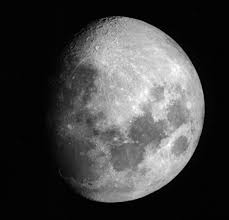
Name the moon phase
a)
waning crescent
b)
waxing crescent
c)
waning gibbous
d)
waxing gibbous
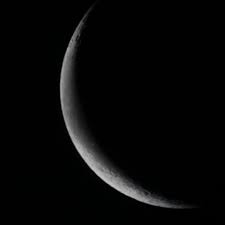
136.
Name the moon phase
a)
waning crescent
b)
waxing crescent
c)
waning gibbous
d)
waxing gibbous
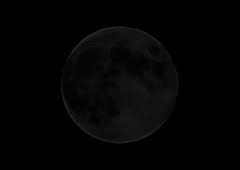
137.
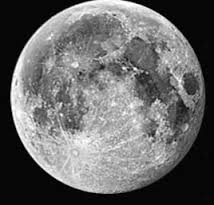
Name the moon phase
a)
First Quarter
b)
Last Quarter
c)
New Moon
d)
Full Moon
138.
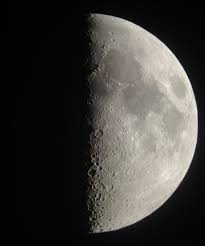
Name the moon phase
a)
First Quarter
b)
Last Quarter
c)
New Moon
d)
Full Moon
139.
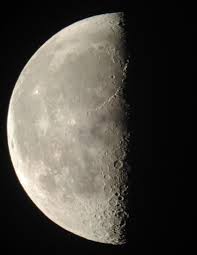
Name the moon phase
a)
First Quarter
b)
Last Quarter
c)
New Moon
d)
Full Moon
140.
Name the moon phase
a)
First Quarter
b)
Third Quarter
c)
New Moon
d)
Full Moon
141.
Name the moon phase that would come AFTER this moon.
a)
waning crescent
b)
waxing crescent
c)
waning gibbous
d)
waxing gibbous
142.
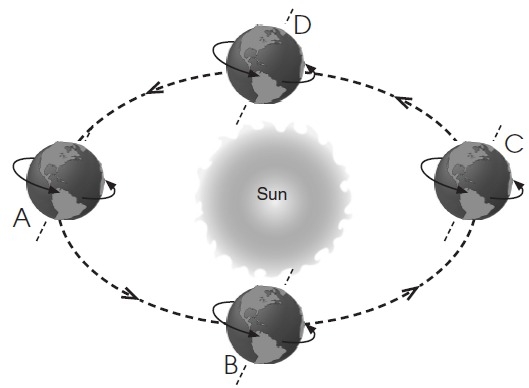
What season is it in the Northern Hemisphere for letter A?
a)
Winter
b)
Summer
c)
Spring
d)
Fall
143.
Which of the following statements is most accurate about the Movement of Earth and the Sun?
a)
The Sun revolves around the Earth
b)
The Earth rotates around the Sun
c)
The Earth revolves around the Sun
d)
The Earth rotates and revolves around the Sun 
144.
What would be the result if the Earth's axis was not tilted but straight up and down?
a)
Nothing would change
b)
There would be no seasons
c)
Days would get longer
d)
The Equator would burn up and the poles would freeze
145.
What is illuminating the Moon?
a)
Nuclear Fusion
b)
Sunlight
c)
Mirrors
d)
Flood Lights
146.
When the visible (lit) portion of the moon is increasing, the moon is:
a)
waning
b)
full
c)
waxing
d)
new
147.
The Moon orbits Earth in a ________________ direction
a)
clockwise
b)
counterclockwise
c)
upwards
d)
downwards
148.
Define Gibbous
a)
Less than half of moon visible
b)
More than half of moon visible
c)
All of moon visible
d)
None of moon visible
149.
The 1st Quarter moon is lit on the:
a)
Left Side
b)
Right Side
150.
Define Waning
a)
Moon appears to be gradually increasing in size
b)
Moon is completely illuminated
c)
Moon appears to be gradually decreasing in size
d)
More than half illuminated
151.
How long does it take for the Moon to make one full revolution around the Earth? 
a)
one day
b)
one month
c)
one year
d)
never
152.
If the last full moon was on April 4th, when can you expect to see the next full moon? 
a)
April 29th
b)
July 4th
c)
May 4th
d)
September 12th
153.
What happens when the area in which you live tilts away from the sun?
a)
It is summer.
b)
It is spring.
c)
It is winter.
d)
It is fall.
154.
How much of the moon is always lit?
a)
can't tell
b)
always changes
c)
half
d)
3/4
155.
Why does the area around the equator stay the same temperature all year?
a)
The equator rotates slower than the poles.
b)
The equator remains the same distance from the sun.
c)
The equator always receives direct sunlight.
d)
The equator has 18 hour days.
156.
What are the reasons for the seasons?
a)
Earth's tilt and rotation.
b)
Earth's rotation and revolution.
c)
Earth's tilt and revolution.
d)
Earth's tilt and resolution
157.
The moon cycle (lunar cycle) takes approximately _______________ to complete.
a)
14 days
b)
28 days/approximately one month
c)
58 days
d)
1 week
158.
Why do we always see the same side of the moon from Earth?
a)
because the phases change
b)
because it rotates and revolves at the same rate
c)
because half of the moon always receives sunlight
d)
The moon changes positions�
159.
As the moon's shape appears to get smaller, we say that the moon is _.
a)
swelling
b)
waxing
c)
waning
d)
disappearing
160.
What season is it in the Southern Hemisphere when it is fall in the Northern Hemisphere?
a)
winter
b)
spring
c)
summer
d)
fall
161.
What event is shown in the figure?
a)
lunar eclipse
b)
solar eclipse
c)
tide formation
d)
sun spots
162.
What moon phase is at position 1? 
a)
new moon
b)
waxing gibbous
c)
waning gibbous 
d)
waning crescent 
163.
What moon phase is at position 6? 
a)
waxing crescent 
b)
waxing gibbous
c)
waning gibbous 
d)
waning crescent 
164.
What moon phase is at position 3? 
a)
waxing crescent 
b)
1st quarter
c)
3rd quarter 
d)
waning crescent 
165.
What moon phase is at position 4? 
a)
waxing crescent 
b)
waxing gibbous
c)
waning gibbous 
d)
waning crescent 
166.
What is the order during a solar eclipse
a)
sun, moon, earth
b)
sun, earth, moon
167.
This picture represents which moon phase?
a)
Waxing Gibbous
b)
Waning Crescent
c)
Waning Gibbous
d)
Waxing Crescent
168.
During a lunar eclipse, what color does the moon appear?
a)
Black
b)
Red-orange
c)
Yellow-green
d)
White
169.
A solar eclipse only happens during a ________ moon.
a)
New
b)
Cresent
c)
Gibbous
d)
Full
170.
A lunar eclipse only happens during a ________ moon.
a)
New
b)
Cresent
c)
Gibbous
d)
Full
171.
Why is a lunar eclipse very rare?
a)
It happens every new moon
b)
The moon's orbit is tilted, so the sun, moon and earth rarely line up
c)
The moon isn't close enough to the earth
d)
The earth isn't close enough to the sun
172.
In order to have an eclipse, the Moon, Sun and Earth have to be?
a)
Below each other
b)
Above each other
c)
In alignment/same plane
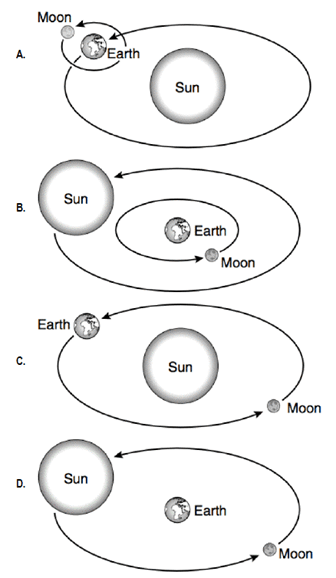
173.
Which of these best shows that the Earth revolves around the sun as the moon revolves around the Earth?
a)
Picture A
b)
Picture B
c)
Picture C
d)
Picture D
174.
Which of the following lists the Earth, Sun, and Moon in order of size, from largest to smallest?
a)
Earth, Sun, and Moon
b)
Earth, Moon, and Sun
c)
Sun, Earth, and Moon
d)
Sun, Moon, and Earth
175.
What is the imaginary line that passes through Earth’s center and the North and South poles?
a)
Axis
b)
Orbit
c)
North Pole
d)
South Pole
176.
According to Kepler, the paths of planets about the Sun are
a)
parabolas.
b)
circles.
c)
straight lines.
d)
ellipses
177.
This equation shows how mass and the speed of light convert to energy
a)
E=mc
b)
E=mc2
c)
E=mc3
d)
M=d/v
178.
Another word that describes nuclear fusion
a)
Fission
b)
Chromosphere
c)
core
d)
Nucleosynthesis
179.
Atomic process combines nuclei of small atoms to form more massive nuclei
a)
nuclear fusion 
b)
nuclear fission
180.
Particle in the nucleus that has no charge but affects the mass of the element 
a)
proton
b)
neutron
c)
nucleus 
d)
electron
181.
Negative charge in an atom that does not contribute to the mass 
a)
proton
b)
neutron
c)
nucleus 
d)
electron
182.
A particle with a positive charge that determines the element
a)
proton 
b)
neutron 
c)
nucleus
d)
electron
183.
The splitting of a nucleus into smaller nuclei is
a)
fusion
b)
fission
c)
half-life
d)
gamma radiation
184.
How do nuclear power-plants work?
a)
Fusion
b)
Half-life
c)
Fission
d)
Fusion or fission
185.
Which atoms combine together during fusion reaction on the sun?
a)
Helium and Hydrogen atoms
b)
Hydrogen atoms
c)
Hydrogen and Lithium atoms
d)
Hydrogen and Carbon atoms
186.
Do all stars make energy through fusion?
a)
Yes
b)
No
c)
Just our sun
d)
Only large stars
187.
_________ happens naturally due to an unstable nucleus.
a)
fission
b)
fusion
c)
radioactive decay
d)
K-capture
188.

Energy that is produced during fusion in the sun's core makes its way to Earth in the form of

a)

electromagnetic radiation

b)

sound waves

c)

photons

d)

nuclei

189.

How do we estimate the lifespan of the sun?

a)

We know how much hydrogen is in it.

b)

We know its radius.

c)

We know its diameter.

d)

We know its brightness.

190.

Why can't fusion happen on Earth?

a)

It requires extremely high temperatures.

b)

It requires extremely high temperatures.

c)

It requires small nuclei.

d)

It requires large amounts of uranium.

191.

Why is modelling important in science?

a)

It helps us support a claim with evidence.

b)

It can change the scale (zoom in or zoom out).

c)

It helps us visualize abstract processes.

d)

It helps us carry out investigations.

192.
The middle of the Sun is called the
a)
Corona
b)
Photosphere
c)
Core
d)
Convection Zone
193.
What is the sun mostly made up of
a)
Helium
b)
Core
c)
Carbon
d)
Hydrogen
194.
What features can you see on the sun
a)
sunspots & prominences
b)
The core
c)
The moon 
d)
Earth
195.
What is this
a)
Prominice
b)
sun spot
c)
core
d)
Earth
196.
What happens during nuclear fusion
a)
Hydrogen reacts with Oxygen to create fire.
b)
Hydrogen atoms are forced together to create Helium
c)
Uranium and Plutonium split apart and release radiation.
d)
Helium atoms break down to make hydrogen
197.
Where does nuclear fusion occur?
a)
Space
b)
Radiation Zone
c)
Photosphere
d)
The Core
198.
What layer are you looking at when you take a picture of the sun?
a)
Core
b)
Photosphere
c)
Solar Wind
d)
Corona
199.
Why are sunspots darker than the surrounding areas?
a)
The hotter gas releases less light
b)
The Cooler gas releases less light
c)
They look that way because the light form the sun 
d)
They are created by shadows from the moon.
200.
Can only be seen during a solar eclipse; outer layer; looks like a white halo
a)
corona
b)
photosphere
c)
core
d)
fusion
201.
Huge looping eruptions of gas; usually near sunspots; arch out into outer layers than fall back down.
a)
corona
b)
core
c)
prominence
d)
solar flare
202.
These can disrupt electronics on Earth.
a)
Sunspots
b)
Solar flares
c)
Comets
d)
Mars
203.
Without the Earth's magnetic field
a)
We would not have seasons
b)
Ailens would invade
c)
Plants would grow bigger
d)
We would all die a horrible death
204.
Why can we not see the corona when we look at the sun?
a)
It is invisible 
b)
It is in the center of the sun
c)
The photosphere is to bright.
d)
There is nothing to see.
205.
What is an explosion on the sun that gives out huge amounts of energy?
a)
Sun Spot
b)
Solar Flare
c)
Sun Ray
d)
Sun Gases
206.
Which statement is true about the sun?
a)
It is a star.    
b)
It is the largest star in our galaxy. 
c)
It is a planet close to Earth.
d)
It is a moon. 
207.
What are spots on the sun that are cooler than the rest of the sun?
a)
Solar Flares
b)
Corona
c)
Sun Spots
d)
Sun Rays
208.
Which layer of the sun is the hottest?
a)
Photosphere
b)
Chromosphere
c)
Corona
d)
Core
209.
What is the sun made out of?
a)
fire and lava
b)
gases
c)
magma
d)
flames
210.
How does the sun keep all of the planets in orbit?
a)
The pull of its gravity
b)
the flames give it power
c)
the sun spots
d)
The solar flares guide them
211.
The temperature of the sun's core is close to 
a)
15 million degrees C
b)
3 million degrees C
c)
6,000 degrees C
d)
100 degrees C
212.
The most common elements in the SUN are 
a)
carbon and oxygen
b)
water and carbon dioxide
c)
calcium and potassium
d)
hydrogen and helium
213.
The Sun is a giant sized star.
a)
TRUE
b)
FALSE
c)
Maybe
d)
Scientists do not know
214.
The Sun is an average, middle sized star. 
a)
TRUE
b)
FALSE
c)
Maybe
d)
Scientists do not know.
215.

The Sun is a

a)

Yellow Super Giant

b)

Yellow Dwarf

c)

White Dwarf

d)

Yellow Giant

216.
What layer gives the sun it's reddish color during a solar eclipse?
a)
convection zone
b)
corona
c)
chromosphere
d)
photosphere
217.
This equation shows how mass and the speed of light convert to energy
a)
E=mc
b)
E=mc2
c)
E=mc3
d)
M=d/v
218.
Another word that describes nuclear fusion
a)
Fission
b)
Chromosphere
c)
core
d)
Nucleosynthesis
219.
Atomic process combines nuclei of small atoms to form more massive nuclei
a)
nuclear fusion 
b)
nuclear fission
220.
Particle in the nucleus that has no charge but affects the mass of the element 
a)
proton
b)
neutron
c)
nucleus 
d)
electron
221.
Negative charge in an atom that does not contribute to the mass 
a)
proton
b)
neutron
c)
nucleus 
d)
electron
222.
A particle with a positive charge that determines the element
a)
proton 
b)
neutron 
c)
nucleus
d)
electron
223.
The splitting of a nucleus into smaller nuclei is
a)
fusion
b)
fission
c)
half-life
d)
gamma radiation
224.
How do nuclear power-plants work?
a)
Fusion
b)
Half-life
c)
Fission
d)
Fusion or fission
225.
Which atoms combine together during fusion reaction on the sun?
a)
Helium and Hydrogen atoms
b)
Hydrogen atoms
c)
Hydrogen and Lithium atoms
d)
Hydrogen and Carbon atoms
226.
Do all stars make energy through fusion?
a)
Yes
b)
No
c)
Just our sun
d)
Only large stars
227.
_________ happens naturally due to an unstable nucleus.
a)
fission
b)
fusion
c)
radioactive decay
d)
K-capture
228.

Energy that is produced during fusion in the sun's core makes its way to Earth in the form of

a)

electromagnetic radiation

b)

sound waves

c)

photons

d)

nuclei

229.

How do we estimate the lifespan of the sun?

a)

We know how much hydrogen is in it.

b)

We know its radius.

c)

We know its diameter.

d)

We know its brightness.

230.

Why can't fusion happen on Earth?

a)

It requires extremely high temperatures.

b)

It requires extremely high temperatures.

c)

It requires small nuclei.

d)

It requires large amounts of uranium.

231.

Why is modelling important in science?

a)

It helps us support a claim with evidence.

b)

It can change the scale (zoom in or zoom out).

c)

It helps us visualize abstract processes.

d)

It helps us carry out investigations.

232.
The middle of the Sun is called the
a)
Corona
b)
Photosphere
c)
Core
d)
Convection Zone
233.
What is the sun mostly made up of
a)
Helium
b)
Core
c)
Carbon
d)
Hydrogen
234.
What features can you see on the sun
a)
sunspots & prominences
b)
The core
c)
The moon 
d)
Earth
235.
What is this
a)
Prominice
b)
sun spot
c)
core
d)
Earth
236.
What happens during nuclear fusion
a)
Hydrogen reacts with Oxygen to create fire.
b)
Hydrogen atoms are forced together to create Helium
c)
Uranium and Plutonium split apart and release radiation.
d)
Helium atoms break down to make hydrogen
237.
Where does nuclear fusion occur?
a)
Space
b)
Radiation Zone
c)
Photosphere
d)
The Core
238.
What layer are you looking at when you take a picture of the sun?
a)
Core
b)
Photosphere
c)
Solar Wind
d)
Corona
239.
Why are sunspots darker than the surrounding areas?
a)
The hotter gas releases less light
b)
The Cooler gas releases less light
c)
They look that way because the light form the sun 
d)
They are created by shadows from the moon.
240.
Can only be seen during a solar eclipse; outer layer; looks like a white halo
a)
corona
b)
photosphere
c)
core
d)
fusion
241.
Huge looping eruptions of gas; usually near sunspots; arch out into outer layers than fall back down.
a)
corona
b)
core
c)
prominence
d)
solar flare
242.
These can disrupt electronics on Earth.
a)
Sunspots
b)
Solar flares
c)
Comets
d)
Mars
243.
Without the Earth's magnetic field
a)
We would not have seasons
b)
Ailens would invade
c)
Plants would grow bigger
d)
We would all die a horrible death
244.
Why can we not see the corona when we look at the sun?
a)
It is invisible 
b)
It is in the center of the sun
c)
The photosphere is to bright.
d)
There is nothing to see.
245.
What is an explosion on the sun that gives out huge amounts of energy?
a)
Sun Spot
b)
Solar Flare
c)
Sun Ray
d)
Sun Gases
246.
Which statement is true about the sun?
a)
It is a star.    
b)
It is the largest star in our galaxy. 
c)
It is a planet close to Earth.
d)
It is a moon. 
247.
What are spots on the sun that are cooler than the rest of the sun?
a)
Solar Flares
b)
Corona
c)
Sun Spots
d)
Sun Rays
248.
Which layer of the sun is the hottest?
a)
Photosphere
b)
Chromosphere
c)
Corona
d)
Core
249.
What is the sun made out of?
a)
fire and lava
b)
gases
c)
magma
d)
flames
250.
How does the sun keep all of the planets in orbit?
a)
The pull of its gravity
b)
the flames give it power
c)
the sun spots
d)
The solar flares guide them
251.
The temperature of the sun's core is close to 
a)
15 million degrees C
b)
3 million degrees C
c)
6,000 degrees C
d)
100 degrees C
252.
The most common elements in the SUN are 
a)
carbon and oxygen
b)
water and carbon dioxide
c)
calcium and potassium
d)
hydrogen and helium
253.
The Sun is a giant sized star.
a)
TRUE
b)
FALSE
c)
Maybe
d)
Scientists do not know
254.
The Sun is an average, middle sized star. 
a)
TRUE
b)
FALSE
c)
Maybe
d)
Scientists do not know.
255.

The Sun is a

a)

Yellow Super Giant

b)

Yellow Dwarf

c)

White Dwarf

d)

Yellow Giant

256.
What layer gives the sun it's reddish color during a solar eclipse?
a)
convection zone
b)
corona
c)
chromosphere
d)
photosphere