
 Worksheets
Mechanical Energy
Total questions: 202
Worksheet time: 3hrs 57mins
An object is speeding up when: (Choose All That Apply) (May have to choose more than 1 to be right)
it is gaining kinetic energy.
it is losing kinetic energy.
it is gaining gravitational potential energy.
it is losing gravitational potential energy.
The sum of the kinetic and potential energy in a system is known as the system's _____________________ energy.
mechanical
chemical
thermal
combined
If a ball tossed into the air has a maximum gravitational potential energy of 5.75 joules, what is its maximum kinetic energy in the same toss?
5.75 joules
11.14 joules
2.88 joules
7.93 joules

What is the MECHANICAL energy of the roller coaster car?
100 joules
50 joules
2500 joules
1 joule
A 1.0 kg ball is stationary at the top of a hill that is 10.0 meters in height. The ball rolls all the way down the hill. What is its gravitational potential energy at the bottom of the hill?
0 joules
98 joules
49 joules
38 joules

This drawing illustrates which of the following?
Conservation of Mechanical Energy
Conservation of Mass
Conservation of Momentum
Conservation of Matter
What was the Potential energy of the car at very top of the hill if the car had 0 J of Kinetic energy?
100 joules
50 joules
2500 joules
1 joule
What was the Kinetic energy of the car at near the bottom of the hill if the car still had 10 J of Potential energy?
10 joules
50 joules
90 joules
500 joule
At which point in the picture must the cart have been moving the fastest?
Point 1
Point 2
Point 3
They would all be the same
At which point in the picture must the cart have the most MECHANICAL energy?
Point 1
Point 2
Point 3
They would all be the same
A student made a list of activities that involve energy.
1.Swimming in the river
2.Cooking a pizza in the oven
3.Watching TV
4.Climbing a tree
5.Playing soccer
Which activities on the list are examples of the use of mechanical energy?
A. Activities 1, 3, 5
B. Activities 1, 2, 4
C. Activities 1, 4, 5
D. Activities 2 and 3
Which example below uses only mechanical energy?
A. Watching your favorite TV show with your family
B. Hitting a baseball with a baseball bat in the front yard
C. Talking to your grandmother on the telephone
D. Heating up hot water on the stove for hot chocolate
The energy associated with the motion and position of an object is
A. Electrical Energy
B. Mechanical Energy
C. Light Energy
D. Sound Energy
Which of the following actions does not require mechanical energy to function?
Sharpen a pencil.
Riding a bike.
Rotating a motor.
Melting ice.

Which statement best defines Mechanical Energy?
Energy produced by a machine or moving part.
Energy that is produced by an electrical current in a circuit.
Energy from the sun.
Energy that travels in waves due to vibrations.
What has to be true about an object for it to have kinetic energy?
it must be moving
it must be elevated
it must be experiencing a net force
it must be accelerating
Does your desk have kinetic energy right now? Explain and justify your answer.
yes because it is sliding across the room right now
no because it is not moving
yes because it has someone sitting in it
no because it is here on earth
Which is the least amount of potential energy?
a ball at the top of a hill
a roller coaster going down a hill
a child at the top of a slide
a car parked in a parking lot
Which is an example of an object that has kinetic energy?
a book on top of a desk
a cup of water on a table
a ball rolling down a hill
An object at rest has potential energy. Which object has potential energy?
A ball rolling down a hill
A stretched rubber band
What is mechanical energy?
Mechanical energy is energy that gives us heat.
Mechanical energy is a form of energy.
Mechanical energy is a form of energy. It is all the energy that an object has because of its motion and its position.
Mechanical energy is made by the vibrations of objects.
Is mechanical energy also kinetic energy?
Yes
No
Is mechanical energy also potential energy?
Yes
No
What is potential energy?
Potential energy is the energy an object has because of its motion.
Potential, or stored, energy comes from the position of an object.
What is kinetic energy?
Kinetic, or moving, energy comes from the motion of an object.
Kinetic, or stored, energy comes from the position of an object.
Which is an example of potential energy?
A person walking
A rock rolling down a hill
A rock on top of a hill
A child riding a bike
Which is an example of kinetic energy?
A book sitting on a table
A person walking
A rock sitting on a hill
A bicycle in a garage
Energy can cause motion. Which of the following is an example of the energy of motion?
An oven baking bread.
A bike being pedaled up a hill.
A football on the ground.
A beam of light from headlights on a car.
A ball is rolling down a hill.
At 5 meters it is going 1.2 mps
At 10 meters it is going 2.3 mps
At 15 meters it is going 4.8 mps
What is true?
The ball went slower as it traveled.
The speed of the ball did not change.
The ball went faster as it traveled.
The speed of the ball increased then decreased.
A book sits on a the edge of a shelf. During an earthquake the book falls off the shelf.
What type of energy did the book have when it was falling?
Heat energy
Energy of motion
Electrical energy
Light energy

The spinning turbine creates electrical energy.
What is the source of energy that causes the blades of the turbine to move?
Coal
Natural gas
Sun’s energy
Wind

This is a hydroelectric power plant. What is the source of energy that generates electricity.
The rushing water.
The spinning turbine.
The wind.
Solar energy.
Energy can not transfer from one form to another.
True
False

is the energy of motion
Mechanical
Kinetic
Potential
the force

Potential Energy
when school could possibly be out and everyone could go outside and just ride bikes
is the total amount of energy an object has
is the energy of motion
is the energy something has because of it's position of condition

A girl has a pogo stick and the springs potential energy, plus the energy of the girl bouncing equals her __________
mechanical energy
potential energy
kinetic energy
light energy
Gracie uses the height of a chair ... what type of potential energy is she using?
Elastic
Gravitational
Chemical
Nuclear
As mass decreased, kinetic energy ________________.
increases
stays the same
decreases
doubles
Kinetic energy is the energy of _______________.
motion
position
potential
electrical
Which would increase the kinetic energy of a wagon? C
increase the mass only
increase the mass and speed
decrease the mass only
decrease the mass and speed
Which has kinetic energy?
a tank of gasoline
a moving car
a battery
water in a reservoir
Which type of energy does an object NOT have if it is not moving?
gravitational
kinetic
thermal
potential
Moving a book to a lower shelf ____________ the potential energy.
decrease
increases
triples
doubles
A rock at the edge of a cliff has ___________ energy because of its position.
electrical
potential
thermal
kinetic
Energy that is stored is ___________ energy.
electrical
kinetic
thermal
potential
If an object is on top of a hill or in a position raised above the ground, it must have _____________ energy.
thermal
gravitational potential
kinetic
electrical
Which would increase the kinetic energy of a wagon?
Take mass out of the wagon
Decrease the speed of the wagon
Add mass to the wagon
Air up the tires
According to the law of conservation of energy, energy cannot be _____________________________________.
destroyed.
conserved.
changed ever.
created nor destroyed.
In every energy transformation, some energy is always lost as ____________ energy.
thermal
potential
kinetic
electrical
Work ____________ energy.
creates
transfers
destroys
subdues
Which equation is correct?
Mechanical energy=kinetic energy-potential energy
mechanical energy=potential energy -kinetic energy
mechanical energy= kinetic energy + potential energy
Mechancal energy= kinetic energy x potential energy
What force makes objects fall to the group when we drop them?
friction
gravity
push
magnetism
Energy cannot be created nor destroyed it just transferred from one form to another. This law is known as ______.
Law of Momemtum
Newton's Law of Motion
Law of Conservation of Energy
Mass and Energy Equavalence
______________ is the ability to do work.
weight
transfer
energy
collide
___________________ is the sum of kinetic and potential energy.
kinetic energy
mechanical energy
potential energy
distance
The energy of motion is __________ energy.
kinetic
potential
mechanical
distance
The energy stored in an object is ______________energy.
mechanical
kinetic
distance
potential
Someone holding a stretched rubber band is an example of ____________________ energy.
potential
kinetic
A batter swinging a bat is an example of ____________energy.
potential
kinetic
A roller coaster on top of a hill is an example of _____________ energy.
potential
kinetic
A flowing river is an example of _______________ energy.
potential
kinetic
Does a bicycle have more potential energy on top of a hill or half way down a hill?
It has the same amount of potential energy no matter where it is on the hill.
A bicycle does not have potential energy anywhere on the hill.
A bicycle on top of the hill will have more potential energy than one half way down the hill.
A bicycle half way down the hill will have more potential energy than one on top of the hill.
Transfer means which one of the following?
to move one object away from another
when one object hits another object
to move from one object to another
the energy stored in an object
When would the potential energy of a marble on a hill change to kinetic energy?
when the marble is sitting still on top of the hill
when the marble stops rolling at the bottom of the hill
when the marble starts rolling down the hill
The marble will never have kinetic energy.
Which best describes what is happening when a ball standing still begins to roll.
The ball's potential energy is increasing, and the kinetic energy is decreasing.
The ball's potential energy is decreasing , and the kinetic energy is increasing.
If you decrease the height of an object, the amount of energy it can transfer does what?
decreases
increases
stays the same
none of these
When you increase the weight of a moving object, the amount of energy it can transfer does what?
decreases
stays the same
increases
none of these
Which of the following situations involves potential energy changing into kinetic energy?
a ball coming to a stop
a person standing still
a car as it starts moving
Which of the following situations involves kinetic energy changing into potential energy.
a rolling ball coming to a stop
a bicycle rolling down a hill
a toy car being pushed across the floor
What is the the Law of Conservation of Energy?
Energy CAN be created or Destroyed
Energy CAN NOT be created or Destroyed

The image shows three positions (W, X, and Y) of a pendulum during its motion.
If the pendulum swings consistently according to the Law of Conservation of Energy, which statement is true?
Potential energy will be maximum at positions W and Y and minimum at X.
Kinetic energy will be maximum at positions W and Y and minimum at X.
Potential energy will be maximum at positions W and X and minimum at Y.
Kinetic energy will be maximum at positions W and X and minimum at Y.

The diagram shows the various energies possessed by a ball falling from a height of 20 m.
Which statement is an accurate conclusion made from the data?
The total energy of the ball decreases during its fall.
The total energy of the ball is equal to potential energy.
The total energy of the ball remains constant during its fall.
The total energy of the ball is converted into kinetic energy during its fall.

A student makes a diagram of a cart at three different positions on a hill to demonstrate the transformation of kinetic energy to potential energy as the cart moves through the positions.
Assuming no energy is lost to friction, which graph demonstrates the correct energy transformations at the three positions?


Amanda listed a few observations in her notebook.
In which observation(s) is kinetic energy transformed to potential energy?
observation 1
observation 4
observations 1 and 2
observations 2 and 3

The image shows a roller coaster car at five positions along its track.
For which parts of the motion is some part of the kinetic energy of the car transformed into potential energy?
when moving from 1 to 2 and 4 to 5
when moving from 2 to 3 and 3 to 4
when moving from 2 to 4 and 4 to 5
when moving from 1 to 2 and 2 to 4
Unbalanced forces ALWAYS result in which of the following?
acceleration
constant velocity
constant speed & direction
inertia
Which of the following is NOT an example of unbalanced forces?
a turning car
a car breaking to a stop
a car traveling 60 mph constantly
a car accelerating down a hill
Which of the following is NOT an example of unbalanced forces?
a skateboard speeding up down a ramp
a skateboard popping up in the air, then back down
a skateboard slowing down to a stop
a motionless skateboard
Which of the following is NOT an example of balanced forces?
a roller coaster moving forward at a constant speed of 10 m/s
a roller coaster sitting motionless while passengers get on
a roller coaster going around a loop at a constant speed

Which of the following describes the motion of the door?
increasing speed to the left
constant speed to the left
increasing speed to the right
constant speed to the right

What change in motion will occur if Cindy & Alex increase their force to 40N?
the door's motion to the right will slow
the door's motion will stop
the door's motion will immediately shift to the left
the door's motion to the left will slow down
Which of the following would naturally result in acceleration? *multiple answers*
going uphill or downhill
a flat stretch of unchanging road
a change in surface friction
a turn

1 & 3
2 & 3
2 & 4
3 & 4

The speed of the cart decreases as the cart rolls down the ramp because of friction between the cart and ramp.
The speed of the cart increases as the cart rolls down the ramp because the force acting on the cart is greater than the force of gravity.
The speed of the cart increases as the cart rolls down the ramp because the forces acting on the cart are unbalanced.
The speed of the cart decreases as the cart rolls down the ramp because the forces acting on the cart are balanced.
What acceleration results from 63N of force being applied to a 9kg ball?
567 m/s2
7 m/s2
72m/s2
54 m/s2

If this cylinder has a mass of 20 kilograms, what is its rate of acceleration? (hint: ___ N = 20 kg x a)
0 m/s2
65 m/s2
1 m/s2
20 m/s2

On which toy car was the most force exerted?
1
2
3
4

13N
7N
8N
12N

Describe this object's motion.
constant speed
constant acceleration
increasing acceleration
increasing speed

Describe this object's motion.
*multiple answers*
constant speed
constant acceleration
increasing acceleration
increasing speed

Which law? A gingerbread man kicks a football through some goal posts with their foot and their toes are left stinging...and possibly detached...
Newton's 1st Law
Newton's 2nd Law
Newton's 3rd Law

The white car hit the gray car, yet both cars were damaged. Why is that?
An object at rest will remain at rest unless acted on by an unbalanced force.
If you apply more force to an object, it will accelerate more.
For every action, there is an equal and opposite reaction.
This is a force that moves a roller coaster car down the tracks.
push
magic
gravity
slide
The tendency of matter to resist a change in motion is...
inertia/Newton's 1st Law
gravity
velocity
kinetic energy
The scientific law that states "for every action there is an equal and opposite reaction."
Newton's 1st Law
Newton's 2nd Law
Newton's 3rd Law
Newton's 4th Law
The scientific law that "acceleration depends on the net force acting on the object and on the object's mass."
Newton's 1st Law
Newton's 2nd Law
Newton's 3rd Law
Newton's 4th Law
What is the physics that keeps an object from falling out when a coaster goes through a loop?
centripetal force
inertia
gravity
velocity
What is gravity?
stored energy
a force acting to pull two objects together
energy and acceleration in motion
the speed of an object
What is acceleration?
resistance an object to change its motion
energy in motion
the push or pull of an object
an object changing speed or direction
What is velocity?
resistance an object to change its motion
energy in motion
the push or pull of an object
how fast something is traveling: speed and direction
At zero gravity, the people _____________ around the plane just like astronauts.
float
travel
cheap
expensive
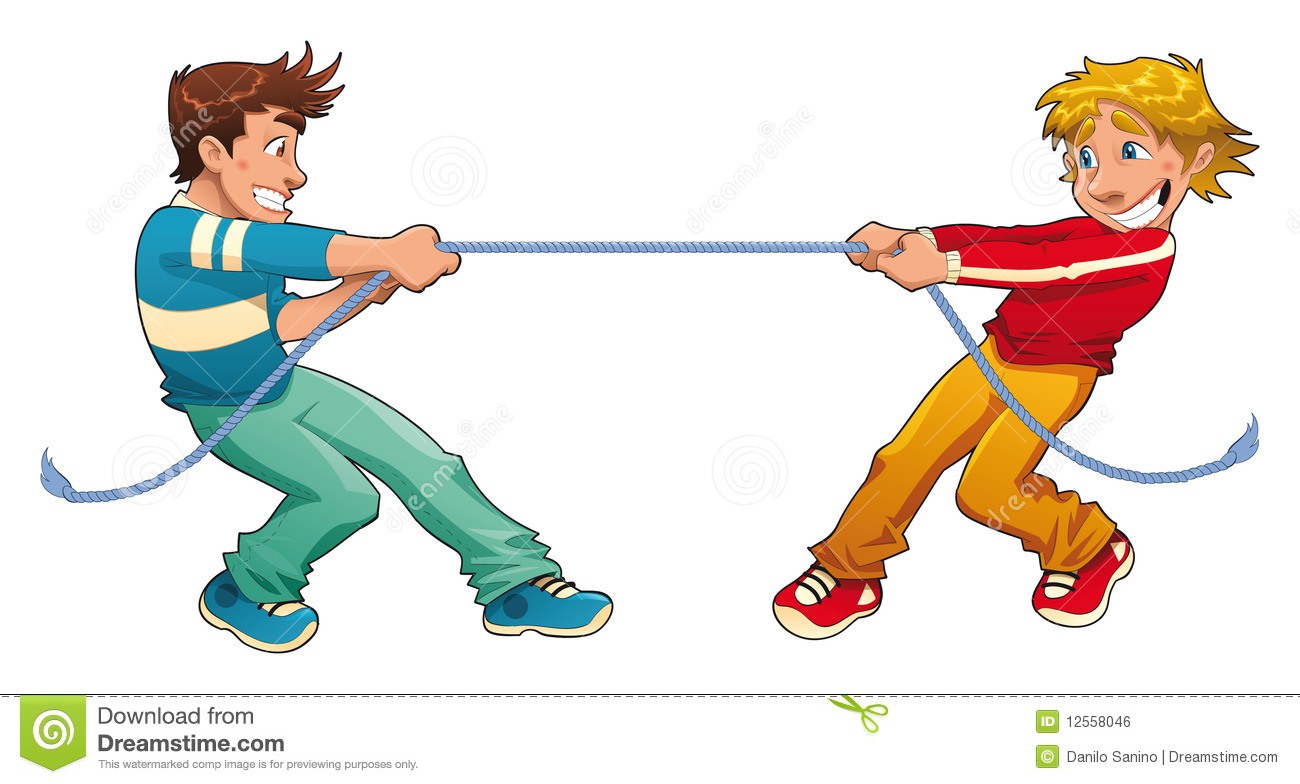
Some early roller coasters caused whiplash and neck injuries due to ...
drops that were too steep
high g forces
carts that didn't stay on track
very low g forces
Positive G forces typically occur on
when a train goes around an un-banked corner, or a corner not banked far enough.
when a train crests a hill at speed, or suddenly dips sharply downwards.
banked turns or when the train pulls up a hill after going down a drop.
The regular force of gravity when still.
Negative G forces typically occur on
when a train goes around an un-banked corner, or a corner not banked far enough.
when a train crests a hill at speed, or suddenly dips sharply downwards.
banked turns or when the train pulls up a hill after going down a drop.
The regular force of gravity when still.
1 G forces typically occur on
when a train goes around an un-banked corner, or a corner not banked far enough.
when a train crests a hill at speed, or suddenly dips sharply downwards.
banked turns or when the train pulls up a hill after going down a drop.
The regular force of gravity when still.
Lateral G forces typically occur on
when a train goes around an un-banked corner, or a corner not banked far enough.
when a train crests a hill at speed, or suddenly dips sharply downwards.
banked turns or when the train pulls up a hill after going down a drop.
The regular force of gravity when still.


What is defined as a push or pull between two objects that are touching?
Contact force
Force that acts over a distance
Non contact force
Normal force

Students create balloon rockets by taping drinking straws to balloons and running a thick string through the straw. The ends of the string are held tightly apart. When the balloon is inflated and released, it moves along the string. What type of force moves the balloon forward?
Gravitational force.
Push force from air leaving the balloon.
Pull force from the string.
Magnetic force from the string to the straw.

What is shown here?
Push contact force
Pull contact force
Magnetic force
Electrical force
Which diagram best shows person pushing a couch (accelerating) across the floor?


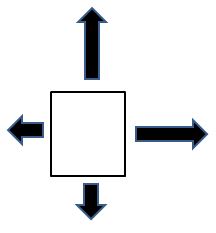
The down-arrow in this diagram is most-likely:
gravity
normal
a push or pull
friction


As distance between two objects increase, the pull of gravity
Increases
Decreases
Stays the same
Motion is the result of ____ force
balanced
no
unbalanced

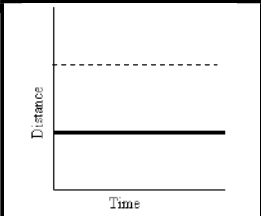
What does the solid line on this graph represent?
Constant speed
Acceleration
At rest
deceleration
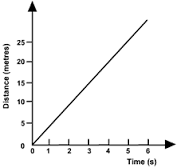
What is the line on this graph showing?
moving away from starting point at a constant speed
moving back towards the starting point at a constant speed
acceleration (getting faster)
deceleration (getting slower)
An object at rest will remain at rest unless acted upon by an unbalanced force. Likewise an object in motion will remain in motion unless acted upon by an unbalanced force.
Newton's 2nd law
Newton's 3rd law
Fig Newton's law
Newton's 1st law


Force
the overall force on an object
any push or pull on an object
a force that pulls all objects that have mass toward one another
the units used for force
Balanced forces
forces on all sides are equal; net force= 0; an object’s motion will not change
any push or pull on an object
forces are not equal; net force does not equal zero; an object’s motion will change
a force that resists motion when two surfaces are touching each other
Unbalanced forces
the overall force on an object
forces on all sides are equal; net force= 0; an object’s motion will not change
forces are not equal; net force does not equal zero; an object’s motion will change
a force that pulls all objects that have mass toward one another
Net force
a force that resists motion when two surfaces are touching each other
the units used for force
any push or pull on an object
the overall force on an object
Newtons (N)
any push or pull on an object
the units used for force
the overall force on an object
a force that pulls all objects that have mass toward one another
Friction
the overall force on an object
forces are not equal; net force does not equal zero; an object’s motion will change
a force that resists motion when two surfaces are touching each other
a force that pulls all objects that have mass toward one another
Gravity
a force that pulls all objects that have mass toward one another
a force that resists motion when two surfaces are touching each other
any push or pull on an object
the overall force on an object
Law of Inertia
the force of an object is equal to its mass multiplied by its acceleration (It takes more force to accelerate an object with more mass)
for every action there is an equal and opposite reaction
an object at rest will remain at rest and an object in motion will remain in motion until acted upon by an unbalanced force
the total distance an object travels divided by the total time traveled
Law of Acceleration
any object at rest will remain at rest and an object in motion will remain in motion until acted upon by an unbalanced force
for every action there is an equal and opposite reaction
the distance an object travels per unit of time
the force of an object is equal to its mass multiplied by its acceleration (It takes more force to accelerate an object with more mass)
Law of Action-Reaction
for every action there is an equal and opposite reaction
the force of an object is equal to its mass multiplied by its acceleration (It takes more force to accelerate an object with more mass)
any object at rest will remain at rest and an object in motion will remain in motion until acted upon by an unbalanced force
any change in velocity which includes speeding up, slowing down, or changing direction
Inertia
speed that remains the same or does not change
the distance an object travels per unit of time
an object’s tendency to resist a change in motion
the total distance an object travels divided by the total time traveled
Speed
an object’s tendency to resist a change in motion
any change in velocity which includes speeding up, slowing down, or changing direction
speed in a given direction
the distance an object travels per unit of time
Average Speed
the total distance an object travels divided by the total time traveled
an object’s tendency to resist a change in motion
speed that remains the same or does not change
any change in the location or position of an object
Constant Speed
the distance an object travels per unit of time
speed that remains the same or does not change
speed in a given direction
any change in the location or position of an object
Velocity
speed in a given direction
the total distance an object travels divided by the total time traveled
any change in velocity which includes speeding up, slowing down, or changing direction
any change in the location or position of an object
Acceleration
speed in a given direction
the total distance an object travels divided by the total time traveled
any change in the location or position of an object
any change in velocity which includes speeding up, slowing down, or changing direction
Motion
speed that remains the same or does not change
any change in the location or position of an object
speed in a given direction
any change in velocity which includes speeding up, slowing down, or changing direction

