wayground logo

Free Printable Worksheets

Font size

S
M
L
XL
Worksheets

Landforms, Erosion, Natural Resources, and Conservation

Total questions: 44

Worksheet time: 28mins

Name
Class
Date
1.

Which group of natural resources do we need to survive?

a)

air, water, and rocks

b)

sunlight, plants, and rocks

c)

coal, water, and plants

d)

sunlight, air, and water

2.

_______________ resources are resources that can be replaced easily.

a)

Nonrenewable

b)

Reserved

c)

Alternate

d)

Renewable

3.

Resources that take along time to be replaced are _______________ resources.

a)

renewable

b)

transformation

c)

nonrenewable

d)

usable

4.

__________________ are natural events such as volcanoes, landslides, and earthquakes that quickly change the Earth’s surface.

a)

Landforms

b)

Rapid changes

c)

Natural resources

d)

Conservation

5.

A natural shape or feature on Earth’s surface is a _____________________.

a)

landform

b)

rapid change

c)

natural resource

d)

conservation

6.

A mountain made of lava, ash, or other materials from eruptions is a _______________________.

a)

tornado

b)

volcano

c)

earthquake

d)

landslide

7.

A ______________________ is the rapid downward sliding of a mass of earth and rock.

a)

landslide

b)

volcano

c)

tornado

d)

earthquake

8.

A _________________________ is anything from nature that people can use.

a)

landform

b)

natural resource

c)

conservation

d)

landslide

9.

An ________________________ is the shaking of the Earth’s surface that can cause land to rise and fall.

a)

island

b)

application

c)

erupt

d)

earthquake

10.

_________________________ means using less of a resource to make its supply last longer.

a)

Landform

b)

Volcano

c)

Conservation

d)

Natural resource

11.

A good way to save wood is to __________________________.

a)

throw away old wooden furniture and toys

b)

bury it in the yard so the worms can decompose it

c)

burn old logs

d)

use parts of a dead tree to build something instead of buying it new

12.

A good way to save water is to _________________________.

a)

pre-rinse all your dishes before you wash them

b)

let the water run while you brush your teeth

c)

take shorter showers

d)

always use cold water

13.

Select all the things a landslide does.

a)

causes large amounts of soil to move at once

b)

causes lava to flow

c)

happens rapidly

d)

can change the direction of creeks and streams

14.

Select all the things a volcano does.

a)

dramatically changes mountains and the surrounding landscape within minutes

b)

causes lava to flow

c)

increases the temperature of the air and land nearby

d)

causes water in streams and rivers to freeze

15.

Select all the things an earthquake does.

a)

produces cracks or deep splits in the ground

b)

reminds animals that it is time to hibernate for the winter

c)

causes massive snow storms in South America

d)

produces light to help people see

16.

Select all the reasons plants are important natural resources.

a)

They are used for food.

b)

They are used to make medicine.

c)

They are used to make clothing.

d)

They are used to create more work for people.

17.
What are tiny bits of weathered rock such as pebbles, gravel and sand called
a)
Decomposition
b)
Soil
c)
Sediments
d)
Manmade Product
18.
What is happening? 
a)
Reduce
b)
Reuse
c)
Recycle
d)
Decomposition
19.
What is this?
a)
Mountain
b)
Canyon
c)
Plateau
d)
Valley
20.
What is similar to a mountain but has a flat top?
a)
Plateau
b)
Canyon
c)
Plain
d)
Island
21.
What happened?
a)
Tornado
b)
Landslide
c)
Valcano
d)
Hurricane
22.
All of the following can cause changes to the land with water EXCEPT...
a)
Hurricanes
b)
Landslides
c)
Volcanos
d)
Floods
23.
What is a huge wave usually caused by earth quakes or volcanic eruptions underwater and can result in things being washed away. 
a)
Earthquake
b)
Hurricane
c)
Tornado
d)
Tsunami
24.
What are these?
a)
Weathered Rocks
b)
Natural Resources
c)
Manmade Resouces
d)
Soil
25.
What natural resource would be good for making yarn or thread?
a)
Cotton
b)
Wheat
c)
Iron
d)
Trees
26.
What natural resource can be heated, shaped and made into a hard inflexible object like a fork?
a)
Trees
b)
Iron
c)
Wool
d)
Wheat
27.
How could you reduce the need for gasoline?
a)
Ride a bike
b)
Take a plane
c)
Ride a train
d)
Take a boat
28.
What is happening in this picture?
a)
Reduce
b)
Reuse
c)
Recycle
d)
Conservation
29.
To convert waste into reusable material is called...
a)
Reduce
b)
Reuse
c)
Recycle
30.
A strong storm that starts out over warm water and can move on land causing destruction is called a 
a)
Flood
b)
Tornado
c)
Hurricane
d)
Earthquake
31.
A mixture of tiny pieces of rock, decomposing pieces of once living things, water and air make up...
a)
Sediment
b)
Landforms
c)
Soil
32.
What is this?
a)
Mountain
b)
Valley
c)
Plateau
d)
Canyon
33.
What caused this rock to break apart?
a)
ice
b)

roots

c)
wind
d)
rain
34.
The process by which small pieces of rocks and soil are carried away to new locations is called...
a)
deposition
b)
erosion
c)
weathering
d)
faults
35.
Wind blowing sand from one location to another
a)
Weathering
b)
Erosion
c)
Deposition
36.
How does freezing water cause the weathering of rocks?  The freezing water—
a)
keeps the rocks in place
b)
makes the rocks last longer
c)
expands cracks and breaks rocks
d)
causes rocks to fall in landslides
37.
What was sand before it was broken down?
a)
soil
b)
rock
c)
water
d)
cement
38.
What is the placement of the rocks after they are broken down and moved?
a)
Weathering
b)
Erosion
c)
Deposition
39.
Water getting into cracks, freezing, and breaking the rocks or pavement apart
a)
Weathering
b)
Erosion
c)
Deposition
40.
What made this landform known as a valley?
a)
Glacier
b)
hill
c)
deposition
d)
rocks
41.
What caused this canyon to form over many years?
a)
Water
b)
Deposition
c)
valley
d)
Plants
42.
Sediment is...
a)
the breaking apart, wearing away, or dissolving of rock. 
b)
the scraping away of materials
c)
material that comes from the weathering of rock
d)
the moving of sediment and rock from one place to another. 
43.

A mudslide FLOWING down a steep hill

a)

weathering

b)

erosion

c)

deposition

44.

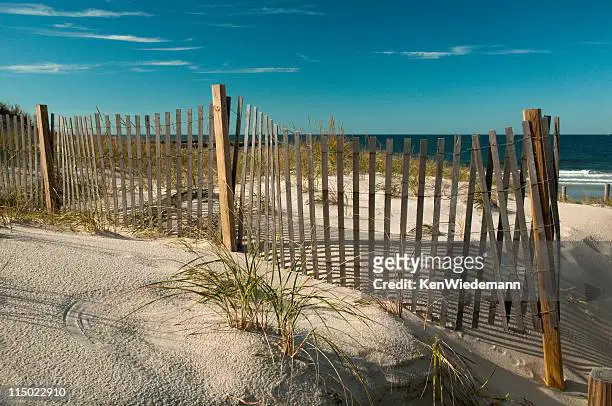
Ms. Nelson is at the beach with her family. While on the beach, she notices fences near the sand dunes. Why are there fences on the beach?

a)

A. to give the birds a place to rest

b)

B. to help keep the sand in place

c)

C. to help make sand dunes smaller

d)

D. for people to use when taking pictures