
NEW
Font size
 Worksheets
Science review
Total questions: 48
Worksheet time: 35mins


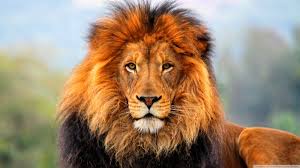


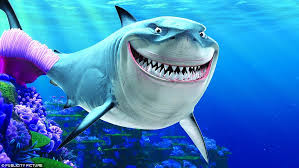


Which consumer group only has sharp teeth?
Herbivores
Carnivores
Omnivores

Raccoons are ________________.
herbivores
carnivores
omnivores

Rattlesnakes are _______________________.
herbivores
carnivores
omnivores

Which of the following animals would be considered a predator?
A Wolf
A Deer
A Turtle

In this image which animal is the predator?
The Snake
The Bird

If a lion eats a zebra the lion would be considered which of the following?
Prey
Predator
What can make an object start moving, stop moving or change direction?
Gravity
Work
Force
Inertia
4 balls are thrown with the same amount of force. Which ball will go further?
100kg
250kg
500kg
750kg
A football player kicks a ball into the air. It falls to the ground, rolls then stops. What two forces cause the ball to stop?
Gravity and Friction
Force and Friction
Force and Motion
Force and Gravity
Which characteristic would a daughter most likely inherit from her mother?
cooking skills
weight
hair style
eye color
Which best explains why many animals look like their parents?
Physical characteristics are inherited from their parents.
Physical characteristics are adapted from their parents.
Physical characteristics are learned from their parents.
Physical characteristics are bought from their parents.
James has brown hair and blue eyes. Which best explains why James has brown hair?
Brown hair looks best on James.
Brown hair is an inherited characteristic in his family.
Brown hair is a popular hair color among his peers.
Brown is his mother's favorite color.

Which behavior did the octopus most likely learn from its aquarium environment?
waiting to be fed at the aquarium door
catching food using its arms
being more active at night
hiding behind rocks

The ___________ is the basic unit of life.
organ
cell
atom
tissue

A group of tissues that perform a similar function is called a(n) ____________ . Examples include the heart, lungs, or stomach.
cell
tissue
organ
organ system
Which includes an order of organization of multicellular organisms from smallest to largest?
tissues, cells, organs, organ systems, organism
cell, tissue, organs, organ systems, organism
organism, cells, tissues, organ systems, organism
tissues, cells, organs, organ sytems, organism
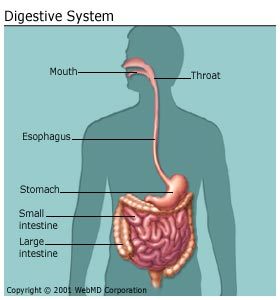
These organs working together are an example of a(n) ________________ .
organ system
cell
atom
tissue
Which most likely produces clear, cool weather?
zero air pressure
stable air pressure
a low pressure system
a high pressure system
Which conditions will result in high winds?
Large differences in air pressure
heavy rains over several days
increase in evaporation rates
presence of cirrus clouds
Which best describes the type of weather associated with low air pressure?
clear and dry
sunny and cold
sunny with high winds
cloudy with precipitation
In the morning, Carlos noticed that the air pressure reading on the barometer was beginning to drop. What kind of weather can he most likely epect in the evening?
The weather will be cloudy with a chance of rain.
The weather will be warmer with clear skies.
The weather will be clear and windy.
The weather will be sunny and cool.
Which body system protects the organs of the body?
digestive
respiratory
skeletal
muscular
What is the function of the digestive system?
It transports blood and oxygen to your cells
It breaks down food so the nutrients can be absorbed by your body
It helps you breathe by taking in oxygen and transporting carbon dioxide out of your body
It helps you move
Which statement best describes the relationship between the nervous system and the muscular system?
The nervous system controls the muscular system.
The muscular system controls the nervous system.
The nervous system provides nutrients for the muscular system.
The muscular system provides nutrients for the nervous system.
In what way are the digestive and circulatory systems alike?
Both protect organs in the body.
Both control movement of the body.
Both absorb gases or nutrients into the body.
Both provide structural support for the body.
Which two body systems work together to support the body and allow the body to move?
circulatory and respiratory
digestive and nervous
skeletal and muscular
circulatory and digestive

