
 Worksheets
SCIENCE-Q2--ABOUT-ANIMALS
Total questions: 50
Worksheet time: 30mins
Group of animals with NO BACKBONE is called?
(a)
These are group of warm-blooded animals with two feet and their bodies are covered in feathers.
(a)
Birds' young is....
born as itself.
lain as an egg.
laid as a jelly-mass like in water.
Name 2 types of birds.
Animals with have smooth skin and live in both land and water are called?
(a)
Give 2 examples of amphibians.
Do amphibians have scales?
YES
NO
I don't know
Which group of animals are covered in scales?
This group of animal are covered with scales and uses gills to breathe in water.
(a)
These are group of animals that are covered in exoskeleton.
(a)
How many legs do insects usually have?
0
2
4
6
These group of animals have at least hair on their body and give birth to their young.
(a)
Give 2 importance of animals.
How will you show your care to animals? Name at least 1.
What is the major difference between vertebrates and invertebrates?
Vertebrates have a backbone and invertebrates do not.
Invertebrates live in water and vertebrates do not.
Invertebrates have a backbone and vertebrates do not.
Invertebrates are smaller than vertebrates.
Mammals, fish, birds, reptiles and amphibians are all ___.
invertebrate
vertebrate
List the stages of a frog's life cycle in order.
Mother, Froglet, Tadpole, Frog, Egg
Frog, Froglet, Tadpole, Adult
Egg, Tadpole, Mature Tadpole, Froglet, Frog
Tadpole, Egg, Frog, Froglet
This part of the body gives us our sense of hearing and balance.
nose
tongue
ear
skin
This nerve carries the sound waves from the ears to the brain.
taste nerve
auditory nerve
sense nerve
visionary nerve
What does a duck use for swimming?
webbed feet
proboscis
antlers
What does a butterfly use for sucking nectar?
antennae
proboscis
antlers
What does a deer use for protection?
legs
eyes
antlers
What does an elephant use for getting food ?
legs
tusk and trunk
tail
What does a carabao use for eating?
mouth
legs
nose
What does a snake use for protection?
skin
fang
tail

Identify type of feet in the given picture.
Spread out toes
Webbed Feet
talons
sharp broad feet
State True or False:
Roosters and hens scratch the ground to find insects and seeds to eat.
True
False
What are the functions of Beaks?
Helps birds to eat
Helps birds to build their nests
Acts as mouth for birds
All the above
Which type of feathers birds use for flying?
Down feathers
Flight feathers
Body feathers
None of the above
Birds use their strong muscles to __________________________.
flap their wings
fly
swim
lay eggs
What famous cartoon features invertebrates as their main characters?
SpongeBob Square Pants
Scooby Doo
Flintstones
Which one is the skeletal system?


Which one is the muscular system?
Which one is the digestive system?

We have only one lung.
True
False

________ protects our heart and lungs.
Rib cage
Skull
Joints
Backbone

_____ system and _____ system working together to help us move.
Digestive, skeletal
Respiratory, muscular
Circulatory, digestive
Skeletal, muscular

_____ system is made up of the heart, blood vessels, and blood.
Digestive
Respiratory
Circulatory
Muscular

Working out makes our ______ stronger.
intestine
muscle
mouth
muscular
In which organ systems that we can find the lungs?
circulatory system
skeletal system
respiratory system
muscular system

When we have cold, which organ systems that affected?
circulatory system
muscular system
skeletal system
respiratory system
Our bones are connected by _________.
Skull
Ribs
Joints
Backbone


Where does the arctic fox live in?
Desert
Jungle
Ocean
Polar region
What can you find in the jungle?
Trees, deer, frogs
Polar bear, penguins, snow
Goat, cows, llama, rocks
Lion, scorpion, sand
Cactus trees, sand and rattlesnake belong to?
The jungle
The polar region
The mountains
The desert
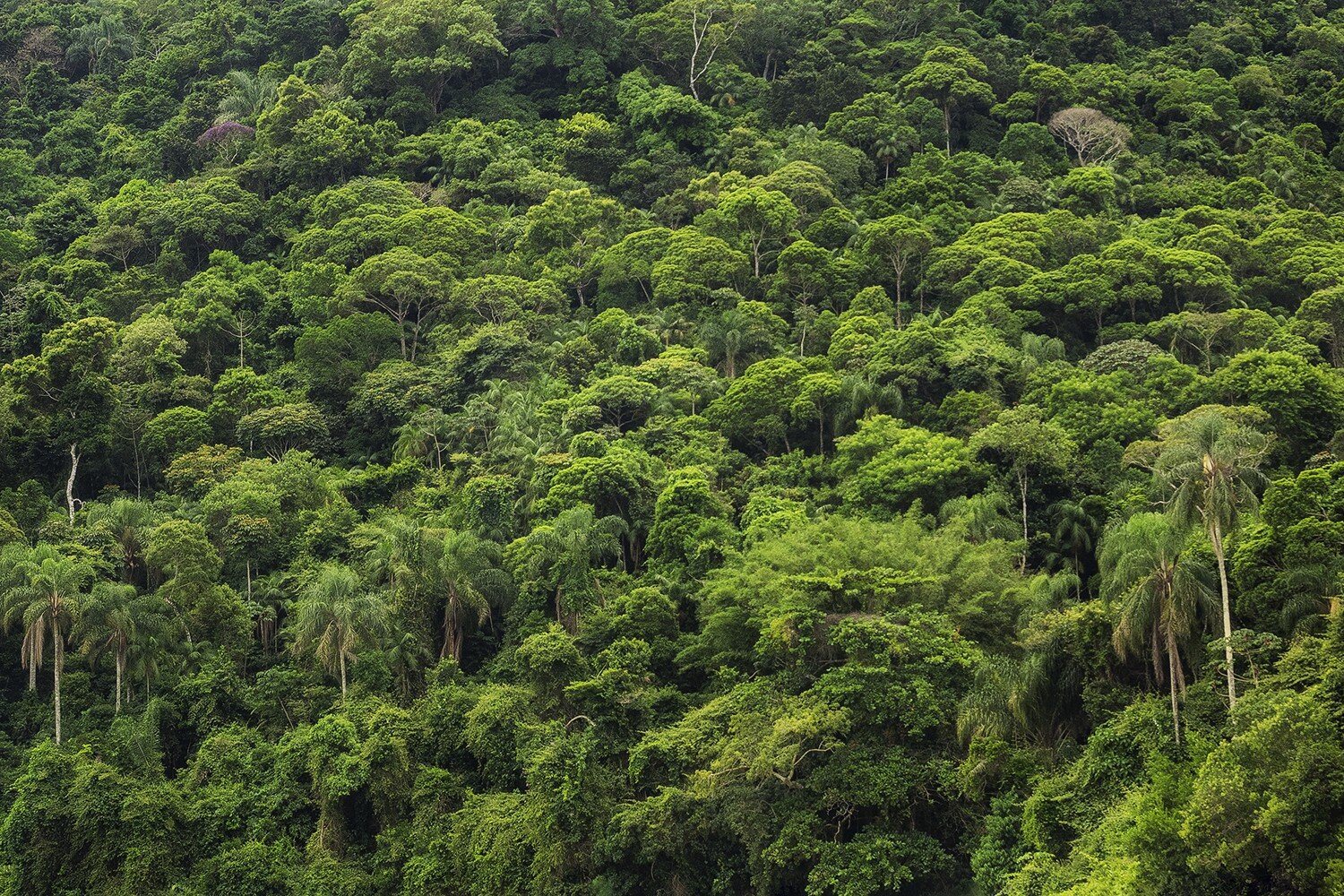
What's the name of this habitat?
Forest
Desert
Ocean
Tundra

What habitat this animal lives?
Desert/Forest
Forest
Ocean/Sea
Polar/Tundra

What habitat this animal lives?
Desert
Forest
Ocean/Sea
Polar/Tundra
The process by which plants breathe is__________.



