
 Worksheets
Forces and Matter
Total questions: 49
Worksheet time: 49mins
...................... is everything around us that has mass and volume.
Mass
Matter
Volume
................ is the space that an object occupies.
Matter
Mass
Volume
.............. is the amount of matter there is in an object.
Matter
Mass
Volume
We measure mass in litres.
True
False
We measure volume in grams or kilograms.
True
False
.................. is a specific property of matter. It is the relationship between the mass of an object and its volume.
Density
Resistant
................. is a property of matter when something is difficult to break.
Density
Resistant
Wood is rigid because it cannot bend.
True
False
The water has more density than the oil.
True
False
Opening a door with your hand it´s a:
Contact force
Non conctact force
Both of them are correct.
Any of them are correct.
Which sentence is correct? (JUST ONE)
Forces can change the speed of an object
Forces can cause an object start moving
Forces can cause a moving object to change direction
All of them are correct
Light pass through a transparent material:
True
False
A fragile material is difficult to break
True
False
Liquid can pass through a permeable material
True
False

Mass is the amount of ____________ something contains
Kilograms
Volume
Matter
Liquid

Density is the relationship between the _____________ and _____________ of an object or substance
(a)
Which of these materials is elastic and opaque?
Wood
Diamond
Plastic
Rubber
Which of these materials is transparent and fragile?
Glass
Marble
Metal
Paper

Conductors such as metal transfer (a) easily

Which property is most important for a raincoat?
Rigid
Waterproof
Transparent
Hard

True or false? You can see a force.
True
False

Select the non-contact forces
Friction
Magnetism
Gravity
Buoyancy

Two south poles of magnets will __________ each other
repel
attract

Which of these uses friction?
A parachute
A ball falling through the sky
Brakes on a bike
A compass
In which direction does gravity act?
Downwards
Upwards
In all directions
Towards the centre of the earth
What instruments can we use to measure mass?
measuring cups or cylinders.
a scale or measuring cups.
a scale or balance.
a balance or measuring cups.
What instruments can we use to measure mass?
measuring cups or cylinders.
a scale or measuring cups.
a scale or balance.
a balance or measuring cups.
What is the unit of measurement for mass?
millilitres or grams
kilograms or grams.
grams or litres.
millilitres or litres.
This is a thermal conductor.
plastic
metal
wood
wool
This is a thermal insulator.
wood
metal
gold
steel
This if a material dissolves or does not dissolve in a liquid.
fragile or tough
soluble or insoluble
hard or soft
conductor or insulator
elastic
This if a material returns to their shape when stretched.
fragile or tough
soluble or insoluble
hard or soft
conductor or insulator
elastic
This if a material transfers or does not transfer heat.
fragile or tough
soluble or insoluble
hard or soft
conductor or insulator
elastic
Diamond
hard
soft
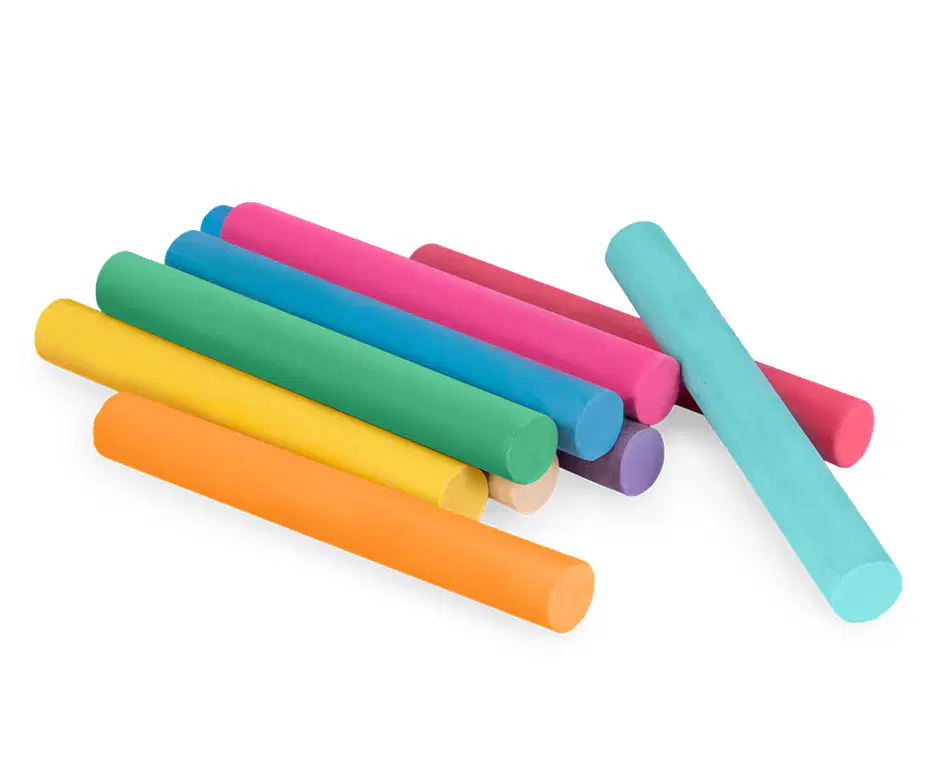
Chalk
hard
soft
Chalk
fragile
tough
glass
fragile
tough
metal
fragile
tough
salt
soluble
insoluble
sugar
soluble
insoluble
pepper
soluble
insoluble
plastic
soluble
insoluble
The substance does not change.
physical change
chemical change
The substance changes into a new substance.
physical change
chemical change
We take milk and make yogurt.
physical change
chemical change
We burn wood and it becomes ash.
physical change
chemical change
We melt ice and it becomes water.
physical change
chemical change
I break a paper into little pieces.
physical change
chemical change
Who was the discovered of gravity?
(a)

