
 Worksheets
Review Science Unit 3 and 4
Total questions: 50
Worksheet time: 1hrs 15mins
The process by which liquids changes into solids on cooling is called (a)
All matter is made up of tiny (a) .
Which process is an example of a chemical reaction?
An iron nail rusting
Bath water cooling while you take a bath
A piece of metal being heated until it expands
A glass window breaking when hit with a baseball
What is the definition of matter?
Anything that has mass and takes up space
A substance that is liquid, solid, or gas
Anything that is pure
Anything that you can see or hold
When ice cream is left out of a freezer, the ice cream changes from a __________ to a __________.
liquid to a solid
gas to a liquid
liquid to a gas
solid to a liquid
The change of state from solid to liquid is called
melting
cooling
gas
smog

What change of state is represented in the picture?
Melting
Boiling
Condensation
Solidifying
Candle wax melting by a match is an example of _____________.
freezing
biological changes
physical process
chemical reaction
Which of the following is NOT an example of a physical change?
crumpling paper
sharpening a pencil
clothes shrinking
sour milk
Which of the following is NOT an example of chemical change?
sour milk
burning wood
breaking a pencil
rust
A ... Doesn't change the particles that make up matter.
Physical change
Chemical change
A ... Produce a completely different kinds of matter.
Physical change
Chemical change

Make an origami is an example of ...
Physical change
Chemical change

Burning a block of wood is an example of ....
Physical change
Chemical change

When ice cube is melting there is a ....
Physical change
Chemical change
Make some popcorn is an example of ....
Physical change
Chemical change

Rusty nails is an example of ....
Physical change
Chemical change

Torn up paper is an example of ....
Physical change
Chemical change

What kind of habitats is shown in the picture . . . .
squirrel and crab
fern and birds
fish and coral
snail and spider

A swamp is home to many animals. Which of the following animals is best suited for a swamp habitat . . . .


what happens if our environment is like the image above . . . .
humans, plants, and animals will die
plants have more room to grow
the animal grows thrives
human migrate in search of gold
The habitat provides the living thing with what it needs to . . . .
a place to store kitchen equipment
get together and fight
survive and such as food
just a place for meetings
Pay attention to the statement below!
1. Sea eagle, crab, sea anemone, shellfish, and coconut tree
2. butterfly, birds’net fern, pigeon, and squirrel
3. tree crab, crocodile, mudskipper, egret, and mud lobster
4. fish, coral, whales, dolphins and sharks
Living beings whose place of residence in the seashore is shown a statement of numbers . . . .
four
one
two
three
Pay attention to the statement below!
1. Sea eagle, crab, sea anemone, shellfish, and coconut tree
2. butterfly, birds’net fern, pigeon, and squirrel
3. tree crab, crocodile, mudskipper, egret, and mud lobster
4. fish, coral, whales, dolphins and sharks
Living things according to statement number three occupy habitats . . . .
seahore
garden
mangrove swamp
tree

Name the habitat . . . .
polar region
forest
jungle
desert

What animal live in the garden . . . .


where is the habitat of the living creatures above . . . .
Ocean
Jungle
Polar region
Desert

The animal habitats above is . . . .
Ocean
Desert
garden
artic
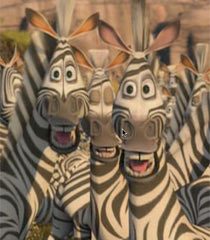
Which 3 animals live in the grass lands?
Snakes
Bison
Zebras
Bear
Otter
Which 2 pictures are grasslands?
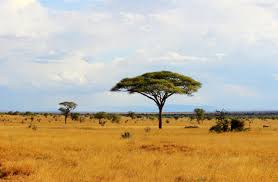
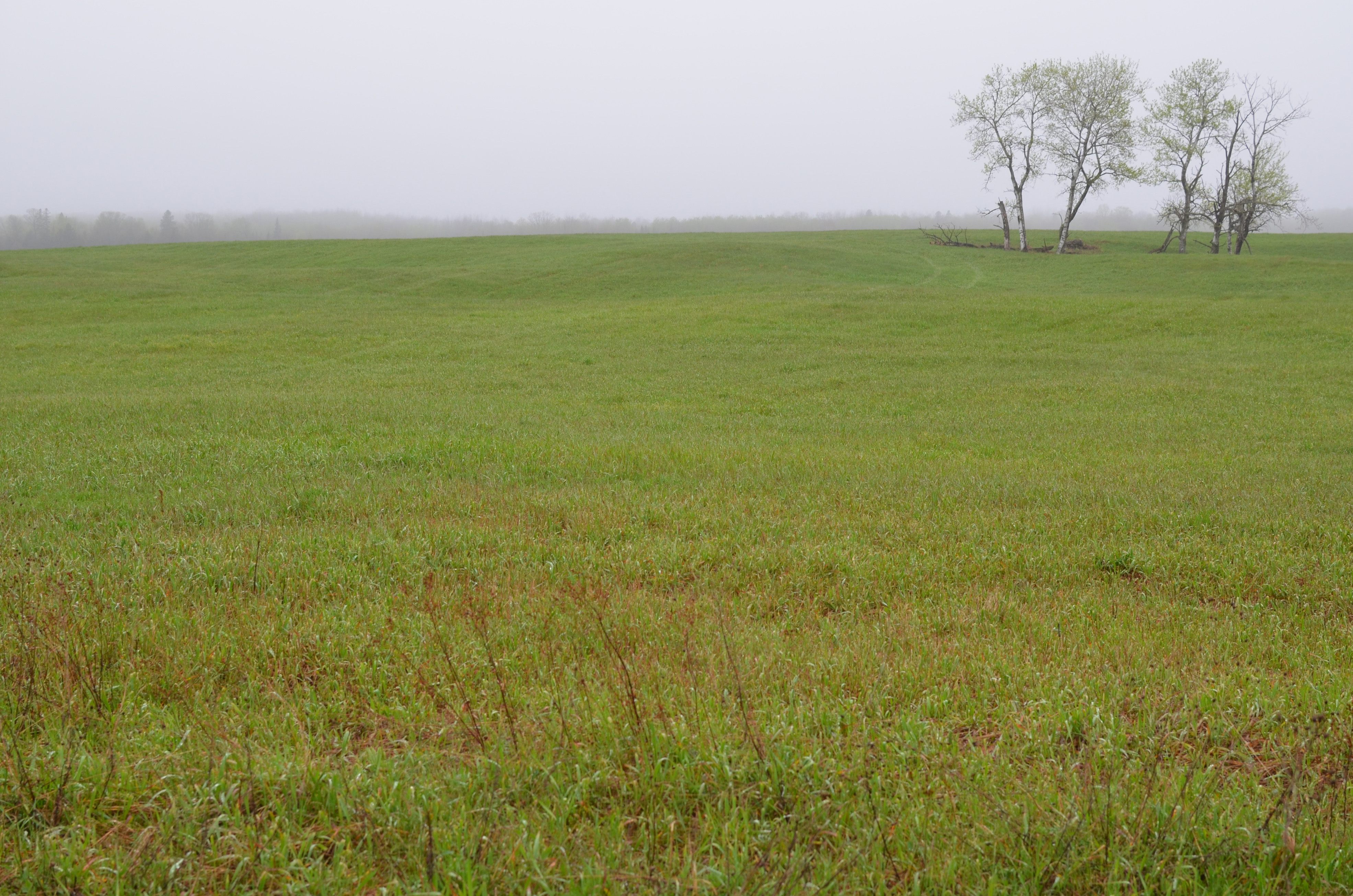
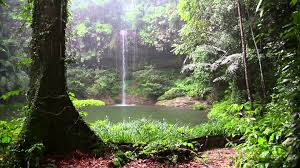
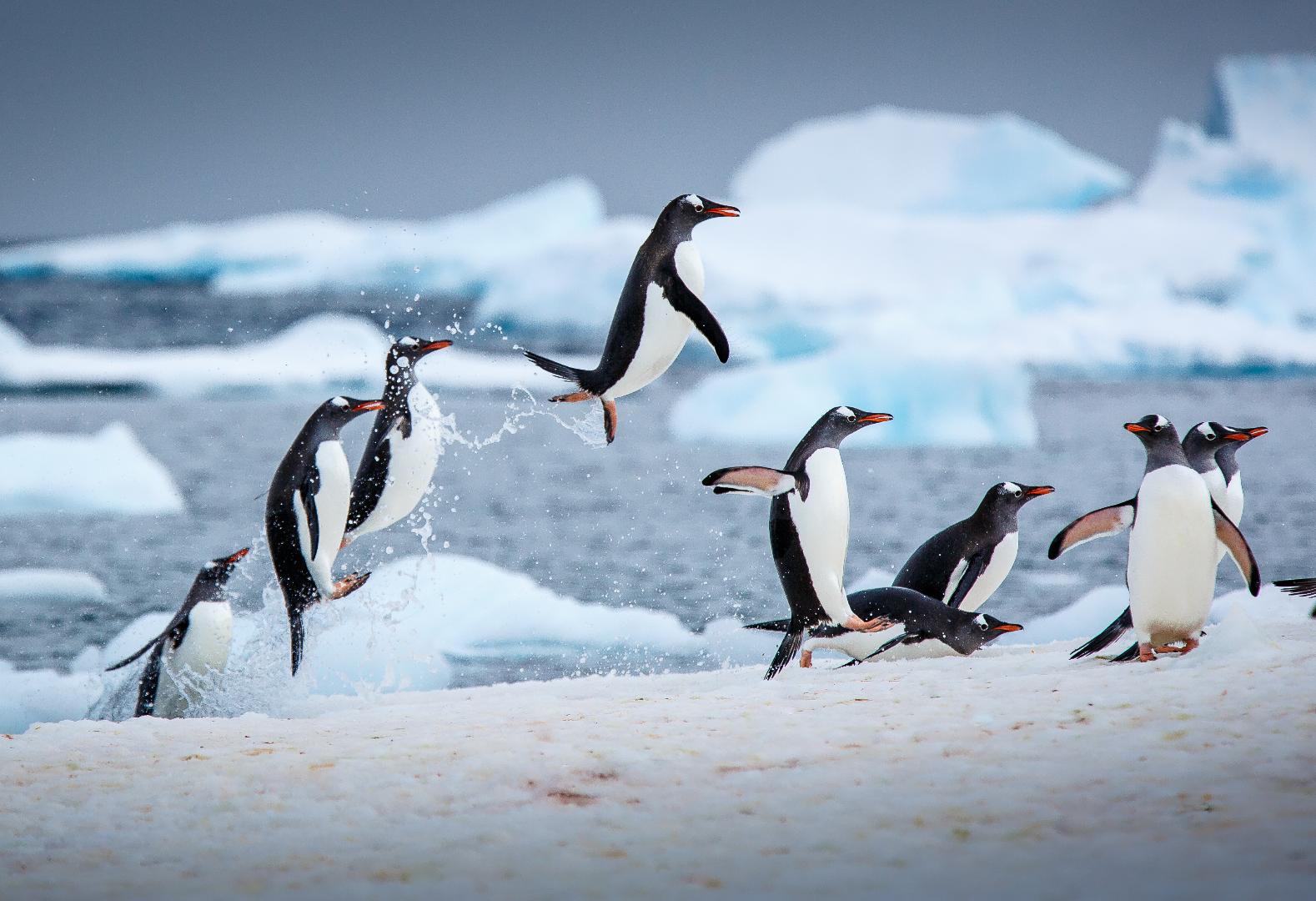
There are many herbivores that live in the grasslands.
True
False
Which animal does NOT live in the ocean?
Octopus
Narwhal
Crab
Monkey
How do animals breathe underwater?
With their gills
With their fins
No animals can breathe underwater

Some animals breathe underwater.
True
False
Some animals can change their ... over time to blend into a different environment.
(a)
Some animals move to a different ... when their habitat changes.
(a)
Plants and animals can change their behaviour to help them to ... in a different environment.
(a)
Harp seals and snowy owls are suited to live in habitats with low (a)
Arctic hares can change the colour of their fur with different seasons.
How does this help them survive in their environment?
Samad is learning how plants and animals are suited to their habitats.
His notes are shown below.
Choose two correct statements.
all plants are suited to survive in all habitats
fish are suited to live in an aquatic habitat
plants and animals can change their structure over time to suit their new environment
plants and animals cannot survive in habitats other than their own habitat
Giraffes have a long neck to help them reach the leaves of trees.
True or False?
True
False
What do animals need to survive in their habitat?
Choose more than one correct answer.
clothes
food
shelter
water
The incorrect ways of animals that surviving in their habitat is ....
some animals move to a different environment
some animals change colour over time to blend
some animals change their behaviour to survive
some animals change their names to survive
A ... is a place where plants and animals live.
(a)
Squirrels in the desert are active the whole year. But squirrels in cold habitats go into a long deep sleep during winter. Some animals can change their … to survive in different environment.
(a)

Some animals change colours over time to help them ….
blend into their new environment
move to a different habitat
found more food and water
doing a long deep sleep during winter
When a solid gains heat, it change into (a) state.

