
 Worksheets
NWEA Reading Practice
Total questions: 138
Worksheet time: 3hrs 8mins
What is the main idea of a passage?
The main idea of a passage is the central point or message that the author is trying to convey to the reader.
The main idea of a passage is the author's personal opinion on a topic.
The main idea of a passage is the least important point that the author is trying to convey to the reader.
The main idea of a passage is irrelevant to understanding the text.
Which of the following is an example of using context clues to understand a word?
Looking up the word in a dictionary.
Guessing the meaning of the word based on its sound.
When a difficult word is defined or explained within the sentence or paragraph.
Asking a friend for the definition of the word.
What does the term 'context clues' refer to?
Hints or information provided in a text to help readers understand the meaning of unfamiliar words or phrases.
The author's opinion on a topic
The order in which events occur in a story
The way words are spelled in a text
Why is it important to identify the main idea of a passage?
To confuse the reader
To ignore the author's intent
To waste time and effort
To understand the purpose and message of the text.
Which of the following is NOT a type of context clue?
Antonym clue
All of the above are types of context clues
Definition or example clue
Synonym clue
What can context clues help you determine?
Meaning of unfamiliar words or phrases
The weather forecast
The recipe for a dish
The capital city of a country
What is the purpose of using context clues?
To ignore unfamiliar words
To skip reading comprehension
To confuse the reader
To understand the meaning of unknown words or phrases.

What is an Analogy?
A puzzle where you have to figure out how two different things are similar. (For example
socks are to feet as gloves are to?)
Comparison using like or as
Information in the form of a table,
diagram, etc.
A sound

What is a Caption?
Who wrote the story
The title of the story
Words underneath a picture or diagram used to describe what is being shown

What is a Climax?
The ending of the story where the conflict is solved (resolution)
The setting and characters of the story
The turning point of the story. Often the most exciting and important part of a story, play, or
movie that occurs usually near the end.
What is a Caption?
Who wrote the story
The title of the story
Words underneath a picture or diagram used to describe what is being shown

What does it mean to Compare?
To look at two things closely and see how they are alike
To look at two things closely and see how they are different
To describe how
something or someone looks, or
sounds

What does Contrast mean?
To figure out how things taste
To figure out how things are alike.
To figure out how things are different.

What does it mean to Develop?
A piece of writing that tells a
story and is performed on a stage.
To put in really hard words into an essay that no one will understand
To make an idea, argument,
theory, etc. easier to understand by adding details/descriptions.

What is a Description?
The main conflict or problem in the story
A statement that tells you how something or someone looks, sounds, etc. Words that
describe something or someone.
Same sounds at the end of words

What is a Drama?
A story that has been passed down over and over that teaches a lesson
A piece of writing that tells a story and is performed on a stage.
When kids are spreading rumors about each other

What is a Figure of speech?
A definition from the dictionary
A phrase or expression that uses words in an
interesting way
rather than in a plain or literal way.
Words that mean literally what they mean

What is a Footnote?
A note with added information that is placed below the text on a printed page.
The chapters in a book
A place in the back of the story that defines bolded vocabulary words.

What does it mean to Infer (make an inference)?
To tell what the main idea of the story is using the beginning, middle, and end.
To guess without thinking
When you use the clues
(evidence) the author gives you background knowledge to figure out what is happening.

What is a Label?
A word or phrase that describes
something on a picture, diagram,
drawing, etc.
Words at the top of the dictionary to help the reader find what they are looking for.
A place where you can find the definitions of bolded vocab words in a book/story.

What is a Main Idea/Point?
The important thought the author wants you to understand.
How the characters look, how old they are, and their personality.
Where the story takes place.

What is a Myth?
A story that uses gods and goddesses to explain a belief, or natural occurrence.
A story that begins with, "Once Upon a Time..."
A story that rhymes and contains stanzas.

What is a Memoir?
An author writes a story about the entire life of someone else.
An author writes a story about their entire life.
When someone sits down and writes about portions of their life they feel are important to share
with others.
Passage A: Owls are nocturnal, meaning they are awake at night and sleep during the day. Owls cannot move their eyes either, so they have the ability to turn their heads 270 degrees!
-
Passage B: When an owl eats a rodent, only the meat, organs, and tissue are swallowed. The owl stores things that could potentially harm the owl in its gizzard (second stomach). Later, it regurgitates (vomits) the bones and fur back onto the ground. This is called an "owl pellet."
-
What is the difference between Passage A and Passage B?
Passage A is talking about how owls see rather than eat.
Passage A was probably written by a different author.
Passage B is talking about a specific type of owl.
Passage A and Passage B are not different.
Passage A: The Earth's equator is the warmest point on the surface of the planet because the sun's rays consistently reach the middle of the earth. The rays cannot reach the north and south poles as easily.
-
Passage B: Living near the equator is fun because the temperature never gets too cold. I love going to the beach and basking in the sun. Although, I wouldn't mind getting some snow a few days a year.
-
How does Passage A differ from Passage B?
Passage A is talking about the equator.
Passage A is factual, and Passage B is someone's opinion
Passage A is less formal than Passage B.
Passage B is talking about how warm the equator is.
Nick’s parents say he isn’t capable of taking care of a puppy. Which word or phrase means capable?
interested
angry about
afraid of
able to
What kind of sentence tells the main idea of a paragraph?
supporting detail
example sentence
topic sentence
transition sentence

In this passage, what does Dolores want for the workers?
better pay
more time off
better schools
more safety
What is a lesson that can be learned from Dolores Huerta's life?
Going to college is necessary to make a difference in the world.
Being a migrant worker was hard.
Speak up and act when you see injustice around you.
Become a teacher.
Which is a synonym for convince?
practice
volunteer
trust
persuade

Read this sentence from the passage.
Coyote laughed loudly, “Why shouldn’t
I help myself to such a tasty morsel?”
In this sentence, you can tell that a morsel is something
to eat
to chase
to laugh at
to help out

What is the text structure of this paragraph? (a)
Compare and Contrast
Sequence
Chronological
Descriptive

What type of text feature is this? (a)
Illustration with summary
Photograph with summary
Photograph with caption
Caption

Make an inference:
Who could the woman be calling?
The doctor to make an appointment
Her job to tell the boss she is sick
The coffee shop to order more coffee
Her friend to talk about the great vacation she just had

Use context clues to determine which is the best definition for the word Practical? (a)
Realistic
Unrealistic
To practice
Unavoidable
What would the genre be of a book written to tell you facts about the life of a real person?
fantasy fiction
science fiction
realistic fiction
biography

are scary and awful
are an important part of our
ecosystem
eat fertilizer
sleep all night

Cell phones are perfectly acceptable for children.
Children spend too much time on technology.
Technology is good for children.
We need more technology for kids.

A
B
C
D
E

A
B
C
D
What is an Analogy?
A puzzle where you have to figure out how two different things are similar. (For example
socks are to feet as gloves are to?)
Comparison using like or as
Information in the form of a table,
diagram, etc.
A sound

What is the definition of Argue?
A comparison NOT using like or as
To have the same opinion on something
To give reasons for or against something; to say or write things
in order to change someone's opinion about what is true, what
should be done, etc.
What is a Caption?
Who wrote the story
The title of the story
Words underneath a picture or diagram used to describe what is being shown

What is a Chart?
A sentence or group of words that is written on or next to a picture to explain what is being shown.
Information in the form of a table or
diagram
The main idea of the story
What is a Climax?
The ending of the story where the conflict is solved (resolution)
The setting and characters of the story
The turning point of the story. Often the most exciting and important part of a story, play, or
movie that occurs usually near the end.
What does it mean to Compare?
To look at two things closely and see how they are alike
To look at two things closely and see how they are different
To describe how
something or someone looks, or
sounds
What does Contrast mean?
To figure out how things taste
To figure out how things are alike.
To figure out how things are different.
What is a Description?
The main conflict or problem in the story
A statement that tells you how something or someone looks, sounds, etc. Words that
describe something or someone.
Same sounds at the end of words
What does it mean to Develop?
A piece of writing that tells a
story and is performed on a stage.
To put in really hard words into an essay that no one will understand
To make an idea, argument,
theory, etc. easier to understand by adding details/descriptions.
What is a Drama?
A story that has been passed down over and over that teaches a lesson
A piece of writing that tells a story and is performed on a stage.
When kids are spreading rumors about each other

What does Entertain mean?
When an author creates a story to explain how to do something (usually instructions).
When an author creates a story to get you to agree with them.
When an author creates
something for the purpose of people enjoying, laughing, feeling suspense and mystery.

What is a Fact?
Your personal belief on a subject/topic.
True piece of information.
Information that is funny.

What is an Opinion?
A belief, judgment, or how you feel about something.
True information
Information that is proved by science
What is a Figure of speech?
A definition from the dictionary
A phrase or expression that uses words in an
interesting way
rather than in a plain or literal way.
Words that mean literally what they mean
What is a Footnote?
A note with added information that is placed below the text on a printed page.
The chapters in a book
A place in the back of the story that defines bolded vocabulary words.

What are Guide Words?
Directional Words on a compass
Words that can guide you on a map.
Words at the top of the dictionary to help the reader locate the words they are looking for.
What does it mean to Infer (make an inference)?
To tell what the main idea of the story is using the beginning, middle, and end.
To guess without thinking
When you use the clues
(evidence) the author gives you background knowledge to figure out what is happening.

What does Inform mean?
When an author creates
a piece to make you be on their side of an issue.
When an author creates a piece to give you facts about something to help you learn.
When an author creates
a piece to make you laugh.

What is a Job Announcement?
A type of poetry that only contains 5 lines.
A type of writing that describes a
position that a business is hiring
for.
A novel that is about the author's life.
What is a Label?
A word or phrase that describes
something on a picture, diagram,
drawing, etc.
Words at the top of the dictionary to help the reader find what they are looking for.
A place where you can find the definitions of bolded vocab words in a book/story.
What is a Main Idea/Point?
The important thought the author wants you to understand.
How the characters look, how old they are, and their personality.
Where the story takes place.
What is a Memoir?
An author writes a story about the entire life of someone else.
An author writes a story about their entire life.
When someone sits down and writes about portions of their life they feel are important to share
with others.

What is Meter?
The number of stanzas in a poem.
A way of arranging the sounds or beats in poetry: a particular
rhythmic pattern in poetry.
The pattern of rhyming in a poem.
What is a Myth?
A story that uses gods and goddesses to explain a belief, or natural occurrence.
A story that begins with, "Once Upon a Time..."
A story that rhymes and contains stanzas.

What is a Narrator?
The person who changes their mind in a story.
The villain in the story.
A person who is unseen but you
hear the words they say that describe a movie, a play, or a story.

sentence 2
sentence 5
sentence 6
sentence 8
sentence 9

A
B
C
D
E
A
B
C
D
E

A
B
C
D
E

a
b
c
d
e

A
B
C
D
A
B
C
D

A
B
C
D

a
b
c
d

a
b
c
d

a
b
c
d

a
b
c
d

a
b
c
d

a
b
c
d

a
b
c
d

a
b
c
d

a
b
c
d

a
b
c
d

A
B
C
D

a
b
c
d

a
b
c
d

a
b
c
d

a
b
c
d

a
b
c
d

a
b
c
d

pick TWO options hint: get rid of what WON'T be the best sources. Then find what is left over
a and b
c and d
e and f
c and f
d and e

pick one choice that includes the TWO supporting sentences. hint: FIND the students OPINION sentence in the report.
a and f
b and c
d and f
e and a

think about what it's NOT. Focus on PROVING the opinion that is underlined
a and b
d and f
c and e
b and f

a
b
c
d
"There is one mirror in my house. It is behind a sliding panel in the hallway upstairs. Our faction allows me to stand in front of it on the second day of every third month, the day my mother cuts my hair."
from Divergent by Veronica Roth
Dale kept telling his mother the matter was grave. They had to report the person that hit their car today.
What is the dictionary meaning of the word grave in the sentence above?
curious
boring
unusual
serious
Buster was a puny dog. He couldn't even scare the cat that lived next door.
What is the dictionary meaning of the word puny in the sentence above?
small
large
loud
heavy
"I'm afraid," said Luke's guidance counselor carefully, "that you might find advanced calculus a little too __________ ." (Most positive word to not hurt Luke's feelings)
Challenging
Confusing
Difficult
William annoys his friends because he's so __________ when it comes to money. (They’re annoyed so a negative word!)
Frugal
Thrifty
Stingy

As an engineer, I feel proud to build roads, bridges and buildings.
Is this a positive or a negative statement?
negative
positive

As a doctor, I sometimes have to work in the evenings and work for long hours.
Is this a positive or negative statement.
positive
negative
Lisa's mouth is as big as Texas.
Hyperbole
Not a hyperbole
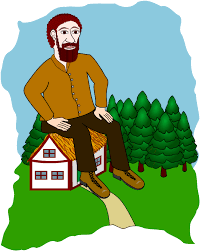
Which of these is a hyperbole?
The boy was taller then me.
He had a bite-sized candy bar.
They lived in a small house.
The boy was taller than Earth.
Neil Armstrong and Buzz Aldrin were the first men to walk on the surface of the moon, but they were not the last. That was Gene Cernan, the last man to step off the lunar surface. In total there have been twelve men who have walked on the moon, all of whom had done so between 1969 and 1972, which is the most recent non-Michael Jackson moon walking. What is the main idea?
People who walked on the moon
Armstrong & Aldrin
First Men on the Moon
Cernan was the
Last Man on the Moon
12 Men Have Walked
On the Moon
It is estimated that over twenty million pounds of candy corn are sold in the US each year. Brach’s, the top manufacturer, sells enough candy corn to circle the earth 4.25 times if each piece were laid end to end. That’s a lot of candy corn, but that’s nothing compared to the production of Tootsie Rolls. Over 64 million Tootsie Rolls are produced every day! But even Tootsie Rolls have got nothing on the candy industry’s staple product: chocolate. Confectioners manufacture over twenty billion pounds of chocolate in the United States each year. Now that’s a mouthful! What is the main idea of the paragraph?
How much popular candies are produced.
Tootsie Rolls are considered America's favorite candies
People eat a lot of candy each year.
Chocolate has been voted the world's favorite candy.
Screech! When a driver pushes on the brake pedal, it initiates a process that causes the vehicle to stop in motion. We literally trust braking systems with our lives every time we get into a vehicle or cross at a busy intersection. How does this life-critical process work? It begins when the pedal is pushed. At this moment brake fluid is released into the braking mechanisms. As the fluid collects, this creates a leverage, which causes a friction to be applied. This friction will create a force that will cause the wheels to stop and allow you to reach your destination safely. Beep! Beep! What is the main idea?
Ho a braking system works on a car.
Driving a car is easy when it works properly.
Riding a bike and driving a car are the same.
Brake fluid is important when driving a car.
Gina could not believe it. She had barely passed her science class again. She took the report card home and felt sad for days. Although she had done well in the other classes, science was just not her thing. "Mom, I need help," Gina said one day. "I have tried, but I can't get better in science." "I knew you were struggling, but I didn't know you were having such a hard time," Gina's mom said lovingly, "Of course, I will help you!" So, Gina spent two hours every day studying her science book. She asked her mom any question she had trouble with. Gina even stayed after class to learn more from her science teacher. Gina was surprised to know that she started understanding things better. When it was time for the next science exam, she felt ready. Before she knew it, Gina made a B on her science exam.
What is the conflict?
Gina got a B on her science exam
Gina and her mom don't get along
Gina was failing science
Gina didn't like her teacher
Gina could not believe it. She had barely passed her science class again. She took the report card home and felt sad for days. Although she had done well in the other classes, science was just not her thing. "Mom, I need help," Gina said one day. "I have tried, but I can't get better in science." "I knew you were struggling, but I didn't know you were having such a hard time," Gina's mom said lovingly, "Of course, I will help you!" So, Gina spent two hours every day studying her science book. She asked her mom any question she had trouble with. Gina even stayed after class to learn more from her science teacher. Gina was surprised to know that she started understanding things better. When it was time for the next science exam, she felt ready. Before she knew it, Gina made a B on her science exam.
What best shows the theme of the story?
always be brave and face your enemies
it is important to be thankful for your gifts
if we work hard, you will be rewarded
never judge a person by his or her looks
Ali was the friendliest boy in town. He helped anyone who asked him for anything. Everyone smiled when they saw Ali riding his bicycle and selling newspapers. Little Ali was also popular in school. After all, who would not like a happy kid like Ali? He made friends everywhere he went. One morning, as Ali was on his newspaper route, he tripped over a rock. He got bruised and went home in a lot of pain. The doctors told him to stay home because he had broken a leg. Now, Ali was sad to miss school, but he was sure his friends would come visit him. Days went by and only Sam from across the street came to see Ali. Sam brought board games and even told Ali what was going on at school each day. Although Ali had been nice to everyone in school, only one person had cared about him.
What is the theme of this story?
never trust someone who lies
true friends are very hard to find
friends always forgive each other
real happiness is found at home
In the story of the Three Little Pigs, which of the following identifies the climax?
Once upon a time, there were three little pigs. The pigs lived in a small house with their mum. One day, their mum sent them off to build houses of their own.
Then, one day, a big bad wolf came walking along the road. He saw the first little pig in his straw house. With an evil glint in his eye, he knocked on the first little pig’s door.
The wolf huffed and he puffed, and he puffed and he huffed, but he could not blow down the brick house. As quick as a flash, he climbed up on to the roof and into the chimney.
With a loud howl, the foolish wolf jumped out of the pot, ran out of the house, and off down the road! The three little pigs cheered loudly.
The big bad wolf was never seen again, and the three little pigs lived happily ever after!
Which of these is a hyperbole?
The boy was taller then me.
He had a bite-sized candy bar.
They lived in a small house.
The boy was taller than Earth.
What is the most precise word to go in the blank?
"I need your help!" Lenny _________.
said
cried
stated
The Loggerhead is an easy turtle to identify. The Loggerhead has a reddish-brown upper shell and a dull brown to yellowish lower shell. Hard scales cover the shells and the number of scales is used to figure out what type of Loggerhead it is.
Cause & Effect
Chronological Order
Descriptive
Problem & Solution
Compare & Contrast
While oranges and lemons are both citrus fruits that grow on trees, they are different colors and have very different tastes.
Cause & Effect
Compare & Contrast
Chronological Order
Problem & Solution
Descriptive
Every morning, I wake up at about 7:00 AM. The first thing I do is make my bed and pick out the clothes I’m going to wear. Then, I brush my teeth and take a shower. After my shower, I dry my hair and get dressed.
Chronological Order
Compare & Contrast
Cause & Effect
Problem & Solution
Descriptive

Which kind of figurative language is used in the sentence below?
The baby pig is as cute as a button.
simile
metaphor
onomatopoeia
alliteration

Which kind of figurative language is used in the sentence below?
Olivia, your room is a pig sty.
simile
metaphor
onomatopoeia
alliteration

Which kind of figurative language is used in the sentence below?
Brody is a bear when he gets hungry!
simile
metaphor
onomatopoeia
alliteration

Which kind of figurative language is used in the sentence below?
Mrs. Crown runs as slow as a turtle.
simile
metaphor
onomatopoeia
alliteration
What is the main idea of a passage?
The main idea of a passage is the central point or message that the author is trying to convey to the reader.
The main idea of a passage is the author's personal opinion on a topic.
The main idea of a passage is the least important point that the author is trying to convey to the reader.
The main idea of a passage is irrelevant to understanding the text.
What is a Drama?
A story that has been passed down over and over that teaches a lesson
A piece of writing that tells a story and is performed on a stage.
When kids are spreading rumors about each other
You are asked to find the main idea of a nonfiction text. What is the definition of the term main idea?
What the text is mostly about
The best idea in a text
The summary of a paragraph of the text
The most interesting details
You are asked to find evidence that showed characterization in a story. What is characterization?
A list of characters in the book
A character's name
The ways a character makes mistakes
The character traits of a main character
You are asked to analyze the plot of a story. What is plot?
The characters in a story
The events of a story in order
The summary of a story
The true facts in a story
You are asked to identify the main conflict in a text. What is conflict?
A fight
The most exciting moment in a story
The main problem in a story
The main character's enemy
A story includes foreshadowing. What is foreshadowing?
A shadow on a page
A hint about what will happen in the story
A character's character trait
The last event in the plot
A question asks you to identify the narrator's tone. What is does the term tone mean?
The notes the narrator sings
The narrator's attitude
The ringtone the narrator chooses
The narrator's character traits
A question asks you to identify the mood of the story. What is the meaning of the term mood?
Whether the character is happy or sad
How the story ends
The feelings or emotions a story tries to get the reader to feel
What a mood ring shows

