
NEW
Font size
 Worksheets
Roaring 20s, Great Depression, Dust Bowl & the New Deal
Total questions: 20
Worksheet time: 3600secs
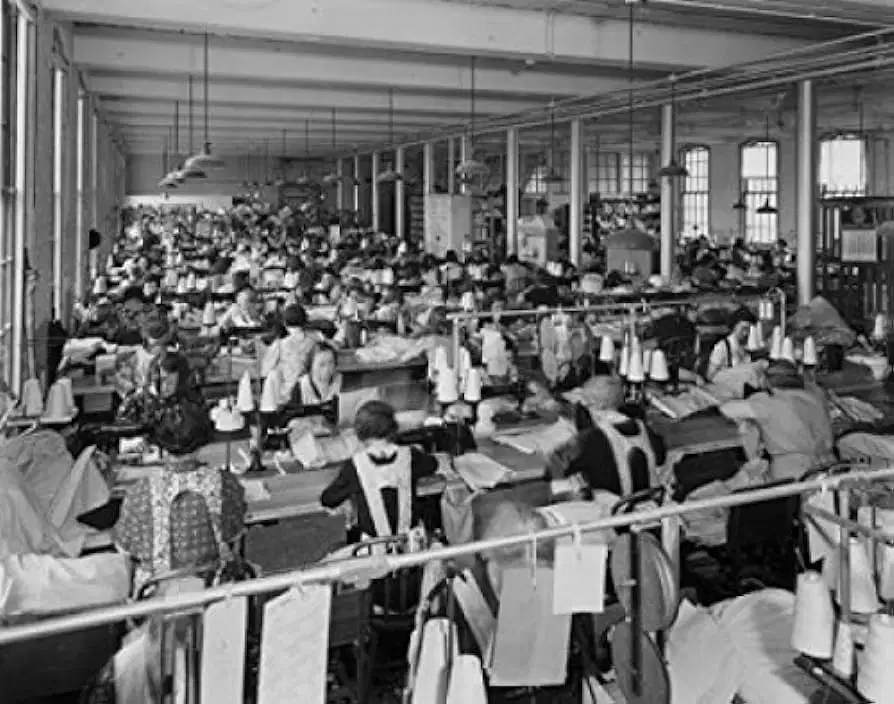
Who were the new workers in factories during World War I?
Women
African Americans
Native Americans
teachers & students

What event led the United States to enter the World War I?
US was competing w/ Germany, Russia, & France for more power
Austria-Hungary declared war on Serbia
Germany invaded Belgium & France
Sinking of the Lusitania and the Zimmerman Telegram

How did some Allied leaders use the Treaty of Versailles that ended WW1?
to punish Germany by taking land & money
to give the US new colonies
to create more supplies for soldiers
to remind civilians to help with the war

Which of the following BEST describes an alliance?
a belief that your country is superior to others
a declaration of war by one country against another
an agreement that nations make to defend one another
a conflict in which one country takes over another country

What event happened in 1929 that signaled the start of the Great Depression?
World War II
the bombing of Pearl Harbor
the stock market crashed
Roosevelt began deficit spending
Henry Ford found that he could produce cars less expensively by...
using plastic instead of steel for some car parts
hiring only immigrants to work in his factory
using a moving assembly line
using designs made in Japan
Which of the following BEST describes President Franklin Roosevelt's New Deal?
A company in which investors buy stock
Government programs designed to ease economic hardships
Power company supplying southern Appalachia with electricity
Strategy for improving national parks & forests
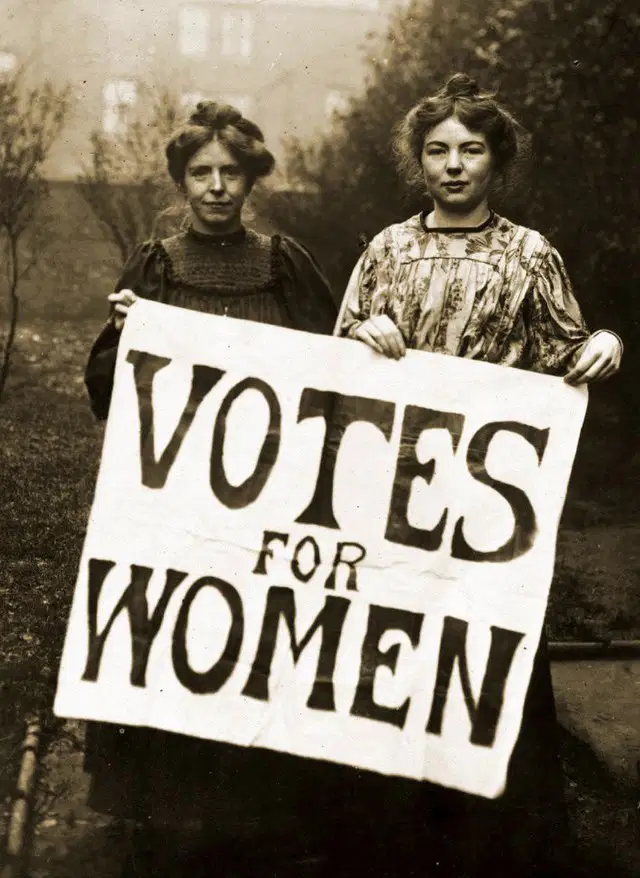
Which amendment gave women the right to vote (suffrage)?
the 1st
the 13th
the 19th
the 26th
Which event marked the end of the Roaring 20s?
The start of World War II
The stock market crash of 1929
The signing of the Treaty of Versailles
The end of Prohibition
Why did the United States have so many child laborers (workers) during the Industrial Revolution?
Children worked harder than adults
Children fit in tight spaces, could be paid lower wages than adults, and were less likely to strike
They were learning much needed skills for later in life
Their parents made them work
Which of the following best describes the U.S. economy during the Roaring 20s?
Stagnation and decline
Rapid industrial growth
High unemployment rates
Economic depression
During the Roaring 20s, what was a common way people bought expensive items like cars and radios?
Bartering with goods
Using gold coins
Buying on credit
Trading stocks
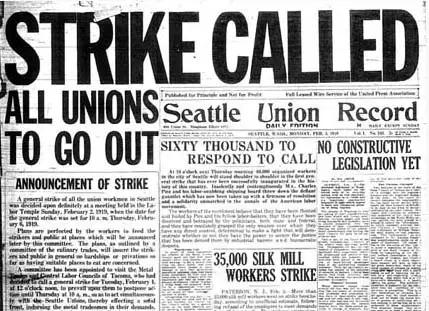
Why did many workers strike and then later unionize during the early 1900's
They wanted to spread communism in the U.S.
the wanted to overthrow the U.S. government
They wanted better working conditions and increased pay
they wanted businesses to hire fewer immigrants
Which of these industries struggled the most during the Dust Bowl?
banking
railroad
oil/gas
farming/farmers
Which of the following is true of women AFTER WWI?
most left their jobs outside home and returned to being housewives
many stayed in their jobs outside the home, began to drive cars, and some evenattended college
most women who had been working outside the home received increased wages/pay
many entered managerial/leadership positions at their workplace
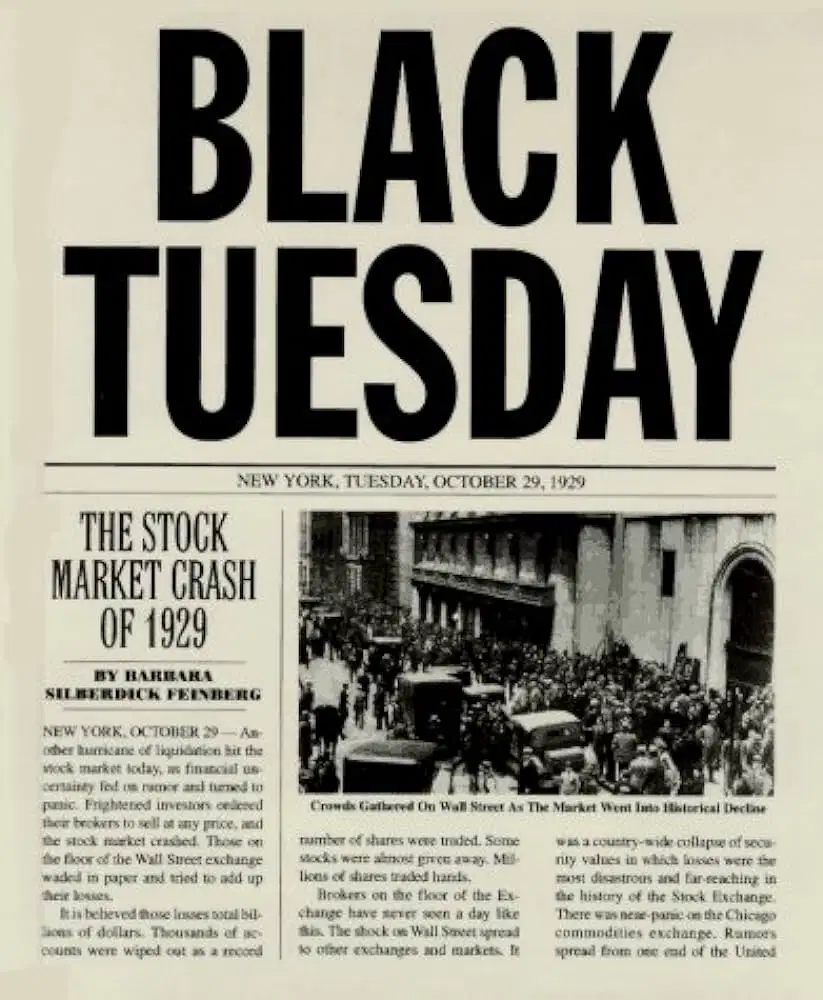
Why did the stock market crash in 1929?
over 90% of Americans had invested in the stock market
most Americans (who had invested in the stock market) sold their stocks for a big profit
most Americans did not keep their money in a bank
a "run on banks" by Americans trying to get their money caused the banking crisis.
What is one reason the Dust Bowl occurred?
farmers removed the deep-rooted grasses to create more farmland
Farmers planted trees in the region, which caused the deep-rooted grasses to die.
The Great Plains received a high amount of rain, which caused soil erosion
the constant dust storms cased the deep-rooted grasses to die
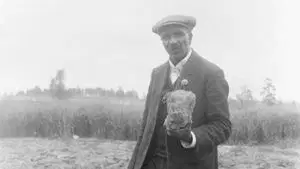
What practice did George Washington Carver teach farmers in the 1800's also help farmers during the Dust Bowl?
Pulling up grasslands to plant more wheat
Watering the plants
Planting more peanuts
Soil conservation and crop rotation
Over 3 million men were put to work building roads, developing parks, planting trees, and helping with soil-erosion and flood-control projects through the __________ _________ ________;its main goal was to prevent another Dust Bowl
Civilian Conservation Corps (CCC)
The New Deal
Tennessee Valley Authority (TVA)
Social Security
What finally caused the Great Depression to end?
People began to trust the banks again
The US entering World War Two
The Stock Market started doing well again
The Dust Bowl ended

