
 Worksheets
Matter, Heat Energy, & Force & Motion
Total questions: 83
Worksheet time: 1hrs 23mins
A material that readily allows electric charges to pass through it and therefore carries electricity well
Conductor
Unbalanced Force
Insulator
Reflect
Amount of distance traveled divided by time taken
Motion
Speed
Energy
Conduct
The act or process of changing position and/or direction
Energy
Motion
Mechanical Energy
Speed
A material used to reduce or prevent the transfer of heat
Electrical Energy
Insulator
Speed
Conductor
Energy that transfers between substances because of a temperature difference between the substances; the transfer of energy is always from the warmer substance to the cooler substance
Conductor
Circuit
Heat Energy
Sound Energy
The transfer of energy through a solid substance or by direct contact is
convection
conduction
radiation
absorption
The transfer of energy through liquid or gas, usually in currents is
conduction
convection
radiation
absorption
The transfer of energy in electromagnetic waves or through space is
conduction
convection
absorption
radiation
Kinetic energy is
stored energy
chemical energy
potential energy
energy in motion
Potential energy is
kinetic energy
stored energy
energy in motion
sound energy
Substances that allow heat to flow easily are called
protectors
insulators
conductors
convectors
Substances that do not all heat to flow easily are called
radiants
conductors
convectors
insulators
What is mass?
The form matter can take. It is either a solid, liquid or gas.
A change of substance from one form to another without a change in its chemical properties.
To force away or apart.
The amount of matter a substance or object has.
What is physical change?
A change of substance from one form to another without a change in its chemical properties.
The amount of matter a substance or object has.
To force away or apart.
The form matter can take. It is either a solid, liquid or gas.
What is weight
A physical property of a solid used to describe its surface.
A measure of the force of gravity on an object.
The amount of space an object or substance takes up.
The distance traveled by an object in a given amount of time.
What is volume?
The amount of space an object or substance takes up.
A physical property of a solid used to describe its surface.
A measure of the force of gravity on an object.
The distance traveled by an object in a given amount of time.
What is speed?
A physical property of a solid used to describe its surface.
A measure of the force of gravity on an object.
The amount of space an object or substance takes up.
The distance traveled by an object in a given amount of time.
What is force?
To take up and store energy without reflecting or transmitting that energy.
A push or a pull that one object exerts on another object with or without direct contact. Some examples are friction, gravity, magnetism, pushes, and pulls.
Process by which substances are changed into different substance with different properties.
Forces that are unequal in size and may or may not be opposite direction.
What is a chemical change?
A push or a pull that one object exerts on another object with or without direct contact. Some examples are friction, gravity, magnetism, pushes, and pulls.
Forces that are unequal in size and may or may not be opposite direction.
To take up and store energy without reflecting or transmitting that energy.
Process by which substances are changed into different substance with different properties.
What are unbalanced forces?
A push or a pull that one object exerts on another object with or without direct contact. Some examples are friction, gravity, magnetism, pushes, and pulls.
Process by which substances are changed into different substance with different properties.
To take up and store energy without reflecting or transmitting that energy.
Forces that are unequal in size and may or may not be opposite direction.
What is an insulator?
Material used to reduce or prevent the transfer of electricity, heat, or sound.
To bounce light, sound or heat off of a surface.
A force that opposes motion through direct contact.
To transmit heat, sound or electricity through a medium.
What is friction?
Material used to reduce or prevent the transfer of electricity, heat, or sound.
To bounce light, sound or heat off of a surface.
A force that opposes motion through direct contact.
To transmit heat, sound or electricity through a medium.
What are balanced forces?
Anything that has mass and takes up space.
Forces that are equal in size, but opposite in direction.
A type of energy an object has due to its motion or position.
The relative frequency (high or low) of sound as perceived by a listener.
What is matter?
Anything that has mass and takes up space.
Forces that are equal in size, but opposite in direction.
A type of energy an object has due to its motion or position.
The relative frequency (high or low) of sound as perceived by a listener.
What is mass?
The form matter can take. It is either a solid, liquid or gas.
A change of substance from one form to another without a change in its chemical properties.
To force away or apart.
The amount of matter a substance or object has.
A force that opposes the motion of an object is called _______________.
friction
gravity
heat
Which surface would have the least amount of friction?
a carpet
a concrete sidewalk
a smooth, hardwood floor

What is potential energy?
The energy of motion.
Moving objects.
The flow of electrons.
Stored energy.

What is kinetic energy?
Stored energy.
The energy of motion.
Stored in the height of an object.
The stretching of elastic materials.

On this distance-time graph what is the line showing?
An object going at a constant speed.
An object slowing down.
An object speeding up.
An object stopping.
What are two ways that an object's velocity changes?
Speed, motion, and direction.
Speed and direction.
Motion and speed.
Direction and motion

What is it called when particles are moving thermal energy to different parts of the material like water?
Convection
Conduction
Radiation
Plasma

The amount of matter in an object.
Mass
Matter
Physical Properties
Solubility
Properties of matter that can be observed, measured, or changed.
Physical Properties
Physical State
Solution
Temperature
Does not allow heat or electrical energy to pass through easily.
Insulator
Conductor
Physical State
Temperature
The measure of the energy of motion of the particles in matter.
Temperature
Solubilty
Solution
Matter
The amount of space something takes up.
Volume
Temperature
Physical Changes
Mixture
The ability of a substance to dissolve when mixed in another.
Solubility
Magnetism
Matter
Physical properties
What is the law of conservation of energy?
Energy cannot be created or destroyed
Energy can be created or destroyed
Energy is awesome
An object in motion will stay in motion and an object at rest will stay at rest unless acted upon by an outside force
Which law of motion is best described by "inertia"?
1st
2nd
3rd
Which law can be simply described with the equation:
F = MxA
1st
2nd
3rd
Newton said that an object at rest stays at rest, with which law?
1st
2nd
3rd

If we put the same force on a bowling ball and a soccer ball, the soccer ball will move faster! Which law explains this?
1st
2nd
3rd

Which law explains why the driver "keeps moving forwards, even though the car has stopped"?
1st
2nd
3rd


The temperature at which a solid becomes a liquid
melting point
freezing point
boiling point
point of condensation
the characteristic of a pure substance that describes its ability to change into a different substance
physical property
malleable
chemical property
metamorphosis
the temperature at which a liquid turns into a gas
freezing point
melting point
point of condensation
boiling point
Matter is anything that has ______________and takes up space
color
volume
mass
bugs
a state of matter that has a definite shape and a definite volume
gas
liquid
solid
North Carolina
a state of matter that has no definite shape but a definite volume
gas
liquid
solid
California
a state of matter that has no definite shape and no definite volume
gas
liquid
solid
New York
Which phase of matter has particles tightly packed together that do not move past each other?
solid
liquid
gas
plasma
The ability of one substance (solute) to dissolve in another substance (solvent)
steerability
mixture
likeability
solubility
a substance (usually a liquid) that does the dissolving in a solution
solvent
solubility
;)
peace out
To get larger in size, volume or quantity; when atoms gain heat energy, they move faster and spread out
get fat
expand
shrink
duplicate
Heat energy; effects the motion of molecules in a substance
fire
thermal energy
light energy
radiation
How much mass is present per given volume (mass divided by volume)
solute
dissolve
density
chicken
groups of molecules that are mixed up in even distributions
solution
solvent
waxing gibbous
cat

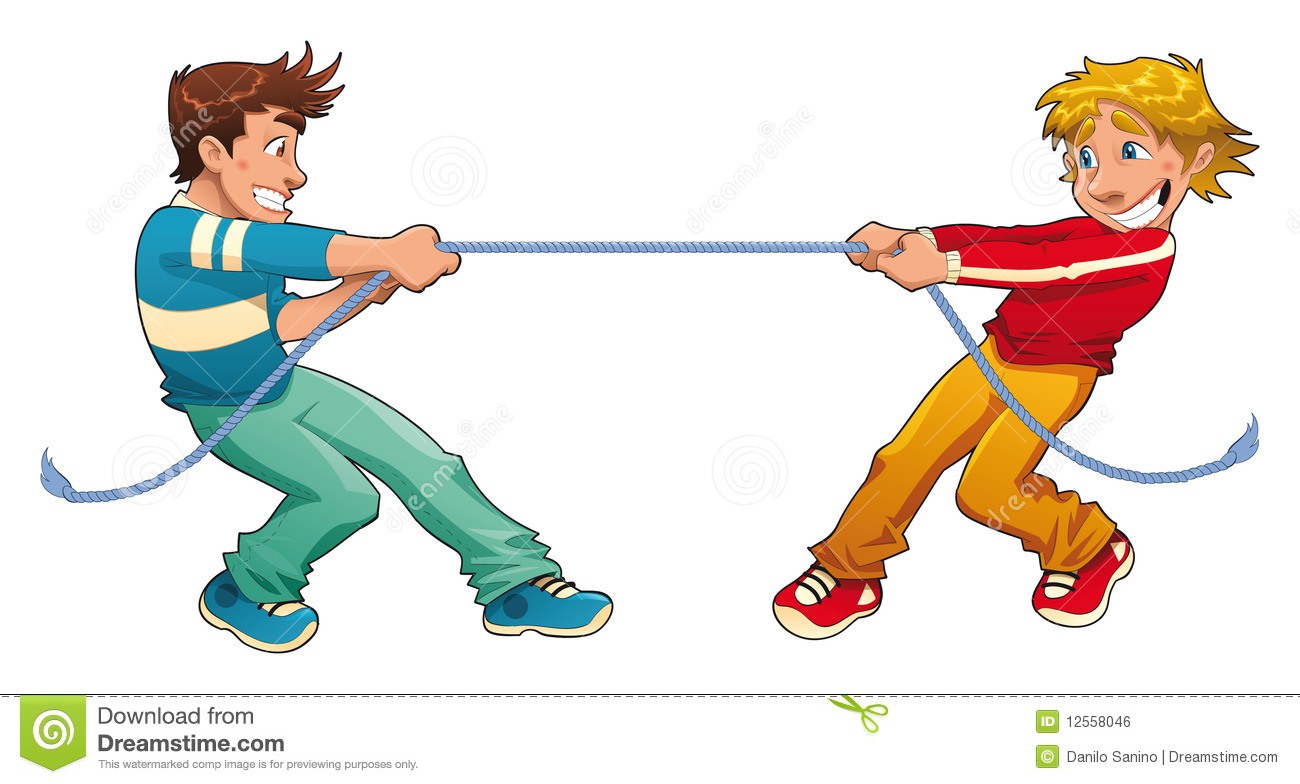
Which of the following is an example of an unbalanced force?



