
Font size
 Worksheets
Great Depression/New DEal
Total questions: 56
Worksheet time: 34mins
A major cause of the economic depression of 1929 was
abuse of credit.
a return to the gold standard.
increased number of public works projects.
government programs designed to reduce agricultural production.
"Section 202. (a) Every qualified individual shall be entitled to receive.. . on the date he attains the age of sixty-five,.. . and ending on the date of his death, an old-age benefit. . ."
A major purpose of this section of Federal legislation was to
assure adequate medical care for the elderly
guarantee an annual income to experienced employees
provide economic assistance to retired elderly workers
reward workers for their support of the union movement
The purpose of the TVA (Tennessee Valley Authority) was
to insure bank deposits in the United States.
to provide job opportunities in national parks.
to reduce farm surpluses and raise agricultural profits.
provide electrical power to an underdeveloped region of the U.S.
Which situation was a basic cause of the Great Depression?
excessive profits for farmers
overregulation of the stock market
overproduction of consumer goods
continued increases in wages for workers
What were two basic causes of the Dust Bowl during the early 1930s?
strip mining and toxic waste dumping
over farming and severe drought
clear-cutting of forests and construction of railroads
overpopulation and urban sprawl
The main purpose of New Deal measures such as the Securities and Exchange Commission (SEC) and the Federal Deposit Insurance Corporation (FDIC) was to
provide immediate employment opportunities
develop rules to limit speculation and safeguard savings
enable the Federal Government to take over failing industries
assure a guaranteed income for American families

What was the most likely cause of the election results shown on the map?
Most voters blamed President Herbert Hoover for the Great Depression.
It is difficult to defeat an incumbent (sitting) president.
Franklin D. Roosevelt had more business experience than Herbert Hoover.
Republican Party popularity had been declining for several elections.
Overproduction and underconsumption factored into causing the Great Depression by
causing falling prices on goods.
forcing a decrease in mechanization.
leading to more spending than saving.
scaring farmers into growing fewer crops.
An obvious defect in the United States' banking system that was exposed during the Great Depression was
excessive government regulation of banks.
the federal government's ownership of banks.
an excessive amount of currency in circulation.
the lack of protection for funds deposited by individuals in banks.
A major criticism of President Franklin D. Roosevelt's programs to combat the Great Depression was that these programs
reduced the power of the federal government.
provided too much protection for big business.
ignored the plight of homeowners with mortgages.
made people dependent on the federal government.
The Social Security Act is often considered part of President Franklin Roosevelt's "Second New Deal" because it
offered payments to those who were retired or unemployed.
made all employers allow their workers to join a labor union.
had to be amended and added twice before Congress would pass it.
was part of the President's plans to enact programs that would offer long-range governmental reform.

This photograph is called "Migrant Mother," and was MOST associated with which of these issues?
Families losing their homes as a result of the Dust Bowl.
Families losing their savings as a result of the stock market crash.
Families losing their jobs as a result of underconsumption of goods.
Families sending their children to live with relatives due to unemployment.
A major cause of the economic depression of 1929 was
abuse of credit.
a return to the gold standard.
increased number of public works projects.
government programs designed to reduce agricultural production.
"Section 202. (a) Every qualified individual shall be entitled to receive.. . on the date he attains the age of sixty-five,.. . and ending on the date of his death, an old-age benefit. . ."
A major purpose of this section of Federal legislation was to
assure adequate medical care for the elderly
guarantee an annual income to experienced employees
provide economic assistance to retired elderly workers
reward workers for their support of the union movement
The purpose of the TVA (Tennessee Valley Authority) was
to insure bank deposits in the United States.
to provide job opportunities in national parks.
to reduce farm surpluses and raise agricultural profits.
provide electrical power to an underdeveloped region of the U.S.
Which situation was a basic cause of the Great Depression?
excessive profits for farmers
overregulation of the stock market
overproduction of consumer goods
continued increases in wages for workers
What were two basic causes of the Dust Bowl during the early 1930s?
strip mining and toxic waste dumping
over farming and severe drought
clear-cutting of forests and construction of railroads
overpopulation and urban sprawl
The main purpose of New Deal measures such as the Securities and Exchange Commission (SEC) and the Federal Deposit Insurance Corporation (FDIC) was to
provide immediate employment opportunities
develop rules to limit speculation and safeguard savings
enable the Federal Government to take over failing industries
assure a guaranteed income for American families
What was the most likely cause of the election results shown on the map?
Most voters blamed President Herbert Hoover for the Great Depression.
It is difficult to defeat an incumbent (sitting) president.
Franklin D. Roosevelt had more business experience than Herbert Hoover.
Republican Party popularity had been declining for several elections.
Overproduction and underconsumption factored into causing the Great Depression by
causing falling prices on goods.
forcing a decrease in mechanization.
leading to more spending than saving.
scaring farmers into growing fewer crops.
An obvious defect in the United States' banking system that was exposed during the Great Depression was
excessive government regulation of banks.
the federal government's ownership of banks.
an excessive amount of currency in circulation.
the lack of protection for funds deposited by individuals in banks.
A major criticism of President Franklin D. Roosevelt's programs to combat the Great Depression was that these programs
reduced the power of the federal government.
provided too much protection for big business.
ignored the plight of homeowners with mortgages.
made people dependent on the federal government.
The Social Security Act is often considered part of President Franklin Roosevelt's "Second New Deal" because it
offered payments to those who were retired or unemployed.
made all employers allow their workers to join a labor union.
had to be amended and added twice before Congress would pass it.
was part of the President's plans to enact programs that would offer long-range governmental reform.
This photograph is called "Migrant Mother," and was MOST associated with which of these issues?
Families losing their homes as a result of the Dust Bowl.
Families losing their savings as a result of the stock market crash.
Families losing their jobs as a result of underconsumption of goods.
Families sending their children to live with relatives due to unemployment.
Which action by the federal government was one cause of the Great Depression?
Failing to decrease the reserve requirement.
Refusing to regulate the stock market.
Abolishing the use of the gold standard.
Eliminating tariffs on foreign trade.

Which reason correctly replaces the question mark on this list?
Decrease in interest rates.
Failure of banks.
Outsourcing of manufacturing jobs.
Outbreak of a global war.
How did the Great Depression affect American society?
The price of agricultural goods decreased, causing an increase in demand for farm labor.
Manufacturing wages increased, causing businesses to concede to labor union demands.
Demand for luxury goods increased, causing overproduction in manufacturing.
Businesses were forced to close, causing widespread unemployment.

Which phrase correctly replaces the question mark in this diagram?
Increase in minimum wage.
Growth of immigration.
Increase in unemployment.
Growth in consumer spending.

How did this response to the Great Depression differ from the ideas of Franklin D. Roosevelt?
Hoover wanted to implement social welfare programs to provide for the poor.
Roosevelt wanted private charities to take responsibility for relief efforts.
Hoover wanted to limit the role of the federal government in managing the crisis.
Roosevelt wanted state governments to regulate private business activity.
What is the purpose of the Securities and Exchange Commission?
To encourage business practices that promote minority employment.
To maintain fair markets and increase investor confidence in financial institutions.
To encourage business policies that protect the environment.
To ensure worker safety and protect the public from hazardous products.
How does the Federal Deposit Insurance Corporation (FDIC) continue to affect U.S. citizens?
By regulating loans made to investors who buy stocks on margin.
By changing interest rates to prevent people from paying higher prices for goods.
By providing financial assistance to elderly people who are retired.
By protecting the savings of bank customers during an economic crisis.

How did the new program described in the poster affect the role of the federal government?
It provided the federal government with a role in administering a retirement fund for workers.
It limited the federal government’s power to enforce minimum wage requirements.
It provided the federal government with a role in managing workers’ bank accounts.
It limited the federal government’s power to assist workers in manufacturing plants.
What was one result of the creation of the Civilian Conservation Corps (CCC) during the 1930s?
State governments took over the responsibility of protecting minority rights.
The federal government was no longer responsible for protecting natural resources.
State governments could no longer control their budgets.
The federal government provided aid to people suffering from unemployment.

Why was the bill in this cartoon important to President Franklin D. Roosevelt?
He wanted to strengthen the congressional power of impeachment.
He wanted to strengthen federal judicial authority over state governments.
He wanted to remove congressional leaders from office.
He wanted to weaken the power of the judicial branch over the executive.

What is this showing?
The Social Security Act
The Tennessee Valley Authority
The Civilian Conservation Corps.
The Agricultural Adjustment Act

What is this showing?
The Social Security Act
The Tennessee Valley Authority
The Civilian Conservation Corps.
The Agricultural Adjustment Act

What is this showing?
The Social Security Act
The Tennessee Valley Authority
The Civilian Conservation Corps.
The Agricultural Adjustment Act
Who would the Social Security Act help most?
Unemployed people
Low-income families
Older people
Young adults entering the workforce
What did the Agricultural Adjustment Act do?
It increased food sold around the world
It Increased food prices
It decreased food prices
It decreased food sold around the world
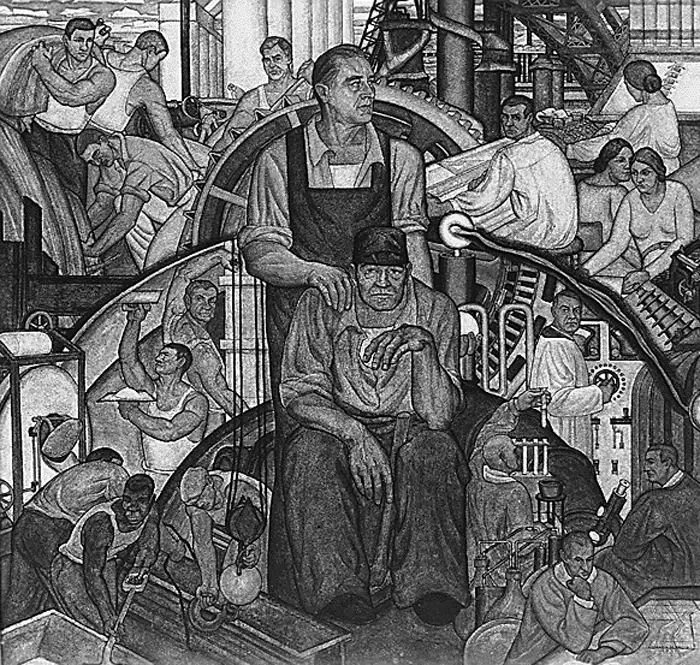
What does the sitting man in the center represent?
Immigrants unable to find a job during the New Deal
Americans suffering from the Great Depression
Immigrants not allowed in the country
Americans who lost money on the Stock Market
What was the Great Depression?
When the American Stock Market grew
When the American Government increased taxes
When the American Population experienced high unemployment rates
When the American Economy was very bad
How was the New Deal supposed to help?
It would give people vacations
It would give people homes
It would give people jobs
It would give people free money
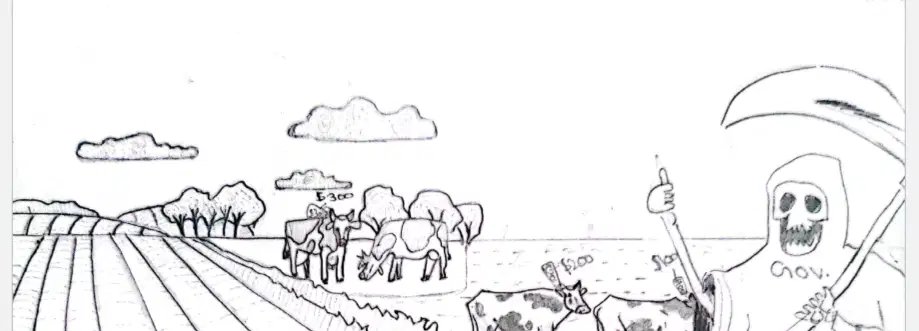
How did the Gov. increase prices of food?
SELECT TWO ANSWERS
It burned crops
It set animals free
It killed animals
It gave food away for free
How high did unemployment get during the Great Depression?
10%
50%
25%
75%
Which of the following was not a cause of the Great Depression
Stock market crash
Unpaid debts from fighting WWI
Banks make loans that borrowers cannot pay back
Factories and farms produce more goods than people can buy
People who could no longer afford to live in their homes were forced to live in cardboard shacks that they build in public parks. What were these shacks called?
Shantyshacks
Tenement Housing
Town Homes
Hoovervilles
Who was the President of the US when the stock market crashed and the Depression began?
Theodore Roosevelt
Herbert Hoover
Franklin D Roosevelt
William McKinley
On what day did the "bottom fall out" of the stock market becoming one of the leading causes of the Great Depression?
September 29, 1929
October 29, 1929
January 21, 2019
November 29, 1929
Which of the following BEST describes farmers during the Great Depression
Many farmers found success through out the depression selling their items to other countries
Many farmers found success through out the depression selling their items to hungry Americans
a drought and low prices forced many farmers into poverty and foreclosures
Which economic factor contributed most directly to the start of the Great Depression?
low worker productivity
high income taxes
decreasing tariff rates
buying stocks on margin
Which present day institution was created during the Great Depression to provide elderly citizens income help?
Securities and Exchange Commission
Social Security Administration
Federal Deposit Insurance Corporation
Federal Housing Administration
___________ is the practice of using borrowed funds from a broker to trade a financial asset.
Saving
Margin
Speculation
Investing
What was Black Tuesday?
A massive sale that companies held once a year
The day the Dust Bowl hit
The 1929 collapse of the Stock Market
The total eclipse of 1929
What was the bank run?
A 5k run sponsored by the big banks
People wanting to give as much money as possible
Banks running out of paper
Americans withdrawing all of their money from the banks

