
NEW
Font size
 Worksheets
Heat & Energy Calculations
Total questions: 43
Worksheet time: 2hrs 35mins
What are chemical reactions that absorb energy?
endothermic
fast
slow
exothermic
What is the formula for calculating heat?
q = mcΔT
H = ΔH x moles
H = ΔH x grams
products - reactants

Convert 42 kJ into joules
0.042 J
175.73 J
42000 J
10.04 J

A 500g piece of aluminum has a temperature of 7°C. What is the heat energy produced? Specific heat of Aluminum is 0.900 J/gºC.
3000 J
3000 g
3150 J
3150 g

How much heat does an aluminum block absorb if 10.00 grams is heated from 25.0oC to 50.0oC? *Specific heat of aluminum is 0.900 J/goC
450 J
-450 J
225 J
-225 J

A 24.0 gram sample of copper was heated from 25.0oC to 500.0oC, 4378 J of heat were absorbed, what is the specific heat of copper?
0.384 J/g°C
49909200 J/g°C
2.60 J/g°C
8.77 J/g°C

The specific heat of platinum is 0.133 J/g°C. How much heat is released when a 10 g piece of platinum cools from 100°C to 50°C?
66.5 J
665 J
0.0266 J
0.665 J

Releasing heat into the surroundings occurs during an ___________________ reaction.
Exothermic
Endothermic
Kinetic Energy
Thermal Energy
What is the study of heat changes that accompany chemical reactions and phase changes?
energy
chemistry
work
thermochemistry
What does temperature measure?
heat
average kinetic energy
space
time
A 24.0 gram sample of copper was heated from 25.0oC to 500.0oC, 4378 J of heat were absorbed, what is the specific heat of copper?
0.384 J/g°C
49909200 J/g°C
2.60 J/g°C
8.77 J/g°C

The temperature of an unknown piece of metal with a mass of 30.00 g changes from 25.0°C to 35.0°C when the metal absorbs 350.0 J of energy. What is the specific heat of the metal?
1.17 J/g°C
-1.17 J/g°C
0.857 J/g°C
-0.857 J/g°C
A sample of iron receives 50 J of heat energy that raises the temperature of the iron 25.0°C. If iron has a specific heat of 0.10 J/g°C, what is the mass of the iron sample?
25g
30g
20g
50g
If 238 J of heat is absorbed by a sample of metal with a mass of 40.7 g, and it raises the temperature from 20.0°C to 32.4°C, what is the specific heat capacity of the metal?
2.34 J/g°C
0.472 J/g°C
6.13 J/g°C
0.163 J/g°C
In an endothermic reaction, energy is _________.
absorbed
released
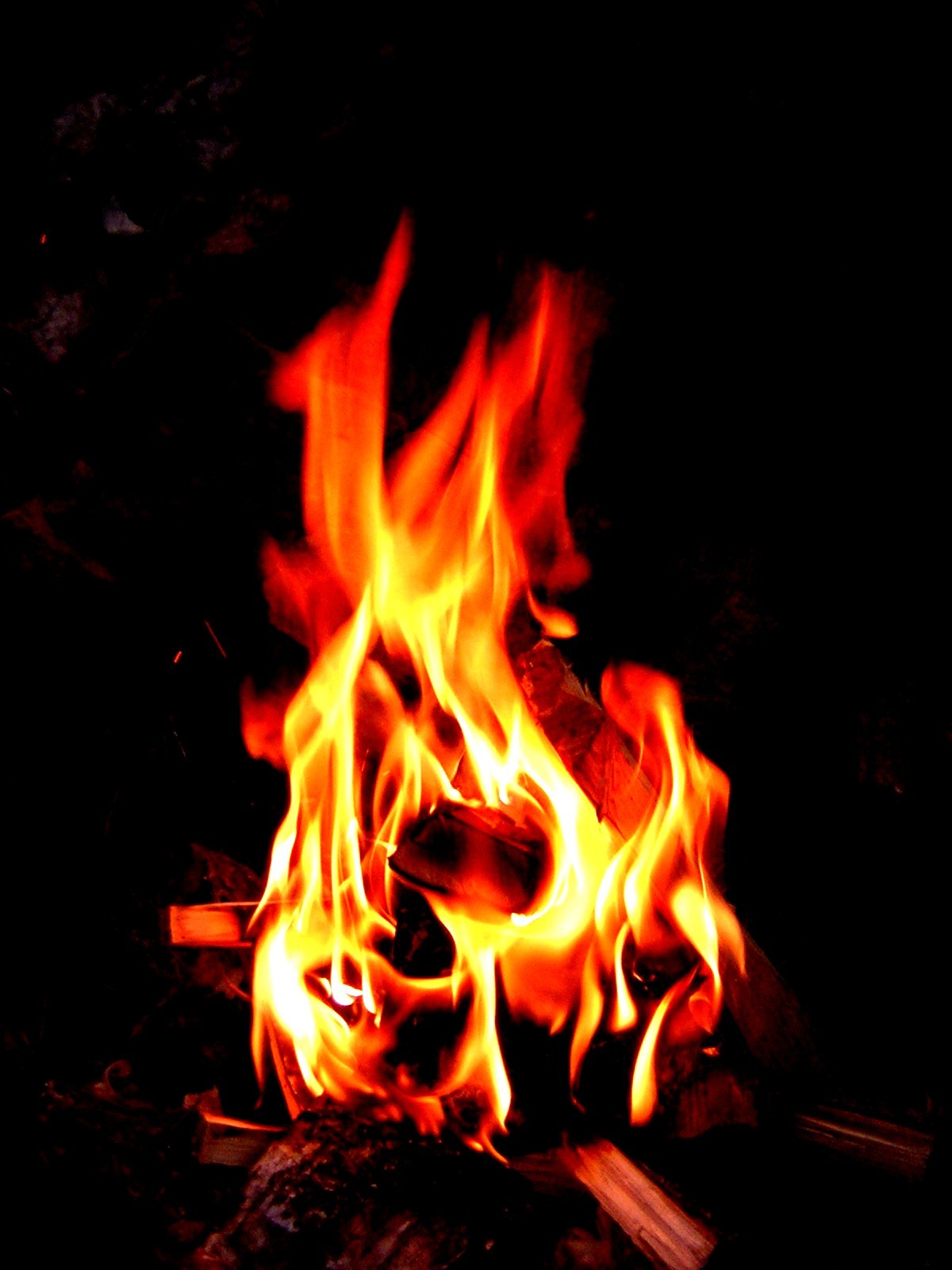
_____ reactions usually feel hot!
endothermic
exothermic
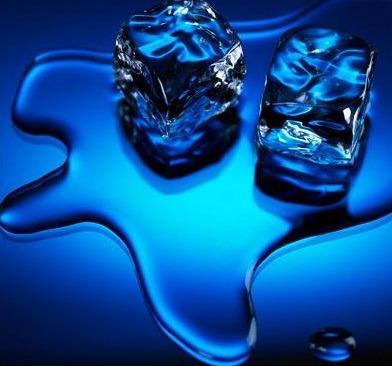
____ reactions usually feel cold.
endothermic
exothermic
Endo means in or _______.
absorbed
released
Exo means out or ________.
absorbed
released

The graph above is from which type of reaction?
Endothermic reaction
Exothermic Reaction

The graph above is from which type of reaction?
Endothermic reaction
Exothermic reaction
"The energy required to start a reaction."
Activation energy
Catalyst
Enthalpy
Temperature

Which best represents the activation energy of this exothermic energy curve?
A
B
C
D
What device is used to measure the amount of heat involved in a chemical reaction or physical process?
barometer
calorimeter
thermometer
How can you find the change in temperature?
Tfinal + Tinital
Tfinal − Tinitial
none of the above
Q= m c ∆T
The units for specific heat are:
If two objects have different temperatures when they come in contact, heat will flow from the warmer object to the cooler one UNTIL ____________
one reaches a temperature of zero
they both have an equal temperature
one runs out of energy
If the specific heat of water is 4.18 J/g∙°C, how much heat is required to increase the temperature of 1.2 kg of water from 23 °C to 39 °C? (show your work)
-80,256 J
80.256 J
80,256 J
-80.256 J
A piece of metal with a mass of 32.8 g is heated to 100.5°C and dropped into 138.2 g of water at 20.0°C. The final temperature of the system is 30.2°C. What is the specific heat capacity of the metal? (show your work)
What unit is Heat/Energy usually in?
oC
Joules
J/goC

