
 Worksheets
jhsbkjnssk
Total questions: 151
Worksheet time: 3hrs 33mins
The largest part of the brain is called
Cerebrum
Cerebellum
Medulla Oblongta
The system of the body that carries information to all parts of the body.
Nervous system
Muscular system
Skeletal System
Main controlling center of the body is
Nerves
Brain
Spinal Cord
________________ controls the muscle movement and balance of the body.
Cerebrum
Cerebellum
Spinal Cord
The part of the brain that controls conscious thoughts, learning ability, memory, senses and basic intelligence.
Cerebellum
Cerebrum
Dendrites
Brain Stem
______________ is a stem shaped structure.
Brain
Medulla
Spinal Cord
Neuron
Connected to spinal cord, controls heartbeat, breathing, blood pressure, digestion.
Nerves
Medulla Oblongta/ Brain Stem
Dendrites
Brain
______________ are the messengers of our body.
Nerves
Brain
Spinal Cord
What are the three parts of the nervous system?
brain, spinal cord, nerves
brain, lungs, spinal cord
heart, brain, nerves
brain, nerves, neurons
A nerve cell is called a:
Neutron
Nucleus
Neuron
Optic Nerve is an example of ____________ nerves.
Motor Nerves
Sensory Nerves
None
Reflex actions can be controlled by the brain.
True
False
___________ is like a window that controls and focuses the entry of light into our eye.
Retina
Cornea
Iris
The colored part of eye is called
Retina
Pupil
Iris
Any injury to optic nerve can lead to
Vision Loss
Hearing loss
No loss
____________ is the largest organ of the body.
Skin
Stomach
Heart
______________ carry messages from to the brain as well as carry orders from the brain to other parts of the body.
Sensory Nerves
Mixed Nerves
Motor Nerves
What are the two parts of the peripheral Nervous System?
Brain and Brainstem
Spinal Cord and Amygdala
Somatic and Autonomic
Spinal Cord and Brain
What is the part of the brain in charge of the feelings and memories?
Brainstem
Cerebrum
Cerebellum
Amygdala
What parts of our body formed "The Central Nervous System"?
Brain and spinal Cord
Brain and Brainstem
Spinal cord and vertebrae
When you watch a scary movie and your heart starts beating really fast is an example of...
The Sympathetic Nervous System
The Central Nervous System
The Digestive System
When you are calm and your heartbeat is slow because you are relaxed, is an example of...
The Nervous System
The Spinal Cord
The Parasympathetic Nervous System
What is the part of our Peripheral Nervous System in charge of the VOLUNTARY movement.
Somatic
Autonomic
Peripheral
What is the cerebrum in charge of?
Feelings
Motor skills
Thinking
The __________ is in charge of sending messages from our brain to the rest of our body.
Brain
The Spinal Cord
Amygdala
These are doughnut-shaped bones that protect our spinal cord.
Spine
Nerves
Vertebrae
What is cerebellum in charge of?
Movement and balance
Digesting
Breathing
The nervous system have to parts: the central nervous system and the peripheral nervous system.
TRUE
FALSE
Which organs form the central nervous system?
Brain and skull
Brain and spinal cord
Cerebrum, cerebellum, brain and spinal cord.
The brain is the control centre of our body.
TRUE
FALSE
The brain has five parts
TRUE
FALSE
Which part protects the brain?
Skull
Cerebrum
Cerebellum
Brain Stem
The cerebellum is the biggest part of our brain
TRUE
FALSE
Which part controls our voluntary movements?
Spinal cord
Cerebrum
Cerebellum
Skull
Which part controls our involuntary movements?
Spinal cord
Cerebrum
Cerebellum
Brain Stem
Which part controls and coordinates our movements and balance?
Spinal cord
Cerebrum
Cerebellum
Brain stem
The spinal cord controls the reflex actions.
TRUE
FALSE
The skull protect and support our spinal cord.
TRUE
FALSE
The main part of the peripheral nervous system are the nerves
TRUE
FALSE
The cells in the nervous system are the...
Neurons
Red blood cells
White blood cells
The peripheral neurons send information from our sense organs to the brain
TRUE
FALSE
The motor neurons carry the message from the brain to our body and muscles.
TRUE
FALSE
The main function of the nervous system is _________
to transport nutrients and oxygen to all parts of the body.
to control and coordinate other systems of our body.
to help in movement of our body
to take out waste from our body.
What is the nervous system made up of?
The brain, the cerebrum, and nerves.
The cerebellum, the spinal cord, and eyes.
The brain, the spinal cord, and nerves.
The brain, the cerebrum, and eyes.
The brain is protected by the
it is not protected
skull
spine
rib cage
Protective bones which surround and protect the spinal cord are the __________
skull
vertebrae
ribs
pelvis
What are the nerve cells called?
Neurons
Cerebrum
Brain
Medulla
The largest part of your brain is
Medulla
Cerebrum
Cerebellum
Neuron
This part of the brain controls the voluntary muscular actions.
Medulla
Cerebrum
Cerebellum
The part of the brain that controls involuntary processes is
Spinal Cord
Cerebrum
Cerebellum
Medulla
The part of the brain that I will use to write for my assessment is
Cerebrum
Cerebellum
Medulla
Spinal Cord
The part of the brain that I will use to learn for my next assessment is
Cerebrum
Cerebellum
Medulla
Spinal Cord
Complete the sentence.
______, digesting food, and our heart beat are ______ actions.
Breathing - voluntary
Walking - involuntary
Studying - voluntary
Breathing - involuntary
The 2 types of nerves present in our nervous system are
Cerebrum and Cerebellum
Motor and Sensory
Neuron and Spinal Cord
All the above
Sensory nerves carry messages from the
brain to muscles
sense organs to muscles
sense organs to brain
muscles to brain
Motor nerves carry messages from the
brain to muscles
sense organs to muscles
sense organs to brain
muscles to brain

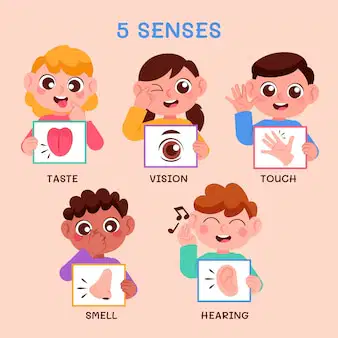
1- The function of smelling and tasting flavours is ________________
Sight
Smell
Hearing
Touch
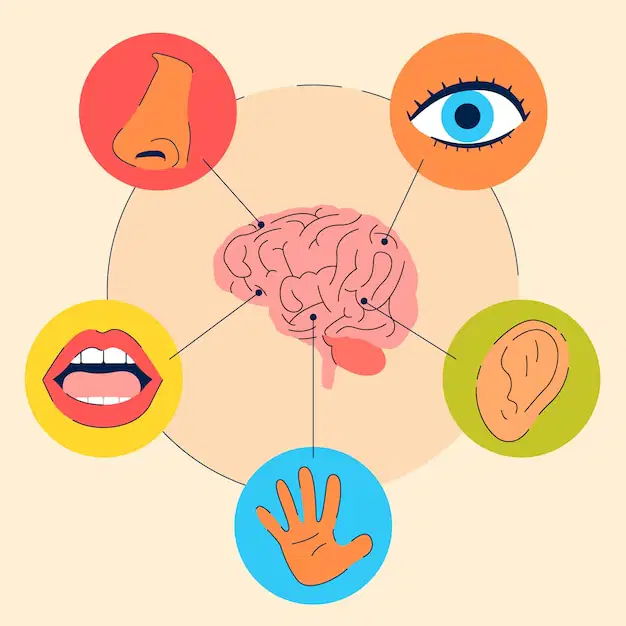
2- The function of detecting temperature, pressure, pain and texture is _______________
Taste
Smell
Sight
Touch
5- They respond to a stimulus and send impulses along the sensory nerves.
Sense organs
Sensory nerves
Motor nerves
Central nervous system
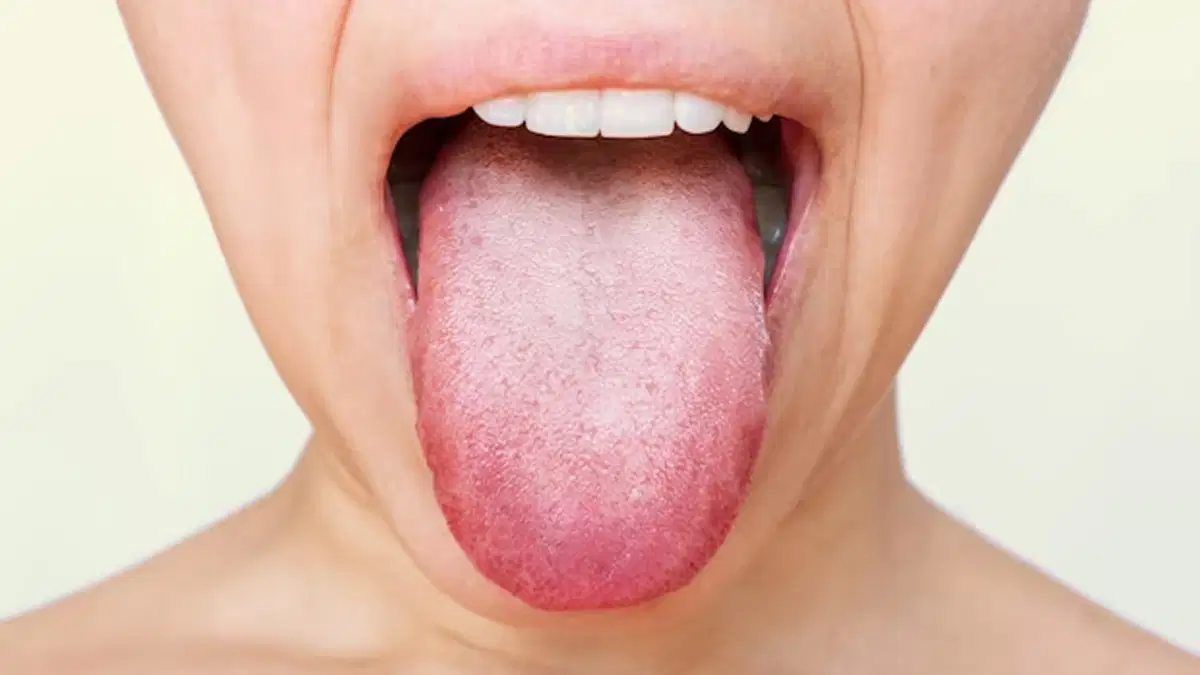
3- The taste receptors on the tongue are called _____________
Taste receptors
Taste buds
Flavour buds
Taste bumps
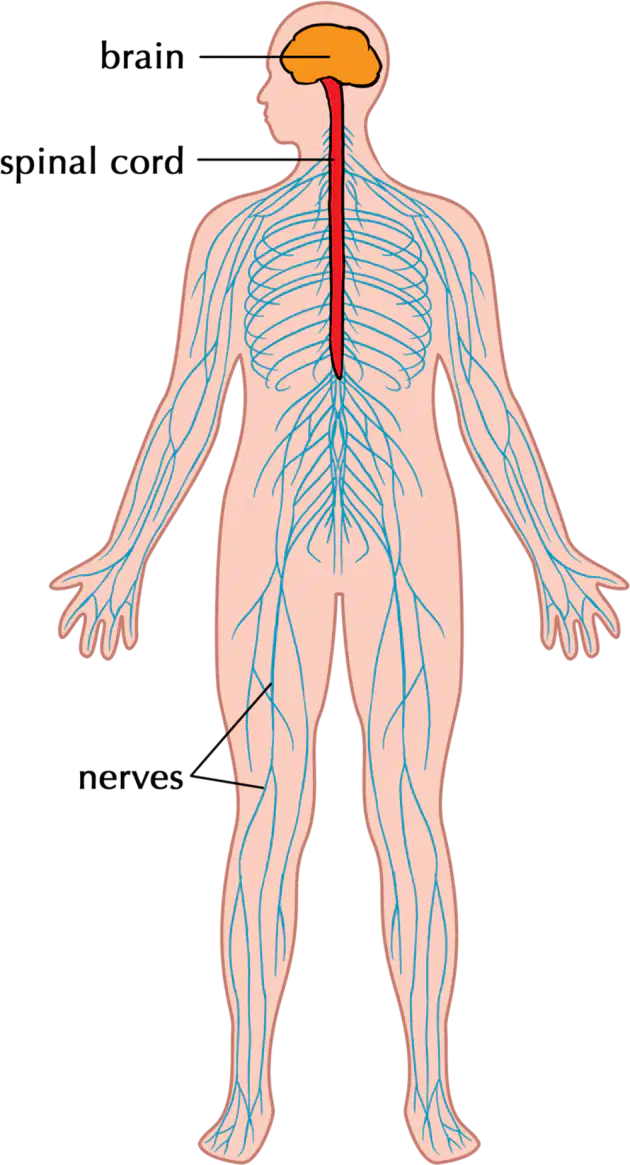
4- Which sequence is correct?
1- Sense organs
2- Central nervous system
3- Motor nerves
4- Sensory nerves
1- Sense nerves
2- Motor nerves
3- Central nervous system
4- Musculoskeletal system
1- Sense organs
2- Sensory nerves
3- Central nervous system
4- Motor nerves
5- Musculoskeletal system
1- Motor nerves
2- Sense organs
3- Central nervous system
4- Sensory nerves
5- Musculoskeletal system

Bones provide _______________ and _______________ our bodies. They also ______________ our organs.
(a)
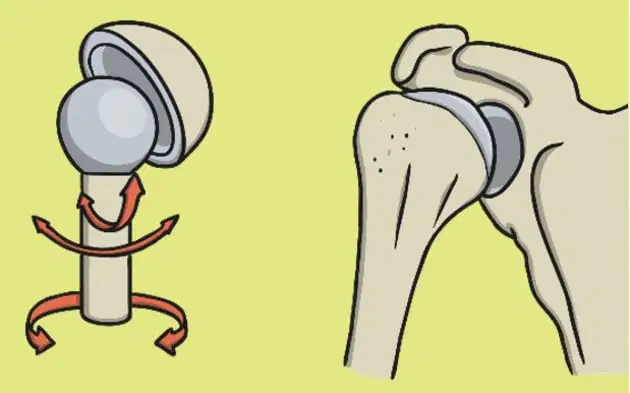
7- Some joints are:
elbow, knee and skull.
elbow, shoulder and knee.
shoulder, knee and femur.
humerus, ankle and knee.
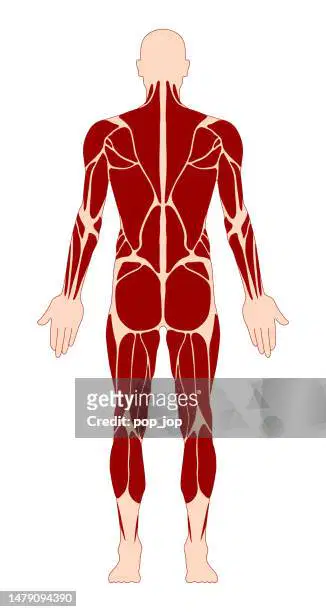
8- The muscular system follows the brain's commands and it is made up of:
bones and muscles.
muscles and tendons.
muscles and joints.
bones and joints.
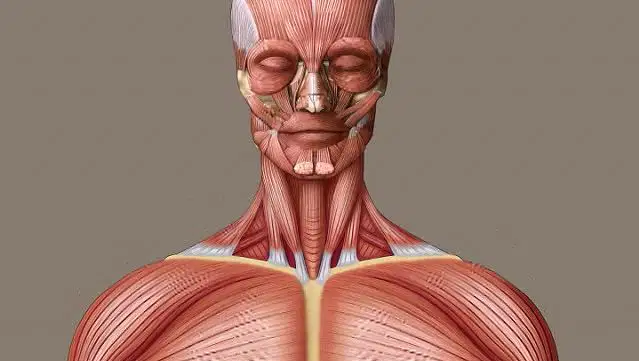
9- Some muscles are:
pectoral, abdominal and femur.
pectoral, abdominal and skull
abdominal, pectoral and deltoid.
skull, humerus and deltoid.
10- Muscles are:
flexible tissue that connect to the bones.
connect our bones and allow us to move.
elastic so they can relax and contract without breaking.
are hard on the outside and soft inside.


Function of nervous system is ____________.
Digestion only
Circulation only
Control and Coordination of the body
Breathing only

Identify the upper part of the brain.
Cerebrum
Cerebellum
Medulla
None of these
How intelligent you are that depends on which part of the brain?
Spinal Cord
Cerebellum
Cerebrum
Medulla
Reflex actions are controlled by which part of the nervous system?
Brain
Cerebellum
Spinal Cord
None of these
While thinking which part of the brain we are using?
Cerebellum
Medulla
Cerebrum
Spinal cord
Our breathing system is control and coordinated by this part of the brain.
Spinal cord
Cerebellum
Medulla
Cerebrum
What will happen if all the sensory nerves stop working in any human's body?
Messages will not reach to the brain or spinal cord.
Brain is not able to process the received information.
Nothing will happen as motor nerves will perform the functions.
Identify the part of skeleton who protects our brain from any kind of injury.


If a person finds difficulty in dancing, which part of the brain is yet to be developed?
Cerebellum
Cerebrum
Pons
Medulla
Motor nerves are important part of nervous system as they help in __________.
Receiving the information from the sense organs.
Passing the information to the brain from the other part of the body.
Giving messages or commands from brain to the other part of the brain.
These nerves are function-less.
Function of nervous system is ____________.
Digestion only
Circulation only
Control and Coordination of the body
Breathing only
Identify the upper part of the brain.
Cerebrum
Cerebellum
Medulla
None of these
How intelligent you are that depends on which part of the brain?
Spinal Cord
Cerebellum
Cerebrum
Medulla
Reflex actions are controlled by which part of the nervous system?
Brain
Cerebellum
Spinal Cord
None of these
While thinking which part of the brain we are using?
Cerebellum
Medulla
Cerebrum
Spinal cord
Our breathing system is control and coordinated by this part of the brain.
Spinal cord
Cerebellum
Medulla
Cerebrum
What will happen if all the sensory nerves stop working in any human's body?
Messages will not reach to the brain or spinal cord.
Brain is not able to process the received information.
Nothing will happen as motor nerves will perform the functions.
Identify the part of skeleton who protects our brain from any kind of injury.
If a person finds difficulty in dancing, which part of the brain is yet to be developed?
Cerebellum
Cerebrum
Pons
Medulla
Motor nerves are important part of nervous system as they help in __________.
Receiving the information from the sense organs.
Passing the information to the brain from the other part of the body.
Giving messages or commands from brain to the other part of the brain.
These nerves are function-less.
The largest part of the brain is called
Cerebrum
Cerebellum
Medulla Oblongta
The system of the body that carries information to all parts of the body.
Nervous system
Muscular system
Skeletal System
Main controlling center of the body is
Nerves
Brain
Spinal Cord
________________ controls the muscle movement and balance of the body.
Cerebrum
Cerebellum
Spinal Cord
The part of the brain that controls conscious thoughts, learning ability, memory, senses and basic intelligence.
Cerebellum
Cerebrum
Dendrites
Brain Stem
______________ is a stem shaped structure.
Brain
Medulla
Spinal Cord
Neuron
Connected to spinal cord, controls heartbeat, breathing, blood pressure, digestion.
Nerves
Medulla Oblongta/ Brain Stem
Dendrites
Brain
______________ are the messengers of our body.
Nerves
Brain
Spinal Cord
What are the three parts of the nervous system?
brain, spinal cord, nerves
brain, lungs, spinal cord
heart, brain, nerves
brain, nerves, neurons
A nerve cell is called a:
Neutron
Nucleus
Neuron
Optic Nerve is an example of ____________ nerves.
Motor Nerves
Sensory Nerves
None
Reflex actions can be controlled by the brain.
True
False
___________ is like a window that controls and focuses the entry of light into our eye.
Retina
Cornea
Iris
The colored part of eye is called
Retina
Pupil
Iris
Any injury to optic nerve can lead to
Vision Loss
Hearing loss
No loss
____________ is the largest organ of the body.
Skin
Stomach
Heart
______________ carry messages from to the brain as well as carry orders from the brain to other parts of the body.
Sensory Nerves
Mixed Nerves
Motor Nerves
Regulates the amount of light entering the eye and gives the eye its color.
Iris
Lens
Pupil
Retina
The ______________ is a muscle that controls how much light enters the eye.
iris
pupil
cornea
blind spot
The layer of light-sensitive cells at the back of the eye that detects images focused by the cornea and the lens is called the ___________________.
blind spot
sclera
retina
optic nerve
The ________________ is the dark circle in the center of your iris that lets light into the inner eye.
retina
cornea
iris
pupil
The bundle of fibers that carry information from the retina to the brain is called the ____________________.
optic nerve
blind spot
vitreous humor
aqueous humor
A clear, flexible structure that makes an image on the eye's retina. The _______________ is flexible so that it can change shape, focusing on objects that are close up and objects that are far away.
lens
cornea
pupil
retina

What is part A?
Cornea
Pupil
Iris
Sclera
This part of the eye allows for the passage of light into the eye and it also focuses the light. It covers and protects the front of the eye.
Retina
Iris
Cornea
Sclera

A hole where light enters into the eye.
Retina
Pupil
Cornea
Iris
Controls the amount of light that enters the eye, also gives the eyes its color.
Retina
Cornea
Iris
Sclera
The white part of the eye, supports the eyeball and provides attachment for muscles.
Sclera
Retina
The convex lens focuses the light, allows us to see objects near and far.
Lens
Iris
Retina
The back surface of the eye covered in receptor cells called rods and cones.
Retina
Cornea
Lens
Pupil
This nerve transmits electrical signals from the retina and takes these signals to the brain.
Retina
Optic nerve
A small spot on the back of the retina where there are no receptor cells, creating a "blind" spot, and the other eye compensates for this area.
Optic nerve
Blind spot

What is part D?
Sclera
Cornea
Lens

Figure 1 shows a reflex in the pupil of a human eye in response to light levels.
What is the change happening? Why?
The pupil increased in size (dilated) on B because light is dim
The pupil increased in size (dilated) on A because light is dim
The pupil decreased in size (shrinked) on B because amount of light is high
The pupil decreased in size (shrinked) on A because amount of light is high

Why do people need to wear glasses?
Because it improves their vision by helping the light to be focused on the retina
Because it improves their vision by helping the light to be focused behind the retina
Because it improves their vision by helping the light to be focused in front of the retina
What are the 3 parts of the ear?
Inner Ear
Outer Ear
Eardrum
Middle Ear
The Ear
A thin membrane that marks the beginning of the middle ear. It vibrates because of sound waves.
Ear canal
Cochlea
Outer ear
Eardrum
The part of the ear that collects sound waves.
Outer ear
Middle Ear
Inner ear
The chamber between the eardrum and cochlea containing three tiny bones:
Outer ear
Middle ear
Inner ear
A tiny, fluid-filled part of the inner ear
cochlea
hammer
ear canal
pinna
The first bone in the middle ear:
Hammer
Anvil
Stirrup
The second bone in the middle ear:
Hammer
Anvil
Stirrup
The third bone in the middle ear:
Hammer
Anvil
Stirrup
What are the three little bones is the middle ear called?
stirrup
cochlea
ossicles
eardrum
The clear, protective structure at the front of the eye:
retina
iris
cornea
pupil
The colored part of the eye:
retina
iris
lens
pupil
The part of the eye that focuses light onto the retina:
cornea
iris
lens
pupil
The part of the eye that contains sensory receptors that process visual information and sends it to the brain:
cornea
iris
retina
pupil

