Wayground logo

Free Printable Worksheets

Font size

S
M
L
XL
Worksheets

Reading Review

Total questions: 133

Worksheet time: 3hrs 55mins

Name
Class
Date
1.

Read and answer the questions!


Water comes in three forms: liquid, solid, and gas.

Water can be a liquid. It flows. It has no shape of its own. A liquid takes the shape of its container.

Water can be a solid. Solids have their own shape. Water in its solid form is called ice.

Water can be a gas. Gas has no shape. Water in its gas form is called vapor.


Based on the text, which sentence is TRUE?

a)

If I put ice in a new container, it will change to a new shape.

b)

If I put vapor into a new container, it will keep the same shape.

c)

If I put liquid water into a new container, it will change to a new shape.

d)

Ice and liquid water will both flow if I put them in new containers.
2.

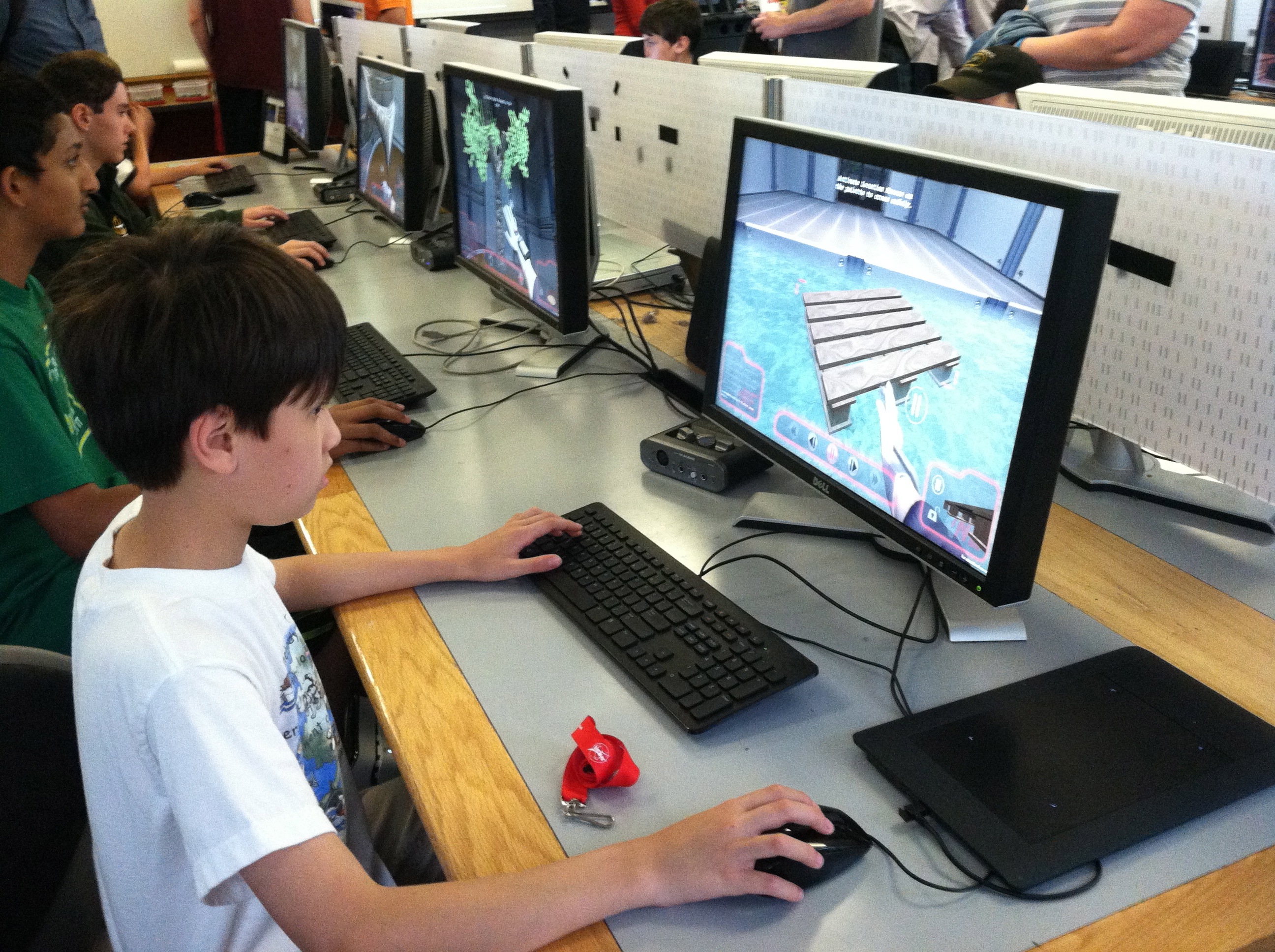
Weather reporters have to give out a lot of information. That's why they use pictures. The pictures help them tell us about the weather without using so many words. Weather reporters need to know where the cold air is. They need to know where the warm air is. They have to know where it is raining and what types of clouds are in the area. Their reports need to be correct, but they also need to be short. The pictures help weather reporters get the information out in a fast way.

Which sentence best describes the main idea of the paragraph?

a)

Weather reporters need to know where the cold air is

b)

Pictures help weather reporters get information out in a fast way

c)

Their reports need to be correct, but they also need to be short

d)

They have to know where it is raining and what types of clouds are in the area

3.

Soccer is known in some countries as football. It is a popular sport across the world, with over 200 countries playing the sport. It is estimated that over 250 million people, both men and women, play soccer. The sport has been part of the Olympic games from 1900 to 1928 and from 1936 to today.

What is the main idea?

a)

Soccer is important at the Olympics.

b)

Soccer is also called football.

c)

Soccer is a worldwide sport.

d)

Soccer is played by men and women.

4.

Do you ever wonder how you taste things? You owe your sense of taste to your taste buds. We have 9,000 taste buds just on the tongue alone. There are also taste buds on the roof of your mouth. You even have taste buds on the back of your throat.

What does the author want you to learn from the passage?

a)

Why we can taste only certain things.

b)

That we taste through our noses

c)

Where taste buds are found

d)

We have taste buds on our tongues

5.

Ali volunteered at the animal shelter for three months. He learned a great deal about raising kittens and training them. Every time he learned something new, he practiced it. He also told his parents about what he was learning. He wanted to persuade them that he could be trusted with a kitten of his own. One afternoon, Dad picked Ali up from volunteering and asked him how the day went.

“Oh, it went great,” Ali answered enthusiastically. “They even let me help introduce the cats to people who want to adopt them!”

“That’s terrific!” Dad answered with a grin. “I’m so glad you’re getting this experience. You’ll need it for our new kitten!”

“We’re getting a kitten?” Ali practically shouted. “That’s awesome! I can’t wait!”


Which question would help readers monitor their reading and understand the text?

a)

Does Ali have a sister?

b)

What do cats eat?

c)

Will Ali get to have a kitten of his own?

d)

What is the weather outside?

6.
A fact is a statement that is true and can be verified objectively, or proven.
a)
True
b)
False
7.
An opinion, however, is a statement that holds an element of belief; it tells how someone feels. 
a)
True
b)
False
8.
Your birthday comes only one day a year.
a)
Fact
b)
Opinion
9.
Monday, Wednesday, and Friday are weekdays.
a)
Fact
b)
Opinion
10.
The talent show will begin at 8 p.m.
a)
Fact
b)
Opinion
11.
A black bear is the most interesting animal in the forest.
a)
Opinion
b)
Fact
12.
Autumn is the most beautiful season of all.
a)
Opinion
b)
Fact
13.
Sharks are ocean animals
a)
Opinion
b)
Fact
14.
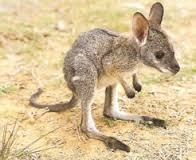
When they are born, baby kangaroos are only about an inch long.
a)
Fact
b)
Opinion
15.
Elephants are the best animals.
a)
Fact
b)
Opinion
16.
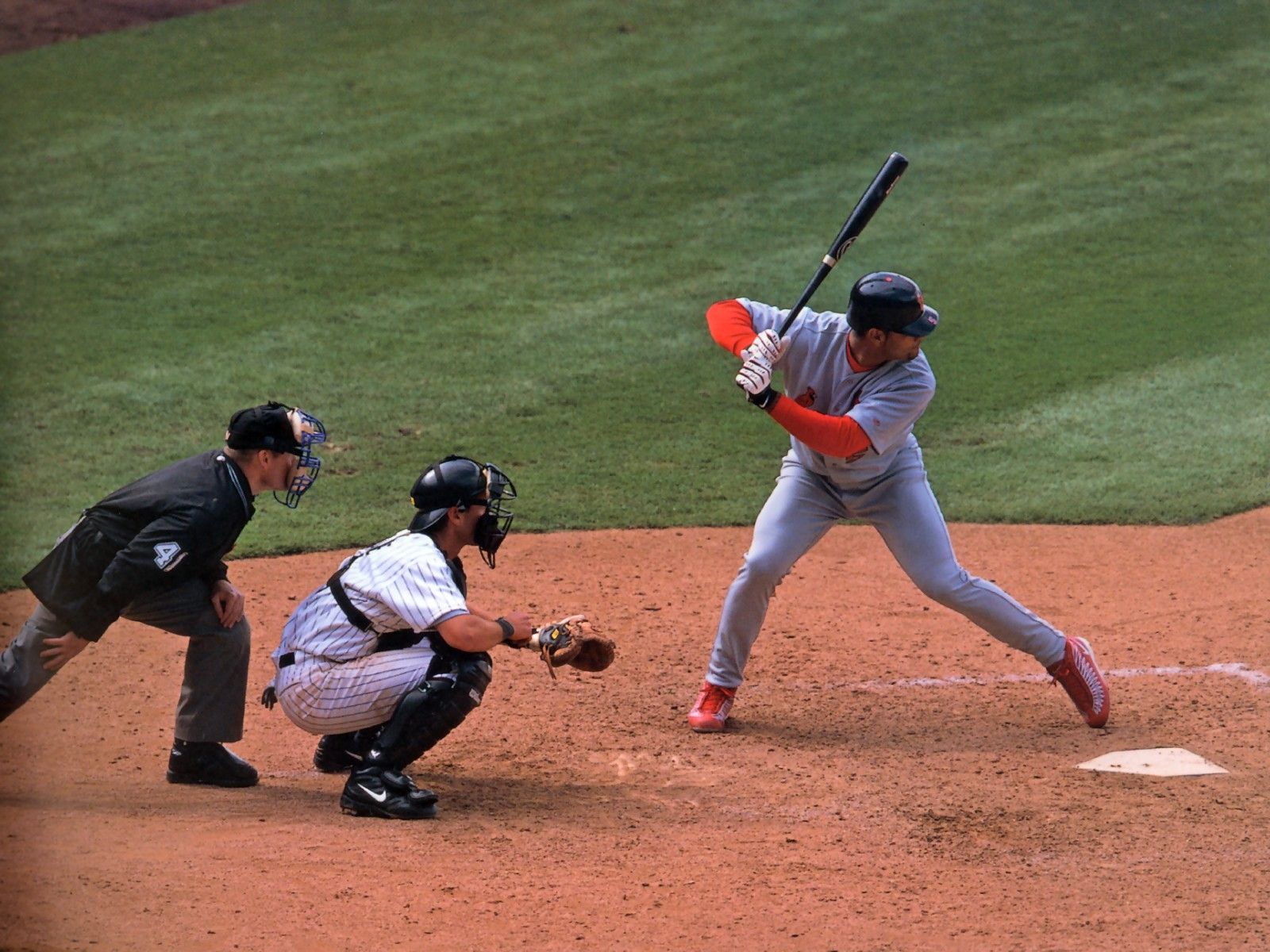
Baseball is the best game ever played.
a)
Fact
b)
Opinion
17.
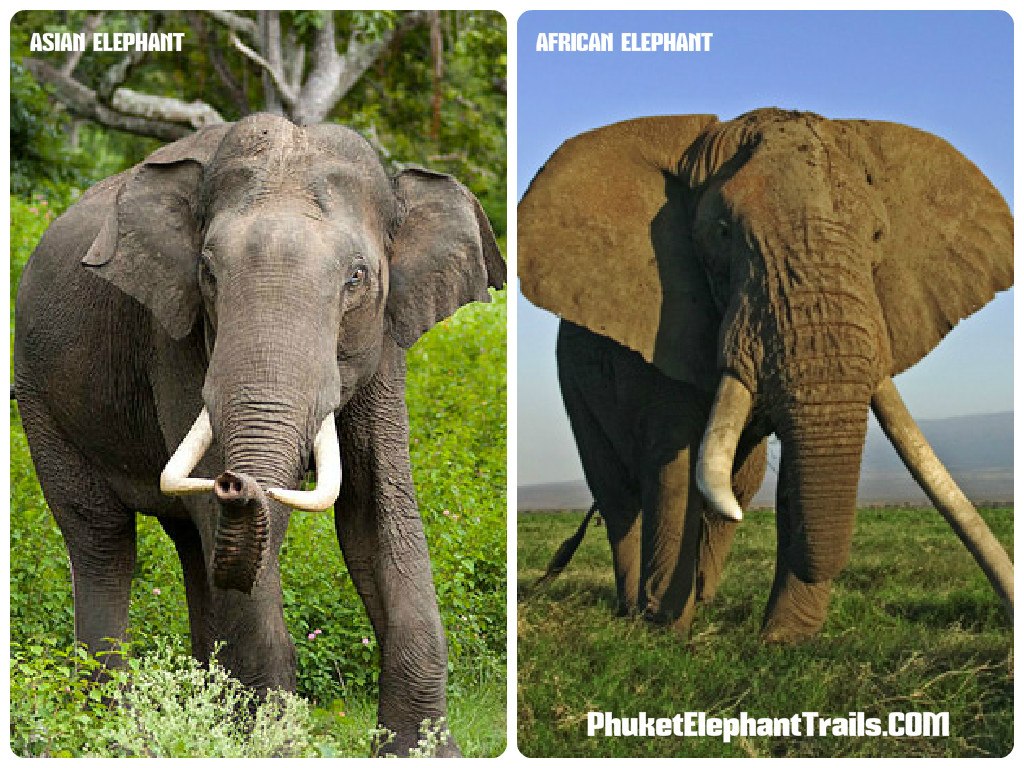
African elephants have larger ears than Asian elephants.
a)
Fact
b)
Opinion
18.
Fact or opinion?
Monday was a beautiful day!
a)
Fact
b)
Opinion
19.
Fact or opinion
3X5 =15
a)
Fact
b)
Opinion
20.
Computer games quickly become boring.
a)
Fact
b)
Opinion
21.
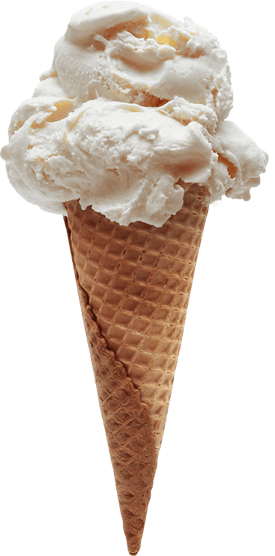
Ice cream is the best kind of dessert. Everyone should love it!
a)
fact
b)
opinion
22.
An island is completely surrounded by water.
a)
fact
b)
opinion
23.
Zebras have stripes.
a)
fact
b)
opinion
24.
Spelling is something that you study in school.
a)
Fact
b)
Opinion
25.
McDonalds sells  hamburgers and french fries.
Is this sentence a fact or an opinion
a)
fact
b)
opinion
26.

CAUSE:

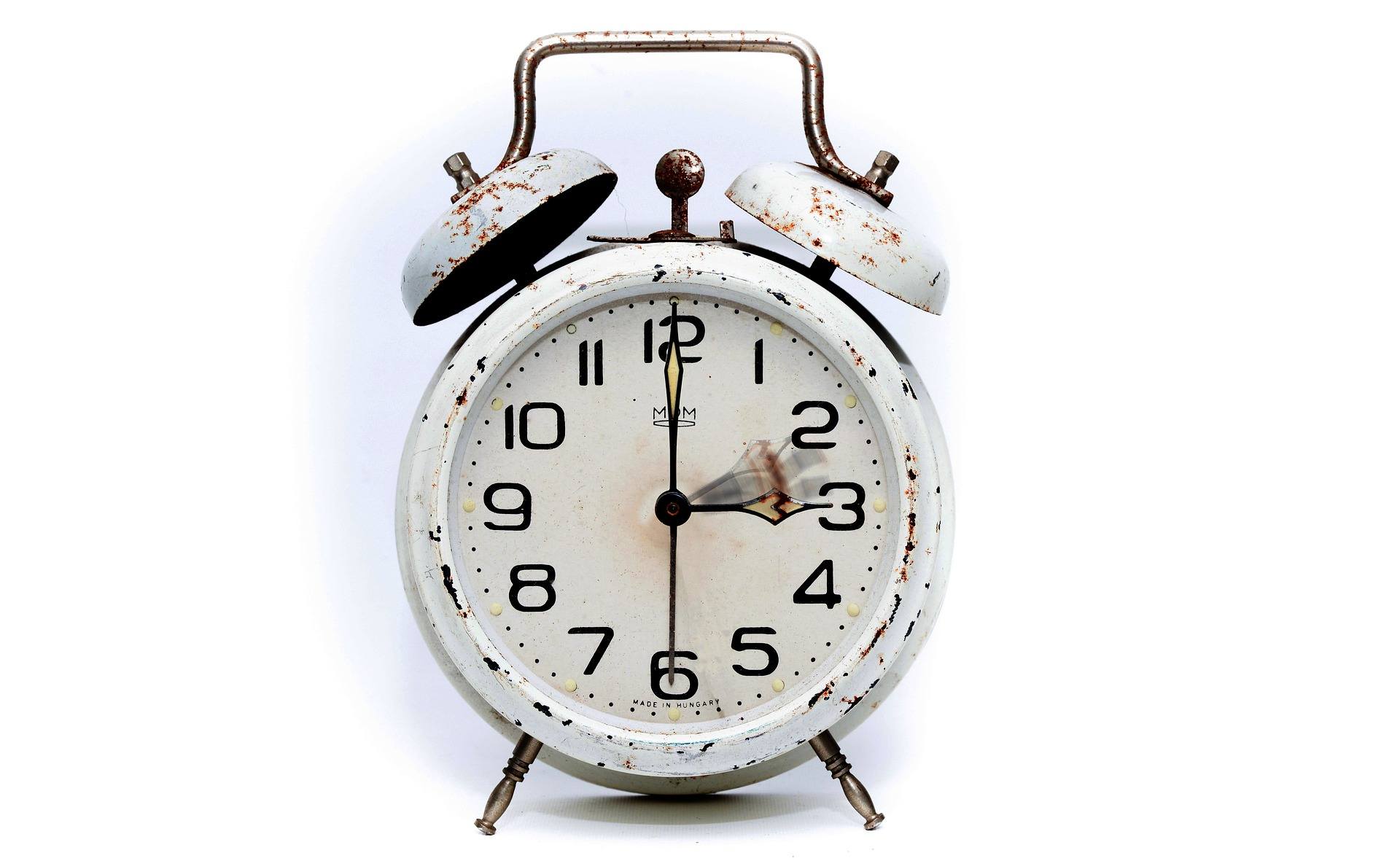
My alarm clock did not go off this morning, so...

a)

I ate a big breakfast.

b)

I was late for work.

27.

What is the cause in this sentence?

Because it rained, I got soaked.

a)

it rained

b)

I got soaked

28.

What is the cause in this sentence?

Since I got straight A's, my parents took me out to dinner.

a)

My parents took me out to dinner

b)

I got straight A's

29.

What is the effect in this sentence?

Due to peanut allergies, students aren't permitted to bring in baked goods.

a)

peanut allergies

b)

students aren't permitted to bring in baked goods

30.

What is a cause?

a)

The result of something happening

b)

The last thing that happened

c)

Something that causes something else to happen

d)

Something that happens

31.

What is an effect?

a)

Something that causes something else

b)

What happens because of a cause

c)

The first thing that happens

d)

Something that happens

32.

Which happens first: cause or effect?

a)

Cause

b)

Effect

33.

Cause: My brother added lots of sugar to his drink.

Effect:

a)

It was too sour to drink.

b)

It was too sweet to drink.

c)

He broke the cup.

d)

He had to clean the dishes.

34.

Cause:

Effect: I got in trouble.

a)

I gave my mom a rose I picked.

b)

I did my homework after school.

c)

I cleaned my room.

d)

I lied to my mom.

35.

Cause:

Effect: The plant died.

a)

The plant did not get enough water.

b)

The girl took care of the plant.

c)

The plant got plenty of sun.

d)

The plant was pretty.

36.

Cause: My dad picked corn from the garden.

Effect:

a)

We had dinner at a restaurant.

b)

We had some corn with dinner.

c)

I finished my homework before dinner.

d)

I had to clean the dishes after lunch.

37.

Cause: Jill left a glass of water outside when it was very cold.

Effect:

a)

The glass turned blue.

b)

It turned into orange juice.

c)

The water was poured out.

d)

The water froze.

38.
Name the red part of the sentence.
Brandon misplaced his drumsticks, so he was unable to play in the concert.
a)
Cause
b)
Effect
39.
What would be the most likely CAUSE of someone laughing?
a)
eating ice cream
b)
someone telling a joke
c)
drinking water
d)
sorting laundry
40.
What would be a possible EFFECT of a student not studying for a test?
a)
The student doing very well on the test
b)
The student doing very badly on the test
c)
The student doesn't have to take the test
d)
The teacher smiles
41.

Forest fires sometimes begin through natural events. Very little rainfall and dry forests are ideal situations for fires to start. All it takes is a lightning strike, sparking a fire that can destroy the entire forest. Often, forest fires are so large that firefighters can't stop them, and these fires sometimes threaten homes and businesses. Then, people are forced to flee the fire and hope that their property isn't destroyed.


Based on this passage, what is the initial cause of some forest fires?

a)

a lightening strike

b)

little rainfal

c)

campfires

d)

dry forests

42.

Suri and Dawson are rock climbing. Suri decides to attempt a new skill she has learned. At first, she is successful, but then she loses her grip and falls. Suddenly, the safety ropes catch her, but she smashes her hand on the rock.


What is the effect of Suri's fall?

a)

Suri decides to try a new skill.

b)

Suri smashes her hand.

c)

At first, she is successful.

d)

Suri is rock climbing.

43.

One reason streams become polluted is storm water runoff. When rain or melted snow runs off, it carries trash from sidewalks and streets with it. These pollutants flow into storm sewers or directly into a lake, stream, or river. Then, bacteria from the trash spread to create health hazards. The trash itself can choke and suffocate ducks, fish, turtles, and birds. Used motor oil, paint, and insecticides can poison fish.


According to this passage, which of the following is caused by storm water runoff?

a)

Swimming pools fill up.

b)

Snow melts and runs off.

c)

Trash chokes ducks, fish, and turtles.

d)

People leave trash on sidewalks and streets.

44.

Because Amelia was determined to be a famous actor one day, she auditioned for every school play, signed up for after-school acting classes, and subscribed to a special magazine for actors.


What causes Amelia to audition for school plays, sign up for acting classes, and subscribe to an acting magazine?

a)

her determination to be a well-known actor

b)

her dream of being rich one day

c)

her determination to get the lead in the school play

d)

her willingness to try new activities

45.
Little Johnny Wiggins fell down a well on the farm.  His family looked for him.  Finally, at sundown, Mr. Wiggins found Johnny.  He had been trapped in the well for three hours.
CAUSE: Johnny Wiggins fell down a well.
What was the EFFECT?
a)
He was trapped for three hours.
b)
His mother found him at sundown.
c)
He was visiting the farm.
46.
An alphabetical list of important words in a book and their meanings.
a)
Table of Contents
b)
Glossary
c)
Index
47.
A picture, usually a drawing, that has labels to identify it's parts. 
a)
Diagram
b)
Heading
c)
Caption
48.
This page, located in the back of a book, is an alphabetical list of topics (and the page numbers) found in a book.
a)
Glossary
b)
Sidebar
c)
Index
49.
Making a word stand out as important by using bold or italic print.
a)
Caption
b)
Special type
c)
Glossary
50.
A title at the top of the page, or the beginning of a new chapter or section.
a)
Definition
b)
Heading
c)
Index
51.
Pictures taken with a camera to show objects as they appear in real life.
a)
Diagram
b)
Drawing
c)
Photograph
52.
A list of chapters in a book and the page numbers where each chapter starts.
a)
Index
b)
Table of Contents
c)
Glossary
53.
Small text found near a picture that gives important information about the picture.
a)
Caption
b)
Glossary
c)
Photograph
54.
Words or phrases that divide the text into smaller parts. 
a)
Subheading
b)
Heading
c)
Title
55.
A way to present information in a visual way.
a)
Graph
b)
Caption
c)
Glossary
56.
What is this nonfiction text feature?
a)
Chart
b)
Heading
c)
Sidebar
57.
 A picture or geographical representation of the Earth's surface.
a)
Graph
b)
Map
c)
Diagram
58.

Which text feature is used in the sentence below?

A Latin term meaning bird is avis.

a)

font styles

b)

index

c)

charts and graphs

d)

captions

59.

A city planner wants to identify a trend in new home construction in the closest suburbs. He wants to track building over ten years. What text feature will he use to show his results?

a)

font styles

b)

index

c)

charts and graphs

d)

captions

60.

A researcher is looking through an old textbook and encounters the word oligarchy in italics. He doesn't know the meaning of the word. Where in the book might he find the definition?

a)

headings and subheadings

b)

table of contents

c)

glossary

d)

diagrams

61.

While reading a science textbook a student finds the term allotrope. He doesn't know what it means. Where should he look?

a)

headings and subheadings

b)

table of contents

c)

glossary

d)

diagrams

62.

Which text feature is demonstrated below?


Cause of World War II

Following WWI, Germany was burdened with tremendous debt. The economy was slow to recover, and many cities lay in ruins. The Treaty of Versailles required that Germany repay France and other nations over 100 billion Marks.


Hyperinflation

Germany struggled to repay its debt. One solution was to print money at an alarming rate. This resulted in hyperinflation and caused the value of the German Mark to plummet.

a)

diagrams

b)

table of contents

c)

glossary

d)

headings and subheadings

63.

Which text feature is intended to provide a brief description of what appears in a photo or drawing?

a)

font styles

b)

index

c)

charts and graphs

d)

captions

64.

Brenda has purchased a book about the Titanic. She wants to see if there is a section about the building of the ship. Where should she look?

a)

headings and subheadings

b)

table of contents

c)

glossary

d)

diagrams

65.

Sandra has a book about the history of the British Royal families. She wants to find all the references to Queen Victoria in the book. Where should she look?

a)

font styles

b)

index

c)

charts and graphs

d)

captions

66.

Marisol has added a photo of a famous speech to her paper on Civil Rights. What text feature should she use to identify the speaker in the photo?

a)

font styles

b)

index

c)

charts and graphs

d)

captions

67.

Cassie has designed a new kind of light bulb that she believes will be energy efficient and less expensive. She wants to patent the design so that others can't copy it. She needs to draw a picture of the light bulb and explain the key components. Which text feature will she use?

a)

headings and subheadings

b)

table fo contents

c)

glossary

d)

diagrams

68.

Where should a reader look to find the identity of people in a photograph in a newspaper or online article?

a)

font styles

b)

index

c)

charts and graphs

d)

captions

69.

A student wants to illustrate a cross section of the largest pyramid in Egypt and label the different chambers in the pyramid. Which text feature should she use?

a)

headings and subheadings

b)

table of contents

c)

glossary

d)

diagrams

70.

Which text feature is used in the sentence below?


The key words in this chapter include segregation, Apartheid, and discrimination.

a)

font styles

b)

index

c)

charts and graphs

d)

captions

71.
What is the name of this nonfiction text feature?
a)
Index
b)
Table of Contents
c)
Label
72.
How does the table of contents help a reader?
a)
find the right book.
b)
read more words.
c)
find parts of the book quickly.
73.
What part of a book is the table of contents found in?
a)
front of the book.
b)
middle of the book.
c)
back of the book.
74.
The words that tell about this photograph are called the 
a)
bold print
b)
caption
c)
label
75.
What is the name for the dark printed words shown?
a)
bold print.
b)
labels.
c)
diagram.
76.
Where is the glossary located in a nonfiction book?
a)
front of the book.
b)
middle of the book.
c)
back of the book.
77.
Name one of the labels in this diagram
a)
hat
b)
vest
c)
scarf
78.
Labels help a reader to
a)
understand where to find a chapter.
b)
understand the meaning of a word.
c)
understand parts of a picture.
79.
Which nonfiction text feature is shown?
a)
 table of contents.
b)
index.
c)
bold print.
80.
What part of a nonfiction book can you find the index in?
a)
Front
b)
Middle
c)
Back
81.
An index helps a reader to
a)
quickly find the pages for topics in the book.
b)
understand the bold print words.
c)
quickly read the book.
82.
A reader reads nonfiction to
a)
be entertained.
b)
learn new things.
c)
meet new characters.
83.
What is the name of this nonfiction text feature?
a)
Illustration 
b)
Diagram
c)
Photograph
84.
How does a photograph help a reader?
a)
Helps you to see what the real topic looks like.
b)
Helps you understand the bold words.
c)
Helps you find your way around the book.
85.
  A drawing of a place is called a 
a)
map
b)
globe
c)
label
86.
A real-life picture taken with a camera
a)
photograph
b)
captions
c)
diagrams
d)
headings
87.
The table of contents will..?
a)
Give you the definition of an important word
b)
Tell you where to find important words
c)
Explain what the photograph is about
d)
List the chapters
88.

Tells the name of the entire book...

a)

A table

b)

An index

c)

A heading

d)

A title page

89.
Which text feature would help me find the meaning of words?
a)
glossary
b)
table of contents
c)
index
d)
headings
90.
Is the glossary in the front, back, or throughout a book?
a)
front
b)
back
c)
throughout
d)
none
91.
Is the Table of Contents found in the front, back, or throughout a book?
a)
front
b)
back
c)
throughout
d)
none
92.
Shows you new or important words in darkened print
a)
Label
b)
Italics
c)
Bold
d)
Glossary
93.
Is the index found in the front, back, or throughout a book?
a)
front
b)
back
c)
throughout
d)
none
94.
Tells you exactly what page to find things in the book. 
a)
Table
b)
Timeline
c)
Glossary
d)
Index
95.
Nonfiction books 
a)
are real information
b)
are information written just for fun
c)
have illustrations
d)
don't exist
96.

Tells the name of the nonfiction article

a)

A table

b)

An index

c)

A heading

d)

A title

97.

Tells the name of a nonfiction article

a)

heading

b)

subheading

c)

title page

d)

caption

98.
This feature informs the reader of important words/vocabulary found within the paragraph.
a)
Glossary
b)
Bold words
c)
Captions
d)
Table of contents
99.

This feature will list the important words in alphabetical order and give you the page number to find the word.

a)

Index

b)

Table of contents

c)

Glossary

d)

Diagram

100.
This feature explains what the illustration/photograph is.
a)
  Glossary
b)
Index
c)
Table of contents
d)
Caption
101.
There is a list of words in the book that tell me the meanings of some of the words I didn't know.  This is called a
a)
index
b)
table of contents
c)
glossary
d)
bold words
102.
A ____________would help me find the page to read about blizzards.
a)
index
b)
table of contents
c)
glossary
d)
title
103.
This is an example of a ___________?
a)
Index
b)
Table of contents
c)
Chart/Graph
d)
Caption
104.

Text Structure: Gives events in chronological order

a)

Problem & Solution

b)

Cause & Effect

c)

Description

d)

Sequence

e)

Compare & Contrast

105.

Text Structure: Describes what happened and why.

a)

Problem & Solution

b)

Cause & Effect

c)

Description

d)

Sequence

e)

Compare & Contrast

106.

Text Structure: how things are different and the same

a)

Problem & Solution

b)

Cause & Effect

c)

Description

d)

Sequence

e)

Compare & Contrast

107.

Text Structure: an author introduces a problem, then explains how somebody solved it

a)

Problem & Solution

b)

Cause & Effect

c)

Description

d)

Sequence

e)

Compare & Contrast

108.

Text Structure: describes the topic and its characteristics.

a)

Problem & Solution

b)

Cause & Effect

c)

Description

d)

Sequence

e)

Compare & Contrast

109.

Why the writer is writing and what the writer wants the reader to do with the text

a)

Summary

b)

Topic

c)

Supporting details

d)

Purpose

110.

A brief (1-2 sentence) statement about the main points.

a)

Summary

b)

Topic

c)

Supporting details

d)

Purpose

111.

facts that back up the main idea.

a)

Summary

b)

Topic

c)

Supporting details

d)

Purpose

112.

Central Point - It is the most important thought about the subject.

a)

Main Idea

b)

Topic

c)

Supporting details

d)

Purpose

113.

The subject discussed in a text.

a)

Main Idea

b)

Topic

c)

Supporting details

d)

Purpose

114.

Which of these is not an nonfiction text feature?

a)

diagram

b)

table of contents

c)

a solution to a problem

d)

glossary

115.

In what part of a nonfiction book can you the table of contents?

a)

In the back of the book

b)

In the front of the book

c)

Anywhere!

116.

What is the difference between fiction and nonfiction?

a)

Nonfiction is a made up story.

b)

Fiction teaches us facts that are true.

c)

Fiction has photographs and nonfiction only has illustrations.

d)

Nonfiction is factual information about a topic.

117.
Soccer players learn many skills when playing soccer.  Soccer players learn how to dribble and pass the ball.  They also learn how to control the ball so they can eventually score.  Most importantly, soccer players learn how to work together with their teammates.
What is the main idea?
a)
They also learn how to control the ball so they can eventually score.
b)
Soccer players learn how to dribble.
c)
They learn how to work together as teammates.
d)
Soccer players learn many skills when playing soccer.
118.
able to be verified through facts and evidence
a)
Inference
b)
Explicit
c)
Objective
d)
Objective Summary 
119.
There are many fun things to do at the beach.  Swimming is one thing that can be done at the beach.  Snorkeling is another thing that can be enjoyed.  Playing beach volleyball can be a lot of fun.  It is also fun to look for shells.  Some people simply like to sunbathe.
What is the main idea?
a)
There are many fun things to do at the beach.
b)
It is also fun to look for shells.
c)
Some people simply like to sunbathe.
d)
Going to the beach to swim can be fun.
120.
Soccer players learn many skills when playing soccer.  Soccer players learn how to dribble and pass the ball.  They also learn how to control the ball so they can eventually score.  Most importantly, soccer players learn how to work together with their teammates.
What is the main idea?
a)
They also learn how to control the ball so they can eventually score.
b)
Soccer players learn how to dribble.
c)
They learn how to work together as teammates.
d)
Soccer players learn many skills when playing soccer.
121.
John and Matt want to be firemen.  They want to ride on the big fire truck.  John wants to climb ladders and rescue people from fires.  Matt wants to hold the big hose and spray water on the fires to put them out.
What is the main idea?
a)
John wants to climb a ladder.
b)
John and Matt want to be firemen
c)
Matt wants to hold a fire hose.
d)
They want to ride on the big fire truck.
122.
Jenny visited her grandmother in the hospital.  She saw how kind and helpful the nurses were to her grandmother.  Now she wants to be a nurse when she grows up.  She wants to help sick people get well. 
What is the main idea?
a)
Jenny got sick.
b)
Jenny wants to be a nurse.
c)
Her grandmother was in the hospital.
d)
Jenny was glad the nurses were being kind to her grandmother.
123.
Mrs. Jones and Mrs. Brown are bakers.  They work at a store called Bake Goods to Go.  Mrs. Jones works nights.  She bakes cakes, cookies, and pies.  Mrs. Brown works in the daytime.  She bakes bread and rolls.  Both Mrs. Jones and Mrs. Brown are very good bakers.
What is the main idea?
a)
Mrs. Jones bakes pies.
b)
Mrs. Brown bakes rolls.
c)
Mrs. Jones and Mrs. Brown are bakers
d)
They work at a store called Bake Goods to Go.
124.
Mary has a new pet.  Her pet is a baby kitten.  It is soft and cuddly.  The kitten likes to sleep a lot.  Mary put a soft blanket in a box for its bed.  Mary plays with her kitten when it is awake.  She never forgets to feed her kitten.
What is the main idea?
a)
The kitten sleeps a lot.
b)
Mary plays with her kitten
c)
Mary’s new pet is a kitten.
d)
Mary want a new pet.
125.
The frog sat on the side of the pond.  He was very still.  His green color made him hard to see.  A bug flew near him.  His tongue zipped out, and he gobbled it up.  Then the frog was still again.  He waited for the next bug.
What is the main idea?
a)
Frogs are green .
b)
Frogs eat bugs.
c)
Frogs do not move.
d)
Frogs live in ponds.
126.
It was backward day at school.  The students had to do things backward.  Some of them wore their T-shirts backward.  They took a test before they studied the lesson.  Dessert was served first instead of last.  They tried to walk home backward, but they bumped into each other and fell down. 
What is the main idea?
a)
Dessert is supposed to come last.
b)
The students had a backward day.
c)
It is hard to do things backward.
d)
Students failed their tests.
127.
Jon held the ball in his hands.  He bounced it slowly on the ground.  Once. Twice. He crouched low and then jumped.  The ball flew into the air.  Up, up, up, it went.  Then down, down, into the basket.  “Yes!” he yelled.  “Nothing but net!”
What is the main idea?
a)
How to throw a basketball.
b)
Jon could jump.
c)
Jon liked basketball.
d)
Jon makes a basket.
128.
Many people have not heard giraffes make noises.  Giraffes do not use sounds to “talk” with each other.  When hurt, giraffes make a low moo, something like a cow.  When frightened, they make a short, high sound.
What is the main idea?
a)
Giraffes do make noises
b)
Giraffes talk all the time.
c)
Cows and giraffes talk to each other.
d)
Lots of people have heard giraffes talk.
129.
Mark wanted to be a great skater. But he didn't want to spend the hours practicing. He wished he could just do the tricks easily. Mark's dream was to have everyone stop and stare when he entered the skate park. He  wanted them to say, "Mark is the best skater in the whole world."
What is the main idea?
a)
Mark wants everyone to think he's a great skater without doing the hard work.
b)
Mark practices very hard to become a great skater.
c)
Mark is the best skater at the park.
d)
Mark wants to learn how to skate so he can compete.
130.
If you are feeling sad, you can make yourself feel better by doing a few simple things. You can take a walk (or get another form of exercise), you can talk to a friend, or you can write down your feelings. Writing down the good things in your life will help too. Doing something good for someone else will also help you feel better. If you still feel a little sad, act happy. It works like magic to make you feel better!
What is the main idea?
a)
Sometimes people feel sad.
b)
You should do good things for others.
c)
We're not always happy.
d)
There are many ways to make yourself feel better. 
131.
Tom started to reel in his line. The fish tugged and pulled hard. Judging by the weight of his catch, this fish could feed his family for three days. Tom struggled to stay in the boat and not be pulled over the side. Finally his catch came into view. He had snagged a snapping turtle!
What is the main idea?
a)
Tom finds enough food for his family.
b)
Tom gets pulled out of his boat by a huge fish.
c)
Tom didn't catch anything.
d)
Tom catches a snapping turtle while fishing.
132.
I can't wait until this weekend! We’re going to my grandparents’ house and my entire family will be there. I will spend most of my time playing games with my cousins. We always have such a good time together! The day goes by so fast, and by the end we are all exhausted... but we still don’t want to leave!
What is the main idea?
a)
Weekends are times to travel.
b)
The author enjoys spending time with her family.
c)
The author's grandparents live far away.
d)
The author is sad to leave her cousins.
133.
Soccer players learn many skills when playing soccer.  Soccer players learn how to dribble and pass the ball.  They also learn how to control the ball so they can eventually score.  Most importantly, soccer players learn how to work together with their teammates.
What is the main idea?
a)
They also learn how to control the ball so they can eventually score.
b)
Soccer players learn how to dribble.
c)
They learn how to work together as teammates.
d)
Soccer players learn many skills when playing soccer.