
 Worksheets
HOPE 4 Q5
Total questions: 10
Worksheet time: 10mins
It is a sport or activity that involves climbing mountains.
Hiking
Trekking
Camping
Mountaineering
Are specialized headgear designed to protect climbers from potential head injuries during climbing activities.
Climbing Helmet
Full-Body Harness
Climbing Rope
Wire Gate Carabiners
What are climbing ropes?
A versatile type of cord used in various outdoor activities, camping, and general-purpose applications.
Specialized ropes designed for use in rock climbing, mountaineering, and other vertical activities.
Strong and durable flat strip climbing or rigging equipment used in outdoor activities such as rock climbing, mountaineering, or industrial rigging.
A type of equipment used in various activities such as rock climbing, mountaineering, rope access work, and certain forms of aerial arts.
What are full body harnesses?
Metal connectors with a spring-loaded gate that allows for quick and secure attachment and detachment of ropes, slings, and other equipment.
A type of climbing harness that is primarily designed for use in situations where the user will be in a seated or partially seated position for extended periods.
Specialized pieces of climbing equipment used for creating anchors in rock climbing and other climbing disciplines.
A type of personal protective equipment (PPE) used in various high-risk activities to protect the entire body in case of a fall or other hazardous situations.
What image below can be described as any eye protective equipment for outdoor climbing activity?


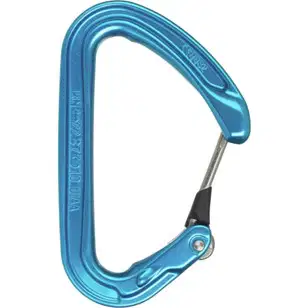
What do you call this equipment shown?
Figure 8
Bolt Hanger
Head Lamp
Carabiner
Which statements below can be classified under psychological benefits of mountaineering?
Mental Health and Stress Reduction: Being in nature, the thrill of overcoming challenges, and a sense of achievement can reduce stress, improve mood, and enhance overall mental well-being.
Flexibility and Range of Motion: Climbing over rocks, traversing narrow ledges, and performing various movements on mountain necessitate flexibility and a wide range of motion.
Balance and Coordination: Mountaineering often involves navigating challenging and uneven terrain, which requires balance and coordination.
Respiratory Health: Climbing at high altitudes requires the body to adapt to lower oxygen levels.
How can you differentiate hiking with mountaineering?
Hiking typically takes place on established trails or path that are well-marked and maintained. Mountaineering, on the other hand, often involves navigating steep slopes, rocky surfaces, glaciers, and potentially hazardous terrain.
Hiking typically requires minimal technical skills and equipment. Mountaineering on the other hand, demands specific technical skills such as ropework, ice climbing, glacier travel, and the use of specialized equipment like crampons, ice axes, harnesses, and ropes.
All of the choices
None of the choices
Hiking is often undertaken for recreational purposes, enjoying nature, and exploring scenic trails. While mountaineering is generally more challenging and goal oriented.
First statement is true, while second statement is false.
First statement is false, while second statement is true.
All statements are true.
All statements are false.
While both hiking and mountaineering involve risks associated with outdoor activities, hiking typically presents greater risks due to the more demanding terrain, exposure to harsh weather conditions, potential for avalanches, and other climbing-specific hazard. The need for specialized skills, knowledge, and safety precautions is more crucial in mountaineering.
First statement is true, while second statement is false.
First statement is false, while second statement is true.
All statements are true.
All statements are false.

