
 Worksheets
Year 9 - Exam Revision
Total questions: 29
Worksheet time: 15mins

Which country is Australia's largest trading partner in 2023?

United States

Japan

China

India
What percentage of Australia's total exports does China account for in 2023?
33%
9.8%
5.5%
3.9%
Which country ranks as the second largest trading partner of Australia in 2023?
South Korea
Japan
United States
India
What has been a global impact of the shortages and disruptions caused by from COVID-19
Decrease in global prices
Increase in inflation
Stabilisation of food prices
Increase in energy sustainability
What is the primary focus of global supply chain management?
To manage the distribution of digital products
To oversee the international trade agreements
To ensure efficient flow of goods across borders
To regulate the prices of commodities globally
Why is global supply chain management particularly important for countries that rely on imports from overseas countries?
It ensures competitive pricing in local markets
It helps in maintaining diplomatic relations
It prevents overproduction of grain
It ensures a stable supply despite geopolitical issues
What does the term "Unemployment" refer to in economic terms?
The percentage of people in a country who are actively looking for work but cannot find it.
The percentage of people in a country who are employed.
The percentage of people in a country who are not eligible to work.
The percentage of people in a country who are retired.
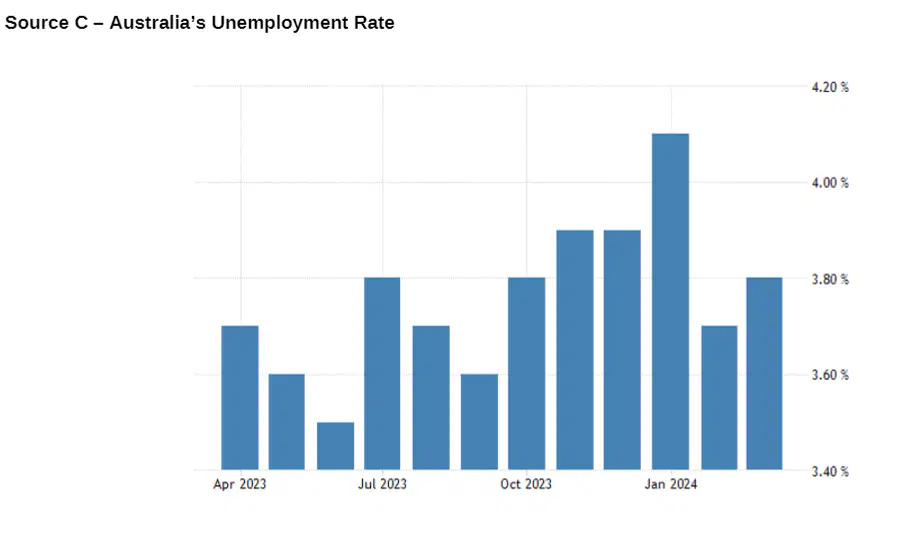
Based on the graph from April 2023 to January 2024, how did the unemployment rate trend in Australia?
It increased steadily.
It decreased steadily.
It showed fluctuations with an overall increase.
It remained constant.
How could a rise in unemployment affect the financial well-being of Australian households?
Enhanced financial security.
Increased financial strain.
More job vacancies.
Reduced expenses on daily needs.
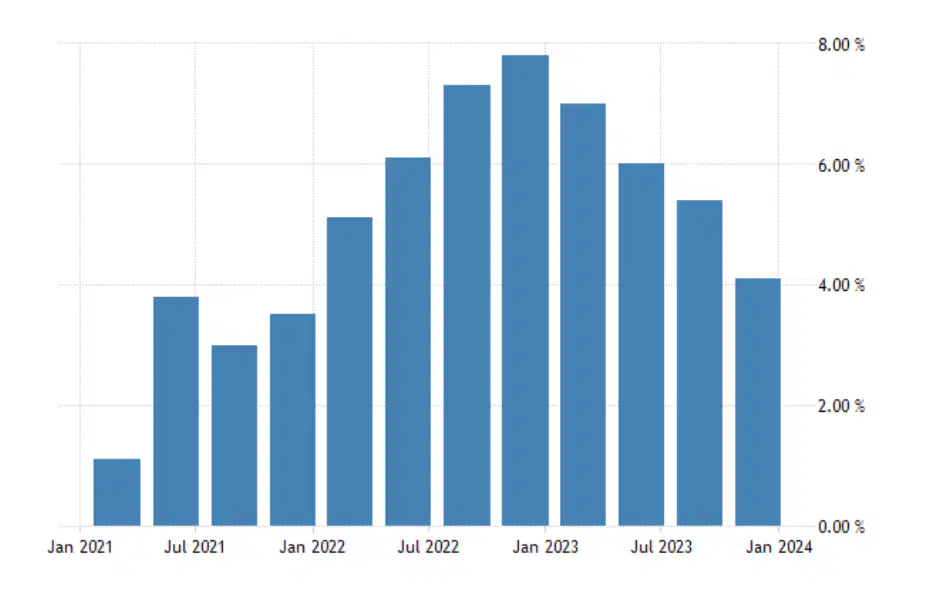
What does the graph indicate about the trend of inflation from January 2021 to January 2024?
Inflation rates steadily decreased.
Inflation rates fluctuated without a clear trend.
Inflation rates steadily increased.
Inflation rates peaked in mid-2023 and then decreased.
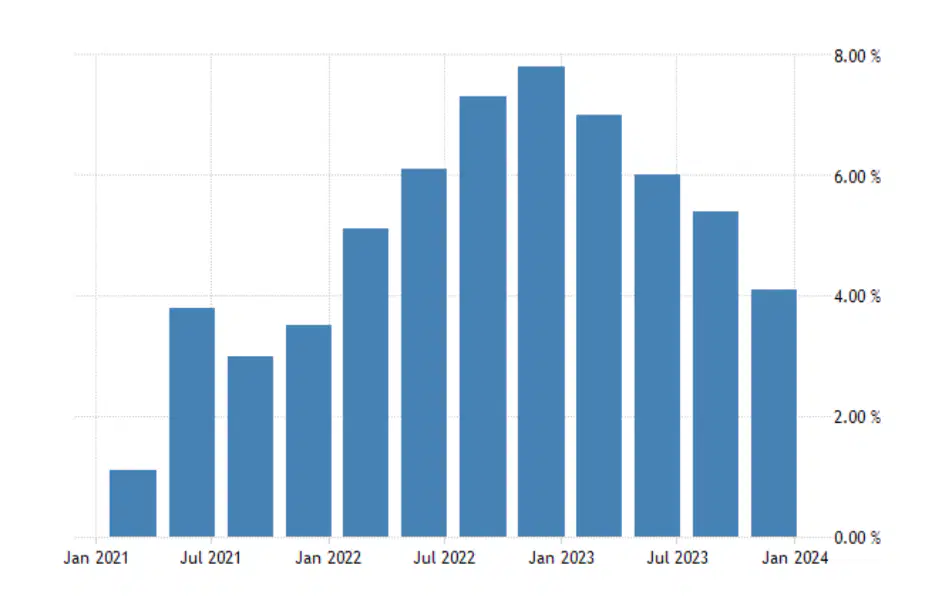
Based on the graph, what was the highest inflation rate recorded and when?
8.0% in July 2023
6.0% in January 2023
4.0% in January 2022
2.0% in January 2021
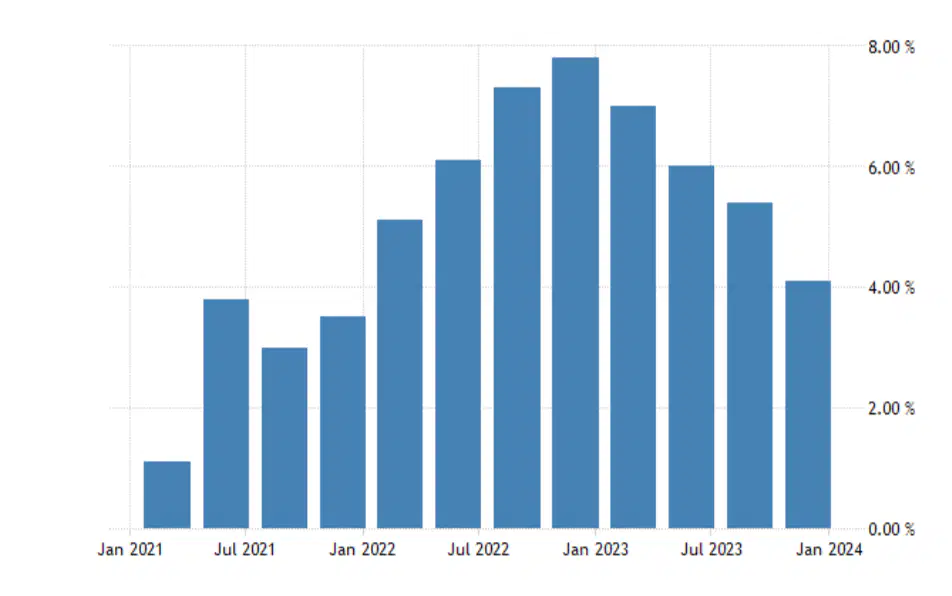
What could be a potential impact on Australian families from the inflation trend shown in the graph?
Decreased cost of living
Increased stability in prices
Increased cost of living
No impact on cost of living
What impact has the rise in unemployment had on the savings rates among Australian households in 2023?
Increased savings due to uncertainty about future employment.
Decreased savings as households spend more to maintain their lifestyle.
No significant change in savings rates.
Increased savings due to higher government benefits.
What role does technology play in managing global supply chains in 2023?
To reduce human labour in logistics.
To enhance communication between suppliers.
To automate inventory management.
All of the above.
A Global Supply Chain is...
The transport of goods or services by some means
The sequence of processes involved in the production and distribution of products and services
The commercial activity of transporting goods
The amount of a product or service available for purchase.
Globalisation can be defined as...
The process of interconnectedness and integration among people, companies and governments worldwide.
Economic transactions made between cities
A change in global climates
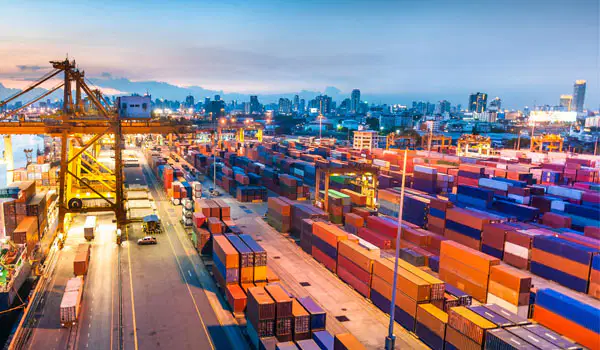
Australia's biggest export in 2023 was...

Wheat

Toilet Paper

Beef

Iron Ore
How has the global supply chain crisis of 2023 affected consumer prices in Australia?
Prices remained stable
Prices decreased slightly
Prices increased significantly
No impact on prices
GDP shows us...
How many people have a full time job in Australia
The amount of money each person makes on average
Australia's total area divided by our total population
The total value of goods and services produced in one year
Identify the WANT...
School workbook
Pen
Uniform
Basketball Shoes
Identify the NEED...
Playstation 5
Mobile Phone
Water
Choc Chip Cookies
Australia's biggest import from China is....
Mobile Phones and Electronics
Vehicles
Furniture
Clothing
What is the impact of inflation on consumer purchasing power?
It has no effect on purchasing power.
It decreases purchasing power.
It increases purchasing power.
It stabilizes purchasing power.
What is the primary reason for the increase in global oil prices in 2023?
Increased production in major oil-producing countries
Decreased demand due to economic slowdown
Technological advancements in oil extraction
Geopolitical tensions in key oil-producing regions
Which sector in Australia is most likely to benefit from a decrease in interest rates?
Real estate
Education
Technology
Healthcare
What is a potential consequence of a prolonged trade war between major economies?
Stabilization of international trade
Decrease in unemployment rates
Increased global economic growth
Disruption in global supply chains
What is a potential effect of a decrease in interest rates on consumer spending in Australia?
Decrease in consumer spending
Increase in consumer spending
No change in consumer spending
Decrease in consumer savings
Which factor is most likely to cause a rise in inflation in a country?
Decrease in consumer demand
Increase in production costs
Increase in unemployment rates
Decrease in money supply
How does a strong Australian dollar impact the country's exports?
Makes exports cheaper for foreign buyers
Decreases the demand for imports
No impact on export prices
Makes exports more expensive for foreign buyers

