
Font size
 Worksheets
Properties of Matter, the Atom, and Periodic Table
Total questions: 45
Worksheet time: 2hrs 18mins
The two types of properties used to classify matter are (a) and chemical.
(a) properties change the composition of the substance.
_____ determines whether an object will sink or float in water.
Mass
Weight
Density
Volume


Reactivity is what type of property?
Physical
Chemical

Color
Texture
Taste

Odor

Boiling Point

Reaction with Sulfur (Tarnish)

Reaction with Oxygen (Rust)

Flammability

Acidity or Basicity (pH)
Magnetic Ability

Density

Viscosity
Melting/Freezing Point
When a metal can be pounded into thin sheets, we say it is ___________.
lustrous
malleable
ductile
conductive
When a metal can be made into thin wires, we say it is ___________.
lustrous
malleable
ductile
conductive
When a metal can allow heat or electricity to flow through it, we say it is ___________.
lustrous
malleable
ductile
conductive
Which state of matter are most metals at room temperature?
solid
liquid
gas
degrees
Which of the following metals are magnetic? (Choose all that apply.)
iron
nickel
copper
aluminum
gold
Which of the following materials would make a good conductor of heat and electricity? (Choose all that apply.)
pots and pans
rubber tubing
copper wires
iron nails
a plastic handle
Which change describes a substance that changes shape, form, or appearance but is still the same substance?
physical change
chemical change
What happens when a new substance is produced during a reaction?
physical change
chemical change

Melting ice
physical change
chemical change

Burning wood
physical change
chemical change

mixing baking soda and vinegar
physical change
chemical change

Freezing Juice?
physical Change
chemical Change
Fizzing, foaming, and burning are all examples of
physical change
chemical change
Acid in stomach, breaking down food.
physical change
chemical change

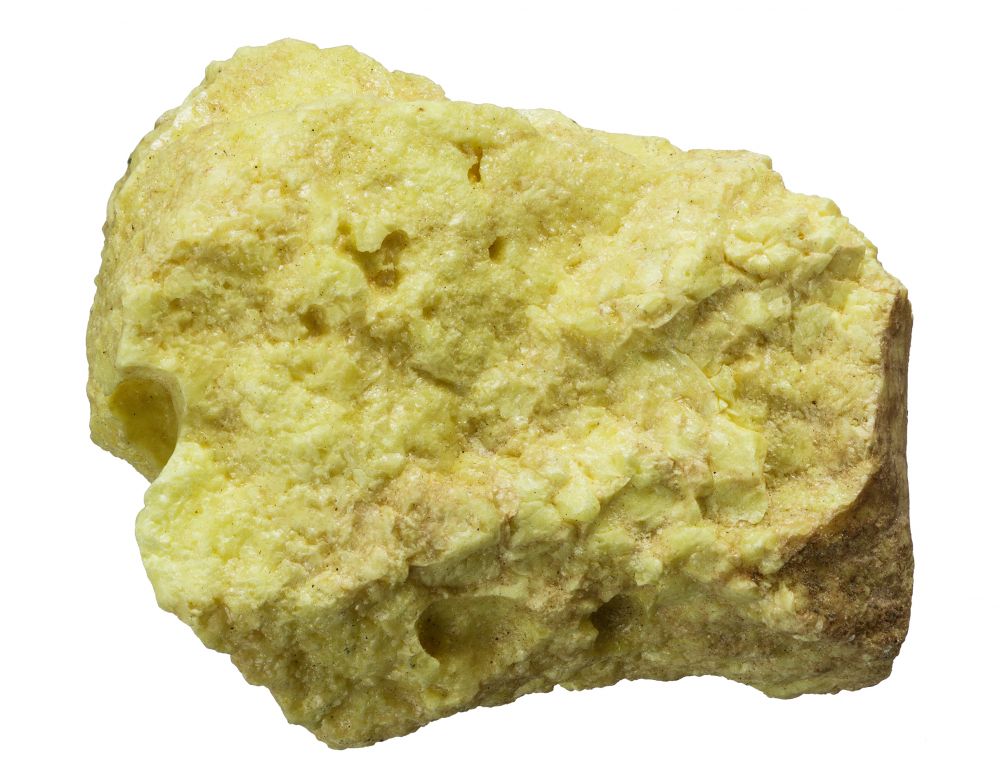
What is the atomic number?
the number of protons
the number of protons and neutrons
the number of neutrons
the number of atoms
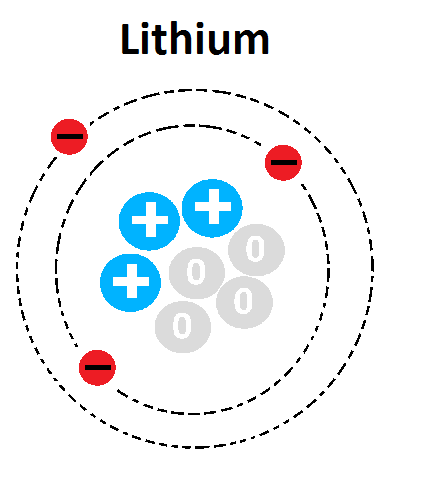
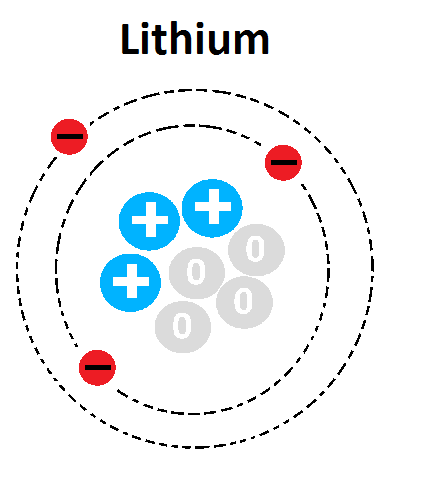
What is the mass number of this atom?
1
3
4
7

The fluorine atom has an atomic number of
19
9


Which element is this?
Nickel
Neon
Sodium
Nitrogen
Iron is a good conductor, it is malleable and it is magnetic. What type of element is Iron?
Metal
Metalloid
Nonmetal
Dull
A student is given a sample of an unknown substance. He is asked to determine if it is classified as a metal, a metalloid, or a nonmetal. He discovered that the unknown element conducted some heat and electricity, had a shiny luster, and broke easily. This element is most likely a
Metal
Nonmetal
Metalloid
Can not be determined
I can be found on the stair-step line on The Periodic Table of Elements.
Metal
Metalloid
Non Metal
I can be found to the right of the stair-step line on The Periodic Table of Elements.
Metal
Metalloid
Non Metal
I can be found to the left of the stair-step line on The Periodic Table of Elements.
Metals
Metalloids
Non Metals
The vertical (up and down) columns in the Periodic Table are called
groups
towers
periods
atomic numbers
Elements in a .................. have similar chemical properties.
period
group
row
Which group of the periodic table is composed of inert (not reactive) gases?
answer choices
alkali metals
alkaline earth metals
halogens
noble gases
Students in Mrs. Clark's science class are investigating a substance that has the following properties
-shiny
-bends easily
-hard, not easily broken
Based on these properties how would you classify the substance?
metal
nonmetal
metalloid

