
 Worksheets
Quiz on History of Architecture & Culture IV
Total questions: 50
Worksheet time: 25mins
What does economic liberalization aim to achieve?
Increase government intervention in the economy
Implement strict regulations on businesses
Reduce competition and innovation
Promote free market principles
Which of the following is NOT a component of economic liberalization?
Deregulation
Nationalization
Trade Liberalization
Privatization
What marked the beginning of India's engagement with the contemporary globalizing world according to Rahul Mehrotra?
Dismantling of socialist economy
Nationalization of major building projects
Implementation of self-imposed economic sanctions
Liberalization of the economy
Which section of Rahul Mehrotra's book focuses on the emergence of new entrepreneurs in southern states of India?
Counter Modernism
Conventional Practice
Regional Modernism
Global Practices
Which architect designed the Infosys Software Development Block 4 in Mysore?
Laurie Baker
Nari Gandhi
Hafeez Contractor
Charles Correa
What is a common approach taken by architects in Regional Modernism in India?
Utilizing materials and techniques suited to local conditions
Neglecting cultural sensitivity
Prioritizing design rooted in the global context
Focusing on Western standards of sustainability
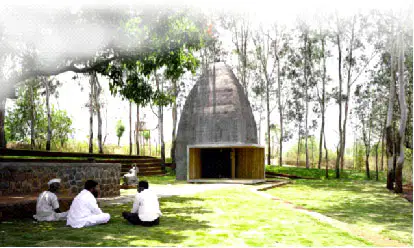
Identify the temple in the picture that depicts counter modernism with the name of its Architect ?
Shiva Temple, Sanjay Puri
Wadeshwar Temple, Sameep Padora
Shiva Temple, Sameep Padora
Swaminarayan Akshardham Temple, Sameep Padora

Identify this building?
Loyola Chapel, Thiruvananthapuram,
Laurie Baker
Indian coffee house, Laurie baker
Loyola Women's Hostel, Sreekaryam, Laurie baker
Centre for Development Studies, Ulloor, Laurie baker
Which architectural style characterized the institutional buildings constructed during the period of British colonialism in India?
Mughal architecture
Modernism
Post-MahaJanapada architecture
Indo-Sarcenic architecture
Who was the British architect responsible for designing significant buildings in New Delhi, such as the Parliament and Secretariat?
Le Corbusier
Sir Edwin Lutyens
Charles Correa
Raj Rewal
Which city in India became a symbol of new architectural ideas in the post-Independence period?
Mumbai
Delhi
Chandigarh
Ahmedabad
What architectural style was perceived as anti-national in the post-Independence period, according to some proponents of revivalism?
Modernism
Indo-Saracenic
Brutalism
Colonial architecture
Which architect is known for blending vernacular elements into modernism, creating a distinct identity for Indian architecture?
Louis Kahn
Le Corbusier
Charles Correa
Raj Rewal
Which architectural style during the post-Independence period in India emphasized the use of exposed brick and concrete?
Indo-Saracenic architecture
Brutalism
Colonial architecture
Postmodernism
What term describes the architectural approach that blends modernism with traditional elements and local context, as seen in Indian architecture?
Internationalism
Neo-Classicism
Critical Regionalism
Postmodernism
Who were key figures in the Modernism movement, emphasizing simplicity, geometric forms, and the use of new materials like steel and glass?
Louis Sullivan and Pierre Chareau
Le Corbusier, Walter Gropius, and Ludwig Mies van der Rohe
Richard Neutra and Frank Lloyd Wright
Pierre Chareau and Walter Gropius
The International Style emphasized which of the following characteristics?
Heavyweight construction using traditional materials
Excessive ornamentation and decorative embellishments
Standardized modular parts and open, free-flowing floor plans
Emphasis on historical precedents and cultural context
Which architect is associated with the concept of "pilotis" as seen in the Villa Savoye?
Pierre Chareau
Walter Gropius
Le Corbusier
Ludwig Mies van der Rohe
The Barcelona Pavilion designed by Mies van der Rohe is known for:
Heavy use of ornamentation and decorative elements
Embracing regionalist styles and traditional building techniques
Showcasing rectilinear forms and an open plan
Using Gothic arches and pointed windows
Which architectural movement emerged as a response to rapid industrialization and social changes in the late 19th and early 20th centuries?
Neoclassicism
Baroque
Modernism
Rococo

Which iconic architectural structure designed by Mies van der Rohe is showcased in the photograph linked below, exemplifying the principles of Modernism and the International Style?
Villa Savoye
Maison de Verre
Barcelona Pavilion
Farnsworth House
Which European powers significantly influenced colonial architecture in India?
Spanish and Italian
British, Portuguese, Dutch and French
German and Russian
Greek and Roman
Which of the following is NOT a characteristic feature of colonial architecture in India?
Geometric Shapes
Symmetry
Central Chimneys
Flying Buttresses
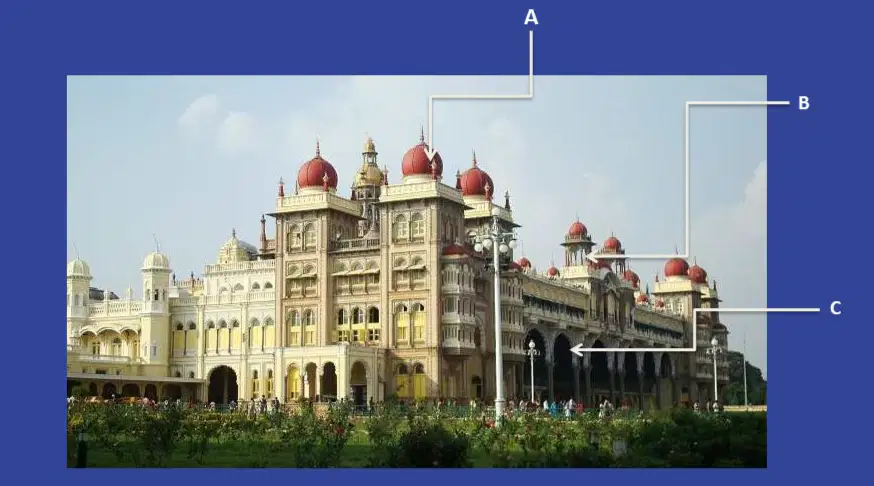
Identify the elements of Indo Saracenic architecture highlighted in the image
A. Bulbous domes
B. Minarets
C. Cusped arches
A. Bulbous domes
B. Domed kiosks
C. Cusped arches
A. Onion domes
B. kiosks
C. Pointed arches
A. Pinnacle
B. Pavilion
C. Four point arches
Which British colonial structure in India is considered an example of Victorian Gothic revival with Indian traditional themes?
Victoria Memorial, Kolkata
Fort William Church, Kolkata
Victoria Terminus Station, Mumbai
Gateway of India, Mumbai
Which European architectural style influenced French colonial architecture in India?
Parisian Style
Gothic Revival
Renaissance
Rococo
Which architectural style was prevalent in Portuguese colonial architecture in India?
Neo-Roman
Baroque
Gothic Revival
Neoclassical
Who was the architect responsible for the design of the Crystal Palace, built for the Great Exhibition in 1851?
Abraham Darby III
Stephen Sauvestre
Joseph Paxton
Gustave Eiffel
What innovation did the designer utilize extensively in the construction of the Crystal Palace?
Brick
Plate Glass
Cast Iron
Marble
Which architectural structure served as the centerpiece of the 1889 Universal Exposition in Paris?
Crystal Palace
Iron Bridge
Great Exhibition Hall
Eiffel Tower
What was the main purpose of the Eiffel Tower when it was built?
To house a cultural exhibition
To serve as a government building
To commemorate the 100th anniversary of the French Revolution
To showcase advancements in transportation
Which of the following technological changes was NOT a characteristic of the Industrial Revolution?
Invention of the printing press
Use of new energy sources such as coal and steam
Use of new basic materials like iron and steel
Introduction of new machines like the spinning jenny and power loom
Identify the TRUE statement about the Iron Bridge in Coalbrookdale?
The bridge was opened to traffic in 1781 and closed after 150 years.
It's 378-tonne bridge with timber joinery replicated in iron
100 ft (30 m) span supported on five cast-iron arches, each made in two halves
All of the above
What architectural style emerged in Europe and America as a result of renewed interest in Classicism, spurred by the excavation of sites like Herculaneum and Pompeii?
Baroque
Neoclassicism
Gothic Revival
Renaissance
Which architectural style was characterized by grandeur of scale, simplicity of geometric forms, dramatic use of columns, and a preference for blank walls?
Gothic Revival
Neoclassicism
Beaux-Arts Architecture
Renaissance
What was one of the key ideas behind Beaux-Arts Architecture?
Minimalist design principles
Eclectic use of materials
Architecture parlante
Organic integration with nature

What distinctive architectural element is evident in the photograph of Brookings Hall at the University of Washington and which architectural style it indicates?
Pointed arch of Gothic Revival
Cornice of Neoclassical Style
Sculptural decoration of Beaux Art Movement
Crenellation of Late Gothic Revival style
Which building, designed by Charles Garnier, epitomizes Beaux Arts architecture and is renowned for its grandiosity and opulence?
The Iron Bridge, Coalbrookdale
Palace of Westminster
Paris Opera house
The Eiffel Tower
What architectural style emerged as a reaction to the perceived godlessness of the industrial world and became the favored style of the Victorian High Anglican church?
Gothic Revival
Renaissance
Baroque
Beaux-Arts Architecture
Which architectural landmark, destroyed by fire in 1834, sparked a debate over whether the new building should be Gothic or Greek, ultimately resulting in a hybrid design blending both styles?
St. Petersburg General Staff Headquarters
Arc de Triomphe
Crystal Palace
Palace of Westminster
Which artistic movement emphasized flowing, natural forms inspired by plants and the natural world, and flourished primarily between 1890 and 1905?
Cubism
Art Deco
Art Nouveau
Constructivism
Art Nouveau was known by different names in various countries. What was its name in Germany?
Glasgow Style
Jugendstil
Modernisme
Purism
Who among the following architects was NOT associated with the Art Nouveau movement?
Charles Rennie Mackintosh
Victor Horta
Otto Wagner
Le Corbusier
Which movement succeeded Art Nouveau and was characterized by sleek, geometric designs and luxurious materials?
Cubism
Art Deco
De Stijl
Constructivism
Who was a prominent artist associated with the De Stijl movement, known for his iconic compositions of grids and primary colors?
Piet Mondrian
Pablo Picasso
Georges Braque
Umberto Boccioni
Which movement emerged in Russia after World War I, emphasizing industrial materials, bold use of primary colors and geometric forms to promote Communist ideals?
Cubism
Purism
Constructivism
Futurism
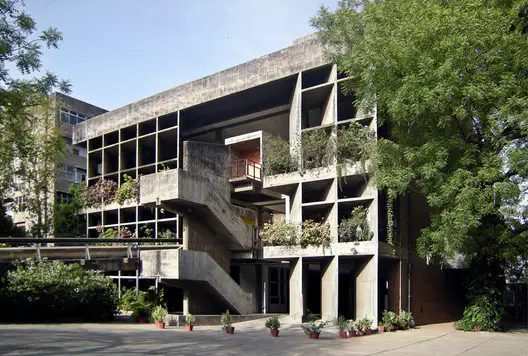
What is the word for Le Corbusier’s invention of sun breaks?
Pilotis
Concrete Brises- Soleil
Jardin sur le toit
Plan d'étage ouvert
Identify the INCORRECT pairing of the art work along with its art movement mentioned along with the picture
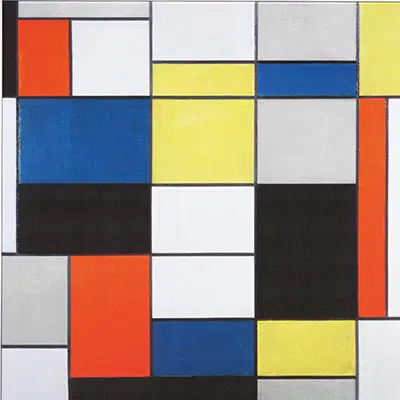
Irregular grid- De stijil
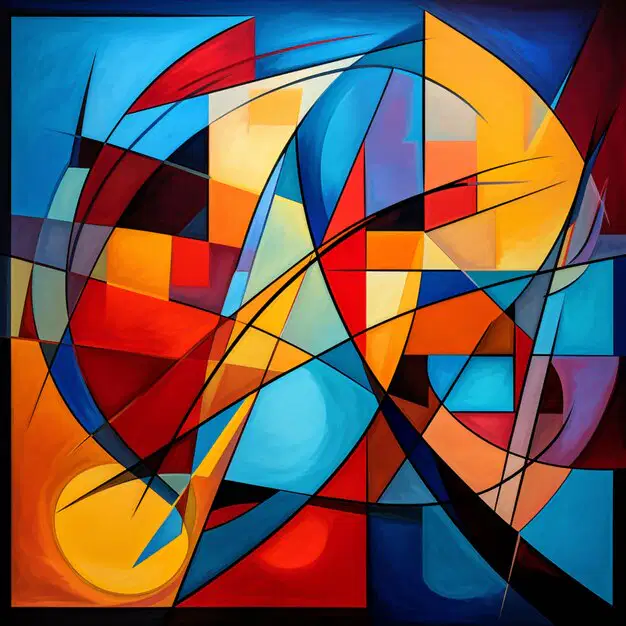
Abstract Forms- Cubism
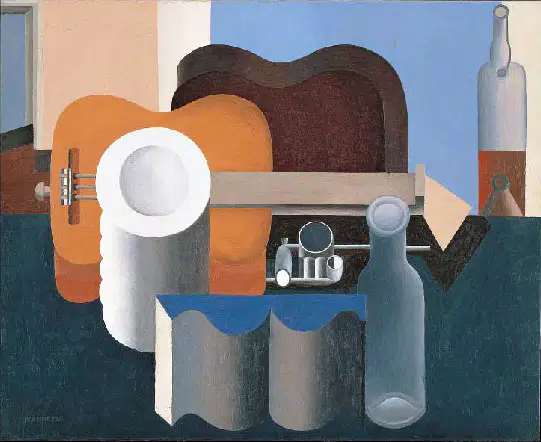
Still life Painting- Purism

Multiple colors- Deconstructivism

Identify the structure and its Architect
Casa Musica, Rem Koolhas
Casa Mila, Antonio Gaudi
Casa Infosys, Hafeez Contractor
Casa Della, Zaha Hadid

Identify the structure and its architect
CCTV Tower, Piet Mondrian
Bank of China Tower, I.M. Pie
SBI, Raj Rewal
CCTV Tower, Rem Koolhaas

