
 Worksheets
Photography Final Exam Study Guide
Total questions: 38
Worksheet time: 13hrs 15mins
Define Pictoral Photograph:
style of contemporary art created from about 1970 onwards.
Photograph that has been altered using artistic manipulation. Photographs look like paintings.
is a style of photography that provides a straightforward and accurate representation of
people, places, objects and events
Photograph that hasn’t been touched but is taken as it is.
Define Documentary photography:
style of contemporary art created from about 1970 onwards.
Photograph that has been altered using artistic manipulation. Photographs look like paintings.
is a style of photography that provides a straightforward and accurate representation of
people, places, objects and events
Photograph that hasn’t been touched but is taken as it is.
Define Straight Photography:
style of contemporary art created from about 1970 onwards.
Photograph that has been altered using artistic manipulation. Photographs look like paintings.
is a style of photography that provides a straightforward and accurate representation of
people, places, objects and events
Photograph that hasn’t been touched but is taken as it is.
Define Postmodern Photography:
style of contemporary art created from about 1970 onwards.
Photograph that has been altered using artistic manipulation. Photographs look like paintings.
is a style of photography that provides a straightforward and accurate representation of
people, places, objects and events
Photograph that hasn’t been touched but is taken as it is.
What are the characteristics of Postmodern?
gradual shift from the abstract forms of the medieval period to the representational forms of the 15th century.
Use of vibrant colors and bold brushstrokes. Abstract, expressive forms and shapes. Exploration of new concepts such as movement, time, and space. Rejection of mainstream values and traditional techniques.
questions the characteristics of modernism by critiquing its ideals
more realistic rendering of the human form, more complex sense of perspective, and use of chiaroscuro effects in light and shading.
What is the characterstics of modern movement?
gradual shift from the abstract forms of the medieval period to the representational forms of the 15th century.
Use of vibrant colors and bold brushstrokes. Abstract, expressive forms and shapes.
Exploration of new concepts such as movement, time, and space. Rejection of mainstream values and traditional techniques.
questions the characteristics of modernism by critiquing its ideals
more realistic rendering of the human form, more complex sense of perspective, and use of chiaroscuro effects in light and shading.
What is the year for gothic and describe the movement?
1907-1914-an art movement that focused on geometric shapes, complex lines, and overlapping planes invented by Picasso and Braque
12th Century -more realistic rendering of the human form, more complex sense of perspective, and use of chiaroscuro effects in light and shading.
1490-1520- gradual shift from the abstract forms of the medieval period to the representational forms of the 15th century.
1860-1970s- Use of vibrant colors and bold brushstrokes. Abstract, expressive forms and shapes.
What is the year for the Renaissance and describe the movement?
1907-1914-an art movement that focused on geometric shapes, complex lines, and overlapping planes invented by Picasso and Braque
12th Century -more realistic rendering of the human form, more complex sense of perspective, and use of chiaroscuro effects in light and shading.
1490-1520- gradual shift from the abstract forms of the medieval period to the representational forms of the 15th century.
1840s- mid nineteenth century artistic movement characterized by subjects painted from everyday life in a naturalistic manner
What is the year for the Realism and describe the movement?
1860-1970s- Use of vibrant colors and bold brushstrokes. Abstract, expressive forms and shapes.
12th Century -more realistic rendering of the human form, more complex sense of perspective, and use of chiaroscuro effects in light and shading.
1490-1520- gradual shift from the abstract forms of the medieval period to the representational forms of the 15th century.
1840s- mid nineteenth century artistic movement characterized by subjects painted from everyday life in a naturalistic manner
What is the year for the Cubism and describe the movement?
1907-1914-an art movement that focused on geometric shapes, complex lines, and overlapping planes invented by Picasso and Braque
1860-1970s- Use of vibrant colors and bold brushstrokes. Abstract, expressive forms and shapes. Exploration of new concepts such as movement, time, and space. Rejection of mainstream values and traditional techniques.
1950s to the late 20th century- questions the characteristics of modernism by critiquing its ideals
What is the year of modern movement and describe it?
1840s- mid nineteenth century artistic movement characterized by subjects painted from everyday life in a naturalistic manner
1860-1970s- Use of vibrant colors and bold brushstrokes. Abstract, expressive forms and shapes. Exploration of new concepts such as movement, time, and space. Rejection of mainstream values and traditional techniques.
1950s to the late 20th century- questions the characteristics of modernism by critiquing its ideals
1907-1914-an art movement that focused on geometric shapes, complex lines, and overlapping planes invented by Picasso and Braque
What is the year of postmodern movement and describe it?
1840s- mid nineteenth century artistic movement characterized by subjects painted from everyday life in a naturalistic manner
1860-1970s- Use of vibrant colors and bold brushstrokes. Abstract, expressive forms and shapes. Exploration of new concepts such as movement, time, and space. Rejection of mainstream values and traditional techniques.
1950s to the late 20th century- questions the characteristics of modernism by critiquing its ideals
1907-1914-an art movement that focused on geometric shapes, complex lines, and overlapping planes invented by Picasso and Braque
What kind of photography did the Kodak Brownie make possible?
“they created the Kodak Brownie camera in the 1900s. the camera is a box camera that made cheap prints and was very accessible to use for the public”
The Leica was an immediate success and was responsible for popularizing 35mm film photography.”
Landscape photographySocial Documentary photography is “is a sub-genre of Documentary Photography, which
usually refers to photography as a means to document historically important events
(e.g. wars, political events). As a result, most people usually associate
Documentary Photography with professional photojournalists or documentary makers.”
Riis and Hime's work is in black and white, making their pictures compelling with a more
depressing theme. The "Other Half" is the most popular theme for Riis and Hime,
Riis and Hime captured the natural world's essence, beauty, and tragedies.
“practitioners of pictorialism used the camera as a tool that was used to create physical art
straight photography practitioners used the camera to keep true to the originality and of the
scene in sharp focus and detail”
What kind of photography did the Leica I make possible?
“digital photography was able to capture images through an electronic sensor that reacts to light on identically sized pixels. This was significant because much better images were able to be produced.”
“they created the Kodak Brownie camera in the 1900s. the camera is a box camera that made cheap prints and was very accessible to use for the public”
“The Leica was an immediate success and was responsible for popularizing 35mm film photography.”
Social Documentary photography is “is a sub-genre of Documentary Photography, which
usually refers to photography as a means to document historically important events
(e.g. wars, political events). As a result, most people usually associate
Documentary Photography with professional photojournalists or documentary makers.”
Riis and Hime's work is in black and white, making their pictures compelling with a more
depressing theme. The "Other Half" is the most popular theme for Riis and Hime,
Riis and Hime captured the natural world's essence, beauty, and tragedies.
What is social documentary photography and who are Ritts and Himes?
new topographics photographers would mix nature photography and man-made structures through landscape photography; a twist on traditional landscape photography
Social Documentary photography is “is a sub-genre of Documentary Photography, which
usually refers to photography as a means to document historically important events
(e.g. wars, political events). As a result, most people usually associate
Documentary Photography with professional photojournalists or documentary makers.”
Riis and Hime's work is in black and white, making their pictures compelling with a more
depressing theme. The "Other Half" is the most popular theme for Riis and Hime,
Riis and Hime captured the natural world's essence, beauty, and tragedies.
“digital photography was able to capture images through an electronic sensor that reacts to light on identically sized pixels. This was significant because much better images were able to be produced.”
“practitioners of pictorialism used the camera as a tool that was used to create physical art
straight photography practitioners used the camera to keep true to the originality and of the
scene in sharp focus and detail”
Why do some thinkers believe that digital photography is fundamentally different from
silver/film photography?
capturing an event that is ephemeral and spontaneous, where the image represents the essence of the
event itself.
“digital photography was able to capture images through an electronic sensor that reacts to light on identically sized pixels. This was significant because much better images were able to be produced.”
“practitioners of pictorialism used the camera as a tool that was used to create physical art
straight photography practitioners used the camera to keep true to the originality and of the
scene in sharp focus and detail”
new topographics photographers would mix nature photography and man-made structures through landscape photography; a twist on traditional landscape photography
How did practitioners of Pictorialism explain why their images were art?
Straight Photography?
With a faster shutter speed, we can freeze action, resulting in crisp and sharp images. A slower shutter speed, on the other hand, allows more time for motion to occur during the exposure, creating a sense of motion blur.
capturing an event that is ephemeral and spontaneous, where the image represents the essence of the
event itself.
“practitioners of pictorialism used the camera as a tool that was used to create physical art
straight photography practitioners used the camera to keep true to the originality and of the
scene in sharp focus and detail”
new topographics photographers would mix nature photography and man-made structures through landscape photography; a twist on traditional landscape photography
The New Topographics was a landscape show that challenged the traditional images of photographers
such as Ansel Adams and the F64 group. Explain how.
“digital photography was able to capture images through an electronic sensor that reacts to light on identically sized pixels. This was significant because much better images were able to be produced.”
new topographics photographers would mix nature photography and man-made structures through landscape photography; a twist on traditional landscape photography
apturing an event that is ephemeral and spontaneous, where the image represents the essence of the
event itself.
With a faster shutter speed, we can freeze action, resulting in crisp and sharp images. A slower shutter speed, on the other hand, allows more time for motion to occur during the exposure, creating a sense of motion blur.
What is the “decisive moment” and whose idea was it?
“practitioners of pictorialism used the camera as a tool that was used to create physical art
straight photography practitioners used the camera to keep true to the originality and of the
scene in sharp focus and detail”
capturing an event that is ephemeral and spontaneous, where the image represents the essence of the
event itself.-Henri Cartier-Bresson- created this movement.
With a faster shutter speed, we can freeze action, resulting in crisp and sharp images. A slower shutter speed, on the other hand, allows more time for motion to occur during the exposure, creating a sense of motion blur.
new topographics photographers would mix nature photography and man-made structures through landscape photography; a twist on traditional landscape photography
Explain the visual significance of faster shutter speeds and more sensitive photographic films.
“practitioners of pictorialism used the camera as a tool that was used to create physical art
straight photography practitioners used the camera to keep true to the originality and of the
scene in sharp focus and detail”
With a faster shutter speed, we can freeze action, resulting in crisp and sharp images. A slower shutter speed, on the other hand, allows more time for motion to occur during the exposure, creating a sense of motion blur.
capturing an event that is ephemeral and spontaneous, where the image represents the essence of the
event itself.
new topographics photographers would mix nature photography and man-made structures through landscape photography; a twist on traditional landscape photography
When and where was photography first publicly introduced
Who got credit for the invention of photography
and what individual, and their country of origin, claimed that he should be
given credit?
This image is a reality since the US has accepted many immigrants. Overcrowding has become a huge problem, leading to other issues like disease. "The Steerage" reminds me vaguely of foreign immigration when the United States was doing everything in its power to keep Japanese and other foreigners out. It does feel sad since people are coming into the land to be at a forever home to run away from the hardships of life, but they are refused as they are not eligible to enter the country.
Ariella Azoulay's first main point of Photography was to reconstruct the history of Photography from technology to how it started. She wanted to make a point that Photography was not introduced using technology; there was only sometimes technology like today, so how was Photography formed? In her book The Civil Contract of Photography, Azoulay made this attempt; she talked about the early nineteenth century and how "Photography was still defined by the assumption that it can be accounted for as a domain apart, and hence situated in the early nineteenth century." (versobooks.com) She wrote about the natural history of Photography, and she says that it is about questioning the political formations of the "that certain sets of practices used as part of large-scale campaigns of imperial violence are separate from this violence and unrelated to it, to the extent that they can even account for it from the outside." (versobooks.com). She also points out that the New World's invention and Photography are correlated. She starts by saying that the origins of Photography probably started in the year 1492. She talks about the "enterprise of destroying the existing worlds of signs, activities, and social fabrics and replacing them with a "new world" of objects, classification, laws, technologies, and meanings." (versobooks.com) She also made the statement that Photography did not entirely her evidence, "it was built upon and benefitted from imperial looting, divisions, and rights that were operative in the colonization of the world in which photography was assigned the role of documenting, recording, or contemplating what-is-already-there." (versobooks.com). Finally, she talks about Dominique François Arago's speech in 1839, which was considered a fundamental moment in the discourse on Photography. She explains that the speech is frequently cited as an early attempt to define and advocate the new practice and technology of Photography. She finishes by summarizing what Arago's speech meant to us and ends the article by saying, "When photography emerged, it did not halt this process of plunder that made others and others' worlds available to the few, but rather accelerated it and provided further opportunities and modalities for pursuing it." (versobooks.com) “Emphasized in Azoulay’s theory of photography is that photography must serve as a means of critique of existing power relations and rehabilitation of social injustice, but not in narrow ways predicated on the authority and artistry of the photographer or the ability of the spectator to “feel right” about his or her act of observation. If only it were as easy as Azoulay suggests in a chapter titled “Emergency Claims” that focuses specifically on photographs that explicitly generate horror through violent and even sensational subject matter.” ( acolytesofwar.com)
Galassi is persuaded that photography is "a legitimate child of the Western pictorial tradition." While other historians of photography have looked for its origins in the biographies of individual inventors, advances of science and technology, social and political transformations, or the mid-nineteenth century
William Fox Talbot- United Kingdom-"I do not claim to have perfected an
art but to have commenced one, the limits of which it is not possible at
present exactly to ascertain."
What role has perspective played in understanding photography’s relationship to art?
How has photography impacted other art forms?
capturing an event that is ephemeral and spontaneous, where the image represents the essence of the
event itself.
The earliest widely available photographic process was made public in 1839
by Louis Daguerre, creator of the Daguerreotype.
The popularization of photography caused a great stir in the art world and led
to significant changes in how art was perceived.
William Fox Talbot- United Kingdom-"I do not claim to have perfected an
art but to have commenced one, the limits of which it is not possible at
present exactly to ascertain."
With a faster shutter speed, we can freeze action, resulting in crisp and sharp images. A slower shutter speed, on the other hand, allows more time for motion to occur during the exposure, creating a sense of motion blur.

What did National Geo do to this cover photo and why is it important?
Diane Arbus, 1962, straight photography through anti-war propaganda
“the pyramids were moved to fit the original photo which was taken in landscape mode; it is
important because it sparked the debate of authenticity and credibility.”
man ray, 1924, surrealist movement
henri cartier-bresson, 1932, images can be mirrored
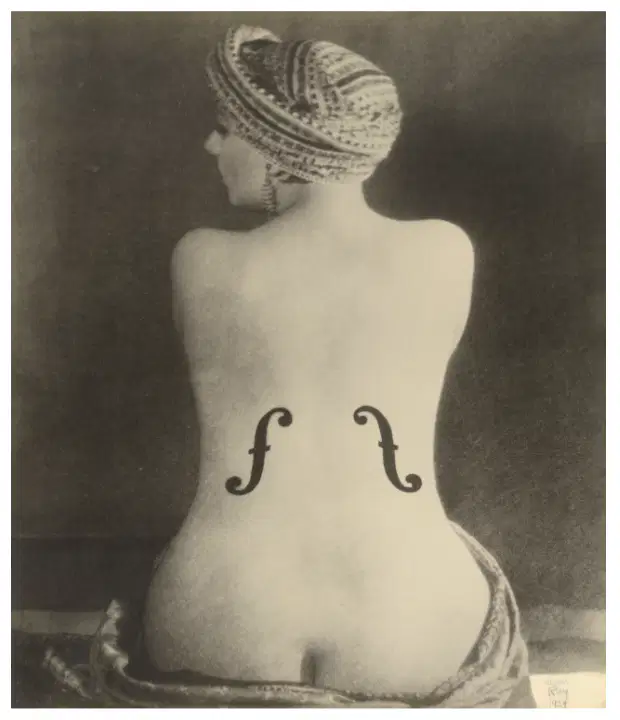
Photographer, year, movement
Diane Arbus, 1962, straight photography through anti-war propaganda
man ray, 1924, surrealist movement
“the pyramids were moved to fit the original photo which was taken in landscape mode; it is
important because it sparked the debate of authenticity and credibility.”
henri cartier-bresson, 1932, images can be mirrored
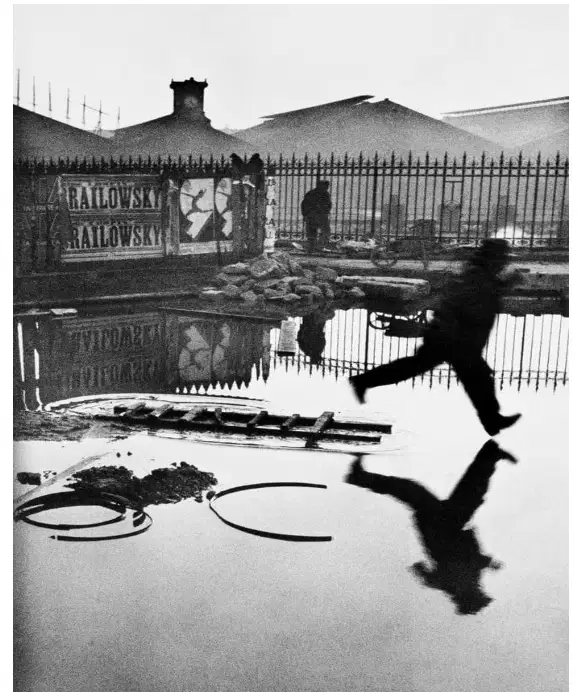
Photog, year, tied to what theory about image making?
nancy burson, 1985, created using gelatin silver print from computer generation of a combination of faces
Diane Arbus, 1962, straight photography through anti-war propaganda
henri cartier-bresson, 1932, images can be mirrored
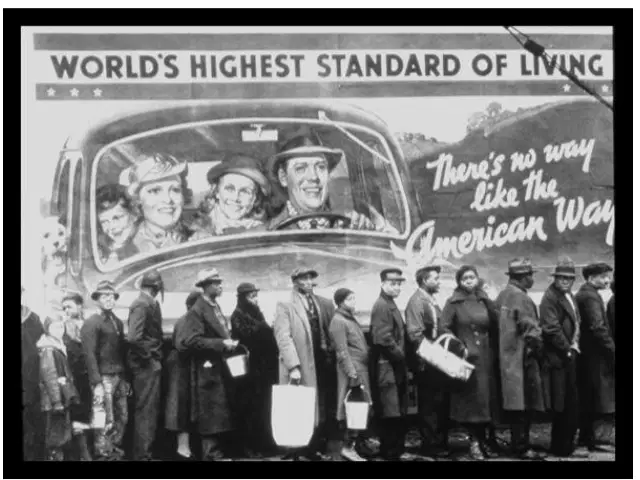
margaret bourke-white, 1937
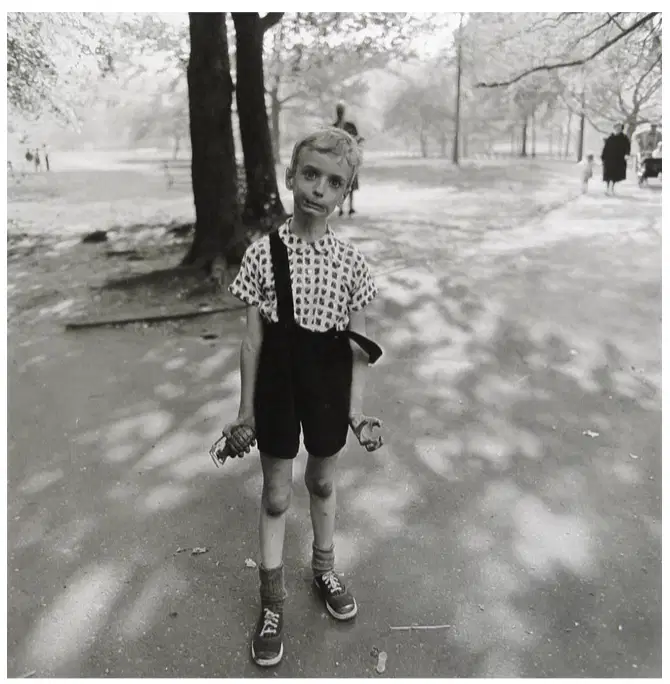
Photog, year, style
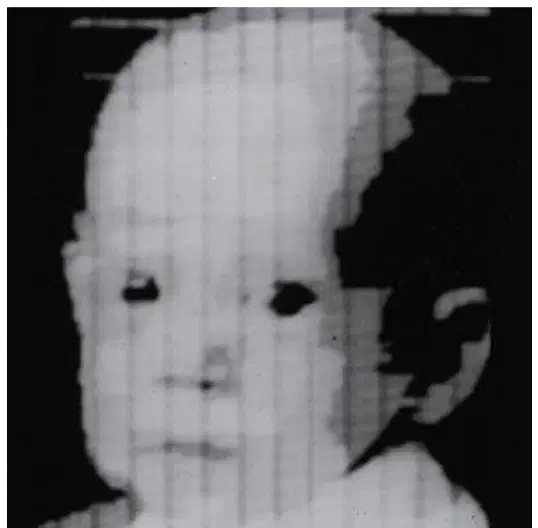
first digital image, 1957
Diane Arbus, 1962, straight photography through anti-war propaganda
nancy burson, 1985, created using gelatin silver print from computer generation of a combination of faces
margaret bourke-white, 1937
photog , year, how was this photo made?
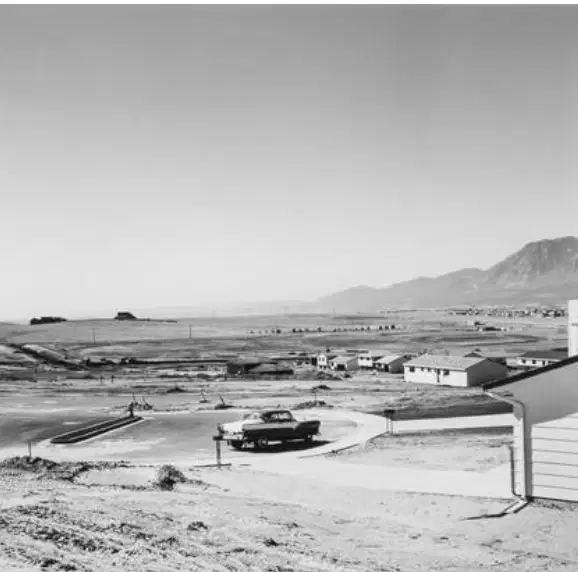
this image made an appearance in the New Topographics, this show was important
because they redefined the subject of landscape photography
nancy burson, 1985, created using gelatin silver print from computer generation of a combination of faces
margaret bourke-white, 1937
first digital image, 1957
Photog, year,
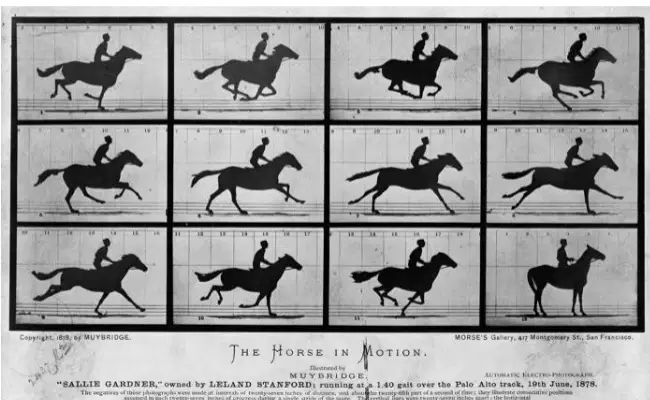
eadweard muybridge , 1873, it was the first ever motion picture
margaret bourke-white, 1937
first digital image, 1957
this image made an appearance in the New Topographics, this show was important
because they redefined the subject of landscape photography
Importance of image, year
hiroshi sugimoto, 1993
first digital image, 1957
this image made an appearance in the New Topographics, this show was important
because they redefined the subject of landscape photography
eadweard muybridge , 1873, it was the first ever motion picture
What historically significant landscape show was this image in and why was the show important?
this image made an appearance in the New Topographics, this show was important
because they redefined the subject of landscape photography
eadweard muybridge , 1873, it was the first ever motion picture
andreas gursky, 1999, this image was constructed using digital editing to remove dog walkers
and a factory building which is considered to be one of the earliest cases of photoshop
This is a brownie camera and it its significance is that it helped make photography accessible to the
general public
Photog, year, significance
This is a brownie camera and it its significance is that it helped make photography accessible to the
general public
eadweard muybridge , 1873, it was the first ever motion picture
hiroshi sugimoto, 1993
andreas gursky, 1999, this image was constructed using digital editing to remove dog walkers
and a factory building which is considered to be one of the earliest cases of photoshop
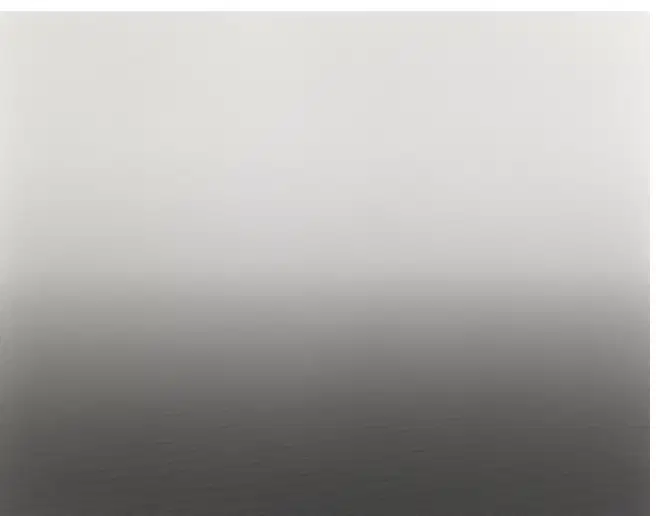
Photog, year
cindy sherman, 1977, untitled film stills was about depicting stereotypes commonly found with
women around the 60s-70s
hiroshi sugimoto, 1993
andreas gursky, 1999, this image was constructed using digital editing to remove dog walkers
and a factory building which is considered to be one of the earliest cases of photoshop
This is a brownie camera and it its significance is that it helped make photography accessible to the
general public
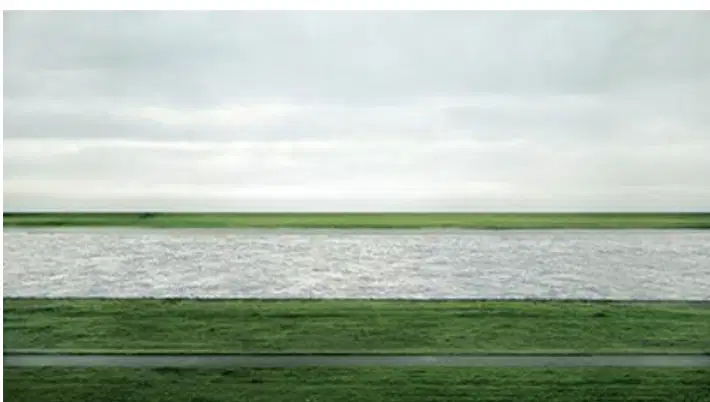
Photog, year, how is the image constructed?
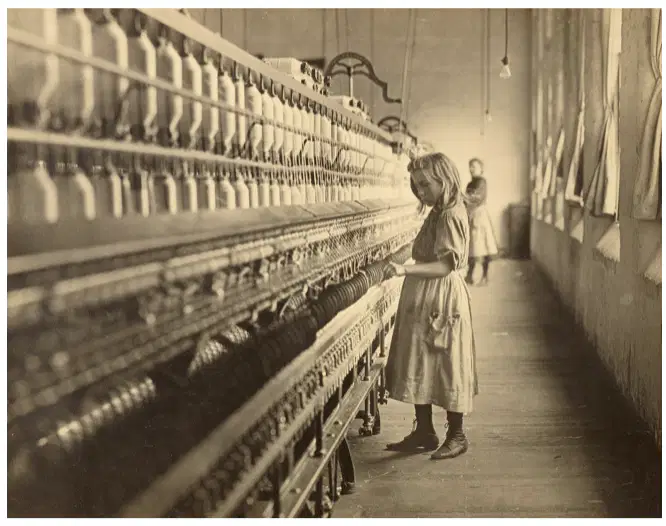
lewis w. hine, 1908, it was taken to document scenes of child labor
andreas gursky, 1999, this image was constructed using digital editing to remove dog walkers
and a factory building which is considered to be one of the earliest cases of photoshop
This is a brownie camera and it its significance is that it helped make photography accessible to the
general public
cindy sherman, 1977, untitled film stills was about depicting stereotypes commonly found with
women around the 60s-70s
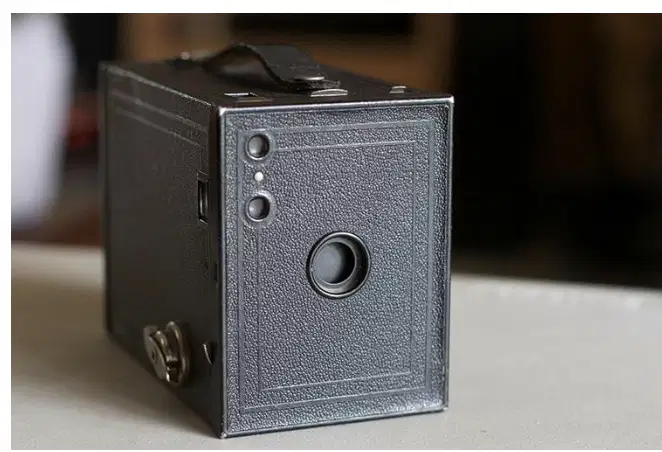
What kind of camera is this and why is it significant
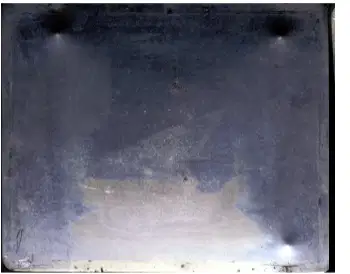
1826- Niecephore Niepce- The first photo ever taken- This is a version of the View from the window at Le Gras
This is a brownie camera and it its significance is that it helped make photography accessible to the
general public
cindy sherman, 1977, untitled film stills was about depicting stereotypes commonly found with
women around the 60s-70s
lewis w. hine, 1908, it was taken to document scenes of child labor
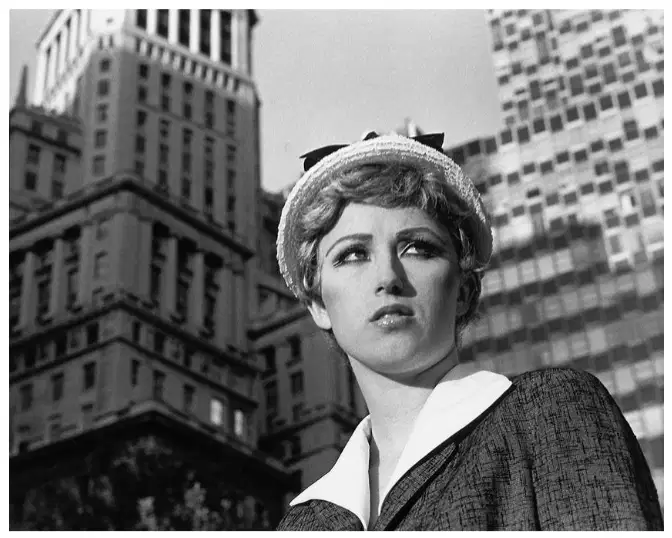
Photog, year, what is the series about?
andreas gursky, 1999, this image was constructed using digital editing to remove dog walkers
and a factory building which is considered to be one of the earliest cases of photoshop
cindy sherman, 1977, untitled film stills was about depicting stereotypes commonly found with
women around the 60s-70s
lewis w. hine, 1908, it was taken to document scenes of child labor
1826- Niecephore Niepce- The first photo ever taken- This is a version of the View from the window at Le Gras
Photog, date, and why taken?
This is a brownie camera and it its significance is that it helped make photography accessible to the
general public
lewis w. hine, 1908, it was taken to document scenes of child labor
1826- Niecephore Niepce- The first photo ever taken- This is another version of the View from the window at Le Gras
cindy sherman, 1977, untitled film stills was about depicting stereotypes commonly found with
women around the 60s-70s
Photographer, significance, and year
This is a brownie camera and it its significance is that it helped make photography accessible to the
general public
1826- Niecephore Niepce- The first photo ever taken- This is a version of the View from the window at Le Gras
lewis w. hine, 1908, it was taken to document scenes of child labor
cindy sherman, 1977, untitled film stills was about depicting stereotypes commonly found with
women around the 60s-70s

