
 Worksheets
Fluid Therapy & Azotemia
Total questions: 20
Worksheet time: 14mins

How would you describe fluid therapy to someone outside of the field of vet med?
Treatment using different kinds of fluids to address health issues
Providing adequate liquid nutrition
The calculation of how much drinking water to give a patient
A diagnostic technique to determine dehydration
Select the two primary organs that filter fluids in the body?
Heart and lungs
Liver and kidneys
Brain and stomach
Pancreas and spleen
How would you define azotemia?
A type of infection
An inflammation
A nutritional deficiency
An elevation of blood urea nitrogen and creatinine

What percentage of a pet’s body weight is made up of water?
60-80%
40-60%
20-40%
80-100%
Why is dehydration important to identify and treat in patients?
It can lead to overhydration
It is not significant in treatment
It can cause severe health issues, including death
It affects only the skin and can cause infection

A majority of water in the body is maintained within the cells (intracellular space or intracellular compartment).
True
False

Pediatric patients are smaller and therefore have a much lower need for fluids (maintenance and replacement) when compared to their adult counterparts.
True
False

Why would a DVM order a pet to receive maintenance fluids?
To treat daily loss of hydration
For excessive vomiting
To decrease body weight by flushing the cardiovascular system
For excessive diarrhea
Crystalloid fluids are commonly used to treat (a) . While colloid fluids are used to support (b) . A patient may receive both crystalloids and colloids at the same time.

Why would a DVM order an additive for a fluid bag before administering it to a patient?
(Choose all that apply)
To adjust the fluid's electrolyte content
To change the color of the fluid
To make the fluid taste better
To deliver a mediction
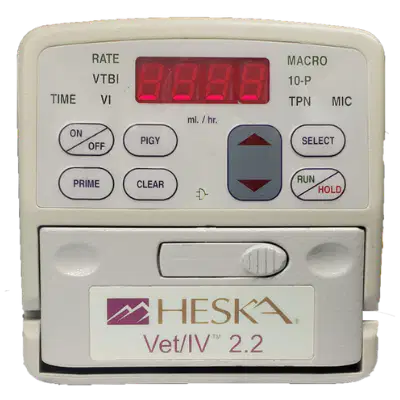
What does VTBI stand for on this fluid pump?
Variable Time Biological Interval
Volume To Be Infused
Vascular Tissue Blood Influx
Vital Tissue Baseline Index
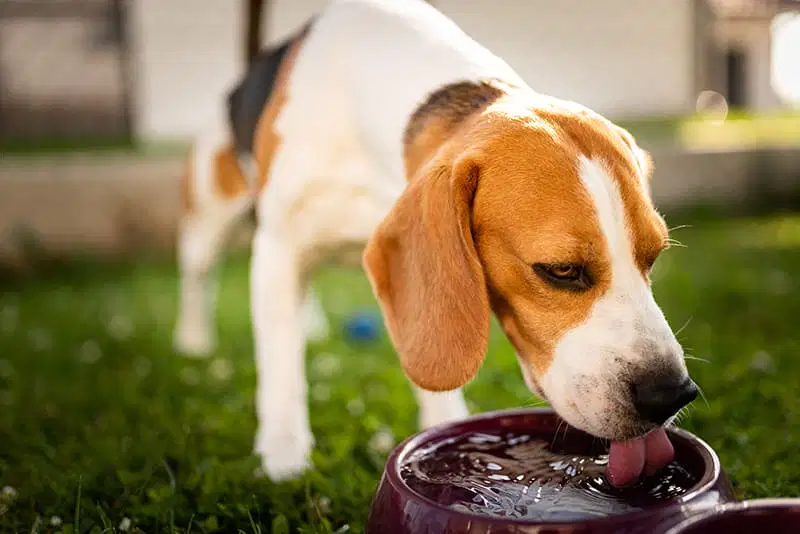
Jackie, a CVA, needs to assess the level of dehydration in her patient.
Which are common, non-invasive methods? (Choose all that apply)
Direct arterial BP measurement
CRT
Temperature check
Check for skin turgor

What common laboratory test can help assess a patient's hydration status?
BG
PCV/TS
Fecal
ALT or ALKP

How can a veterinary assistant assist with the placement of an Intravenous Catheter (IVC)?
(Choose all that apply)
Monitoring vital signs
Providing restraint
Conducting blood tests
Gathering necessary supplies
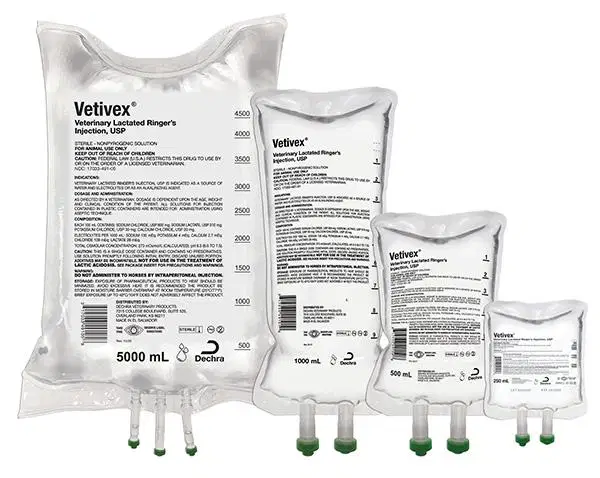
What are the most common ways to provide fluids to a patient?
(Choose all that apply)
IV
SQ
IM
IC
PO if tap water
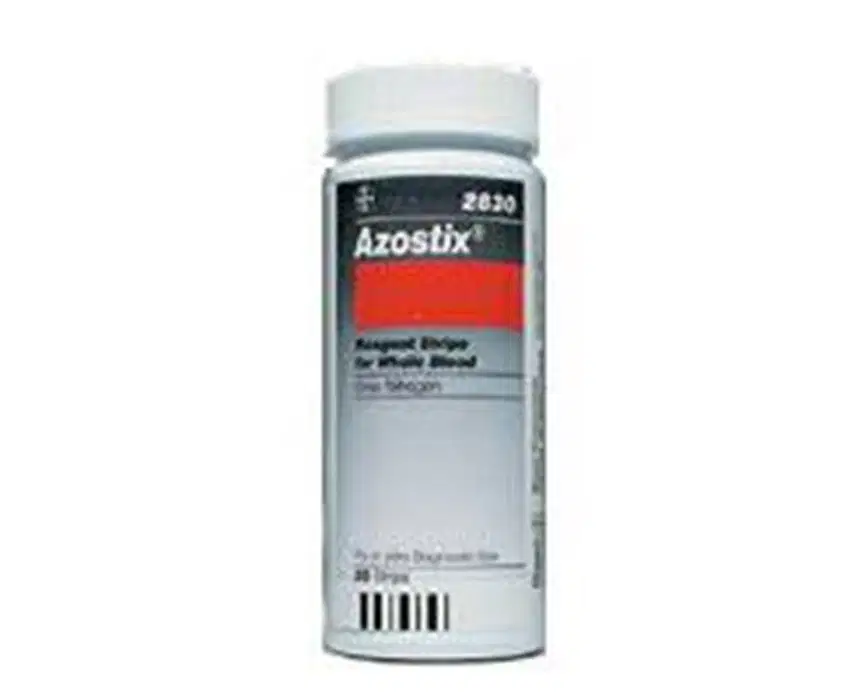
What is the purpose of using an Azostix Reagent Strip?
To measure the pH level of the blood
To gauge the level of BUN in a patient's blood
To determine the oxygen saturation in the blood
To check the glucose level in the blood
What should you NOT do when handling the reagent pad of the Azostix Strip?
Touch the reagent pad with hands
Touch only the handle of the strip
Compare the color of the rinsed reagent pad to the chart
Record the results
How long should the blood be left on the reagent pad of the Azostix Strip before rinsing it off?
30 seconds
45 seconds
60 seconds
75 seconds
BUN (Blood Urea Nitrogen) is an indication of (a) health.
CREA is the abbreviation for
(a)

