
 Worksheets
Units 5+6+7: World Geography
Total questions: 175
Worksheet time: 2hrs 49mins
The United Nations created these to help reduce disparities between developed and developing countries
Sustainability growth ideas
Subsistence Agriculture
Sustainable Development Goals
Sucky Ideas that don't fix much
Which Revolution marks the shift in working with hands to machines for mass production (and profit)?
Neolithic
Industrial
Green
Beatles
Trade Deficit
policy that promotes elimination of trade barriers, such as tariffs and quotas
when imports exceed exports
non-economic negative effects from trade
when exports exceed imports


What is the Human Development Index?
The health of an individual.
A set of statistics or numbers that rank countries by their development.
The country a person lives in,
The number of preventable diseases in a country.
model of economic and social development that explains global inequality in terms of the historical exploitation of poor nations by rich nations
World Systems Theory
Modernization Model
Organic Theory
Dependency Theory
How would you describe a More Developed Country?
Low-income countries characterized by little industry
A country that has a developed economy with advanced technological infrastructure relative to other less industrialized nations
A country that has started to industrialize
How would you describe a newly industrialized country?
A country characterized by large industrial and service sectors with high levels of gross national product
A country that has begun transitioning from primarily agricultural to primarily manufacturing and industrial activity
A country that is characterized by agriculture and they barter instead of use money
How would you describe a Less Developed Country?
A country that has begun transitioning from primarily agricultural to primarily manufacturing
Also known as a developing country, a country that is at a relatively early stage in the process of economic development.
A country characterized by high income per person
What are the 3 statistics that create HDI (Human Development Index)?
GDP per capita
Literacy rate
Life expectancy
all of the above
What is GDP, and what does it stand for?
Gross Domestic Product. Only measures what is produced in the country itself.
Gross National Product. Indicates the value of all goods and services produced by a country over a period of time, whether foreign or domestic.
Gross Nations Produce. All of the food that is grown in a nation
None of the above

The above chart describes examples of which level of economic activity?
Primary
Secondary
Tertiary
Quaternary

free-trade zones
or areas where goods are sold without trade barriers such as tariffs.
or areas where goods are purchased without trade barriers such as tariffs.
or areas where goods are traded without trade barriers such as tariffs.
or areas where goods are traded without trade barriers such as taxes.
A country that has a High Literacy Rate (greater than about 95%)
More Developed Country
Less Developed Country
Newly Industrialized Country

Image above is an example of
Post-Fordist production
Bulk-gaining industry
Deindustrialization
Bulk-reducing industry
Example of a bulk-reducing industry
Auto manufacturing
Cell phone production
Snack foods
Lumber
Maquiladoras are
US workers that move to other countries for jobs
Mexican factories on the US border that are owned and operated by US companies
Mexican workers who enter the US legally on a work visa
Mexican and American workers who migrate to Canada for higher paying jobs
NAFTA and the US-Mexico-Canada Agreement
Eliminated many tariffs and trade barriers between the 3 countries
Increased tariffs on Chinese imports
Eliminated trade with the European Union
Banned Maquiladoras

An example of a product made by a bulk-reducing industry is:
potato chips.
milk.
automobiles.
homes.
textiles.
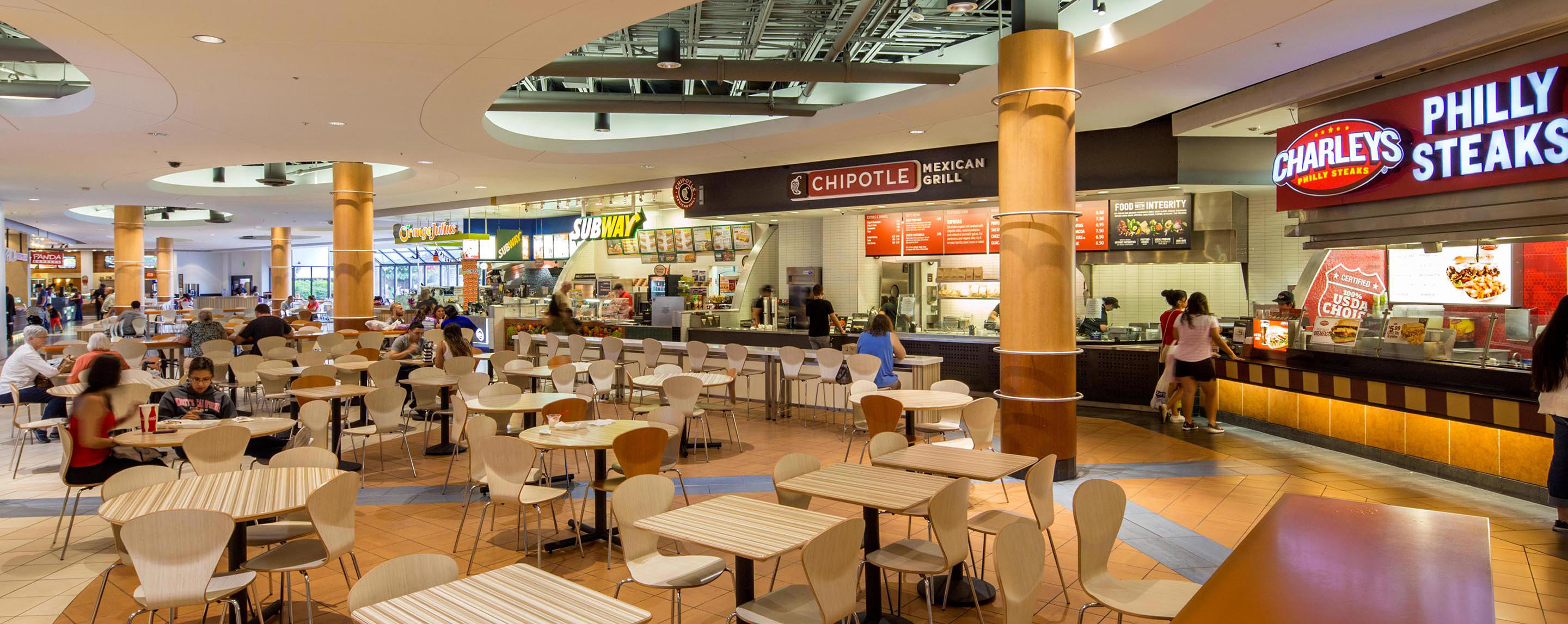
Shopping malls are an example of:
urbanization.
deglomeration.
agglomeration.
cumulative causation.
gentrification.
Which of the following can be categorized as a primary activity?
engineering
coal mining
teaching
car manufacturing

Prior to the Industrial revolution, people made household tools, clothing, and agricultural equipment in their homes, which is known as the_________
Home-Bound Industry
Sustainable Development
Fair Trade Industry
Cottage Industry
What were the first industries to be impacted by the industrial revolution?
Iron, Coal, Transportation, Textiles, chemicals, food processing
Petroleum, natural gas, hydroelectricity, aerospace engineering
Subsistence farming, cottage industry, animal domestication
automotive, steel, telecommunications, railroads
A company faces 2 geographic costs- __________ in which a firm seeks to reduce the cost of transporting inputs to factories and finished products to market; and _______ which firms seek a location with unique characteristics
situation factors; site factors
Input factors; output factors
More developed factor; less developed factor
bulk-gaining factors; bulk reducing factors
The least expensive mode of transport for shipping goods over long distances is by:
automobile
rail
ship
truck
Which sector has grown the fastest in developed countries?
primary
secondary
tertiary
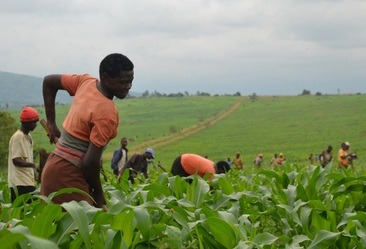
Which level of development is a country where most people work at the subsistence level?
More Developed
Newly Industrialized
Less Developed

Countries in this level of economic development have most of their people living in rural areas.
More Developed
Newly Industrialized
Less Developed

Which level of economic development are countries where people are beginning to move from rural to urban areas in search of factory jobs?
More Developed
Newly Industrialized
Less Developed
A company that uses more than one mode of transport will often locate near
break-of-bulk points
consumers
raw material
major urban areas
their sources of inputs

One reason some companies choose to participate in outsourcing is
lack of essential servies
opportunity to lower production costs
need to establish labor unions
support for new technology

Which statement best explains why nations must trade?
All nations belong to free trade agreements
All nations seek out new production methods
No nation has all necessary resources
No nation can employ all of its laborers

Which is a resource that allows nations to develop a high per-capita Gross Domestic Product (GDP)?
State-owned farms
Humanitarian aid
Skilled workforce
Governmental restrictions
The European Union has most benefited its member nations by
reducing barriers to trade and travel
sharing expense of a common defense
promoting the use of a common language
providing funds and materials for education
Which revolution is critical to understanding the demographic transition model discussed in Unit 7?
The Green Revolution
The Neolithic Revolution
The Industrial Revolution
The Digital Revolution
What does a 'break of bulk point' refer to?
A point where bulk goods are manufactured
The center point of industrial zones
The maximum weight a ship can carry
A point where goods are transferred for continued shipping
What is the primary sector focused on?
Manufacturing
Extracting and Collecting Raw Materials
Information Technology
Services
What is a 'bulk-gaining' industry?
An industry that relies solely on bulk shipments
An industry that gains mass in the production process
An industry that reduces its product sizes for efficiency
An industry that loses mass in the production process
What is the main goal of the United Nations' Sustainable Development Goals?
To increase tariffs on imported goods
To reduce the influence of developed countries
To achieve sustainable development globally
To promote neoliberal policies worldwide
What does 'agglomeration' refer to in economic geography?
The expansion of suburban areas due to industrial growth
The reduction of industrial activities in urban areas
The clustering of businesses for mutual benefit
The process of dispersing industries to rural areas
Which of the following best describes the term "globalization"?
The process by which businesses or other organizations develop international influence or start operating on an international scale
The spread of political systems around the world
The movement of people from one country to another
The development of a worldwide culture with an interdependent economy
Which of the following is a characteristic of a developed country?
High birth rates
Low levels of industrialization
High levels of education and healthcare
A primarily agricultural economy
What is a "primate city"?
A city that is the first to be established in a country
A city that is the largest and most important in its country, often disproportionately larger than any others in the country
A city where the country's primates are protected
The capital city of a country
What is the primary goal of sustainable development?
To increase a country's territory
To meet the needs of the present without compromising the ability of future generations to meet their own needs
To focus solely on economic growth
To develop the military strength of a country
The link between available resources and the activities that an individual engages in to make a living best describes the
Relationship between history and social development
Relationship between geography and economics
Relationship between politics and geography
Relationship between social development and history

The picture included represents which economic concept
Supply and demand
Free enterprise
Command economy
Capitalism
Which type of economy would you be most likely to find subsistence agriculture?
Market Economy
Command Economy
Traditional Economy
Which type of economy would you be most likely to find commercial agriculture?
Market Economy
Command Economy
Traditional Economy
Which type of economy would you be most likely to find tribal cultures?
Market Economy
Command Economy
Traditional Economy
Which type of economy would you be most likely to find communism?
Market Economy
Command Economy
Traditional Economy
Which type of economy would you be most likely to find freedom?
Market Economy
Command Economy
Traditional Economy
Which type of economy would you be most likely to find government control?
Market Economy
Command Economy
Traditional Economy
Which type of economy is found in the United States?
Market Economy
Command Economy
Traditional Economy
Which type of economy is found in North Korea?
Market Economy
Command Economy
Traditional Economy
This type of economic activity uses resources directly.
Primary Sector
Secondary Sector
Tertiary Sector
Quaternary Sector
A car dealership provides a service, and therefore, is an example of which activity?
Primary Sector
Secondary Sector
Tertiary Sector
Quaternary Sector
This type of economic activity is responsible for the processing and distribution of information.
Primary Sector
Secondary Sector
Tertiary Sector
Quaternary Sector
In a Command Economy (select ALL that apply)
The government plays a major role in the economy.
The government makes few economic decisions.
The government owns and controls many of the resources with the country.
People have the ability to freely choose what to buy and sell
Free enterprise is the basis of
Capitalism
Traditional/ Subsistence Economies
A Command Economy
All of these options
Which of the following is NOT a measure of development?
Gross Domestic Product
Gross National Product
Communism
Literacy rate
Electricity consumption
The total value of goods and services that a country produces ONLY within its borders in a year is
Industrialization
Gross National Product
Gross Domestic Product
GNP & GDP
All of the options
The literacy rates in developed countries tend to be _________ than the literacy rates in developing countries.
Higher
Lower
None (it's the same)
Population growth tends to be slower in
Developed countries
Developing countries
None (it's the same
Birth rates tend to be higher in
Developed countries
Developing countries
None (it's the same
What type of country has new industries with people switching from rural to urban lifestyles?
Newly Industrialized Countries (NIC)
Less Developed Countries (LDC)
More Developed Countries (MDC)
None of these options
What type of country has a majority of people with a high standard of living?
Newly Industrialized Countries (NIC)
Less Developed Countries (LDC)
More Developed Countries (MDC)
None of these options
What type of country has a majority of people with a low standard of living?
Newly Industrialized Countries (NIC)
Less Developed Countries (LDC)
More Developed Countries (MDC)
None of these options
Sending jobs to countries that are less-developed in order to save money on cheaper labor or increase efficiency
Insourcing
Free Enterprise
Supply and demand
Outsourcing
Little surplus is found in this kind of economy.
Market Economy
Command Economy
Traditional Economy
People freely choose what to buy and sell.
Market Economy
Command Economy
Traditional Economy
Trade is extremely important in this type of economy.
Market Economy
Command Economy
Traditional Economy

What type of economic activity is this
Primary Sector
Secondary Sector
Tertiary Sector
Quaternary Sector

What type of economic activity is this
Primary Sector
Secondary Sector
Tertiary Sector
Quaternary Sector

What type of economic activity is this
Primary Sector
Secondary Sector
Tertiary Sector
Quaternary Sector

What type of economic activity is this
Primary Sector
Secondary Sector
Tertiary Sector
Quaternary Sector
Money granted by the government to assist an industry or business so that prices remain low or competitive.
Tariff
Subsidy
Welfare
Free-enterprise
The term for "quality of life"
Standard of Living
Most Developed Country
Tariff
Free enterprise
A process of improvement in the material conditions of people through diffusion of knowledge and technology.
Development
Fair Trade
Industry
Added Value
A social movement whose stated goal is to help producers in developing countries achieve better trading conditions and to promote sustainability.
Development
Fair Trade
Industry
Added Value
Economic activity concerned with the processing of raw materials and manufacture of goods in factories.
Development
Fair Trade
Industry
Added Value
Indicator of level of development combining income, literacy, education, and life expectancy.
FDI (Foreign Direct Investment)
GDP (Gross Domestic Product)
HDI (Human Development Index)
GNP (Gross National Product)
The value of the total output of goods and services produced in a country in a given time period (normally 1 year).
FDI (Foreign Direct Investment)
GDP (Gross Domestic Product)
HDI (Human Development Index)
GNP (Gross National Product)
Model of development stating that industries attempt to find the best site or location to place their factory that provide the minimum transportation and labor costs.
Rostow's Model of Economic Development
Wallerstein's World Systems Theory
Weber's Least Cost Theory
Location Theory
A logical attempt to explain the locational pattern of an economic activity and the manner in which its producing areas are interrelated; example: von Thunen model.
Rostow's Model of Economic Development
Wallerstein's World Systems Theory
Weber's Least Cost Theory
Location Theory
Model that describes a country's progression in five stages from LDCs to MDCs.
Rostow's Model of Economic Development
Wallerstein's World Systems Theory
Weber's Least Cost Theory
Location Theory
A model of the spatial structure of development in which underdeveloped countries are defined by their dependence on a developed core region (core, periphery, and semi-periphery).
Rostow's Model of Economic Development
Wallerstein's World Systems Theory
Weber's Least Cost Theory
Location Theory
Measures opportunities given to a woman compared to a man within a given country.
Gender Empowerment Measure (GEM)
Gender-Related Development Index (GDI)
Gender Equity
Human Development Index (HDI)
Portion of the economy concerned with the direct extraction of materials from Earth's surface.
Primary sector
Secondary sector
Tertiary sector
Quaternary sector
Quinary sector
Portion of the economy concerned with manufacturing useful products through processing, transforming, and assembling raw materials.
Primary sector
Secondary sector
Tertiary sector
Quaternary sector
Quinary sector
Portion of the economy concerned with transportation, communications, and utilities; provision of all goods and services to people in exchange for payment.
Primary sector
Secondary sector
Tertiary sector
Quaternary sector
Quinary sector
Portion of the economy containing professions that specialize in information; provide higher-level services; knowledge-based.
Primary sector
Secondary sector
Tertiary sector
Quaternary sector
Quinary sector
Identify the primary sector jobs.
Farming
Oil extraction
Steel Industry
Teacher
Space exploration
Identify the secondary sector jobs.
Farming
Bottling soft drinks
Steel Industry
Accountant
App creation
Identify the tertiary sector jobs.
Research and development
Tourism
Steel Industry
Retail
App creation
Identify the quaternary sector jobs.
Research and development
Tourism
Teacher/professor
Retail
Accountant
Economic activity congregates in or close to a single location, rather than being spread out uniformly across space.
Agglomeration
Bulk-reducing industry
Bulk-gaining industry
Cottage industry
Economies of scale
The business must be located close to the market to reduce the cost of transport, increase profits, and usually lowers the price for consumers.
Agglomeration
Bulk-reducing industry
Bulk-gaining industry
Cottage industry
Economies of scale
The business must be located close to the source of the raw materials to minimize transportation costs.
Agglomeration
Bulk-reducing industry
Bulk-gaining industry
Cottage industry
Economies of scale
Home-based manufacturing. Example: textiles
Cottage Industry
Fordism
Post-Fordism
Assembly Line
Commodity Chain
Highly organized and specialized system for organizing industrial production and labor; mass production for mass consumption.
Cottage Industry
Fordism
Post-Fordism
Commodity Chain
Characterized by small-batch production, economies of scope (not scale), new information technologies, rise of the service and white-collar worker, and the feminization of the workforce.
Cottage Industry
Fordism
Post-Fordism
Commodity Chain
What are economic activities?
rules in a game
a sport
how a government is run
ways in which people make a living
The basic material from which a product is made.
rescue resources
capital resources
human resources
natural resources
What is a tertiary industry?
Provides a service for people
Manufactures products
Collects or produces natural resources
Research and technology
What is a primary industry?
Employ people to make things.
Employ people to collect or produce natural resources
provide a service for people
Research and technology
Which belongs in the tertiary industry?
coffee bean
steel worker
nurse
farmer
which belongs in the secondary industry?
cotton
shoe factory
coal
sales clerk
Which belongs in the primary industry?
cotton
sweater
shoe factory
sales clerk
Goods and services are exchanged (or sold)
Primary Industry
Secondary Industry
Tertiary Industry
Uses raw materials to produce or manufacture something new.
Primary Industry
Secondary Industry
Tertiary Industry
Uses natural resources or raw materials
Primary Industry
Secondary Industry
Tertiary Industry
An example of an important physical site characteristic is a
major airport
major central park
natural harbor
public sports facility
Economically, the United States best fits the category of
Third World country
Less developed country (LDC)
Developing country (DC)
More developed country (MDC)
What is the impact of globalization on the economy?
Globalization has both positive and negative impacts on the economy.
Globalization only has positive impacts on the economy.
Globalization only has negative impacts on the economy.
Globalization has no impact on the economy.
How does environmental sustainability contribute to economic development?
By creating more waste and increasing production costs.
By increasing pollution and depleting natural resources.
By promoting efficient resource use, reducing costs, creating new job opportunities in green industries, and attracting investment in sustainable practices.
By causing unemployment and reducing investment opportunities.
What are the key aspects of resource management and their economic impact?
Allocation, utilization, and conservation; their impact on the economy
Wasting, hoarding, and borrowing; their impact on the economy
Investing, donating, and spending; their impact on the economy
Spending, saving, and borrowing; their impact on the economy
Explain the economic geography of natural resources.
The utilization of natural resources does not affect the economy
The economic geography of natural resources involves studying the distribution, utilization, and impact of natural resources on the economy of different regions.
The economic geography of natural resources is not important for the economy
Natural resources have no impact on the distribution of wealth in different regions
How does globalization affect the distribution of wealth in different countries?
Globalization has no impact on the distribution of wealth in different countries.
Globalization can lead to the concentration of wealth in certain countries while leaving others behind.
Globalization ensures equal distribution of wealth in all countries.
Globalization leads to the reduction of wealth in all countries.
Explain the concept of sustainable development and its role in economic growth.
Sustainable development focuses only on economic growth without considering environmental and social factors
Sustainable development aims to achieve economic growth while also considering environmental and social factors for the well-being of current and future generations.
Sustainable development is only concerned with the well-being of current generations
Sustainable development has no role in economic growth
What are the challenges in managing natural resources for economic development?
Lack of interest in economic development
Overabundance of natural resources
No impact of resource depletion
Potential conflicts between conservation and exploitation, impact of resource depletion, and need for sustainable management practices
Which of the following is most likely to be politically unstable?
LDCs
DCs
MDCs
None
In LDCs children are used as a source of labor for which type of work?
Hunting and factories
Fishing boats and hunting
Factories and fishing boats
Farms and factories
How can climate change affect the agricultural sector and its economic implications?
Climate change has no impact on agricultural productivity.
Climate change leads to decreased production costs for farmers.
Climate change results in lower food prices and increased income for farmers.
Climate change can lead to reduced agricultural productivity, increased production costs, decreased income for farmers, higher food prices, and potential food shortages.
What are the economic impacts of climate change on different industries?
The economic impacts of climate change on different industries include increased costs for adaptation, damage to infrastructure, and changes in consumer demand.
No impact on costs for adaptation, no damage to infrastructure, and no changes in consumer demand.
Decreased costs for adaptation, improvement of infrastructure, and stable consumer demand.
Decreased costs for adaptation, improvement of infrastructure, and increased consumer demand.
A system of government in which one person rules with unlimited power and authority
autocracy
theocracy
monarchy
oligarchy
A system of government in which leaders rule with the consent of the citizens
autocracy
theocracy
democracy
monarchy
A system of government in which a hereditary king or queen holds supreme power
autocracy
theocracy
monarchy
oligarchy
A system of government in which a small group of people holds power
autocracy
democracy
theocracy
oligarchy
A system of government in which those who rule are regarded as divinely inspired
theocracy
monarchy
autocracy
oligarchy
A ___ boundary often follows straight lines and does not account for physical features
cultural
ethnic
geometric
natural
Political boundaries, typically referred to as ___, can change due to wars or treaties.
margins
borders
frames
frontiers
___ is a type of political conflict that inspired fear and includes any violent and destructive act committed to intimidate a people or a government.
socialism
communism
anarchism
terrorism
___ studies how factors such as a country’s size, location, and resources influence politics.
geopolitics
physical geography
biophysics
demography
The ___ is an international organization dedicated to fostering cooperation in international law, international security, economic development, social progress, human rights, and aspirations to achieve world peace.
North Atlantic Treaty Organization (NATO)
World Trade Organization (WTO)
United Nations (UN)
International Federation of Nations
In a ___ economy, habit and custom determine the rules for all economic activity, and behavior is defined by the customs of their elders and ancestors
traditional
market
command
mixed
A ___ economy is one in which businesses are privately owned and production and prices are determined by supply and demand.
traditional
market
command
mixed
In a ___ economy, the government owns or directs the means of production and controls the distribution of goods.
traditional
market
command
mixed
A ___ economy is an economy in which the government supports and regulates free enterprise through decisions that affect the marketplace.
traditional
market
command
mixed
___ is an economic system in which government allows private business owners to produce and make a profit selling a wide variety of goods and services.
communism
socialism
capitalism
nativism
What type of economic activity do teachers perform?
primary
secondary
tertiary
quaternary
What type of activity do coal miners perform?
primary
secondary
tertiary
quaternary
The United States is an example of a(n)
Industrialized country
More developed country
Less developed country
Newly industrialized country
Mexico is an example of a(n) ___, because it is transitioning from a primarily agricultural economy to an economy primarily focused on manufacturing and industrial activities.
Agrarian country
More developed country
Newly industrialized country
Less developed country
Coffee is one of Guatemala’s key ___, which it sells to other countries all over the world.
imports
exports
tariffs
raw materials

