
 Worksheets
Earth&Outer Space, Diseases, Adaptation, and Reactions
Total questions: 95
Worksheet time: 1hrs 21mins

In the picture, number 3 shows the layer ....
crust
mantle
outer core
inner core
the layer on which living beings live is ...
crust
mantle
outer core
inner core
The center of the earth is....
crust
mantle
outer core
inner core
The inner core formed .....
iron and solid nickel
water
land and oceans
rock

What do we use to measure earthquakes?
Richter scale and mercalli scale
ruler and digital scale
book and a wave machine
Magnitude and longitude
(a) is a sudden and violent shaking of the ground, sometimes causing great destruction, as a result of movements within the earth's crust or volcanic action.
The molten rock that is found below the surface of the Earth is known as_____________.
magma
lava
core
mantle
What is the order of our solar system?
Sun, Mercury, Venus, Earth, Mars, Jupiter, Uranus, Saturn, and Neptune.
Sun, Mercury, Venus, Earth, Mars, Saturn, Jupiter, Uranus, Neptune.
Sun, Mercury, Venus, Earth, Mars, Jupiter, Saturn, Uranus, Neptune.
Sun, Venus, Mercury, Earth, Mars, Jupiter, Saturn, Uranus, Neptune.
What is the name of our galaxy?
The Milky Day
The Milky Bay
The Milky Way
The Milky Lay
This are illness that can easily spread from one person to another.
Pathogen
Germs and Bacteria
Disease Agents
Communicable Diseases
The most common ways of infection. It is carried thorough sneezing, coughing or talking.
Direct Transmission
Indirection Transmission
Airborne Transmission
Oral Transmission
Diseases spread by the following ways except __________
by direct contact
by insects
by being friendly
by contaminated food and water
by air
Washing your hands is the _________ effective strategy for preventing the spread of disease?
least
most
The system in our body that helps fight disease is called the ________________ system.
respiratory
digestive
muscular
immune
____ is a treatment to produce immunity against a disease
Sickness
Vaccination
Digestion
Invasion
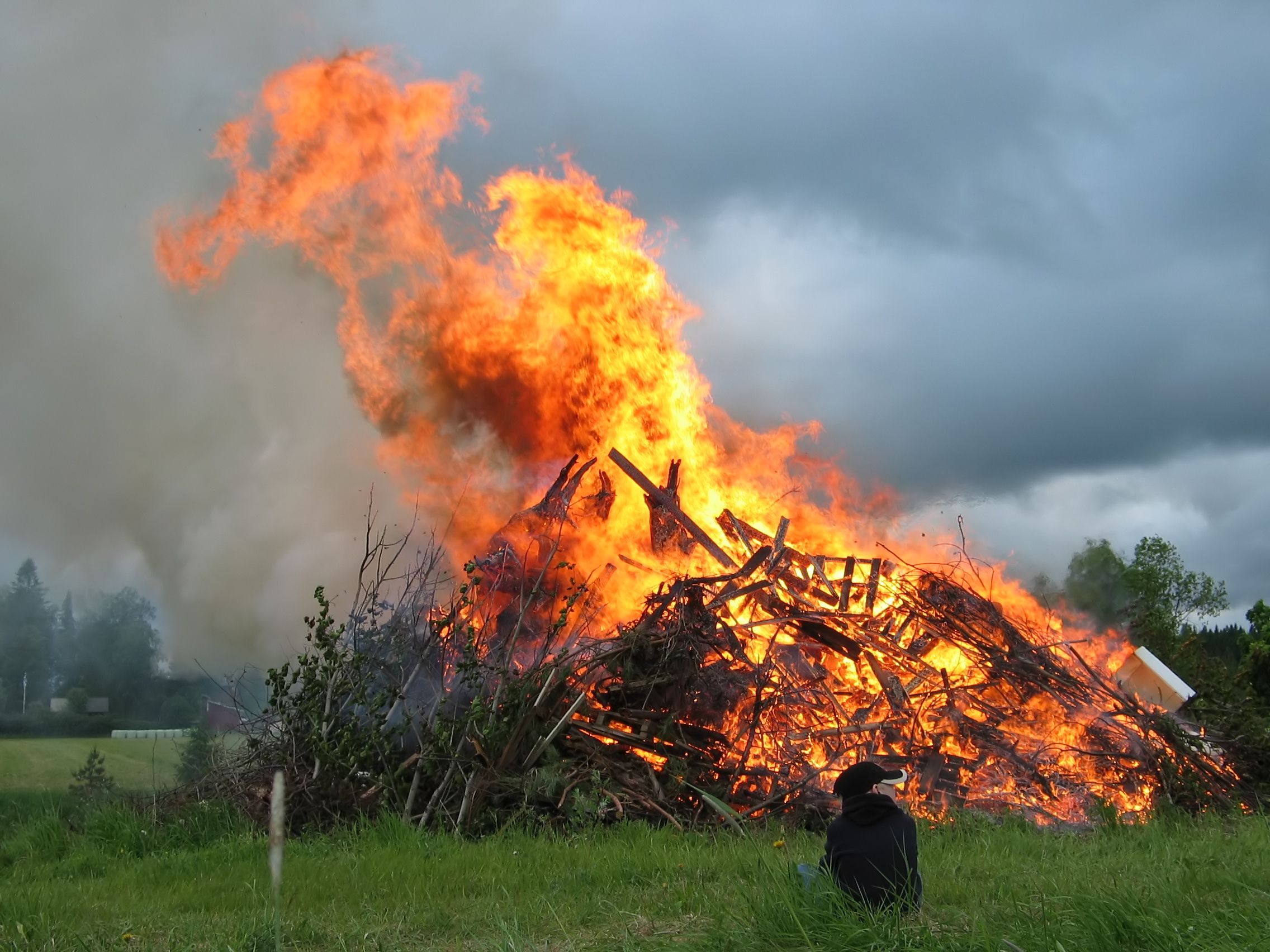
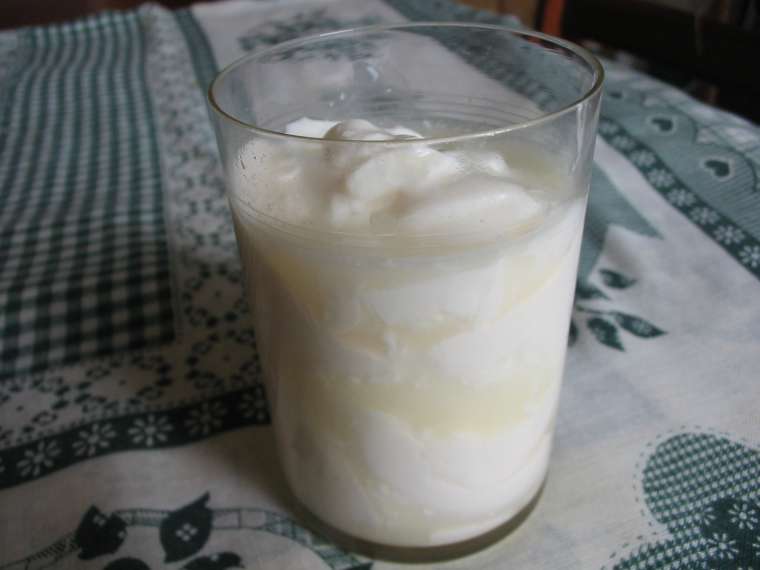


Which is not a sign that a chemical reaction has occurred.
A change in mass
bubbling
production of an odor or smell
change in color

A ________ change, like tearing paper, result(s) in no new substances. What kind of reaction is this?
A physical change
A chemical change
Physical and chemical changes
None of the above

This change is a
chemical reaction
physical change
musical change
all answers are correct
Signs of a chemical change could be:
a change in energy (temperature, light, sound)
a precipitate forms (a solid forms from 2 liquids)
formation of gas (bubbles)
shocking change in color

Is this a chemical or a physical change?


A substance produced during a chemical reaction
Product
Reactant
Properties
Physical and chemical characteristics of matter used to describe or identify a substance
Chemical Reaction
Properties
Product
Which of the following is an example of a chemical reaction?
Ice melting into liquid water
Vinegar and baking soda combining to produce a gas
A nail being pounded into a piece of wood
A piece of paper being torn up
What is an indicator of a chemical reaction?
Change of state
Color change
Change in shape
Sugary taste
Which of the following was NOT an indicator of the chemical reaction between vinegar and baking soda?
gas production
solid formation
energy change
change of state
A chemical change is different than a physical change because in a chemical change...
Chemicals are used
Molecules do not physically touch
A new substance is formed and in a physical change no new substance is formed
The change can be seen but in a physical change it cannot


Select TWO options that are examples a chemical change.
Baking dough
Cutting bread
Frying fries
Opening fries

Is water and sodium being separated a chemical or physical change?
Physical
Chemical
This change is a
chemical reaction
physical change
musical change
all answers are correct
Signs of a chemical change could be:
a change in energy (temperature, light, sound)
a precipitate forms (a solid forms from 2 liquids)
formation of gas (bubbles)
shocking change in color
What is an indicator of a chemical reaction?
Change of state
Color change
Change in shape
Sugary taste
Identify the animal that sleep through the winter months.
Bear
Human
Cat
Sheep


How do adaptations help animals?
To escape animals
to hunt for food
to survive in their habitats

What habitat does this animal belong into?
Camel
Grassland
Tundra
Forest
Desert
An animal that changes its fur color between winter and summer season is
arctic fox
fennec fox
polar bear
What is Adaptation?
Animals are adapted to survive in the conditions in which they live.
This is the region receives very little rainfall.
The day-to-day condition of the atmosphere.
None of these.

Which adaptation most helps lemurs to live high in the trees of tropical forests?
soft, gray fur that keeps them warm in cool weather
strong, long tails that can be curled around branches
small, black eyes that allow them to see well at night
sharp, razor-like teeth that can be used to tear apart food
When do polar bears undergo hibernation?
summer
winter
spring
autumn
Definition of "habitat"
Adjusting to different environmental conditions by plants and animals
A place where the animals live and grow naturally
Why do elephants have large ears?
For fashion
Still being found by scientists
To keep them cool
None of these
Given below are some adaptive features of animals.
(i) Layer of fat under the skin
(ii) Long, curved and sharp claws
(iii) Slippery body
(iv) Thick white fur
Which of them are the adaptive features of a polar bear?
(i) only
(i) and (ii) only
(i), (ii) and (iii) only
(i), (ii) and (iv)
They store twigs and sticks in their nest
They migrate to a warmer climate
They grow more feathers to stay warm in the winter
They hide in bushes and wait for warm weather
How long does it take for Earth to orbit the sun?
1 year
6 months
24 hours
12 hours
The hottest planet is _______
Venus
Mercury
Mars
Uranus
How does the Moon move in space?
the Moon revolves around the Sun
the Moon revolves around the Earth
Earth revolves around the Moon
The Sun revolves areoun the Moon
The rotation of Earth on its axis causes the pattern of...
day and night
constellations
Earth's seasons
the phases of the Moon
Known as the red planet
Saturn
Mercury
Venus
Mars

I have beautiful rings, I am a gas giant and I am the sixth planet from the sun. Who am I?
Jupiter
Neptune
Uranus
Saturn
How long does it take Earth to complete one revolution around the sun?
24 hours
One week
One year
One month
What causes moonlight?
The Sun's light is reflected on the moon.
The moon's light is reflected on the Sun.
The Earth's light is reflected on the moon.
The moon's light is reflected on the Earth.

What can be used to see objects in the sky more closely?
Telescope
Microscope
Macroscope
Timer
... is a small chunk of dust and ice that orbits or travels around the sun.
A black hole
A meteoroid
A planet
A comet

Why electrical wiring usually are covered with a layer of plastic?
Choose more than one correct answer.
So we won't get electric shock when touch it
To help electricity flow along the wire
To insulate electric current
To add more energy
Material that can conduct electric current is called ____.
electrical conductor
electrical insulator
magnetic
non-magnetic
to make the current hotter or colder
turn on and off the electric current
the pathway that current flows
to add more power to the circuit

Which material can connect the gap in the wire?
Choose two correct answer.


Which circuit will light the bulb brighter?


When a switch is open...
the circuit is working and gives energy
the circuit is broken and charges cannot flow
the circuit is turning lights on
I don't know...ask Ms. Cednick
Which of these are good electrical insulators?
graphite, wood, rubber
rubber, glass, wood
pure water, wood, silver
copper, iron, silver

An electric is made up of electrical components such as . . . .
cell or batteries, lamps or bulbs, wire, and switches
electric force, spring force, and magnetic force
electric iron, electric stove, lamp and fan
the form of solid, liquid, and gas

What we have do to this circuit so that the lamp lights up?
Close the switch
Add a source or cell and close the switch
Add another lamp
Add another lamp and a switch
Which bulb will be brighter, Shown picture number . . . .


Based on the circuit diagrams, which bulb will light up? (Tick all that apply.)


This circuit does not work. Which of these would allow the bulbs to light?
Open the switch and then connect the two wires that are attached to the wood block
Switch the positions of the two wires that are connected to the battery and then open the switch
Move the switch closer in the circuit to the battery
Connect the two wires that are attached to the wood block

A student builds a circuit made up of a battery, two light bulbs, and a switch. What will the student most likely observe in this circuit?
Light bulb 1 and light bulb 2 will both be on
Light bulb 1 will be off, but light bulb 2 will be on
Light bulb 1 and light bulb 2 will both be off
Light bulb 1 will be on, but light bulb 2 will be off

