
 Worksheets
Ecological Terms PreLess
Total questions: 21
Worksheet time: 10mins
The statements below describe ecosystem correctly, except
Ecosystem involves interactions between organisms
Ecosystem includes only living components
Ecosystem consists of organisms interacting with physical environment
What is biotic factor?
What is abiotic factor?
Which of the below is a biotic factor?
Which of the following is an abiotic factor?
bacteria
rats
mushroom
What are the components of ecosystem?
i) Physical environment
ii) Predators
iii) Producers
iv) Decomposers
v) Consumers
i, ii and iii
i, ii, iv and v
ii, iii, iv and v
i, iii, iv and v
All of the above
What is a producer in an ecosystem?
An organism that can make its own food through photosynthesis.
What is a consumer in an ecosystem?
What is a decomposer in an ecosystem?
What is habitat?
Natural environment in which an organism lives.
Type of food that organisms consume.
Individuals of the same species living together in an area
Populations of all species found in an ecosystem at a particular time
What is a population in an ecosystem?
Individuals of the same species that live in the same area and interact with one another.
Non-living components of the ecosystem
Area occupied by all organisms
Individuals of the different species that live in the same area and interact with one another.
Individuals of the same species that live in the different area but interact with one another.
What is a community in an ecosystem?
Populations of same species that live and interact in the same area.
Populations of different species that live in a different area but interact with one another.
Populations of different species that live and interact in the same area.
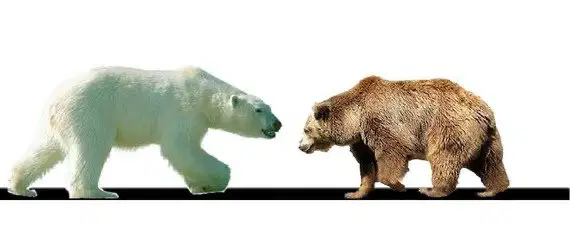
True or false: The picture shows a population of bear
True or false: Siberian tiger and Malayan tiger is grouped as a community

Consumer

Predator
Consumer
Producer
Decomposer
What are plants called in an ecosystem?
Producers
Consumers
Decomposers
Scavengers

Interaction among the same species of gazelles live in the same area. What term includes all these interacting organisms?
Interaction consists of cacti, snakes, scorpions, insects, sunlight and sand. What term includes all these components?
Ecosystem
Community
Population
Producer
In a pond, there are frogs, fish, insects, and algae. What term including all these interacting populations?
population

